Your Engine’s Hydraulic Balance Fails Under Low Load
When the red oil pressure light flickers at a stoplight, it signals a critical breach in the engine’s hydraulic equilibrium. Most drivers panic, yet a systematic approach to vehicle diagnostics reveals that this symptom is rarely a binary “engine failure” or “glitch” scenario. It is usually a precise indicator of the relationship between fluid viscosity and mechanical tolerances at low RPMs. At idle, the oil pump operates at its minimum speed. If the internal clearances in the crankshaft or camshaft bearings have widened due to wear, the oil escapes faster than the pump can maintain pressure. This is a common hurdle in auto repair for high-mileage vehicles. If you have noticed why your engine oil looks like a chocolate milkshake, the issue might be contamination or a blown head gasket rather than simple mechanical wear.
Viscosity Breakdown and the Heat Problem
Thin oil is a primary culprit. As an engine reaches operating temperature, the lubricant’s viscosity drops. If the oil is old or of the incorrect grade, it may become too thin to trigger the pressure switch at low RPMs. This often necessitates a thorough car service to restore the correct lubricant profile and inspect the filter for debris. High-trust sources like the Society of Automotive Engineers (SAE) emphasize that maintaining the shear stability of engine oil is paramount for preventing metal-on-metal contact during these low-pressure intervals. Using oil with the wrong viscosity index can lead to inadequate film strength, which is especially dangerous when the engine is not under load.
Does Your Dash Light Flicker Only When the Engine Is Hot?
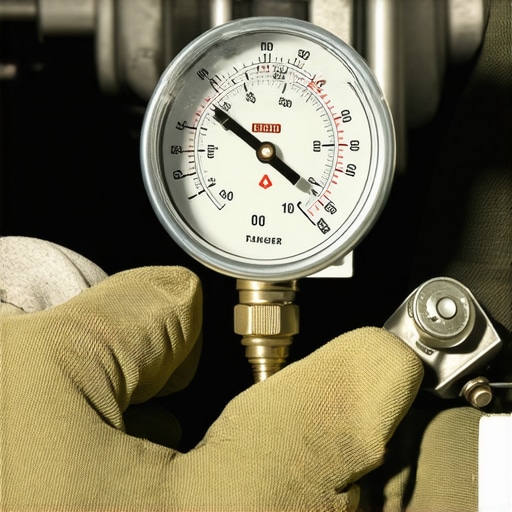
This specific symptom points toward a thinning lubricant or a worn oil pump assembly. When the engine is cold, the oil is thicker and maintains pressure with ease. But heat reveals the truth about your engine’s internal health. You might also want to investigate how to spot an internal oil leak before your engine seizes to rule out catastrophic loss. Professional technicians often utilize mechanical pressure gauges to verify if the sensor is accurately reporting the drop or if a internal component, such as the pickup tube screen, is partially obstructed by sludge.
Mechanical Faults That Mimic Low Oil Pressure
Sometimes the issue isn’t the oil pressure itself but the reporting mechanism. A failing oil pressure sender can ground out and trigger the light erroneously. However, an expert would never assume it is a sensor fault without performing a manual pressure test with a mechanical gauge. If your vehicle also experiences shifting issues, such as why your automatic transmission shifts hard when the engine is cold, it may indicate a broader neglect of critical fluid systems including the transmission. Proper maintenance schedules are designed to prevent these cascading failures. If your dashboard is giving you mixed signals, do not wait for a breakdown. Learn the hidden world of vehicle diagnostics to stay ahead of costly repairs and keep your car running smoothly.
How Carbon Sludge Chokes the Oil Pickup Screen
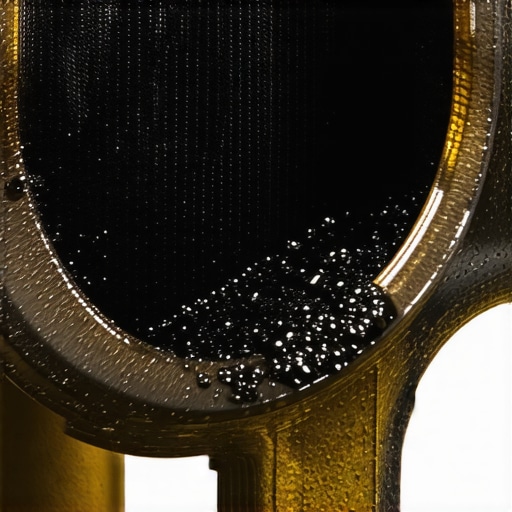
In the high-stress environment of a modern internal combustion engine, carbon sludge is the ultimate adversary of hydraulic stability. When oil isn’t changed frequently enough, heat causes the lubricant to oxidize, creating a thick, tar-like substance that settles at the bottom of the oil pan. This debris gravitates toward the oil pickup tube—the straw through which your engine breathes its lifeblood. At idle, the suction is at its weakest, and even a partial blockage of the screen can cause the pressure to plummet below the threshold required to keep the dashboard warning light off. To ensure you are maintaining your vehicle with the best possible materials to prevent this, you should stop overpaying for synthetic oil changes using this simple verification checklist: verify your oil quality here.
Could a Weak Electrical Ground Be Faking Your Low Pressure Warning?
Before committing to an expensive engine teardown, an expert technician looks at the electrical ecosystem. Modern instrument clusters rely on precise voltage signals from the oil pressure sending unit. If the engine’s ground strap is corroded or loose, the sensor may provide erratic resistance values, causing the oil light to flicker even when mechanical pressure is perfectly within spec. This phenomenon is particularly common in older vehicles where road salt and moisture have compromised the chassis connections. If you suspect an electrical phantom is haunting your dashboard, you can learn how to identify a bad ground wire without a multimeter by following this guide: diagnose ground issues today. Eliminating these ‘noise’ variables is a foundational step in advanced vehicle diagnostics.
The High Cost of a Stuck Pressure Relief Valve
The oil pump includes a critical component known as the pressure relief valve—a spring-loaded piston designed to bypass oil back into the pan if the pressure exceeds safe limits (such as during a cold start). However, if this valve becomes stuck in the ‘open’ position due to microscopic metal shavings or varnish, the pump cannot build sufficient pressure at low RPMs. This mechanical failure mimics the symptoms of worn bearings but requires a different auto repair strategy. According to the National Institute for Automotive Service Excellence (ASE), diagnosing these internal flow issues requires a systematic verification of the relief valve’s operation before condemning the entire pump. Furthermore, fuel dilution—where unburned gasoline seeps past piston rings and thins the oil—can also weaken the hydraulic seal of the relief valve, further exacerbating the flicker at stoplights.
Mastering Precision Maintenance for Engine Longevity
Addressing these nuanced mechanical and chemical factors is what separates a standard car service from a high-level performance optimization. Beyond just changing the fluid, a technician must evaluate the entire lubrication circuit to ensure that components like the relief valve and pickup screen are operating without restriction. Integrating these top auto repair techniques every car owner should know into your routine can save you thousands in premature engine wear: explore pro repair techniques. By understanding the interplay between fluid dynamics and electrical integrity, you can unlock your car’s potential and maintain peak efficiency through 2025 and beyond: expert auto tips for 2025. Have you ever experienced a warning light that vanished after a simple fluid flush? Share your diagnostic stories in the comments below or let us know what technical deep-dive you want to see next.
Why Excessive Bearing Clearance Ruins Your Oil Pressure
When the internal components of an engine reach a certain wear threshold, the physical gap between the crankshaft journals and the main bearings expands beyond factory specifications. This creates a path of least resistance for the pressurized lubricant. At highway speeds, the oil pump generates enough volume to compensate for this ‘internal leak,’ but once you return to idle, the pump’s output drops significantly. If the clearances have widened by even a few ten-thousandths of an inch, the oil escapes the bearing surfaces faster than the pump can replenish it, causing the pressure to bottom out. This is a foundational concept in vehicle diagnostics. According to metallurgical research from ASM International, the integrity of the hydrodynamic wedge—the thin layer of oil that prevents metal-on-metal contact—is entirely dependent on maintaining these tight mechanical tolerances. Professional builders often use specialized tools like Plastigage to measure these gaps during an auto repair, but for the average driver, the flickering light is the first warning that the engine’s structural heart is thinning out.
The Unseen Impact of Filter Bypass Malfunctions
Many drivers overlook the humble oil filter as a potential cause of pressure issues, assuming it only handles filtration. However, the internal bypass valve within the filter plays a critical role in hydraulic stability. This valve is designed to open if the filter element becomes restricted, ensuring the engine isn’t completely starved of oil. If the spring in this valve weakens or becomes stuck due to debris, it can allow oil to bypass the engine’s main galleries and return straight to the sump or circulate ineffectively. This reduction in resistance leads to a measurable drop in PSI at low RPMs. If you are experiencing erratic readings, you should select a high-performance oil filter that utilizes a heavy-duty silicone anti-drainback valve and a reinforced bypass spring to maintain consistent flow during a car service. High-quality filtration is often the cheapest insurance policy against the cascading failures associated with low oil pressure.
How Do Worn Camshaft Journals Trigger a Low Pressure Light?
In modern overhead cam (OHC) engines, the camshaft journals are often the furthest point from the oil pump. As the cylinder head ages, the aluminum journals can wear down, particularly if the engine has ever suffered from a brief period of starvation. Because the oil must travel through a long series of galleries to reach the top of the engine, any excessive clearance in the camshaft towers acts like a wide-open faucet, bleeding off pressure from the rest of the system. This is a nuanced issue that standard auto repair shops might miss, as they often focus solely on the bottom end of the engine. A technician must perform a dedicated pressure test at the head to see if the drop is localized or systemic. If you want to dive deeper into how these small components affect overall performance, explore pro repair techniques that help identify these hidden mechanical leaks.
Thermal Management and the Collapse of Oil Film Strength
The cooling system and the lubrication system are intrinsically linked; the health of one determines the survival of the other. As coolant temperature rises, so does the temperature of the oil. When a radiator is partially blocked or a water pump is underperforming, the oil can reach temperatures exceeding 250 degrees Fahrenheit. At these extremes, even high-quality synthetic oils begin to lose their shear stability, becoming too thin to provide the resistance necessary to maintain pressure at idle. This thermal thinning is why many drivers only see the warning light after a long highway drive when they exit onto a surface street. Managing this heat is a core part of vehicle diagnostics for high-mileage cars. You can effectively unlock your car’s potential by ensuring your cooling system is flushed and the oil cooler is free of obstructions. The relationship between the radiator’s efficiency and the engine’s oil pressure is particularly vital during the summer months when…
How Aeration Turns Lubricant into Foam
While low oil levels are a frequent concern, an overfilled crankcase can be equally detrimental to vehicle diagnostics. When the oil level is too high, the rotating crankshaft counterweights can strike the surface of the lubricant, whipping air into the fluid like a whisk in cream. This process, known as aeration, introduces tiny air bubbles that are easily compressed. Unlike liquid oil, air cannot maintain the hydraulic pressure required to keep the sensor happy at low RPMs. This ‘foaming’ effect drastically reduces the effectiveness of the oil pump, as it attempts to move a compressible gas-liquid mixture instead of a solid column of fluid. Expert analysis from Machinery Lubrication by Noria Corporation indicates that aerated oil not only drops pressure but also accelerates oxidation and heat buildup, further compromising the engine’s internal cooling capacity. If your light flickers after a high-speed run, check your dipstick for a bubbly or milky appearance that suggests windage is occurring.
Small Seals with Catastrophic Consequences
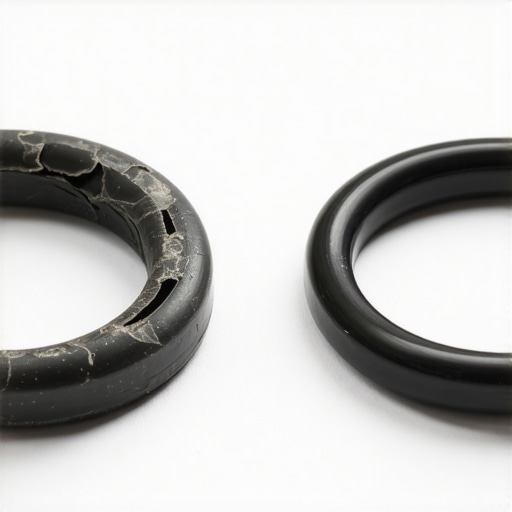
In many modern engine architectures, particularly in late-model trucks and European sedans, the culprit behind a flickering oil light isn’t the pump itself, but a simple $5 rubber O-ring. This seal sits between the oil pickup tube and the pump housing. Over time, heat cycles cause the rubber to harden and shrink, or even develop microscopic cracks. Because this seal is located on the suction side of the pump, a failure here allows the pump to draw in air from the crankcase rather than pulling pure oil from the pan. At higher speeds, the pump moves enough volume to overcome this ‘vacuum leak,’ but at idle, the suction is too weak to fight the air intrusion. Identifying this requires a technician to perform a vacuum test on the lubrication circuit during a car service, a step that prevents the unnecessary replacement of expensive mechanical components.
Does Using Oil Additives Actually Solve Low Pressure Problems?
Many owners turn to ‘stop-leak’ or ‘viscosity stabilizer’ additives when the dashboard light begins to dance at stoplights. While these products can temporarily thicken the oil to boost pressure, they often act as a bandage rather than a cure. High-level auto repair professionals caution that over-reliance on thickeners can interfere with the delicate balance of the oil’s detergent package, potentially leading to increased sludge formation over time. Furthermore, if the pressure drop is caused by a mechanical failure like a worn cam bearing, the thicker oil may struggle to reach tight tolerances during cold starts, leading to accelerated wear in other areas. Instead of reaching for a bottle, prioritize a mechanical gauge test to find the root cause of the hydraulic bleed.
Why Variable Displacement Pumps Fail to Adjust
Modern engines have moved away from traditional fixed-displacement pumps in favor of variable displacement oil pumps (VDOP). These units use an internal vane system or a moving slide to adjust the oil volume based on engine load and temperature, controlled by the ECU. While this improves fuel efficiency, it introduces a new layer of complexity to vehicle diagnostics. A failing solenoid or a sticking control valve within the VDOP can cause the pump to remain in a ‘low-flow’ state even when the engine demands more pressure at idle. This software-hardware mismatch often triggers a flickering light that disappears as soon as the throttle is touched. Navigating these electronic-hydraulic hybrids requires advanced scan tools to monitor the commanded versus actual oil pressure in real-time. If you have been chasing a ghost in your dashboard, it might be time to explore pro repair techniques that bridge the gap between mechanical turning and digital logic. What was the most surprising cause you found for a warning light? Join the conversation below and share your diagnostic wins.
Expert Insights & Advanced Considerations
The 5 PSI Danger Zone in Modern Engines
Most factory oil pressure sensors are programmed to trigger a warning only when the pressure drops below a threshold of 5 to 7 PSI. By the time that red light flickers, the hydrodynamic wedge—the thin film of oil preventing metal-on-metal contact—is already failing. For high-performance or high-mileage engines, relying on the dashboard is insufficient. Professionals often implement secondary mechanical gauges to monitor trends before they manifest as catastrophic mechanical failures. This level of oversight is a hallmark of high-tier vehicle diagnostics.
Why Thick Oil is Often a Temporary Mask
Increasing oil viscosity (e.g., switching from 5W-20 to 10W-40) to stop a light from flickering at idle is a common but risky tactic. While it may increase pressure by creating more resistance, it can also slow down oil flow to the top end of the engine during cold starts. If the root cause is worn bearings, thicker oil only delays the inevitable. A proper car service should focus on measuring clearances rather than just altering fluid chemistry. Ignoring this can lead to broader systemic issues, including transmission overheating due to the increased thermal load on the shared cooling ecosystem.
Electrical Noise Can Sabotage Digital Sensors
In many modern vehicles, electromagnetic interference (EMI) from a failing alternator or a compromised ignition coil can induce false voltage spikes in the oil pressure sensor wiring. This can cause the dashboard light to behave erratically even when hydraulic pressure is perfectly stable. Before tearing down an engine, a savvy technician will how to spot a bad ground wire before it kills your new battery to ensure the electrical circuit is clean and grounded.
Curated Expert Resources
Machinery Lubrication by Noria
This resource is the industry leader for technical deep-dives into oil film strength, shear stability, and the science of wear particles. It is essential for anyone looking to go beyond the basics of lubrication.
ASE Technical Certification Modules
The National Institute for Automotive Service Excellence offers specialized training materials that provide the most accurate auto repair procedures for diagnosing oiling system failures and internal leaks.
Society of Automotive Engineers (SAE) Technical Papers
For those seeking the engineering data behind oil pump design and variable displacement flow rates, SAE papers provide the peer-reviewed research used by OEM manufacturers to set factory pressure specifications.
Final Expert Perspective
Solving a flickering oil light requires a shift from reactive maintenance to proactive vehicle diagnostics. Whether the issue stems from a $10 O-ring, a worn main bearing, or a faulty sensor, the priority must always be verifying mechanical pressure with a calibrated tool. By following top auto repair techniques every car owner should know, you can avoid the high costs of an engine replacement. Why you should never ignore a flickering dashboard light becomes clear once you understand the tight tolerances keeping your engine alive. Have you faced a pressure problem that stumped your local shop? Share your experience in the comments or check out our guide on the $20 scan tool that actually finds hidden transmission codes to further enhance your diagnostic toolkit.