Overcoming the Mechanical Stiction of Seized Engine Components
In the realm of professional auto repair, encountering a seized oil filter is more than a minor inconvenience; it is a case study in thermal expansion and chemical bonding. While routine car service typically dictates hand-tightening, the reality of high-heat cycles often results in the rubber gasket vulcanizing to the filter housing. This creates a vacuum-sealed interface that resists standard removal tools. For technicians and advanced DIYers, the objective is to break this bond without compromising the integrity of the threaded mounting stud or the engine block itself. Accurate vehicle diagnostics often reveal that previous service intervals ignored the critical step of lubricating the gasket, leading to this precise mechanical failure. [image_placeholder_1]
Break the Gasket Seal Without Damaging the Filter Housing
When a strap wrench or a claw-style remover fails, the physics of mechanical advantage must be reconsidered. One of the most effective, albeit messier, field-proven strategies involves the strategic use of a long-shaft screwdriver. By driving the tool through the canister at a specific angle, you create a lever that can generate significantly more torque than a slipping wrench. However, precision is paramount; if you strike the internal threaded pipe, you risk a catastrophic repair bill. This method is often part of the broader secret to removing a stuck oil filter when you are working in remote environments or limited-access bays. For those interested in expanding their mechanical repertoire, mastering top auto repair techniques is essential for maintaining vehicle longevity.
Why do oil filters seize even when installed according to manufacturer specifications?
The primary culprit is often ‘dry-starting’ the gasket. When a filter is installed without a film of fresh oil on the rubber seal, the friction coefficient remains high. During the first few heat cycles, the rubber expands and then settles into the microscopic imperfections of the metal mating surface. According to research from organizations like SAE International, the chemical degradation of the elastomer can effectively ‘glue’ the components together over 5,000 to 10,000 miles. This phenomenon is why choosing a high-quality car service for seamless vehicle maintenance is vital; professional shops understand the nuances of lubrication that prevent these extraction nightmares.
Advanced Extraction via Thermal Shock and Friction Enhancement
If the screwdriver method is too invasive for your specific engine layout, consider the application of localized cold. Using a specialized aerosol freezing agent on the filter canister causes the metal to contract slightly while the engine block remains at a different temperature, often providing just enough clearance to break the seal. Simultaneously, wrapping a piece of high-grit sandpaper around the filter under your wrench can provide the necessary friction to prevent tool slippage. This level of detail is what separates basic maintenance from expert-level vehicle diagnostics. If you find yourself frequently battling stuck components, it may be time to spot an internal oil leak or other underlying issues that contribute to excessive engine heat. Have you encountered a mechanical bond that resisted all traditional extraction methods? Share your professional workaround in our community forum or explore our guide on transmission maintenance for more advanced insights.
Stop Canister Crushing with Fluted Socket Adapters
When a spin-on filter is truly stuck, reaching for adjustable pliers or a universal strap wrench is often the first mistake a novice makes. These tools apply concentrated pressure to the thin-walled steel canister, causing it to deform or even tear. Once the structural integrity of the filter is compromised, you lose the ability to apply even rotational force. Instead, professional technicians rely on fluted socket adapters that mate perfectly with the specific number of edges on the filter’s crown. This metal-on-metal interface allows for the use of a long-handled breaker bar, providing the steady, controlled torque necessary to break a vulcanized seal without the risk of the tool slipping. While you are refining your under-hood precision, it is worth investigating the hidden filter that is quietly killing your fuel economy, as neglected filtration across any system leads to compounding mechanical drag. 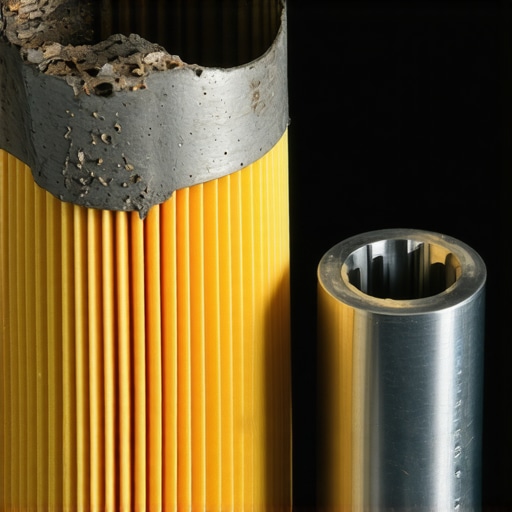
Why Overtightening is a Maintenance Death Sentence
The most common reason for a seized component is the ‘more is better’ fallacy regarding torque. Many enthusiasts believe that an extra half-turn provides insurance against leaks, but in reality, it crushes the elastomer gasket beyond its recovery point. Under the extreme operating temperatures of a modern internal combustion engine, this compressed rubber undergoes a process called thermal set, effectively becoming part of the mating surface. This is why manufacturers specify ‘hand tight’—usually defined as three-quarters of a turn after the gasket touches the base. If you find yourself frequently battling over-torqued parts, ensuring you know how to reset your oil life monitor on any car is only the first step in correcting a history of improper maintenance habits.
Does extreme heat bonding signal an impending oil cooler failure?
A filter that feels ‘welded’ to the engine block is often a symptom of excessive localized heat, which can indicate that the oil cooling system is underperforming. In vehicles equipped with an oil-to-coolant heat exchanger, a restriction in the coolant flow can cause the oil filter housing to reach temperatures that far exceed the design limits of the rubber gasket. According to technical data from the Car Care Council, internal cooling system scale buildup is a silent killer of engine seals. This sustained high-heat environment doesn’t just bake the oil filter; it can also cook the sensitive electronics nearby, potentially damaging the one sensor that ruins your gas mileage without triggering a warning light. Detecting these heat-related anomalies early is the hallmark of a proactive maintenance strategy.
Tackle Other Neglected Seals Before They Fail
The frustration of a stuck oil filter should serve as a diagnostic warning for the rest of your vehicle’s critical systems. If the oil filter is seizing due to heat and neglect, it is highly likely that the transmission and cooling system seals are facing similar degradation. Moving toward a more rigorous inspection routine and choosing the right car service for seamless vehicle maintenance will ensure that every component is installed with the correct torque and lubrication. This prevents the ‘cascading failure’ effect where one neglected part leads to a series of seized fasteners and expensive shop hours. Have you discovered a unique way to loosen a stubborn bolt or filter? Share your expertise in the comments below or read our guide on transmission health for more professional tips.
Hammer and Chisel Tactics for a Shredded Canister
In the worst-case scenario, the structural integrity of the filter wall fails entirely during removal, leaving you with nothing but a circular base plate flush against the engine block. When this ‘canister shear’ occurs, standard wrenches are useless. At this stage, professional technicians transition to a cold chisel and a weighted ball-peen hammer. By identifying the small intake holes around the perimeter of the base plate, you can place the chisel tip at a 45-degree angle and apply sharp, controlled strikes. This uses impact force to shock the threads and rotate the plate counter-clockwise. It is a high-stakes maneuver; one slip can gouge the aluminum mating surface, leading to a permanent leak that no gasket can seal. This level of mechanical intervention is often the reality for vehicles that have missed multiple car service intervals.
Harness the Chemistry of ATF and Acetone to Free Stuck Threads
When physical leverage reaches its limit, chemical intervention becomes the most logical path forward. While off-the-shelf penetrating oils are convenient, many master mechanics swear by a 50/50 mixture of Automatic Transmission Fluid (ATF) and acetone. According to technical evaluations published by Machinery Lubrication, this custom concoction often exhibits superior capillary action compared to standard aerosol sprays, allowing it to wick into the microscopic gaps between the threads and the vulcanized rubber. Applying this mixture and allowing it to sit for several hours—or even overnight—can chemically soften the bond. #IMAGE_PLACE_HOLDER_C# This approach is particularly effective when dealing with filters that have been in place for years, common in ‘barn find’ restorations or neglected fleet vehicles where vehicle diagnostics show long-term thermal cycling.
Will a stuck filter eventually cause a total loss of oil pressure?
While the filter being physically stuck doesn’t directly drop oil pressure, the conditions that caused it to seize—specifically sludge buildup and extreme heat—are precursors to oil starvation. If a filter is so old that the gasket has vulcanized to the block, the internal filtration media is likely completely bypassed. Most modern filters include a bypass valve designed to open when the media is restricted, ensuring the engine still receives lubrication, albeit unfiltered. However, if this valve fails or the sludge density becomes too high, the resulting pressure drop can trigger a catastrophic engine failure. This is why proactive maintenance should always include a visual inspection of the filter’s exterior for signs of rust or heat-related discoloration. If you find yourself in this situation, it may be time to check your car’s oil level and quality immediately.
Watch for Galvanic Corrosion in Modern Aluminum Housings
In many late-model engines, the oil filter mounting stud is steel while the housing or block is a cast aluminum alloy. This creates a prime environment for galvanic corrosion, where two dissimilar metals react in the presence of moisture and heat. Over time, the threads can practically weld together through an electrochemical bond. To prevent this, some technicians apply a light coat of lubricant to the mounting stud, though this must be done carefully to avoid unintentional overtightening. If you’re dealing with an aluminum housing, the risk of stripping threads is significantly higher, making precision more important than raw force. Detecting these signs early can save you from a complete housing replacement, so pay attention to any weeping around the filter base that might suggest a compromised seal.
Prepare for the Mess When the Gasket Finally Breaks
Once you finally feel that ‘crack’ of the seal breaking, be prepared for a sudden release of pressurized or trapped oil. In a seized filter scenario, the internal check valves may have failed, meaning the entire contents of the filter—and potentially a portion of the oil gallery—will drain immediately. Positioning a wide-diameter catch pan and having industrial-grade absorbent mats ready is non-negotiable. As you move toward the final stages of removal, consider how this experience should alter your long-term maintenance philosophy. It might be time to investigate why the engine is running so hot that it’s baking its own components, perhaps by looking into common signs your transmission is failing, as transmission heat often bleeds into the engine’s cooling circuit through shared radiators…
Beyond the immediate mess of a successful extraction, the structural integrity of the filter itself plays a decisive role in whether a removal succeeds or descends into a multi-hour ordeal. Budget-grade filters often utilize a lower-gauge steel for the canister wall, which lacks the torsional rigidity to withstand the force of a professional-grade claw or strap wrench. When these thin walls buckle, they create a ‘crinkle effect’ that absorbs the torque you’re trying to apply to the base plate. This is why many master technicians insist on premium, heavy-duty filters during every car service; the thicker housing acts as a stable conduit for removal tools when the time comes to break a stubborn seal.
Thin Canister Walls Sabotage Your Extraction Efforts
When a filter housing collapses under pressure, you lose the leverage needed to rotate the base. This structural failure often forces a transition to more aggressive top auto repair techniques, such as the destructive screwdriver method or the use of a pipe wrench on the filter’s thicker base rim. To avoid this, technicians performing car service for seamless vehicle maintenance prioritize filters with reinforced end-caps. These premium units are designed to maintain their shape even when subject to the extreme PSI required to overcome a vulcanized gasket bond, ensuring that every ounce of force is transferred directly to the threads rather than deforming the steel shell.
Run the Threads to Find Hidden Damage
After the seized filter is finally off, the mounting stud requires a forensic inspection. In many modern engines, the interface between a steel stud and an aluminum block is susceptible to thread galling—a form of wear caused by adhesion between sliding surfaces. If you notice shiny metal flakes or ‘ragged’ thread peaks, the mechanical bond has likely pulled material away from the engine block. According to the engineering standards set by ASTM International, even minor thread deformation can significantly alter the torque-tension relationship, leading to a filter that either vibrates loose or cross-threads during the next installation. This is a critical step in advanced vehicle diagnostics that DIYers often overlook, as installing a new component on damaged threads guarantees a failure in the next service cycle. 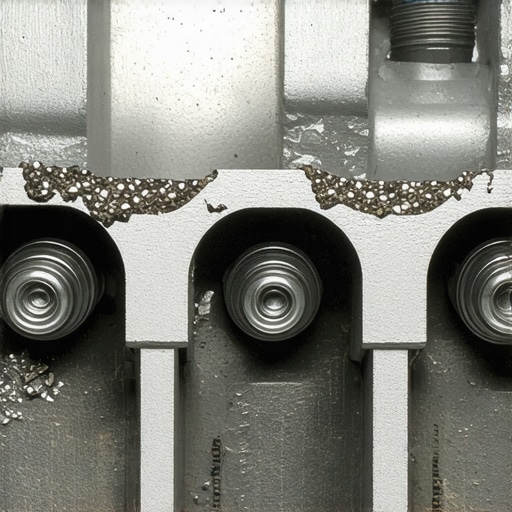
Can high-mileage oil additives actually increase the risk of a seized gasket?
Yes, though the relationship is indirect. High-mileage oils contain seal-swelling agents designed to rejuvenate old, shrinking gaskets. While beneficial for preventing external leaks, these chemicals can cause the oil filter’s rubber gasket to expand more aggressively against the mating surface. When combined with long oil change intervals, the elastomer can conform so tightly to the microscopic pits in the metal that it creates a nearly unbreakable mechanical lock. This makes knowing the secret to removing a stuck oil filter even more valuable for owners of older vehicles who rely on these specialized lubricants to maintain engine compression.
Vibrational Shock Breaks the Bond Without Heat
Sometimes, raw force is less effective than high-frequency vibration. Using a pneumatic air hammer with a blunt attachment against the filter’s reinforced base plate can send microscopic shockwaves through the threads. This ‘vibrational shock’ disrupts the surface tension of the oil and the chemical bond of the vulcanized rubber without the risk of melting nearby plastic components with a torch. This is a nuanced skill in auto repair that separates the experts from the amateurs. When applying penetrating fluids during this process, the angle of the vehicle can play a role; utilizing gravity by tilting the vehicle slightly toward the filter side can encourage the fluid to pool around the gasket, significantly increasing the effectiveness of your capillary-action chemicals.
The Torque-to-Yield Philosophy for Leak-Free Seals
Professional mechanics move beyond simple ‘hand-tightening’ by applying a torque-to-yield mentality to every seal. This involves ensuring the mating surface is surgically clean—free of any remnants from the previous gasket—and applying a precise film of fresh oil to the new seal. This lubrication acts as a barrier against the chemical bonding and galvanic corrosion discussed earlier. If you are struggling with recurring seized components, it might be a symptom of broader cooling issues; check the common signs your transmission is failing to see if shared thermal loads are pushing your engine temperatures into the ‘baking’ zone. Ready to level up your garage skills? Explore our latest deep-dive into advanced fluid dynamics to ensure every part of your vehicle stays as mobile as the day it left the factory.
Expert Insights & Advanced Considerations
Check for the Treacherous Double-Gasket Seal
One of the most frequent causes of a secondary seizure or a catastrophic oil leak is the ‘orphaned gasket.’ When a filter is removed under high heat, the rubber seal can stick to the engine block rather than coming off with the canister. If you spin a new filter onto that old, hardened rubber, you create a faulty seal that will eventually bake into a single, inseparable mass. Always verify the mounting surface is bare metal as part of your vehicle diagnostics routine before proceeding.
Why Fluorocarbon Gaskets Outperform Standard Rubber
Standard nitrile rubber gaskets have a lower thermal threshold compared to premium fluorocarbon (FKM) alternatives. In high-performance or heavy-duty applications, a standard gasket undergoes accelerated vulcanization, effectively gluing the filter to the housing. Moving to high-tier filtration options is a core component of expert auto repair tips for 2025 that prevent future maintenance nightmares.
Stop Using Generic Strap Wrenches on Thin-Walled Filters
Generic strap wrenches often apply uneven radial pressure, which crushes the thin steel of modern filters and makes removal nearly impossible once the canister loses its shape. Using a fluted cup-style socket allows for a 360-degree distribution of torque. If you encounter a filter that has already been deformed, transitioning to a large pipe wrench at the very base—where the steel is thickest—is the only way to apply the necessary force without further shredding the component. This is a vital skill when you need to extract a broken bolt or component without panic. [image_placeholder_1]
Curated Expert Resources
Machinery Lubrication Technical Archive: This resource provides deep dives into the chemical interactions between elastomers and synthetic lubricants, helping you understand why specific seals fail under thermal stress.
SAE International Standards: For those who want to understand the exact pressure ratings and material specifications required for modern filtration systems, the SAE technical papers offer the highest level of engineering data.
ASE Master Technician Training Modules: These professional guides offer field-tested strategies for overcoming mechanical stiction in high-clearance and limited-access engine bays, perfecting your top auto repair techniques.
Final Expert Perspective
Managing a seized oil filter requires a blend of mechanical physics, chemical intervention, and professional-grade patience. By shifting from raw force to precision tools like fluted sockets and leveraging the capillary action of ATF-acetone mixtures, you protect the engine block from permanent damage. Every difficult extraction is an opportunity to refine your approach to car service and ensure that future maintenance is performed with the correct lubrication and torque specifications. Whether you are dealing with a routine change or a complex repair, maintaining the integrity of every seal is paramount. Have you refined your own specialized method for dealing with vulcanized gaskets? Join our community of experts to discuss the latest in proven repairs and share your insights on keeping modern engines running at peak efficiency.