The interplay between thermal expansion and hydraulic pressure defines the operational limits of any automatic transmission. When a vehicle experiences a ‘slip’—a momentary loss of power delivery during gear changes—specifically during the initial operating minutes, it signals a failure in the system’s mechanical tolerances or fluid integrity. This intermittent behavior is rarely a fluke; it is a diagnostic window into the aging process of internal components that are struggling to compensate for the physics of cold temperature. Transmissions function as the mechanical nexus of a vehicle’s powertrain, operating within a highly sensitive ecosystem where temperature dictates fluid dynamics.
Why Thermal Expansion Causes Morning Sickness in High-Mileage Transmissions
In the specialized world of transmission failures, the temperature-sensitive slip is most frequently attributed to hardened lip seals. These rubber components are responsible for maintaining hydraulic pressure within the clutch drums. As a transmission ages, these seals lose their pliability due to repeated heat cycles. When the ambient temperature is low, the rubber remains stiff and fails to create a perfect seal against the metal piston. This allows high-pressure fluid to bypass the piston, resulting in insufficient clamping force on the clutch packs.
As the vehicle reaches operating temperature, the rubber seals absorb heat, regain their elasticity, and expand to seal the gap. This is why the car may drive perfectly after ten minutes of operation. However, ignoring this ‘morning sickness’ eventually leads to glazed clutches, as the friction material burns during those few minutes of slippage. This professional-level diagnostic scenario highlights why cold-start behavior is a critical data point in any vehicle diagnostics procedure.
Can a restricted filter simulate a failing seal during cold starts?
Absolutely. While many technicians jump to the conclusion of internal seal failure, a restricted transmission filter can produce identical symptoms. Transmission fluid is significantly more viscous (thicker) when cold. A filter that is nearing the end of its service life may allow ‘thin’ hot fluid to pass through with ease but create a massive pressure drop when trying to pull ‘thick’ cold fluid into the pump. This starvation of the hydraulic circuit leads to low line pressure and subsequent slipping. Professional diagnostics often begin with a line pressure test to differentiate between pump starvation and internal seal leakage, preventing unnecessary and costly overhauls.
Fluid Viscosity and the Dangers of Hydraulic Starvation
The chemical stability of transmission fluid is paramount for consistent shifting. According to technical standards maintained by SAE International, the viscosity index of the fluid determines its ability to flow across a wide temperature range. Over time, heat cycles break down the long-chain polymers in the fluid, causing it to lose its ‘multi-grade’ properties. Degraded fluid may become too thick at low temperatures, causing delayed engagement in the valve body. This delay is often mistaken for a mechanical slip when it is actually a hydraulic timing issue within the valve body’s intricate galleries.
Regular auto repair strategies should always include a fluid analysis. If the fluid smells burnt or appears dark, the slipping has likely already caused permanent damage to the friction plates. Identifying these issues early can be the difference between a minor service and a multi-thousand-dollar rebuild. If you are noticing a delay when shifting gears before the car warms up, you should prioritize a professional inspection. You can learn more about how to check your transmission fluid level without a dipstick to ensure the issue isn’t simply a low fluid condition caused by a slow leak before visiting a specialist.
Electronic Control Failures That Mimic Mechanical Wear
Modern transmissions rely heavily on Electronic Pressure Control (EPC) solenoids to regulate the hydraulic force applied to clutch packs. When these solenoids age, the internal coil resistance can fluctuate based on temperature. In cold environments, a weak solenoid might struggle to overcome the higher viscosity of the fluid, leading to a sluggish response or a ‘soft’ slip. This is frequently misdiagnosed as a hardware failure when it is actually an electro-hydraulic bottleneck. Utilizing the $20 scan tool that actually finds hidden transmission codes can reveal P07xx series codes that don’t always trigger a Check Engine Light but provide evidence of solenoid performance issues during warm-up cycles.
The interaction between the Transmission Control Module (TCM) and these solenoids is governed by adaptive learning software. As internal components wear, the TCM adjusts shift timing to compensate for the lag. However, when the fluid is cold and thick, these adaptations can reach their ‘limit,’ causing the vehicle to hunt for gears or slip until the fluid thins out. This highlights the danger of the industry-wide push toward ‘sealed’ units. You must realize the truth about lifetime transmission fluid: why it is a lie, especially in climates with extreme temperature swings where fluid shear happens at an accelerated rate.
Does Your Transmission Really Need a Rebuild or Just a Software Update?
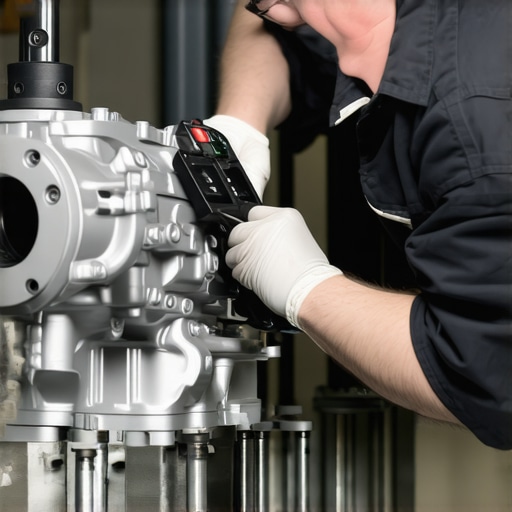
Technicians often encounter ‘phantom’ slips caused by corrupted adaptive memory or outdated TCM calibrations. In many high-mileage vehicles, the transmission’s logic may be trying to apply ‘hot’ shifting parameters to a ‘cold’ mechanical state. Resetting these adaptations via a professional-grade scan tool can sometimes solve intermittent slipping without cracking the case open. If the slip persists only when transitioning between specific gears, such as Reverse to Drive, you should look into fixing the common delay when shifting from reverse to drive as a targeted hydraulic fix rather than a full system overhaul.
The Structural Fatigue of Modern Valve Bodies
Beyond solenoids, the physical channels of the valve body are prone to wear. Most modern valve bodies are cast from aluminum, while the valves themselves are steel. Over hundreds of thousands of cycles, the harder steel valves can ‘bore out’ the aluminum galleries, creating internal cross-leaks. These leaks are most prominent when the fluid is cold because the pressure required to move the valves is at its highest. This wear can result in the hidden reason your automatic transmission hesitates on hills, where the system cannot maintain the necessary line pressure under load.
According to the technical bulletins from the Automatic Transmission Rebuilders Association (ATRA), vacuum testing valve bodies is the only definitive way to confirm these internal leaks before they lead to catastrophic clutch burn-out. Expert builders often use oversized valves and reaming kits to restore the hydraulic integrity of the unit, a process much more cost-effective than a total replacement. If you’ve noticed your car only acts up on freezing mornings or behaves erratically under specific loads, share your vehicle’s make and mileage in the comments; identifying specific patterns is the first step toward a precise and affordable repair. For those concerned about general maintenance to prevent these issues, reading up on choosing the right car service for seamless vehicle maintenance can help you find a shop equipped for these high-level diagnostics.
When the Torque Converter Refuses to Lock Up
The torque converter serves as the bridge between the engine’s rotational force and the transmission’s input shaft, but it is also a significant generator of internal heat. Within this component lies the Torque Converter Clutch (TCC), a friction-lined disc designed to mechanically lock the engine to the transmission for 1:1 efficiency at cruising speeds. When the hydraulic circuit responsible for TCC application fails—often due to a worn TCC regulator valve in the valve body—the clutch may partially engage and then release. This cycling creates a localized heat spike that can exceed 350°F in seconds, drastically thinning the fluid and inducing a slip that feels like a rhythmic tugging or a sudden loss of RPM stability. 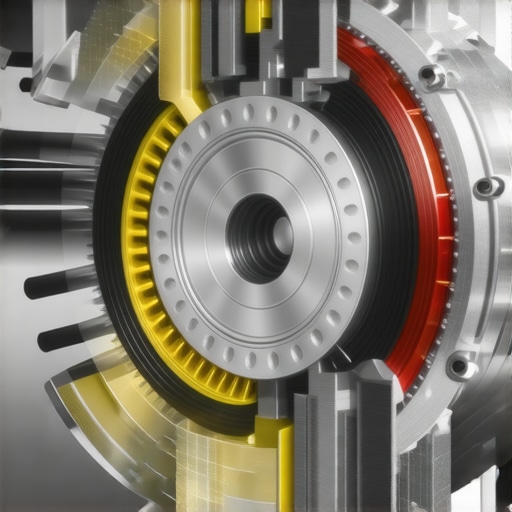
How do I tell if the vibration is a torque converter shudder or a mechanical slip?
Distinguishing between these two can be the difference between a simple fluid swap and a full rebuild. A torque converter shudder typically feels like you are driving over a rumble strip for a few seconds, usually occurring between 35 and 50 MPH during a light-throttle acceleration or when the TCC is attempting to lock. Conversely, a mechanical gear slip involves a sudden rise in engine RPM without an increase in vehicle speed, often accompanied by a harsh ‘clunk’ as the gear finally catches. If you’re experiencing that ‘rumble strip’ sensation, it’s vital to check for fluid contamination immediately, as moisture is the primary enemy of TCC friction material.
Stop the Strawberry Milkshake of Death Before It Starts
In many modern vehicles, the transmission fluid is cooled by a heat exchanger integrated into the engine’s radiator. While efficient, this design introduces a catastrophic failure point: internal wall fatigue. If the barrier between the engine coolant and the ATF (Automatic Transmission Fluid) breaches, the coolant enters the transmission, creating a pink, frothy emulsion often called the ‘strawberry milkshake.’ This is not just a leak; it is a chemical attack. The water in the coolant dissolves the water-soluble glues that hold the friction material to the clutch plates. According to the technical archives of the Automatic Transmission Service Group (ATSG), even a small amount of coolant can destroy a transmission’s internal linings within miles of exposure. If you notice your coolant level dropping without an external leak, you must inspect your transmission fluid immediately.
The Molecular Battle Inside Your Friction Plates
Beyond simple hydraulics, the chemistry of the ATF itself plays a decisive role in preventing slips. Friction modifiers are polar molecules added to the fluid that ‘stick’ to the metal and friction surfaces to manage the transition from static to dynamic friction. As fluid ages, these molecules break down, leading to ‘stick-slip’ conditions where the clutch plates grab and release inconsistently. This molecular depletion is why even ‘clean’ looking fluid might be failing at a chemical level. If you’ve noticed a change in how your car handles gear transitions during high-load scenarios like towing, the friction modifiers in your current fluid may have reached their thermal limit. Share your specific symptoms—like whether the slip happens on uphill climbs or flat roads—so we can pinpoint if it’s a chemical breakdown or a mechanical pressure loss. The way the friction material interacts with the steel reaction plates is dependent on…the microscopic topography of the metal surface and the fluid’s ability to maintain a stable boundary layer. Over extended service intervals, the steel plates undergo a process known as surface glazing. This occurs when the intense heat of a momentary slip alters the metal’s molecular structure, creating a mirror-like finish that lacks the necessary “tooth” for the friction material to grab. When this happens, even the highest quality fluid cannot restore the factory-spec engagement feel, because the mechanical interface itself has been chemically and physically compromised.
When Smooth Steel Becomes Abrasive: The Micro-Pitting Trap
In addition to glazing, high-mileage units often suffer from micro-pitting—a phenomenon where tiny craters form on the steel reaction plates due to fatigue and the presence of microscopic debris. According to the Society of Tribologists and Lubrication Engineers (STLE), these surface irregularities disrupt the hydro-dynamic film, leading to localized “hot spots” during gear transitions. These hot spots eventually cook the fluid trapped between the plates, leading to the localized varnish that plagues many modern 6-speed and 8-speed units. If your vehicle feels like it is “stuttering” during a shift rather than sliding, you are likely feeling the friction material struggling against a compromised steel surface.

Can a malfunctioning engine sensor trick you into an unnecessary rebuild?
Surprisingly, yes. The Transmission Control Module (TCM) does not operate in a vacuum; it relies on the engine’s “torque demand” signals to calculate line pressure. If a Mass Airflow (MAF) sensor is dirty or a Throttle Position Sensor (TPS) is sending “noisy” data, the TCM may underestimate the engine’s power output. This results in the transmission applying insufficient hydraulic pressure for the actual load, leading to a “ghost slip.” Before authorizing a multi-thousand-dollar transmission repair, an expert technician should always verify that the engine’s load-calculating sensors are reporting accurate data via a high-speed data logger.
Don’t Ignore the Hidden Accumulators Cushioning Your Gear Changes
Inside the transmission’s mechanical anatomy, accumulator pistons act as the critical buffer between a rapid pressure surge and a smooth gear engagement. These small, spring-loaded components absorb the “shock” of the hydraulic fluid as it moves to apply a clutch pack. As the rubber o-rings on these pistons harden or the internal bores become scored, the accumulator can no longer modulate the pressure spike. This leads to a binary shift experience: either the shift is “bang-hard,” which risks snapping internal hard parts, or it is “flare-soft,” where the engine races because the pressure rose too slowly. In specialized vehicle diagnostics, vacuum-testing these accumulator bores is a standard procedure to ensure the hydraulic circuit isn’t bleeding out pressure before it even reaches the clutches.
Stop Guessing and Start Logging
The complexity of modern drive-by-wire systems means that a slip is rarely just a slip—it is the end result of a complex calculation gone wrong. If your vehicle is displaying erratic behavior only during specific throttle percentages or at certain altitudes, the issue might be rooted in the adaptive shift logic failing to reconcile environmental variables with mechanical wear. This is why a simple fluid change, while beneficial, is often only part of the solution. You need a technician who understands the interplay between the CAN-bus network and hydraulic line pressure. What specific year and model are you driving? Drop it in the comments below so we can look up the latest Technical Service Bulletins (TSBs) for your specific drivetrain. Getting ahead of these technical nuances is the cornerstone of professional-grade auto repair that saves you money in the long run.
The Structural Impact of Constant Overheating on Planetary Gear Sets
While we often focus on clutches and fluids, the mechanical heart of the transmission—the planetary gear sets—can also suffer from the physics of thermal expansion. When a transmission slips, the friction creates immense localized heat that radiates into the sun and ring gears. If this heat is not dissipated, the gear teeth themselves can undergo tempering changes, becoming brittle and prone to shattering under load. This is the “point of no return” in transmission failure. Once the planetary set is compromised, the metal shards will circulate through the entire hydraulic system, turning the valve body into a sandpaper-lined maze of stuck valves. Monitoring your transmission temperature through a dedicated gauge or OBDII interface is the only way to ensure you aren’t inadvertently cooking the very gears that move your vehicle.
Expert Insights & Advanced Considerations
Adaptive Logic Can Mask Major Internal Leaks
Modern Transmission Control Modules (TCMs) are designed to compensate for mechanical wear by adjusting shift timing and line pressure. This adaptive capability often hides significant internal leaks until the physical limits of the system are exceeded. By the time a driver notices a slip, the clutches may have been under-pressurized for thousands of miles. This is why utilizing the $20 scan tool that actually finds hidden transmission codes is vital; it allows you to see the adaptation values that signal impending failure before the car becomes undrivable. #IMAGE_PLACEHOLDER_E#
Why Bench Tests Give False Confidence
Electronic solenoids frequently pass resistance tests on the workbench but fail under actual driving conditions. Heat-induced resistance fluctuations occur as the internal coil expands, a variable that is impossible to replicate with a standard multimeter at room temperature. For specialized cases like why your transmission shifts hard only between second and third, the fault often lies in a solenoid that loses magnetic force only after reaching a specific thermal threshold.
Thermal Shock Risks During Rapid Warm-Ups
Aggressive driving immediately after a cold start forces high-viscosity fluid through narrow valve body galleries at extreme pressures. This can lead to “thermal shock,” where the aluminum casing expands at a different rate than the steel valves, potentially causing them to bind or score the bores. Professional transmission failures analysis often reveals this as the root cause of erratic shifting in high-performance or heavy-duty applications.
Essential Resources for Professional Technicians
SAE International Technical Papers: These documents provide the definitive chemical benchmarks for fluid shear stability and viscosity indexing, essential for understanding how ATF performs at sub-zero temperatures. The ATRA Technical Library: A massive repository of Technical Service Bulletins (TSBs) that track specific pattern failures across various manufacturers. ATSG Service Manuals: These are the “bibles” of transmission repair, offering the high-resolution hydraulic circuit maps needed to diagnose internal cross-leaks without guessing.
The Final Word on Restoring Shift Quality
Managing high-mileage drivetrains requires a transition from reactive repairs to predictive diagnostics. Whether you are dealing with cold-start “morning sickness” or high-load slipping, the solution involves balancing the chemistry of the fluid with the integrity of the hydraulic seals. Addressing these complex transmission failures early is the only way to avoid the astronomical costs of a total rebuild. When looking for help, choosing the right car service for seamless vehicle maintenance ensures you find a technician who relies on data logs rather than just “feeling” the shift. What has been your experience with cold-start shifts? Share your vehicle’s history in the comments for a peer review of your symptoms.