Seized Calipers Are Often a Symptom of Neglected Fluid Chemistry
A seized brake caliper represents more than just a mechanical binding; it is typically the culmination of hydraulic neglect and metallurgical degradation. In the realm of advanced vehicle diagnostics, identifying a sticking piston or slide pin requires an analytical approach to thermal signatures and pedal feedback. Often, the root cause lies in the hygroscopic nature of glycol-based brake fluid, which absorbs moisture over time, leading to internal corrosion of the caliper bore. This oxidation creates a frictional barrier that the master cylinder’s pressure eventually cannot overcome. Before jumping to a total replacement, an expert evaluates the surface integrity of the piston and the elasticity of the square-cut seal.
Can You Salvage a Piston That Refuses to Budge?
When a piston is frozen deep within its bore, the temptation is to use brute force. However, hydraulic pressure is your most precise tool. By utilizing the vehicle’s own braking system—while the caliper is removed from the bracket but still connected to the line—one can often pump the piston out just far enough to break the stiction. If you notice that your brake pads are wearing unevenly on one side, it is a definitive sign that the caliper’s lateral movement is compromised. Research from the Society of Automotive Engineers (SAE) emphasizes that even microscopic pitting on the piston surface can lead to recurring failure, so a thorough inspection with high-magnification light is non-negotiable during the cleaning process.
Thermal Shock and Chemical Penetrants as a Last Resort
For slide pins that have effectively welded themselves to the carrier due to galvanic corrosion, a strategic application of heat is often required. By using an oxy-acetylene torch or an induction heater, the technician expands the surrounding metal, allowing high-grade penetrants to wick into the threads. This is a delicate balance; excessive heat can temper the metal or melt the rubber boots, necessitating a full rebuild kit. Unlike transmission failures, which often involve complex planetary gear logic, brake caliper issues are largely atmospheric and structural. Once free, the use of high-temperature silicone-based grease is imperative to prevent future seize-ups. For more specialized maintenance insights, explore these top auto repair techniques every car owner should know to keep your braking system in peak condition.
Does the Age of the Brake Hose Contribute to Caliper Seizing?
In many instances, an internally collapsed hose acts as a one-way valve, holding pressure against the piston and mimicking a mechanical seize. Testing this involves crack-opening the bleeder screw; if the wheel suddenly spins freely, the fault lies in the hose, not the caliper. This distinction is vital for accurate car service and cost management. If you are struggling with a persistent braking issue, consider contributing your experience to our professional community or seeking a deeper technical analysis of your vehicle’s specific hydraulic architecture.
Stop the Binding Before It Starts: The Abutment Clip Factor
Beyond the internal hydraulic failures discussed previously, external environmental factors like ‘rust jacking’ play a devastating role in caliper stagnation. This phenomenon occurs when iron oxide builds up beneath the stainless steel abutment clips, physically pinching the brake pad ears and preventing them from retracting after the pedal is released. While many enthusiasts focus solely on the piston, a seasoned technician knows that the bracket surface requires equal attention. Utilizing the best way to remove rust from your brake rotors and brackets is essential to restore the sliding clearance necessary for operation. If the pads cannot move freely within the carrier, the resulting heat will eventually cook the caliper seals, leading to the very internal seize-ups we aim to avoid.
Is Your ABS Unit Holding Your Caliper Hostage?
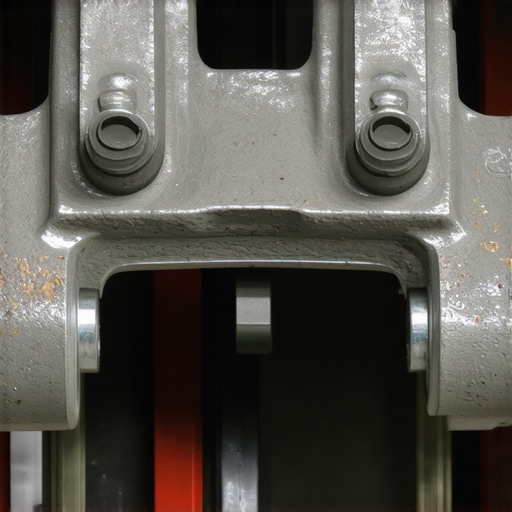
In some complex diagnostic scenarios, the caliper is perfectly healthy, yet the brake remains applied. This ‘ghost sticking’ can often be traced back to the Anti-lock Braking System (ABS) modulator valve block. If an internal solenoid becomes stuck or if debris enters the valve body, it can trap high-pressure fluid in a specific line, effectively keeping the caliper engaged even when your foot is off the pedal. This is particularly common in vehicles where the fluid has darkened and degraded. According to technical documentation from the National Highway Traffic Safety Administration (NHTSA), contaminated brake fluid is a primary contributor to ABS component stiction, which can lead to unpredictable braking behavior. If you find that your abs light comes on every time it rains, it may indicate a vulnerability in the electrical or hydraulic circuit that warrants immediate investigation into the module’s state.
How Electronic Parking Brakes Rewrite the Rules of Service
The advent of the Electronic Parking Brake (EPB) has added a layer of digital complexity to traditional hardware. Unlike older systems that used a simple cable, modern rear calipers often house an integrated electric motor that winds the piston out. Attempting to force these pistons back with a C-clamp without putting the vehicle into ‘Service Mode’ will result in catastrophic failure of the internal drive gear. This transition highlights why choosing the right car service for seamless vehicle maintenance is now a matter of software compatibility as much as mechanical skill. When these motors fail, they can lock the caliper in the ‘on’ position, necessitating a scan tool to retract the actuator before any physical work can begin. For those performing a quick inspection at home, knowing how to check your own brake pads without taking the wheels off can help you spot the early signs of EPB drag—such as excessive dust or a distinct burning smell—before the motor burns out completely.
The Critical Role of Bleeding Sequence in Restoring Pressure
Once a caliper has been serviced or replaced, the restoration of the hydraulic column is the final hurdle. Air trapped in the lines doesn’t just cause a soft pedal; it can lead to uneven pressure distribution that stresses the new seals. If you find that your brake pedal feels spongy after bleeding the lines, you may have air caught in the high points of the ABS pump or the master cylinder. Achieving a firm, reliable stop requires a methodical approach, often involving a pressure bleeder to ensure every pocket of air is purged. Discover the secret to getting a perfect brake pedal every time by focusing on the secondary circuits that many DIYers overlook. Have you ever encountered a brake pull that defied logic? Share your most challenging diagnostic stories in the comments below or reach out to our team for a technical consult on your specific vehicle make.
Pick the Right Piston Material to Fight Off Corrosion
While steel pistons have long been the industry standard due to their structural rigidity, they are notoriously susceptible to the oxidation and pitting that eventually leads to a total mechanical seizure. To combat this, many modern manufacturers have transitioned to phenolic pistons—a thermosetting plastic composite reinforced with fibers. These components are entirely immune to rust, meaning they will never weld themselves to the caliper bore. However, phenolic pistons introduce a different set of challenges: they are brittle and sensitive to improper handling. An amateur technician using a high-pressure C-clamp without a discarded pad to distribute the load can easily crack the piston face, leading to a slow hydraulic leak. Furthermore, because phenolic material acts as a thermal insulator, it keeps heat out of the brake fluid but subjects the brake pads to higher operating temperatures. If you are noticing accelerated pad wear or glazing on a vehicle equipped with these composite pistons, you may need to upgrade to a pad compound with a higher thermal threshold to compensate for the lack of heat dissipation through the caliper body.
How Does Hub Runout Mimic a Seized Caliper?
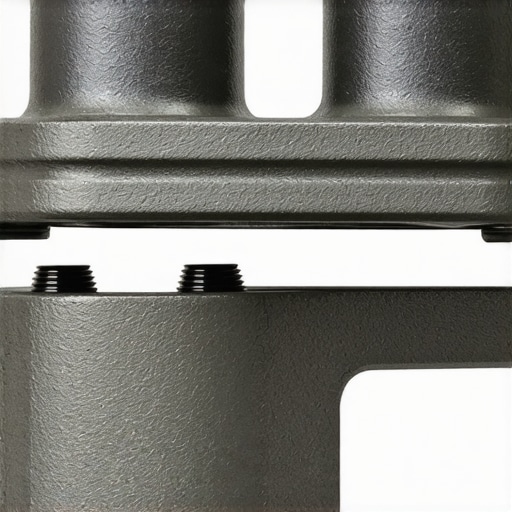
Diagnostic confusion often arises when a driver reports a ‘soft’ or ‘long’ brake pedal that momentarily resolves after a few quick pumps. This is frequently not a hydraulic failure at all, but rather the result of excessive hub runout. If the wheel bearing has developed even a marginal amount of play, the rotor no longer spins perfectly perpendicular to the caliper. As you drive, the oscillating rotor physically strikes the brake pads, pushing the pistons back into their housings. This creates an abnormally large gap that must be overcome during the next braking event. Technical data from Brembo indicates that ‘piston knockback’ is a leading cause of inconsistent pedal feel in performance vehicles and can be easily misdiagnosed as a seized sliding pin or a failing master cylinder. Before you assume the caliper is the culprit, use a dial indicator to check the lateral runout of the rotor; a reading exceeding 0.002 inches is often enough to disrupt the delicate balance of the square-cut retraction seals.
Don’t Mix Mineral Oil and Glycol if You Value Your Seals
The chemical stability of your braking system relies on a very specific molecular harmony that is easily disrupted by improper fluid choice. Most automotive systems utilize glycol-based fluids like DOT 4 or 5.1, but certain high-performance European makes or heavy-duty systems utilize mineral oil. Introducing even a trace amount of mineral oil into a glycol system—or vice versa—will cause every rubber seal in the caliper and master cylinder to swell and disintegrate within hours. This leads to a catastrophic system seizure where the pistons cannot move because the seals have expanded beyond their tolerances. When performing a vehicle diagnostics check on a car with a rock-hard pedal that won’t release, checking the fluid for ‘layering’ or a strange, petroleum-like odor is a critical first step. The Federal Motor Carrier Safety Administration (FMCSA) has noted that fluid contamination is often the result of using ‘dirty’ funnels that previously held power steering fluid, which is lethal to the EPDM rubber used in brake systems.
Beat the Heat with Esters and Synthetic Polyalkylene Glycols
For those pushing their vehicles to the limit, standard fluid is often insufficient to prevent the onset of brake fade. High-performance braking scenarios demand fluids with higher ‘dry’ and ‘wet’ boiling points to prevent vapor lock within the caliper itself. While DOT 5.1 offers the highest performance for glycol systems, it is also the most hygroscopic, meaning it pulls moisture out of the atmosphere significantly faster than lower grades. This moisture not only lowers the boiling point but also creates an acidic environment that accelerates the internal corrosion of the caliper’s moving parts. To maintain the integrity of your freshly serviced hardware, transitioning to a high-temp synthetic fluid can provide a necessary safety margin. However, this choice requires a more disciplined maintenance schedule to ensure that moisture hasn’t turned your performance fluid into a corrosive slurry. Selecting the right lubricant for the slide pins is equally vital; using petroleum-based grease on the pins will cause the rubber dust boots to swell and tear, allowing road salt and grime to enter the critical sliding surfaces and initiate the very…
Stop Air Infiltration Without Seeing a Single Leak
One of the most insidious failures in a hydraulic system involves the ‘vacuum effect’ at the caliper seal. While most technicians expect a failing seal to manifest as a visible fluid leak, a hardened or glazed square-cut seal can act as a one-way atmospheric check valve. During the piston’s retraction phase, the seal’s lost elasticity prevents it from ‘pulling’ the piston back into the bore. Instead, the mechanical movement creates a micro-void that sucks air past the seal’s lip. This doesn’t leave a puddle on the garage floor, but it introduces localized air pockets that expand with heat, causing a firm pedal to turn into a dangerous ‘sponge’ halfway through a commute. This specific failure mode is why expert vehicle diagnostics must involve more than just a visual check for wetness; it requires an assessment of the seal’s rebound characteristics.
Why Cheap Pins Fail: The Truth About Zinc-Nickel Plating
When sourcing replacement hardware, the metallurgy of the slide pins is often overlooked in favor of price. High-quality OE (Original Equipment) pins are typically treated with a multi-stage zinc-nickel plating designed to provide galvanic isolation between the steel pin and the cast iron or aluminum bracket. Budget-grade replacements often utilize a thin, decorative chromate coating that vanishes within one winter season. Once the coating is breached, the dissimilar metals undergo an electrochemical reaction that creates ‘white rust,’ a voluminous oxide that physically expands until the pin is wedged tight. According to research published by the Car Care Council, using low-tier hardware is the leading cause of premature brake failure in salt-belt regions. Ensuring your car service provider uses corrosion-resistant components is a long-term investment in safety.
Could a Faulty Residual Pressure Valve Be Secretly Dragging Your Pads?
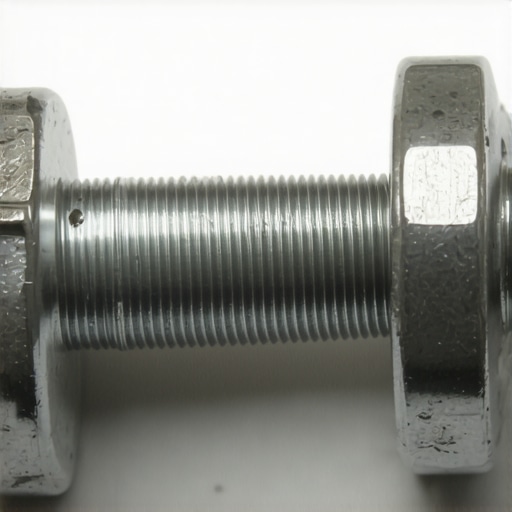
In older vehicles or custom resto-mods, a sticking brake may not be the caliper’s fault at all, but rather a malfunctioning residual pressure valve (RPV). These valves are designed to maintain a small amount of pressure (usually 2-10 PSI) in the lines to keep the seals expanded and the pads close to the rotor. If an RPV fails or if an incorrect valve is installed—such as using a 10 PSI drum valve on a disc brake circuit—the caliper will never fully release. This creates a constant, light friction that glazes the pads and overheats the hub assembly. If you find yourself frequently asking why your brake pads are wearing unevenly on one side, it is vital to check the line pressure at the master cylinder exit to rule out a mechanical blockage in the proportioning valve or RPV.
Verify the Restriction Using In-Line Pressure Testing
For the truly difficult-to-diagnose ‘ghost drag,’ a seasoned specialist will employ in-line pressure transducers. By installing a gauge at the bleeder screw, one can monitor exactly how fast the pressure drops when the pedal is released. If the pressure lingers for more than a fraction of a second, the issue is hydraulic—likely a collapsed internal hose liner or a blocked master cylinder return port. If the pressure drops instantly but the wheel remains hard to turn, the seizure is purely mechanical, centered on the piston or pins. This level of forensic testing is part of expert auto repair that saves owners from ‘parts cannon’ diagnostic spending. If you’re noticing a persistent drag despite replacing hardware, tell us about your setup in the comments—our diagnostic team loves a good hydraulic puzzle.
Expert Insights and Technical Nuance
Don’t Trust the Appearance of Clean Fluid
A common mistake in vehicle diagnostics is assuming that clear, golden brake fluid in the reservoir indicates a healthy system. Moisture typically accumulates at the lowest points—the calipers—forming a localized corrosive slurry. Testing fluid at the bleeder screw with a refractometer is the only way to confirm chemical integrity and prevent the internal pitting that leads to a seized caliper.
The Precision of the Square-Cut Seal Rebound
A caliper piston doesn’t retract via a spring; it relies on the microscopic deformation of the square-cut rubber seal. When this seal loses its elasticity due to thermal fatigue, the piston remains millimeters too far forward, causing a persistent drag. If you notice that your brake pads are wearing unevenly on one side, the failure is often in the seal’s memory, not just the piston surface.
Why Stainless Steel Abutment Clips Need More Than a Wipe
Rust jacking beneath the clips is a silent killer of brake hardware. Simply replacing the clips is insufficient; the cast iron bracket surface must be filed or ground back to bare metal to ensure the pads can slide freely. Neglecting this step often results in the new pads binding immediately, leading to common questions about why your brakes smoke after youve changed the pads.
Essential Resources for Brake Specialists
Brembo Technical Training Portal
This platform offers deep dives into piston knockback and thermal management for high-performance braking systems, providing value that goes far beyond basic car service manuals.
SAE International Brake Standards
This is the definitive source for metallurgical specifications and fluid chemistry standards, such as J1703, which dictate how modern hydraulic systems are engineered and tested.
NHTSA Recalls and Technical Bulletins
A vital tool for identifying systemic faults in specific ABS modules or caliper designs that might mimic standard wear but are actually manufacturing defects requiring specialized top auto repair techniques to solve.
The Final Word on Hydraulic Integrity
Mastering the complexities of a seized caliper requires moving past a simple parts-replacement mentality. By integrating thermal analysis, hydraulic pressure testing, and a deep awareness of fluid chemistry into your vehicle diagnostics workflow, you transform a routine repair into a long-term reliability strategy. Understanding that hardware failure is often a symptom of chemical neglect is the mark of a true specialist. If you’ve battled a brake issue that seemed to defy the laws of physics, we invite you to contact us or share your technical findings to help advance our collective understanding of modern hydraulic architecture.