Precision Extraction When Metal Fatigue Meets High-Stakes Repair
In the world of high-torque transmission maintenance and heavy-duty auto repair, few scenarios induce more immediate stress than the audible snap of a bolt head shearing off. This mechanical failure usually occurs due to hydrogen embrittlement or simple galvanic corrosion, particularly in aluminum housings where steel fasteners have remained seated for years. To the uninitiated, it looks like a ruined component; to the seasoned technician, it is a problem of physics and metallurgy. Mastering extraction requires moving beyond brute force and adopting a methodology rooted in vehicle diagnostics and material science. Successful extraction is not just about removal; it is about preserving the structural integrity of the component for the next phase of its service life.
The Critical Importance of the Perfect Center Punch
Before a single drill bit touches the steel, the center punch defines the success of the entire operation. If the pilot hole is off-center by even half a millimeter, the drill bit will eventually wander into the softer aluminum threads of the engine block or transmission case. This is a common pitfall in routine car service that turns a minor fix into a major overhaul. A heavy-duty automatic center punch should be used to create a deep divot, ensuring the subsequent drilling remains perfectly concentric. This stage of the process requires the same precision one would expect when performing the hidden world of vehicle diagnostics, where every detail matters to the final outcome.
Heat Cycles and the Expansion Gap
Before reaching for an extractor, an expert considers the coefficient of thermal expansion. Applying localized heat—ideally via an induction heater to avoid damaging nearby seals—causes the bolt and the surrounding casting to expand at different rates. This microscopic movement often breaks the bond of oxidation that acts as a chemical weld. According to engineering standards detailed by SAE International, understanding the yield strength of the fastener versus the housing is critical to prevent permanent thread deformation. This thermal shock is often the only way to free a fastener that has been seized for decades. For more complex mechanical overhauls, integrating top auto repair techniques involves knowing exactly when to stop applying torque and start applying temperature.
Trust the Left-Hand Bit Before the Easy-Out
Most novice mechanics jump straight to tapered extractors, which often expand the bolt and wedge it tighter into the hole. The professional approach utilizes high-quality left-hand cobalt drill bits. As the bit bites into the metal while spinning in reverse, the combination of friction-induced heat and rotational torque often catches the remains of the fastener and spins it right out. This technique is indispensable during delicate transmission work where space is limited. If the bolt is sheared deep within a cylinder head, using the $30 tool that lets you see inside your engine can help ensure your pilot hole is perfectly centered, preventing catastrophic damage to the parent threads.
Does Using a Welder Risk Fried Electronics?
One of the most effective ways to remove a flush-broken bolt is to weld a nut onto the remaining stud. The intense, localized heat of a MIG welder shrinks the bolt upon cooling while providing a fresh hex head for a wrench. However, the concern regarding sensitive ECUs and sensors is valid. Professionals always disconnect the battery and often use surge protectors to isolate the electrical system during this process. This level of care is essential during complex transmission troubles where electronic solenoids are nearby. Have you encountered a fastener that defied all traditional extraction methods? Share your most difficult extraction story in our professional forum to help others navigate these high-pressure moments.
Why Spraying Lubricant Isn’t Enough for Seized Threads
Many technicians waste hours soaking a fastener in penetrating oil without realizing that surface tension often prevents the fluid from reaching the deep threads. In high-stress areas like the cylinder head or exhaust manifold, the oxide bond is essentially a molecular weld. To break this, you must combine chemical application with vibrational shock. Tapping the head of the bolt with a brass hammer creates microscopic fractures in the rust, allowing the lubricant to travel via capillary action. This is the same meticulous approach required when you how to fix a leaky valve cover gasket in under an hour, where one snapped M6 bolt can turn a sixty-minute job into a weekend-long ordeal. Without that physical disruption, the oil simply sits on the surface, providing zero assistance to the extraction process.
The Nightmare of a Snapped Carbide Extractor
The most dangerous tool in an amateur’s kit is the hardened steel ‘Easy-Out.’ While designed for extraction, these tools are incredibly brittle. If you apply too much lateral torque and the extractor snaps inside the hole, you have just introduced a material that is harder than most standard drill bits. Removing a broken extractor requires specialized diamond-tipped masonry bits or even EDM (Electrical Discharge Machining) in extreme cases. Professional-grade auto repair focuses on avoidant strategies; if a bolt doesn’t move with moderate pressure using a left-hand bit, it is time to pivot to more aggressive heat or welding. For those managing complex transmission failures decoded, the risk of cracking a valve body or casing by over-torquing an extractor is a catastrophic error that outweighs the cost of the original repair.
Rebuilding Torque Integrity with Professional Thread Chasers
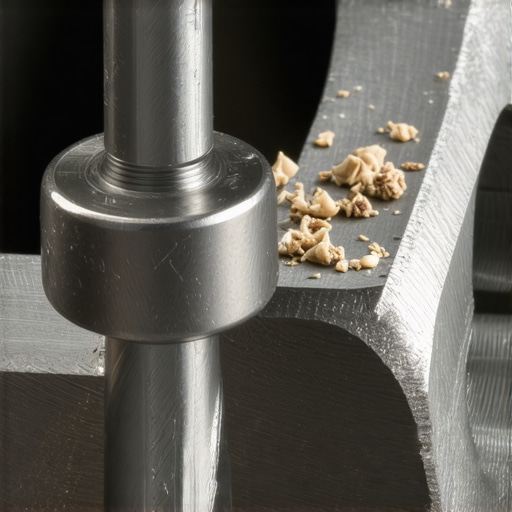
Once the offending metal is finally removed, the job isn’t finished until the parent threads are verified. Using a standard cutting tap to ‘clean’ threads is a common mistake; cutting taps remove material, which weakens the overall clamping force. Instead, an expert uses a thread chaser, which is designed to reform and burnish the existing threads without removing metal. This distinction is vital for maintaining the factory load ratings specified by ASTM International for high-tensile fasteners. If the threads are too damaged for a chaser, moving to a wire-coil insert or a solid wall bushing like a Time-Sert is the only way to ensure the component won’t fail under vibration. This level of precision is what separates a temporary fix from a long-term solution when choosing the right car service for seamless vehicle maintenance.
When Should You Abandon Extraction for a Time-Sert?
There is a point of diminishing returns where drilling and chasing will no longer provide a safe mounting surface. If the diameter of the hole has been enlarged by more than 10% during the drilling process, the structural integrity is compromised. At this stage, installing a solid stainless steel insert is actually superior to the original cast aluminum threads. This is particularly true in transmission bell housings or suspension mounting points where shear forces are constant. To prevent future galvanic corrosion, always apply a nickel-based anti-seize compound to the new fastener, ensuring that the next technician doesn’t face the same struggle. Are there specific engine blocks you find particularly prone to thread stripping? Let us know which models give you the most trouble so we can provide more targeted technical guides.
Preventing Electrical Arcing During Weld-Outs
When welding a nut onto a broken stud, the path of least resistance for the electrical current is a major concern. If the ground clamp is placed too far from the work area, the current can travel through internal bearings or sensitive sensors, causing ‘arcing’ that pits the metal. This is a silent killer in modern vehicle diagnostics because the damage isn’t visible until the component fails weeks later. Always place the ground as close to the extraction site as possible. Understanding the path of electricity is just as critical as finding the hidden ground wire that causes intermittent starting issues. By controlling the circuit, you harness the power of thermal expansion without risking the delicate electronics that govern today’s drivetrains.
Chemical Warfare Against Seized Carbon Steel
When a hardened tap or a carbide drill bit snaps off inside a bore, standard mechanical solutions often reach their limit. In these high-stakes auto repair scenarios, attempting to drill through the broken tool only results in a ruined part. The solution shifts from mechanical force to chemical precision using a solution of potassium aluminum sulfate, commonly known as alum. When mixed with water and heated, this compound creates a targeted environment that specifically attacks the iron molecules in carbon steel. This process is essentially a controlled redox reaction, slowly dissolving the broken fragment into a harmless iron-oxide slurry over the course of several hours. It is a technique favored in high-end vehicle diagnostics and restoration where the cost of replacing the entire housing far outweighs the time spent on a slow, chemical extraction.
Will Alum Dissolve a Broken Tap Without Eating the Engine?
The safety of this method rests on the unique properties of aluminum and its alloys. Aluminum naturally forms a passive oxide layer that resists the mildly acidic nature of the alum solution, effectively shielding the engine block or transmission case while the steel tap is systematically dismantled. However, this is not a universal fix; it is ineffective against stainless steel fasteners because their high chromium content prevents the same oxidative breakdown. According to metallurgical standards defined by the American Iron and Steel Institute (AISI), the success of chemical extraction is entirely dependent on the specific alloy of the broken tool. Before starting, it is vital to identify if you are dealing with high-carbon steel or a more resistant alloy to avoid wasted time. For more insights on material limitations, exploring top auto repair techniques can help you decide between a chemical or mechanical path.
Use Precision Jigs to Avoid Ruining the Block
Even the most experienced technician struggles to maintain a perfectly perpendicular angle when drilling in the cramped quarters of a transmission tunnel. A deviation of just a few degrees can cause the drill bit to breach the side of the threaded bore, leading to a permanent structural failure. This is where a dedicated drilling jig becomes indispensable. These tools bolt into existing, healthy thread holes to provide a rock-solid guide for the new pilot hole. By using a hardened steel bushing, the jig prevents the bit from ‘walking’ across the uneven surface of a broken bolt. 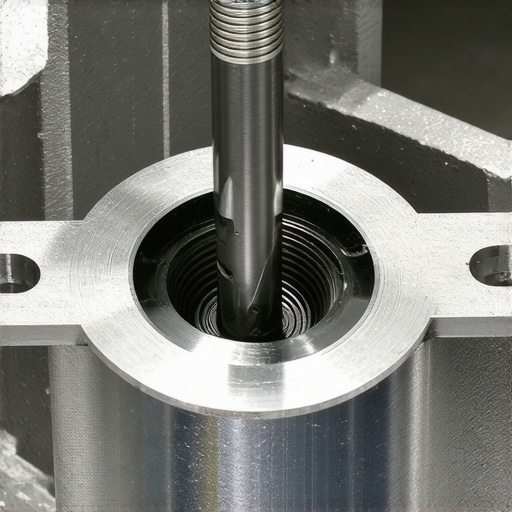 This level of accuracy is a necessity for any high-quality car service aiming for a factory-standard repair. Implementing such rigorous standards is part of choosing the right car service for seamless vehicle maintenance, as it ensures that the repair doesn’t become a weak point in the vehicle’s long-term reliability.
Stop the Cycle of Corrosion with Sacrificial Barriers
The success of an extraction is only confirmed once the new fastener is seated and torqued. However, simply replacing the bolt is not enough; you must address the root cause of the seizure. In many transmission applications, galvanic corrosion occurs when two dissimilar metals—like a steel bolt and an aluminum case—exchange ions in the presence of moisture. To prevent a repeat of the ‘frozen bolt’ nightmare, applying a nickel-based or ceramic-fortified anti-seize is mandatory. Unlike copper-based compounds, which can occasionally act as an electrolyte and worsen the bond in specific environments, nickel provides a truly inert barrier. This practice is essential during complex vehicle diagnostics where every component is subject to extreme thermal cycling. Do you have a preferred anti-seize brand that has never let you down? Share your recommendations in our community forum to help other technicians build more resilient repairs.
Vaporize Broken Carbide with Portable EDM Units
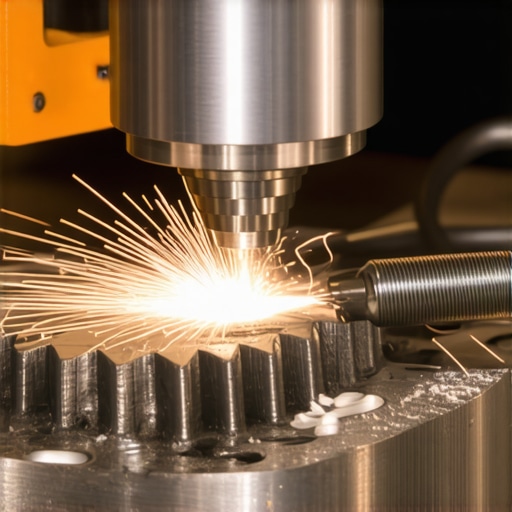
When a hardened drill bit or a cobalt extractor snaps off deep inside a transmission housing, the repair enters a realm where traditional mechanical removal is physically impossible. This is where Electrical Discharge Machining (EDM) becomes the technician’s last line of defense. Portable EDM machines work by creating a series of controlled electrical sparks that erode the metal of the broken fastener without ever touching the surrounding aluminum or cast iron. This precision is vital for vehicle diagnostics because it allows for the removal of the obstruction while maintaining the bore’s original dimensions. Unlike drilling, which generates massive heat and lateral pressure, EDM vaporizes the steel atom by atom in a dielectric fluid. Experts often turn to research from ASM International to understand the dielectric properties required to ensure the spark only targets the high-carbon steel of the broken tool, leaving the parent metal pristine.
Why Hydrogen Embrittlement Claims Even the Strongest Fasteners
In high-performance auto repair, we often see Grade 8 or 10.9 bolts fail with a clean, glass-like fracture. This phenomenon, known as hydrogen embrittlement, often occurs when high-tensile steel is exposed to corrosive environments or improper plating processes. During a standard car service, a technician might apply what should be a safe amount of torque, only to have the bolt head pop off instantly. This isn’t always a sign of over-tightening; it’s a metallurgical failure where hydrogen atoms have migrated into the crystal lattice of the steel, creating internal pressure. Recognizing this helps in vehicle diagnostics because it dictates the extraction method; these bolts are under internal stress and may shatter further if hit with a traditional center punch. Understanding the chemical history of the fastener is just as important as the physical removal process itself.
Can Ultrasonic Frequency Outperform the Oxy-Acetylene Torch?
While heat is a staple in the shop, the emerging use of ultrasonic vibration tools is changing how we approach seized transmission components. These devices use high-frequency sound waves to induce microscopic oscillations within the rusted threads. This vibration travels deeper than any penetrating oil and is more targeted than a torch, which can melt nearby plastic sensors or ruin tempered springs. By matching the resonant frequency of the seized bolt, the ultrasonic energy effectively ‘shakes’ the oxidation bond apart at a molecular level. This technique is becoming a hallmark of a modern, high-tier car service that prioritizes non-destructive entry over brute force. Have you experimented with ultrasonic cleaners or vibration-induction tools for smaller, delicate fasteners? Join our technical deep-dive in the comments to discuss the efficacy of frequency-based extraction.
Determining the Economic Point of No Return
Every expert must eventually face the hard truth: some components are beyond a field repair. In the context of auto repair, if the extraction process requires removing so much material that the wall thickness of a transmission case is compromised, the structural safety of the vehicle is at risk. This is the ‘point of no return’ where the cost of a specialist machine shop or a full component replacement becomes the only ethical path. A truly professional vehicle diagnostics report doesn’t just list the failure; it provides a cost-benefit analysis of the repair versus the replacement. Before you commit to a third day of drilling, evaluate if the labor hours spent on extraction have exceeded the price of a new casting. If you are struggling with a particularly stubborn extraction right now, reach out to our specialist team for a consultation on the latest recovery technologies available for your specific vehicle model.
Precision Extraction When Metal Fatigue Meets High-Stakes Repair
In the world of high-torque transmission maintenance and heavy-duty auto repair, few scenarios induce more immediate stress than the audible snap of a bolt head shearing off. This mechanical failure usually occurs due to hydrogen embrittlement or simple galvanic corrosion, particularly in aluminum housings where steel fasteners have remained seated for years. To the uninitiated, it looks like a ruined component; to the seasoned technician, it is a problem of physics and metallurgy. Mastering extraction requires moving beyond brute force and adopting a methodology rooted in vehicle diagnostics and material science. Successful extraction is not just about removal; it is about preserving the structural integrity of the component for the next phase of its service life.
The Critical Importance of the Perfect Center Punch
Before a single drill bit touches the steel, the center punch defines the success of the entire operation. If the pilot hole is off-center by even half a millimeter, the drill bit will eventually wander into the softer aluminum threads of the engine block or transmission case. This is a common pitfall in routine car service that turns a minor fix into a major overhaul. A heavy-duty automatic center punch should be used to create a deep divot, ensuring the subsequent drilling remains perfectly concentric. This stage of the process requires the same precision one would expect when performing the hidden world of vehicle diagnostics, where every detail matters to the final outcome.
Heat Cycles and the Expansion Gap
Before reaching for an extractor, an expert considers the coefficient of thermal expansion. Applying localized heat—ideally via an induction heater to avoid damaging nearby seals—causes the bolt and the surrounding casting to expand at different rates. This microscopic movement often breaks the bond of oxidation that acts as a chemical weld. According to engineering standards detailed by SAE International, understanding the yield strength of the fastener versus the housing is critical to prevent permanent thread deformation. This thermal shock is often the only way to free a fastener that has been seized for decades. For more complex mechanical overhauls, integrating top auto repair techniques involves knowing exactly when to stop applying torque and start applying temperature.
Trust the Left-Hand Bit Before the Easy-Out
Most novice mechanics jump straight to tapered extractors, which often expand the bolt and wedge it tighter into the hole. The professional approach utilizes high-quality left-hand cobalt drill bits. As the bit bites into the metal while spinning in reverse, the combination of friction-induced heat and rotational torque often catches the remains of the fastener and spins it right out. This technique is indispensable during delicate transmission work where space is limited. If the bolt is sheared deep within a cylinder head, using the $30 tool that lets you see inside your engine can help ensure your pilot hole is perfectly centered, preventing catastrophic damage to the parent threads.
Does Using a Welder Risk Fried Electronics?
One of the most effective ways to remove a flush-broken bolt is to weld a nut onto the remaining stud. The intense, localized heat of a MIG welder shrinks the bolt upon cooling while providing a fresh hex head for a wrench. However, the concern regarding sensitive ECUs and sensors is valid. Professionals always disconnect the battery and often use surge protectors to isolate the electrical system during this process. This level of care is essential during complex transmission troubles where electronic solenoids are nearby. Have you encountered a fastener that defied all traditional extraction methods? Share your most difficult extraction story in our professional forum to help others navigate these high-pressure moments.
Why Spraying Lubricant Isn’t Enough for Seized Threads
Many technicians waste hours soaking a fastener in penetrating oil without realizing that surface tension often prevents the fluid from reaching the deep threads. In high-stress areas like the cylinder head or exhaust manifold, the oxide bond is essentially a molecular weld. To break this, you must combine chemical application with vibrational shock. Tapping the head of the bolt with a brass hammer creates microscopic fractures in the rust, allowing the lubricant to travel via capillary action. This is the same meticulous approach required when you how to fix a leaky valve cover gasket in under an hour, where one snapped M6 bolt can turn a sixty-minute job into a weekend-long ordeal. Without that physical disruption, the oil simply sits on the surface, providing zero assistance to the extraction process.
The Nightmare of a Snapped Carbide Extractor
The most dangerous tool in an amateur’s kit is the hardened steel ‘Easy-Out.’ While designed for extraction, these tools are incredibly brittle. If you apply too much lateral torque and the extractor snaps inside the hole, you have just introduced a material that is harder than most standard drill bits. Removing a broken extractor requires specialized diamond-tipped masonry bits or even EDM (Electrical Discharge Machining) in extreme cases. Professional-grade auto repair focuses on avoidant strategies; if a bolt doesn’t move with moderate pressure using a left-hand bit, it is time to pivot to more aggressive heat or welding. For those managing complex transmission failures decoded, the risk of cracking a valve body or casing by over-torquing an extractor is a catastrophic error that outweighs the cost of the original repair.
Rebuilding Torque Integrity with Professional Thread Chasers
Once the offending metal is finally removed, the job isn’t finished until the parent threads are verified. Using a standard cutting tap to ‘clean’ threads is a common mistake; cutting taps remove material, which weakens the overall clamping force. Instead, an expert uses a thread chaser, which is designed to reform and burnish the existing threads without removing metal. This distinction is vital for maintaining the factory load ratings specified by ASTM International for high-tensile fasteners. If the threads are too damaged for a chaser, moving to a wire-coil insert or a solid wall bushing like a Time-Sert is the only way to ensure the component won’t fail under vibration. This level of precision is what separates a temporary fix from a long-term solution when choosing the right car service for seamless vehicle maintenance.
When Should You Abandon Extraction for a Time-Sert?
There is a point of diminishing returns where drilling and chasing will no longer provide a safe mounting surface. If the diameter of the hole has been enlarged by more than 10% during the drilling process, the structural integrity is compromised. At this stage, installing a solid stainless steel insert is actually superior to the original cast aluminum threads. This is particularly true in transmission bell housings or suspension mounting points where shear forces are constant. To prevent future galvanic corrosion, always apply a nickel-based anti-seize compound to the new fastener, ensuring that the next technician doesn’t face the same struggle. Are there specific engine blocks you find particularly prone to thread stripping? Let us know which models give you the most trouble so we can provide more targeted technical guides.
Preventing Electrical Arcing During Weld-Outs
When welding a nut onto a broken stud, the path of least resistance for the electrical current is a major concern. If the ground clamp is placed too far from the work area, the current can travel through internal bearings or sensitive sensors, causing ‘arcing’ that pits the metal. This is a silent killer in modern vehicle diagnostics because the damage isn’t visible until the component fails weeks later. Always place the ground as close to the extraction site as possible. Understanding the path of electricity is just as critical as finding the hidden ground wire that causes intermittent starting issues. By controlling the circuit, you harness the power of thermal expansion without risking the delicate electronics that govern today’s drivetrains.
Chemical Warfare Against Seized Carbon Steel
When a hardened tap or a carbide drill bit snaps off inside a bore, standard mechanical solutions often reach their limit. In these high-stakes auto repair scenarios, attempting to drill through the broken tool only results in a ruined part. The solution shifts from mechanical force to chemical precision using a solution of potassium aluminum sulfate, commonly known as alum. When mixed with water and heated, this compound creates a targeted environment that specifically attacks the iron molecules in carbon steel. This process is essentially a controlled redox reaction, slowly dissolving the broken fragment into a harmless iron-oxide slurry over the course of several hours. It is a technique favored in high-end vehicle diagnostics and restoration where the cost of replacing the entire housing far outweighs the time spent on a slow, chemical extraction.
Will Alum Dissolve a Broken Tap Without Eating the Engine?
The safety of this method rests on the unique properties of aluminum and its alloys. Aluminum naturally forms a passive oxide layer that resists the mildly acidic nature of the alum solution, effectively shielding the engine block or transmission case while the steel tap is systematically dismantled. However, this is not a universal fix; it is ineffective against stainless steel fasteners because their high chromium content prevents the same oxidative breakdown. According to metallurgical standards defined by the American Iron and Steel Institute (AISI), the success of chemical extraction is entirely dependent on the specific alloy of the broken tool. Before starting, it is vital to identify if you are dealing with high-carbon steel or a more resistant alloy to avoid wasted time. For more insights on material limitations, exploring top auto repair techniques can help you decide between a chemical or mechanical path.
Use Precision Jigs to Avoid Ruining the Block
Even the most experienced technician struggles to maintain a perfectly perpendicular angle when drilling in the cramped quarters of a transmission tunnel. A deviation of just a few degrees can cause the drill bit to breach the side of the threaded bore, leading to a permanent structural failure. This is where a dedicated drilling jig becomes indispensable. These tools bolt into existing, healthy thread holes to provide a rock-solid guide for the new pilot hole. By using a hardened steel bushing, the jig prevents the bit from ‘walking’ across the uneven surface of a broken bolt. This level of accuracy is a necessity for any high-quality car service aiming for a factory-standard repair. Implementing such rigorous standards is part of choosing the right car service for seamless vehicle maintenance, as it ensures that the repair doesn’t become a weak point in the vehicle’s long-term reliability.
Stop the Cycle of Corrosion with Sacrificial Barriers
The success of an extraction is only confirmed once the new fastener is seated and torqued. However, simply replacing the bolt is not enough; you must address the root cause of the seizure. In many transmission applications, galvanic corrosion occurs when two dissimilar metals—like a steel bolt and an aluminum case—exchange ions in the presence of moisture. To prevent a repeat of the ‘frozen bolt’ nightmare, applying a nickel-based or ceramic-fortified anti-seize is mandatory. Unlike copper-based compounds, which can occasionally act as an electrolyte and worsen the bond in specific environments, nickel provides a truly inert barrier. This practice is essential during complex vehicle diagnostics where every component is subject to extreme thermal cycling. Do you have a preferred anti-seize brand that has never let you down? Share your recommendations in our community forum to help other technicians build more resilient repairs.
Vaporize Broken Carbide with Portable EDM Units
When a hardened drill bit or a cobalt extractor snaps off deep inside a transmission housing, the repair enters a realm where traditional mechanical removal is physically impossible. This is where Electrical Discharge Machining (EDM) becomes the technician’s last line of defense. Portable EDM machines work by creating a series of controlled electrical sparks that erode the metal of the broken fastener without ever touching the surrounding aluminum or cast iron. This precision is vital for vehicle diagnostics because it allows for the removal of the obstruction while maintaining the bore’s original dimensions. Unlike drilling, which generates massive heat and lateral pressure, EDM vaporizes the steel atom by atom in a dielectric fluid. Experts often turn to research from ASM International to understand the dielectric properties required to ensure the spark only targets the high-carbon steel of the broken tool, leaving the parent metal pristine.
Why Hydrogen Embrittlement Claims Even the Strongest Fasteners
In high-performance auto repair, we often see Grade 8 or 10.9 bolts fail with a clean, glass-like fracture. This phenomenon, known as hydrogen embrittlement, often occurs when high-tensile steel is exposed to corrosive environments or improper plating processes. During a standard car service, a technician might apply what should be a safe amount of torque, only to have the bolt head pop off instantly. This isn’t always a sign of over-tightening; it’s a metallurgical failure where hydrogen atoms have migrated into the crystal lattice of the steel, creating internal pressure. Recognizing this helps in vehicle diagnostics because it dictates the extraction method; these bolts are under internal stress and may shatter further if hit with a traditional center punch. Understanding the chemical history of the fastener is just as important as the physical removal process itself.
Can Ultrasonic Frequency Outperform the Oxy-Acetylene Torch?
While heat is a staple in the shop, the emerging use of ultrasonic vibration tools is changing how we approach seized transmission components. These devices use high-frequency sound waves to induce microscopic oscillations within the rusted threads. This vibration travels deeper than any penetrating oil and is more targeted than a torch, which can melt nearby plastic sensors or ruin tempered springs. By matching the resonant frequency of the seized bolt, the ultrasonic energy effectively ‘shakes’ the oxidation bond apart at a molecular level. This technique is becoming a hallmark of a modern, high-tier car service that prioritizes non-destructive entry over brute force. Have you experimented with ultrasonic cleaners or vibration-induction tools for smaller, delicate fasteners? Join our technical deep-dive in the comments to discuss the efficacy of frequency-based extraction.
Determining the Economic Point of No Return
Every expert must eventually face the hard truth: some components are beyond a field repair. In the context of auto repair, if the extraction process requires removing so much material that the wall thickness of a transmission case is compromised, the structural safety of the vehicle is at risk. This is the ‘point of no return’ where the cost of a specialist machine shop or a full component replacement becomes the only ethical path. A truly professional vehicle diagnostics report doesn’t just list the failure; it provides a cost-benefit analysis of the repair versus the replacement. Before you commit to a third day of drilling, evaluate if the labor hours spent on extraction have exceeded the price of a new casting. If you are struggling with a particularly stubborn extraction right now, reach out to our specialist team for a consultation on the latest recovery technologies available for your specific vehicle model.
Advanced Insights for High-Stake Extraction
Vibration Tuning Liquefies the Bond
In the most stubborn cases of galvanic corrosion, resonance is a more powerful ally than raw torque. Experts utilize high-frequency pneumatic impact at low pressure to ‘micro-shatter’ the oxide bridge between the fastener and the housing. This frequency-based approach allows penetrating lubricants to travel deeper than they ever could via capillary action alone.
Don’t Just Lubricate—Isolate
True thread mastery involves understanding that your lubricant must double as a chemical isolator. When performing a complex car service, the use of a ceramic-based anti-seize is superior in high-heat environments like exhaust manifolds because it maintains its dielectric properties, preventing the very ion exchange that caused the initial seizure.
Short Bits Prevent Critical Deviations
Standard jobber drill bits are prone to lateral flex, which leads to hole ovality. Professionals always opt for screw-machine length cobalt bits; their shorter flute length provides the rigidity required to stay perfectly concentric within the bolt core, ensuring the parent threads remain untouched during the drilling phase.
Essential Resource Library
Machinery’s Handbook (Oberg et al.): This remains the undisputed bible for metallurgical tolerances, offering the exact drill-to-tap ratios needed to preserve structural integrity during a rebuild.
SAE International Technical Papers: These peer-reviewed documents provide the engineering data on hydrogen embrittlement and fastener fatigue cycles that define modern auto repair standards.
ASTM Thread Chaser Specifications: An essential reference for identifying the difference between a cutting tap and a reforming chaser to avoid removing critical material from the engine block.
Final Expert Perspective
Mastering the art of extraction is what separates a routine technician from a diagnostic expert. By leveraging thermal cycles, chemical redox reactions, and precision mechanical jigs, you can restore even the most compromised transmission components to factory specifications. Successful auto repair is not just about the fix; it is about the physics of the recovery. If you are facing a fastener that defies conventional logic, we invite you to contact us or review our guide on expert auto repair tips for 2025 to elevate your shop’s technical capabilities.