In the contemporary landscape of high-performance car service, the debate between automated high-pressure machine flushes and manual fluid exchanges remains a point of contention among master technicians. While dealerships often favor the efficiency of a flush machine, many seasoned experts argue that for high-mileage vehicles, these machines can inadvertently dislodge clutch material and sediment, pushing debris into the intricate pathways of the valve body. Achieving a complete fluid replacement through a manual cooler-line bypass provides a safer, more controlled environment for sensitive hydraulics. This process goes beyond a simple pan drop, ensuring that the substantial volume of fluid trapped within the torque converter—often up to 60% of total capacity—is effectively replaced with fresh, thermally stable lubricants.
Manual Fluid Exchange Strategy for Sensitive Hydraulics
Executing a comprehensive exchange without a machine requires a granular understanding of your vehicle’s cooling circuit. By tapping into the transmission cooler line, you utilize the transmission’s own internal pump to displace old fluid while simultaneously replenishing the system. This method is far superior to a standard drain-and-fill, as it prevents the cross-contamination of degraded fluid. Before starting, it is imperative to perform vehicle diagnostics to ensure no active codes are present in the Transmission Control Module (TCM). If you are already experiencing mechanical issues, it is vital to read the truth about transmission flushes and why they can be dangerous for older units, as the introduction of new detergents can sometimes accelerate the failure of worn friction plates.
Identify the Correct Cooler Flow Direction
Success hinges on identifying which line returns fluid from the radiator or external cooler back to the transmission case. Disconnecting the return line and placing it into a graduated waste container allows you to measure exactly how much fluid is expelled. For every two quarts pumped out, two quarts of fresh fluid must be added through the dipstick tube or fill port to maintain hydraulic pressure. According to research published by SAE International, the oxidation of Automatic Transmission Fluid (ATF) leads to a rapid decline in friction modifier effectiveness, making this total exchange critical for longevity. If your vehicle lacks a traditional dipstick, you must learn how to check your transmission fluid level without a dipstick to avoid catastrophic under-filling.
Will a DIY flush save a slipping transmission?
A manual fluid exchange is a preventative maintenance procedure, not a mechanical overhaul. While fresh fluid can improve shift quality by restoring proper viscosity and hydraulic pressure, it cannot repair burnt clutch packs or damaged planetary gearsets. If your gearbox is already exhibiting signs of failure, such as hunting for gears or delayed engagement, you should investigate transmission failures decoded to determine if the issue is electronic or internal. In many cases, a simple solenoid cleaning or a filter replacement—rather than a full flush—is the most cost-effective auto repair path.
If you encounter unusual shift patterns or harsh engagement after your fluid service, feel free to explore our professional insights on expert auto repair tips for 2025 to ensure your vehicle remains at peak performance.
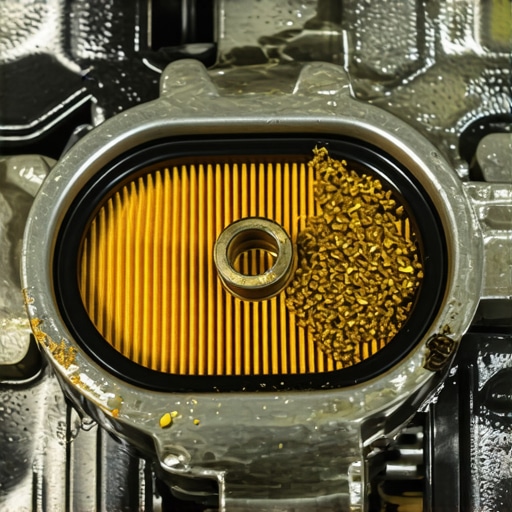
While mastering the manual fluid exchange is a significant milestone for any DIY enthusiast, the health of a transmission often depends on components that reside deeper within the case. A common oversight during a fluid service is neglecting the internal filtration system. Many modern manufacturers claim their units feature ‘lifetime’ filters, but in the world of high-mileage reality, these screens can become restricted by microscopic clutch material and metallic shavings. If you find your vehicle hesitating or feeling sluggish after a service, you might need to stop that transmission shudder for good with this 18-filter change. Removing the pan allows you to inspect the magnet for excessive wear particles, which serves as a vital diagnostic window into the health of your sun gears and planetary carriers.
Stop Overlooking the Internal Filter
The internal filter acts as the primary defense against hydraulic circuit contamination. When this component becomes clogged, the transmission pump must work harder to maintain the line pressure required to keep clutches engaged. This increased load leads to heat, the ultimate enemy of automatic gearboxes. According to data from the Car Care Council, over 70% of transmission failures can be traced back to fluid degradation and overheating. By pairing your fluid exchange with a physical filter replacement, you ensure that the fresh ATF can flow freely through the valve body. If you are already seeing debris in the pan, it might be worth using the 30-tool that lets you see inside your engine and transmission housing to check for deeper scoring or damage without a full teardown.
Can your car’s computer sabotage a successful fluid swap?
One of the most perplexing issues technicians face after a fluid exchange is a transmission that actually shifts worse than it did before. This phenomenon is often rooted in the Transmission Control Module (TCM) adaptations. Modern cars utilize ‘adaptive learning’ to adjust solenoid firing times as fluid thins and clutches wear. When you introduce fresh, high-viscosity fluid, the computer is still applying the high-pressure compensation it learned for the old, degraded oil. In some cases, you must perform a ‘soft reset’ of the adaptive values to allow the TCM to re-learn the characteristics of the new lubricant. Failure to do so can result in harsh engagement or ‘shift flare.’ If your vehicle continues to struggle, investigate transmission failures decoded to see if your TCM requires a formal re-flash or if the issue is purely mechanical.
Cure Shifting Clunks Without a Shop Visit
Before assuming you need a costly rebuild, consider that many shift quality issues are caused by sticky solenoids rather than burnt-out internals. These electromagnetic valves direct fluid flow, and even a tiny piece of debris can cause them to hang open or stay closed. You can often stop that harsh downshift clunk with this 22-solenoid cleaning trick, which targets the specific components responsible for timing. For those dealing with persistent vibrations or ‘rumble strip’ sensations, a specialized friction modifier might be the answer. We have seen remarkable results where the 5-additive that stopped our shops worst transmission shudder resolved issues that appeared to be terminal torque converter failures. Have you ever successfully revived a struggling gearbox with a simple filter swap or additive? Share your experience in the comments below or let us know which diagnostic tool you swear by for transmission work.
The thermal reality of modern gearboxes is that factory-spec cooling is often a compromise designed for average commuters, not for those hauling heavy loads or navigating stop-and-go urban heat. When you’ve addressed the fluid and the filter, the next logical step in safeguarding your investment is examining the efficiency of your heat exchange system. Most vehicles rely on an internal cooler submerged within the radiator’s cold-side tank. While space-efficient, this design introduces a catastrophic failure point: the ‘strawberry milkshake’ effect, where an internal breach allows engine coolant to contaminate the transmission.
Keep Your Gears Cool When the Factory Radiator Fails
Installing a standalone auxiliary cooler is perhaps the most effective way to decouple your transmission’s health from the engine’s cooling system. By routing the ATF through an external stacked-plate heat exchanger, you significantly reduce the thermal load on the fluid. This is particularly vital for vehicles equipped with 6-speed or 8-speed units that operate at higher internal pressures. When selecting a cooler, bypass the cheap tube-and-fin designs in favor of stacked-plate models, which offer superior burst pressure resistance and more efficient BTU dissipation per square inch. 
How much heat does it take to cook your transmission fluid?
The margin for error regarding ATF temperature is surprisingly slim. While modern synthetic fluids are more resilient, the fundamental physics of lubrication remains unchanged. According to technical data from the Automatic Transmission Rebuilders Association (ATRA), the ideal operating temperature for most automatic transmissions is approximately 175°F (80°C). For every 20-degree increase above this threshold, the life expectancy of the fluid—and the internal seals—is essentially cut in half. At 240°F, the fluid begins to varnish, leading to stuck valves and hardened lip seals that can no longer hold the pressure required for firm shifts. Monitoring your PID data via an OBD-II scanner during a long climb is the only way to know if your current setup is sufficient.
Why Dark Fluid Isn’t Always a Death Sentence
One of the most common misconceptions in the garage is that black or ‘burnt-smelling’ fluid necessitates an immediate replacement or signifies a total failure. While dark color indicates oxidation and the presence of suspended carbon from clutch wear, it also represents the ‘history’ of the unit. If the fluid is opaque but lacks heavy metallic glitter, the transmission may still have tens of thousands of miles of service left. In these high-mileage cases, the chemistry of the old fluid—specifically its friction coefficient—is what’s keeping worn clutches from slipping. This is why a gradual ‘drain and fill’ approach is often safer than a high-pressure machine flush. If you’ve ever pulled a pan only to find a thick layer of grey sludge on the magnet, you’ve seen the physical evidence of planetary gear wear that no amount of new oil can truly erase.
Detecting the Silent Killer of Torque Converters
Beyond simple overheating, many modern units suffer from TCC (Torque Converter Clutch) chatter, a subtle vibration that feels like driving over rumble strips. This often stems from the computer trying to maintain a ‘partial lock-up’ state to increase fuel economy. This constant slipping generates localized heat that the overall cooling system might not reflect on the dashboard gauge. If you notice this shudder between 35 and 50 MPH, it’s a sign that the friction lining on the converter clutch is glazing. Have you monitored your transmission temperatures during heavy towing, or do you rely on the factory dashboard warning light?
When the Torque Converter Clutch (TCC) begins to glaze, the typical response is to throw a bottle of friction modifier at the problem and hope for the best. While these additives provide temporary relief by altering the static friction of the fluid, they often mask a deeper systemic issue: the degradation of the mechatronic bridge seals. In many high-performance European and domestic units, the bridge seal—a small, seemingly insignificant rubber-and-plastic component—serves as the primary conduit for hydraulic pressure between the Transmission Control Module (TCM) and the valve body. As this seal hardens and shrinks due to heat, pressure leaks occur, leading to the very chatter and slip that many mistake for a dying mechanical clutch. Replacing this $20 part during a routine fluid service can often restore factory-smooth shifting and prevent a multi-thousand-dollar rebuild.
Don’t Fall for the Universal Fluid Trap
As you dive deeper into the world of specialized car service, you will encounter ‘multi-vehicle’ or ‘universal’ Automatic Transmission Fluids (ATF) that claim to meet dozens of different manufacturer specifications. While these fluids are convenient for high-volume shops, they represent a significant compromise for precision gearboxes like the ZF 8HP or the Aisin-Warner units found in many modern SUVs. Each transmission is engineered around a specific viscosity index and friction coefficient. Using a fluid that is even slightly off-spec can lead to ‘clutch squawk’ or delayed garage shifts. For those seeking the pinnacle of protection, consulting the technical bulletins from the Automatic Transmission Service Group (ATSG) is essential, as they provide the exact fluid requirements and update procedures that dealerships often keep behind a paywall.
Why Your Mass Air Flow Sensor Might Be Killing Your Shifts
Experienced technicians know that the transmission does not operate in a vacuum—quite literally. The TCM relies heavily on load data provided by the engine’s Mass Air Flow (MAF) and Manifold Absolute Pressure (MAP) sensors to calculate the precise line pressure needed for a shift. If your engine is suffering from a minor vacuum leak or a dirty MAF sensor, it may report a lower load than what is actually occurring. Consequently, the TCM reduces the hydraulic pressure sent to the clutch packs, causing them to slip under load. Before you condemn your gearbox for ‘slipping,’ ensure your engine’s fuel trims are within +/- 5%, as a poorly running engine is the most common cause of premature transmission failure in high-mileage vehicles.
Can a vacuum leak actually cause a transmission to slip?
In older, vacuum-modulated transmissions, the answer is a resounding yes, but even in modern, fully electronic systems, the relationship remains. A vacuum leak causes the engine to run lean, forcing the computer to adjust timing and throttle plate angles. This ‘confusion’ in the data stream leads to erratic solenoid behavior. If you notice that your shifts are soft or ‘long’ only when the engine is cold or idling poorly, you should prioritize a smoke test of the intake tract before assuming the internal clutches are burnt. This holistic approach to vehicle diagnostics separates the parts-changers from the master technicians.
Master the Wet Air Test During Your Next Pan Drop
If you have already removed the transmission pan to replace the filter, you have a unique opportunity to perform a ‘wet air test.’ By applying regulated low-pressure compressed air (typically 30 PSI) into the specific apply-ports of the valve body, you can listen for the distinct ‘thud’ of a piston engaging. A ‘hissing’ sound during this test indicates a blown internal seal or a cracked piston housing—information that is invaluable before you waste money on expensive synthetic fluid. This level of proactive car service ensures that you aren’t just changing oil, but actively verifying the structural integrity of your hydraulic circuits. Have you ever performed a diagnostic pressure test, or do you prefer to rely on electronic scan data alone? Share your diagnostic workflow in the comments so we can compare notes on the most effective ways to catch failures before they happen.
In the contemporary landscape of high-performance car service, the debate between automated high-pressure machine flushes and manual fluid exchanges remains a point of contention among master technicians. While dealerships often favor the efficiency of a flush machine, many seasoned experts argue that for high-mileage vehicles, these machines can inadvertently dislodge clutch material and sediment, pushing debris into the intricate pathways of the valve body. Achieving a complete fluid replacement through a manual cooler-line bypass provides a safer, more controlled environment for sensitive hydraulics. This process goes beyond a simple pan drop, ensuring that the substantial volume of fluid trapped within the torque converter—often up to 60% of total capacity—is effectively replaced with fresh, thermally stable lubricants.
Manual Fluid Exchange Strategy for Sensitive Hydraulics
Executing a comprehensive exchange without a machine requires a granular understanding of your vehicle’s cooling circuit. By tapping into the transmission cooler line, you utilize the transmission’s own internal pump to displace old fluid while simultaneously replenishing the system. This method is far superior to a standard drain-and-fill, as it prevents the cross-contamination of degraded fluid. Before starting, it is imperative to perform vehicle diagnostics to ensure no active codes are present in the Transmission Control Module (TCM). If you are already experiencing mechanical issues, it is vital to read the truth about transmission flushes and why they can be dangerous for older units, as the introduction of new detergents can sometimes accelerate the failure of worn friction plates.
Identify the Correct Cooler Flow Direction
Success hinges on identifying which line returns fluid from the radiator or external cooler back to the transmission case. Disconnecting the return line and placing it into a graduated waste container allows you to measure exactly how much fluid is expelled. For every two quarts pumped out, two quarts of fresh fluid must be added through the dipstick tube or fill port to maintain hydraulic pressure. According to research published by SAE International, the oxidation of Automatic Transmission Fluid (ATF) leads to a rapid decline in friction modifier effectiveness, making this total exchange critical for longevity. If your vehicle lacks a traditional dipstick, you must learn how to check your transmission fluid level without a dipstick to avoid catastrophic under-filling.
Will a DIY flush save a slipping transmission?
A manual fluid exchange is a preventative maintenance procedure, not a mechanical overhaul. While fresh fluid can improve shift quality by restoring proper viscosity and hydraulic pressure, it cannot repair burnt clutch packs or damaged planetary gearsets. If your gearbox is already exhibiting signs of failure, such as hunting for gears or delayed engagement, you should investigate transmission failures decoded to determine if the issue is electronic or internal. In many cases, a simple solenoid cleaning or a filter replacement—rather than a full flush—is the most cost-effective auto repair path.
If you encounter unusual shift patterns or harsh engagement after your fluid service, feel free to explore our professional insights on expert auto repair tips for 2025 to ensure your vehicle remains at peak performance.
While mastering the manual fluid exchange is a significant milestone for any DIY enthusiast, the health of a transmission often depends on components that reside deeper within the case. A common oversight during a fluid service is neglecting the internal filtration system. Many modern manufacturers claim their units feature ‘lifetime’ filters, but in the world of high-mileage reality, these screens can become restricted by microscopic clutch material and metallic shavings. If you find your vehicle hesitating or feeling sluggish after a service, you might need to stop that transmission shudder for good with this 18-filter change. Removing the pan allows you to inspect the magnet for excessive wear particles, which serves as a vital diagnostic window into the health of your sun gears and planetary carriers.
Stop Overlooking the Internal Filter
The internal filter acts as the primary defense against hydraulic circuit contamination. When this component becomes clogged, the transmission pump must work harder to maintain the line pressure required to keep clutches engaged. This increased load leads to heat, the ultimate enemy of automatic gearboxes. According to data from the Car Care Council, over 70% of transmission failures can be traced back to fluid degradation and overheating. By pairing your fluid exchange with a physical filter replacement, you ensure that the fresh ATF can flow freely through the valve body. If you are already seeing debris in the pan, it might be worth using the 30-tool that lets you see inside your engine and transmission housing to check for deeper scoring or damage without a full teardown.
Can your car’s computer sabotage a successful fluid swap?
One of the most perplexing issues technicians face after a fluid exchange is a transmission that actually shifts worse than it did before. This phenomenon is often rooted in the Transmission Control Module (TCM) adaptations. Modern cars utilize ‘adaptive learning’ to adjust solenoid firing times as fluid thins and clutches wear. When you introduce fresh, high-viscosity fluid, the computer is still applying the high-pressure compensation it learned for the old, degraded oil. In some cases, you must perform a ‘soft reset’ of the adaptive values to allow the TCM to re-learn the characteristics of the new lubricant. Failure to do so can result in harsh engagement or ‘shift flare.’ If your vehicle continues to struggle, investigate transmission failures decoded to see if your TCM requires a formal re-flash or if the issue is purely mechanical.
Cure Shifting Clunks Without a Shop Visit
Before assuming you need a costly rebuild, consider that many shift quality issues are caused by sticky solenoids rather than burnt-out internals. These electromagnetic valves direct fluid flow, and even a tiny piece of debris can cause them to hang open or stay closed. You can often stop that harsh downshift clunk with this 22-solenoid cleaning trick, which targets the specific components responsible for timing. For those dealing with persistent vibrations or ‘rumble strip’ sensations, a specialized friction modifier might be the answer. We have seen remarkable results where the 5-additive that stopped our shops worst transmission shudder resolved issues that appeared to be terminal torque converter failures. Have you ever successfully revived a struggling gearbox with a simple filter swap or additive? Share your experience in the comments below or let us know which diagnostic tool you swear by for transmission work.
The thermal reality of modern gearboxes is that factory-spec cooling is often a compromise designed for average commuters, not for those hauling heavy loads or navigating stop-and-go urban heat. When you’ve addressed the fluid and the filter, the next logical step in safeguarding your investment is examining the efficiency of your heat exchange system. Most vehicles rely on an internal cooler submerged within the radiator’s cold-side tank. While space-efficient, this design introduces a catastrophic failure point: the ‘strawberry milkshake’ effect, where an internal breach allows engine coolant to contaminate the transmission.
Keep Your Gears Cool When the Factory Radiator Fails
Installing a standalone auxiliary cooler is perhaps the most effective way to decouple your transmission’s health from the engine’s cooling system. By routing the ATF through an external stacked-plate heat exchanger, you significantly reduce the thermal load on the fluid. This is particularly vital for vehicles equipped with 6-speed or 8-speed units that operate at higher internal pressures. When selecting a cooler, bypass the cheap tube-and-fin designs in favor of stacked-plate models, which offer superior burst pressure resistance and more efficient BTU dissipation per square inch.
How much heat does it take to cook your transmission fluid?
The margin for error regarding ATF temperature is surprisingly slim. While modern synthetic fluids are more resilient, the fundamental physics of lubrication remains unchanged. According to technical data from the Automatic Transmission Rebuilders Association (ATRA), the ideal operating temperature for most automatic transmissions is approximately 175°F (80°C). For every 20-degree increase above this threshold, the life expectancy of the fluid—and the internal seals—is essentially cut in half. At 240°F, the fluid begins to varnish, leading to stuck valves and hardened lip seals that can no longer hold the pressure required for firm shifts. Monitoring your PID data via an OBD-II scanner during a long climb is the only way to know if your current setup is sufficient.
Why Dark Fluid Isn’t Always a Death Sentence
One of the most common misconceptions in the garage is that black or ‘burnt-smelling’ fluid necessitates an immediate replacement or signifies a total failure. While dark color indicates oxidation and the presence of suspended carbon from clutch wear, it also represents the ‘history’ of the unit. If the fluid is opaque but lacks heavy metallic glitter, the transmission may still have tens of thousands of miles of service left. In these high-mileage cases, the chemistry of the old fluid—specifically its friction coefficient—is what’s keeping worn clutches from slipping. This is why a gradual ‘drain and fill’ approach is often safer than a high-pressure machine flush. If you’ve ever pulled a pan only to find a thick layer of grey sludge on the magnet, you’ve seen the physical evidence of planetary gear wear that no amount of new oil can truly erase.
Detecting the Silent Killer of Torque Converters
Beyond simple overheating, many modern units suffer from TCC (Torque Converter Clutch) chatter, a subtle vibration that feels like driving over rumble strips. This often stems from the computer trying to maintain a ‘partial lock-up’ state to increase fuel economy. This constant slipping generates localized heat that the overall cooling system might not reflect on the dashboard gauge. If you notice this shudder between 35 and 50 MPH, it’s a sign that the friction lining on the converter clutch is glazing. Have you monitored your transmission temperatures during heavy towing, or do you rely on the factory dashboard warning light?
When the Torque Converter Clutch (TCC) begins to glaze, the typical response is to throw a bottle of friction modifier at the problem and hope for the best. While these additives provide temporary relief by altering the static friction of the fluid, they often mask a deeper systemic issue: the degradation of the mechatronic bridge seals. In many high-performance European and domestic units, the bridge seal—a small, seemingly insignificant rubber-and-plastic component—serves as the primary conduit for hydraulic pressure between the Transmission Control Module (TCM) and the valve body. As this seal hardens and shrinks due to heat, pressure leaks occur, leading to the very chatter and slip that many mistake for a dying mechanical clutch. Replacing this $20 part during a routine fluid service can often restore factory-smooth shifting and prevent a multi-thousand-dollar rebuild.
Don’t Fall for the Universal Fluid Trap
As you dive deeper into the world of specialized car service, you will encounter ‘multi-vehicle’ or ‘universal’ Automatic Transmission Fluids (ATF) that claim to meet dozens of different manufacturer specifications. While these fluids are convenient for high-volume shops, they represent a significant compromise for precision gearboxes like the ZF 8HP or the Aisin-Warner units found in many modern SUVs. Each transmission is engineered around a specific viscosity index and friction coefficient. Using a fluid that is even slightly off-spec can lead to ‘clutch squawk’ or delayed garage shifts. For those seeking the pinnacle of protection, consulting the technical bulletins from the Automatic Transmission Service Group (ATSG) is essential, as they provide the exact fluid requirements and update procedures that dealerships often keep behind a paywall.
Why Your Mass Air Flow Sensor Might Be Killing Your Shifts
Experienced technicians know that the transmission does not operate in a vacuum—quite literally. The TCM relies heavily on load data provided by the engine’s Mass Air Flow (MAF) and Manifold Absolute Pressure (MAP) sensors to calculate the precise line pressure needed for a shift. If your engine is suffering from a minor vacuum leak or a dirty MAF sensor, it may report a lower load than what is actually occurring. Consequently, the TCM reduces the hydraulic pressure sent to the clutch packs, causing them to slip under load. Before you condemn your gearbox for ‘slipping,’ ensure your engine’s fuel trims are within +/- 5%, as a poorly running engine is the most common cause of premature transmission failure in high-mileage vehicles.
Can a vacuum leak actually cause a transmission to slip?
In older, vacuum-modulated transmissions, the answer is a resounding yes, but even in modern, fully electronic systems, the relationship remains. A vacuum leak causes the engine to run lean, forcing the computer to adjust timing and throttle plate angles. This ‘confusion’ in the data stream leads to erratic solenoid behavior. If you notice that your shifts are soft or ‘long’ only when the engine is cold or idling poorly, you should prioritize a smoke test of the intake tract before assuming the internal clutches are burnt. This holistic approach to vehicle diagnostics separates the parts-changers from the master technicians.
Master the Wet Air Test During Your Next Pan Drop
If you have already removed the transmission pan to replace the filter, you have a unique opportunity to perform a ‘wet air test.’ By applying regulated low-pressure compressed air (typically 30 PSI) into the specific apply-ports of the valve body, you can listen for the distinct ‘thud’ of a piston engaging. A ‘hissing’ sound during this test indicates a blown internal seal or a cracked piston housing—information that is invaluable before you waste money on expensive synthetic fluid. This level of proactive car service ensures that you aren’t just changing oil, but actively verifying the structural integrity of your hydraulic circuits. Have you ever performed a diagnostic pressure test, or do you prefer to rely on electronic scan data alone? Share your diagnostic workflow in the comments so we can compare notes on the most effective ways to catch failures before they happen.
Expert Insights & Advanced Considerations
Stop Chasing Smoothness and Start Measuring Pressure
Many vehicle owners associate a ‘buttery smooth’ shift with a healthy transmission, but excessively soft shifts often indicate slow clutch engagement or slippage. A true professional-grade vehicle diagnostics session involves monitoring line pressure rise under load to ensure the clutches are biting firmly and quickly. If your shifts feel too seamless, it might be time to investigate the health of your pressure control solenoids.
Reset the Computer or Risk Burning New Clutches
When you finish your fluid swap, the work isn’t done for modern electronically controlled units. You must clear the adaptive shift values within the TCM. If the computer continues to use ‘thin fluid’ parameters on ‘thick’ new ATF, you can actually induce unnecessary wear. If you find this software interaction daunting, it is worth choosing the right car service to perform the electronic handshake required for high-tech 8 and 10-speed units.
Why Your Dashboard Temp Gauge Is Lying to You
Standard dashboard gauges are often ‘buffered,’ meaning they stay in the middle even while internal temperatures are climbing into the danger zone. Real-time PID monitoring through the OBD-II port is the only way to catch the localized heat spikes that kill torque converters during heavy load. Monitoring this data allows you to prevent failure before the warning light ever flickers.
Curated Expert Resources
ATSG Technical Manuals: These are the gold standard for specific teardown and hydraulic circuit data, providing the exact specs needed for advanced transmission troubles resolution and valve body mapping.
SAE International White Papers: Essential for understanding the molecular shear rates of modern synthetic lubricants under high-stress conditions and thermal breakdown points.
ATRA Webinars: An excellent resource for staying updated on the latest software-based shift fixes that often replace the need for expensive mechanical repairs.
#IMAGE_PLACEHOLDER_E#
Final Expert Perspective
Mastering transmission longevity requires looking past the simple fluid exchange and focusing on the total ecosystem of the powertrain. By integrating high-quality filtration, precise hydraulic testing, and TCM resets, you elevate your vehicle maintenance from basic chores to professional-level care. Finding a shop that understands these nuances is critical for long-term reliability, so be sure to find reliable car service near you in 2025 that treats your gearbox as the precision instrument it is. We invite you to share your technical successes or diagnostic hurdles in the community below to help others stay on the road longer.