Understanding the Persistent Soft Brake Pedal: A Deep Dive into Hydraulic System Complexities
For automotive professionals and enthusiasts alike, diagnosing a brake pedal that remains uncomfortably soft even after engineering an extensive bleeding process reveals intricate nuances within hydraulic brake systems. This persistent issue signals underlying factors beyond mere air entrapment, warranting a comprehensive understanding of vehicle diagnostics and the subtle interplay of components in modern car service.
High-Level Causes of Incomplete Hydraulic Purge in Brake Systems
One often overlooked aspect is the presence of residual air pockets within the ABS module or master cylinder, which standard bleeding may not fully eliminate due tovariable pressures and system design complexities. Additionally, micro-leaks in the brake fluid lines or compromised seals can sustain a soft pedal, despite multiple bleeding attempts. Recognizing these scenarios underscores the importance of sophisticated diagnostics and targeted repairs, particularly in vehicles with advanced transmission and auto repair systems.
Expert Techniques for Diagnosing Hydraulic and Mechanical Anomalies
Advanced workshops employ methods such as pressure testing the brake lines or utilizingsmart sensor diagnostics to identify discrepancies in system pressure. When bleeding lines—be it via gravity, vacuum, or pressure bleeding—fail to restore firmness, it indicates a deeper issue. External sources, like the reputable High Performance Auto Parts, recommend inspecting for worn or contaminated master cylinders and calipers, which can impair hydraulic response.
What are the root causes of a soft brake pedal that resist bleeding procedures and how can they be effectively mitigated?
Addressing this question, experts suggest comprehensive diagnostic practices encompassingfluid chemistry analysis, pressure decay testing, and component inspection. Consideration of brake fluid self-condensation or water ingress, which lowers boiling points and impairs pressure transmission, is crucial. Regular maintenance of car service components like calipers, wheel cylinders, and flexible hoses can prevent such issues from persisting.
To elevate your understanding of vehicle diagnostics, explore our detailed guides ontesting alternators without specialized equipment and troubleshooting ABS warning lights, essential for maintaining optimal auto repair standards. Additionally, engaging with professional communities can foster exchange of subtle insights that often determine successful repairs.
To sum up, a persistent soft brake pedal after bleeding is a diagnostic challenge that necessitates expert-level investigation. For practical insights, consult Automotive Service Excellence for authoritative troubleshooting frameworks.
Unearthing Hidden Hydraulic Failures in Modern Braking Systems
When traditional bleeding methods don’t restore brake pedal firmness, it raises questions about unseen causes within the hydraulic network. Micro-leaks in the ABS valve assembly or degraded sealants in the wheel cylinders can silently undermine braking efficiency, especially in vehicles equipped with electronic stability controls. Utilizingpressure decay tests andsmart sensor diagnostics—as recommended by leading auto repair authorities—can reveal these elusive flaws before they compromise safety. For in-depth procedures, automotive professionals often consult resources like Reliable Autocares’ in-depth vehicle checklists.
The Role of Brake Fluid Quality and System Longevity
Beyond physical leaks, the chemistry of brake fluid itself can be a culprit. Contaminated or water-laden fluid not only lowers boiling points but also impairs hydraulic pressure transfer, exacerbating pedal softening. Regularflushing and replacement of brake fluid using high-quality, DOT-approved products, coupled with meticulous inspection of flexible hoses and calipers, forms a proactive strategy for maintaining pedal firmness. Experts emphasize that neglecting these aspects may lead to premature component wear and complex repairs down the line.
Can You Identify the Nagging Signs of Hydraulic System Degradation?
Persistent soft pedals often manifest through specific symptoms: sponginess during braking, increased stopping distances, or uneven pedal feel. Recognizing these subtle indicators early can prevent dangerous failures. For example, a gradual decline in pedal responsiveness might hint at caliper pistons sticking or internal contamination. Moreover, updating diagnostic protocols to include thoroughECU data analysis can uncover underlying electronic control issues that influence hydraulic performance, as detailed in authoritative sources like Reliable Autocares’ diagnostic tips.
How can integrating advanced diagnostics and maintenance practices preempt brake system failures?
Embracing a comprehensive approach—combiningroutine fluid analysis, component inspections, and electronic system audits—enhances both safety and vehicle longevity. Consider usingdiagnostic scan tools capable of reading live sensor data to monitor hydraulic pressures and system responses dynamically. Building a feedback loop with detailed logs and regular maintenance schedules not only addresses current issues but also forestalls future malfunctions, aligning with best practices outlined by Reliable Autocares’ vehicle maintenance guides.
To expand your investigative toolkit, explore our detailed guides ontesting alternators without specialized equipment andpreventing ABS warning lights from returning, essential for maintaining top auto repair standards. Engaging with industry forums and technical communities fosters the exchange of nuanced expertise, often key to resolving complex brake issues swiftly and safely.
Elevate Your Diagnostic Precision with Innovative Pressure Testing Techniques
Achieving a firm brake pedal requires more than basic bleeding; it demands a nuanced approach leveraging cutting-edge diagnostic methods. Modern pressure decay testing, for instance, enables technicians to quantify minute leaks in the hydraulic circuit—either in the master cylinder, ABS unit, or calipers—by monitoring pressure changes over a specified period under controlled conditions. This method uncovers issues that traditional visual inspections and standard bleeding may overlook, especially in complex vehicle architectures where electronic control modules dynamically influence hydraulic performance.
Implementing Electronic System Interrogation to Detect Subtle Hydraulic Failures
The integration of ECU diagnostics has revolutionized brake system troubleshooting. By analyzing real-time sensor data—such as hydraulic pressure sensors, wheel speed sensors, and brake pedal position signals—highly skilled technicians can assess the harmony between electronic commands and mechanical responses. Discrepancies here often point towards internal leaks, worn seals, or clogged valves that cause inconsistent hydraulic pressure. Devices like bi-directional scan tools facilitate these deep diagnostics, enabling you to pinpoint failures with precision and plan targeted repairs.
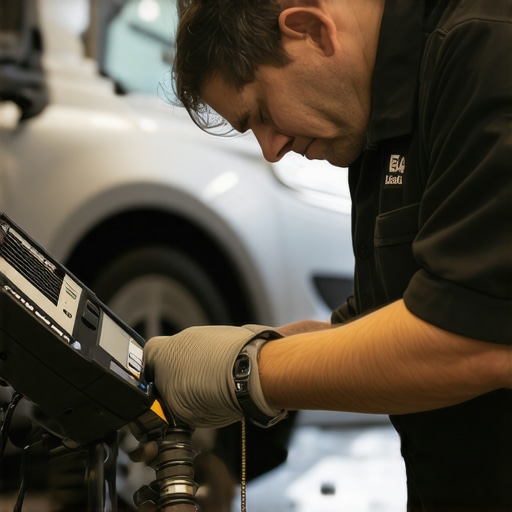
To visualize these complex interactions, consider inspecting an ECU diagnostic screenshot displaying pressure sensor readings aligned with pedal movement data—highlighting how subtle deviations can imply underlying hydraulic issues.
What multi-layered diagnostic approach can uncover hidden hydraulic vulnerabilities in modern vehicles?
Combining systematic pressure testing, ECU data analysis, and physical inspections creates a multi-faceted diagnostic framework. For example, conducting a controlled pressure decay test while simultaneously monitoring sensor outputs allows for correlation of data points, exposing insidious leaks that escape conventional detection. Additionally, employing dye penetrant inspections on seals and joints serves as a confirmatory step, revealing micro-cracks or compromised components not visible to the naked eye. As automotive technology advances, integrating these diagnostics into routine maintenance promises increased safety margins and mechanical reliability.
Unraveling the intricacies of hydraulic impairments that escape conventional detection
In contemporary vehicle maintenance, identifying elusive hydraulic failures demands more than standard inspection techniques. Subtle micro-leaks within complex components like electronic stability control modules or degraded elastomeric seals can silently compromise braking performance without obvious signs. Leveraging pressure decay tests alongside real-time ECU sensor data analysis allows technicians to uncover these covert issues before they escalate into safety hazards.
Edge-cutting sensor analytics transforming brake diagnostics
The integration of smart diagnostic tools offers unparalleled insight into hydraulic anomalies. For instance, advanced pressure sensors correlated with pedal position sensors enable precise mapping of system responses, exposing inconsistencies caused by minute leaks or internal contamination. Sources such as the Society of Automotive Engineers emphasize that such multidimensional diagnostic approaches are now essential in high-performance automotive repair.
What sophisticated methods can auto professionals employ to detect hidden hydraulic system failures in today’s vehicles?
Implementing a combination of pressure decay testing, ECU data correlation, and dye penetrant inspections creates a robust diagnostic framework. These protocols enable technicians to pinpoint internal leaks, seal deterioration, or valve malfunctions that conventional techniques might overlook. Employing bilevel testing techniques—where pressure parameters are monitored over specified durations in conjunction with electronic data—significantly enhances fault detection accuracy.
Enhance your diagnostic expertise by exploring industry-leading guides on electronic control system troubleshooting and preventive brake maintenance. Engaging with specialist communities and continuous education in these areas ensures your skills stay at the forefront of automotive safety standards.
For vehicle service professionals committed to excellence, mastering these advanced diagnostic strategies translates into superior repair quality and heightened customer trust.
Expert Insights & Advanced Considerations
Harness Diagnostic Data Integration
Leveraging real-time ECU sensor readings alongside pressure decay tests enables technicians to uncover subtle hydraulic leaks, facilitating precise repairs and preventing costly follow-ups.
Evaluate System Component Aging
Recognizing signs of seal degradation or internal corrosion within master cylinders and calipers directs proactive maintenance, extending component longevity and ensuring consistent brake pedal firmness.
Prioritize Fluid Chemistry Analysis
Regular assessment of brake fluid for water content and contamination prevents pressure transfer issues and mitigates micro-leak development, maintaining optimal hydraulic integrity.
Employ Advanced Leak Detection Techniques
Dye penetrant inspections and pressure monitoring tools serve as invaluable resources for identifying elusive micro-cracks or compromised seals, especially in complex ABS modules.
Stay Informed with Cutting-Edge Resources
Consult industry-leading manuals like Society of Automotive Engineers publications and specialized technical bulletins to remain ahead in hydraulic diagnostic innovations.
Curated Expert Resources
- Automotive Service Excellence (ASE): Provides comprehensive troubleshooting frameworks and certification standards, essential for deepening diagnostic expertise.
- Society of Automotive Engineers (SAE): Offers authoritative research papers and technical standards that inform advanced repair practices.
- Reliable Autocares Technical Guides: Features in-depth procedures for pressure testing, ECU diagnostics, and sealing inspection tailored to modern vehicle complexities.
- Manufacturer Service Manuals: Deliver vehicle-specific diagnostics and repair procedures critical for accurate problem resolution.
A Final Word for the Dedicated Technician
Achieving diagnostic mastery in hydraulic brake systems demands a blend of innovative techniques and continuous learning, especially as vehicles grow more sophisticated. Recognizing the nuanced signs of hydraulic degradation and deploying advanced diagnostic tools not only elevate repair quality but also bolster safety standards. Dive deeper into related topics such as fuse troubleshooting or software fixes for transmission issues to broaden your expertise and optimize vehicle performance.
Comments are closed.