Why Your Dashboard Lights Flicker When You Hit a Bump
Deciphering the Complex Relationship Between Road Impacts and Digital Vehicle Diagnostics
Modern automotive systems are marvels of integrated sensor technology and electronic control units (ECUs), which collectively respond to the dynamic environment of driving. When your dashboard lights flicker upon hitting a bump, it reveals a nuanced interaction rooted in the electrical architecture and sensor diagnostics of your vehicle. Understanding this phenomenon requires a multidisciplinary approach, encompassing electrical system integrity, sensor calibration, and the vehicle’s diagnostic protocols.
Electromechanical Vibrations and Fluctuations: Unveiling Hidden Circuit Flaws
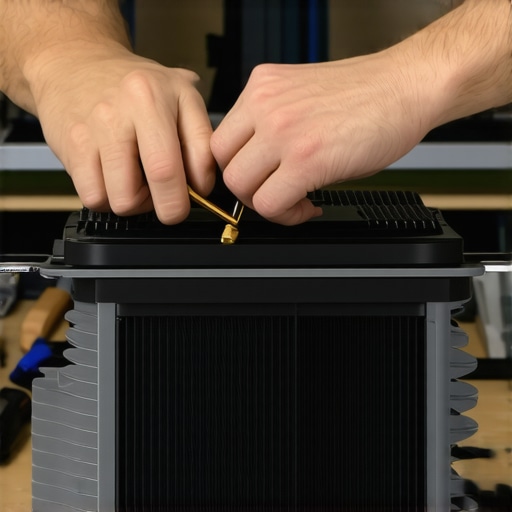
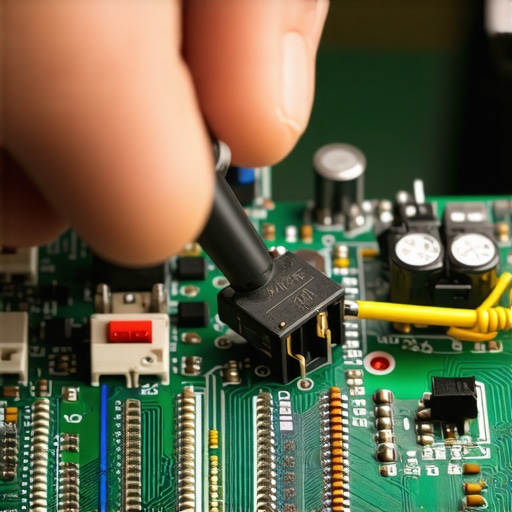
At the core, transient electrical disturbances are often the culprits behind flickering dashboard indicators. These disturbances typically stem from loose ground connections, failing ground straps, or compromised wiring harnesses that respond to the mechanical vibrations transmitted through the chassis during bumps. For instance, a degraded grounding strap can intermittently disconnect or fluctuate, causing voltage dips or surges that prompt false sensor readings or trigger warning lights.
Sensor Sensitivity and Calibration: The Invisible Culprits
Vehicle sensors such as accelerometers, gyroscopes, and other diagnostic probes are highly sensitive to physical shocks. When impacted by road irregularities, these sensors may register false anomalies due to slight mechanical displacements or calibration drifts. This is especially relevant in vehicles equipped with advanced driver-assistance systems (ADAS), where sensor integrity is paramount for safety and proper vehicle operation. Calibrating these sensors periodically—either via software updates or physical realignment—is critical to prevent erroneous warning signals.
Electrical System Design and Fault Tolerance in Vehicle Network Architecture
The architecture of vehicular wiring and CAN (Controller Area Network) bus systems plays a pivotal role in the stability of dashboard displays. Modern cars incorporate bus systems that are tolerant to a degree of electrical noise; however, excessive or poorly filtered noise can induce flickering indicators. Implementing ferrite beads, filtered power supplies, and shielded wiring helps mitigate these issues, ensuring the vehicle’s diagnostic network remains resilient during stress-inducing events such as bumps or uneven terrain.
Are Flickering Dashboard Lights Indicative of an Imminent Electrical System Failure, or Merely a Transient Glitch?
This question often perplexes vehicle owners and service technicians alike. While transient flicker is frequently benign—caused by minor electrical noise or sensor response to minor impacts—recurrent or worsening flickering signals underlying issues such as corroded connectors, failing alternators, or degraded sensors. Diagnosing these cases requires a detailed visual inspection combined with electrical testing, referencing academic publications on vehicle electrical systems.
Expert technicians recommend proactive investigations into grounding integrity and sensor calibration, especially in high-mileage vehicles or those experiencing new or escalated symptoms. If you experience persistent flickering or warning light resets, consulting a qualified auto repair specialist can prevent escalation into more costly component failures or safety hazards.
To explore advanced diagnostic strategies, consider reviewing [this detailed guide](https://reliableautocares.com/identify-2026-sensor-ghosting-errors-with-this-12-diy-logic) or engaging with professional forums for shared insights into electrical troubleshooting complexities.
Vehicle owners and mechanics alike are encouraged to contribute insights—your expertise can help shape future diagnostic innovations and improve reliability across automotive electrical systems.
Uncovering the Root Causes of Intermittent System Glitches in Modern Vehicles
As vehicle electronics become increasingly sophisticated, pinpointing elusive faults requires a nuanced understanding of the interplay between hardware components and software diagnostics. Common symptoms like erratic shifting or false alert signals often stem from subtle issues such as sensor drift, software misconfigurations, or wiring inconsistencies that are not immediately apparent. Leveraging expert tools and frameworks is essential to accurately diagnose and resolve these complex problems, thereby maintaining vehicle performance and safety.
Implementing Dynamic Sensor Calibration to Combat Drift
One overlooked factor influencing diagnostic accuracy is sensor calibration stability over time. Sensors like ABS modules, transmission sensors, and hybrid system monitors can drift due to environmental factors, leading to false positives or late detections. Advanced calibration techniques involve using manufacturer-specific diagnostic software, which can perform real-time recalibration and adaptive learning to ensure sensor outputs remain accurate despite mechanical vibrations or component aging. Regular calibration checks—supported by tools such as the 6 grounding strap method—are vital in high-mileage or modified vehicles.
Harnessing Diagnostic Data for Predictive Maintenance
Modern vehicles continually generate vast amounts of diagnostic data through onboard ECU logs and sensor outputs. By adopting a proactive approach, technicians can analyze diagnostic trouble codes (DTCs) and data streams to anticipate failures before they manifest physically. Integrating this data with diagnostic platforms—such as OBD2 hacking tools or cloud-based analytics—provides a comprehensive view of vehicle health. This allows for targeted interventions, reducing downtime and preventing costly repairs. For example, regularly reviewing hidden ECU data via OBD2 hacks can reveal subtle anomalies affecting systems like the transmission or hybrid batteries.
Could unresolved sensor anomalies be secretly undermining your vehicle’s performance over time?
This pivotal question urges technicians and owners to look beyond surface-level diagnostics. Small, persistent sensor inconsistencies might be early indicators of impending failures—particularly in systems sensitive to calibration, such as collision avoidance or hybrid management modules. Addressing these anomalies promptly, guided by expert diagnostics, can extend component longevity and preserve vehicle safety. Incorporating routine software updates and calibration procedures—as outlined in guides like sensor reset techniques—ensures your vehicle adapts seamlessly to evolving conditions.
If you’re eager to deepen your diagnostic expertise, consider exploring specialized tools such as the 20+ diagnostic hacks shared in community forums or detailed in trusted technical articles. Sharing your insights can also help refine collective knowledge, enhancing diagnostic accuracy across the automotive community.
Harnessing Signal Integrity: Ensuring Robust Electrical Pathways Amid Road Vibrations
To combat the persistent challenge of electrical noise induced by road impacts, engineers are turning to sophisticated shielding and filtering techniques. Using braided shielded cables and ferrite beads at critical junctions minimizes electromagnetic interference, preserving clean, stable signals after mechanical shocks. Moreover, the integration of differential signaling technology allows vehicle networks to discriminate between genuine sensor signals and noise, significantly reducing false alarms and flickering indicators during bumpy rides, thus enhancing overall diagnostic reliability.
Remote Diagnostics and Machine Learning: The Future of Automotive Fault Detection
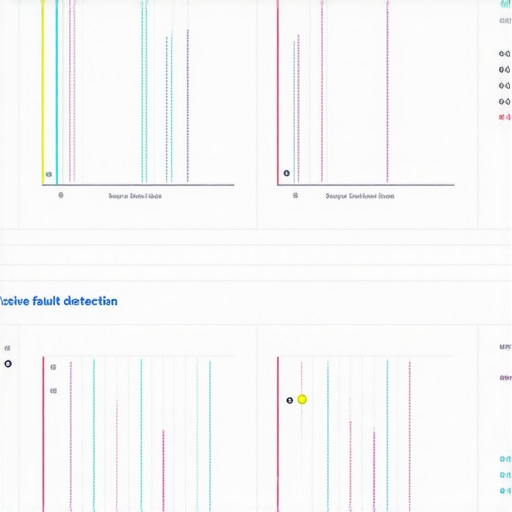
Recent advancements have propelled the automotive industry toward data-driven diagnostics employing machine learning algorithms. These systems analyze real-time sensor data streams to identify abnormal patterns indicative of impending faults—far beyond what traditional threshold-based alerts can catch. For example, anomaly detection models trained on vast datasets from various vehicle makes can predict the likelihood of electrical component failure prompted by transient road impacts, enabling preemptive maintenance. Taking this a step further, cloud-connected telematics integrate vehicle health data into centralized analytics platforms, offering fleet managers and technicians predictive insights that improve safety and reduce downtime.
Can strategic shielding and data analytics effectively future-proof vehicles against road-induced electrical faults?
While perfect immunity remains aspirational, these technological interventions substantially elevate vehicle resilience. Implementing comprehensive shielding architectures in wiring harnesses combined with machine learning-driven diagnostics creates a multi-layered defense, mitigating the risk of transient electrical glitches escalating into system failures. Such integrated approaches demand an upfront investment in design and software, yet they promise superior reliability, especially in environments where harsh terrains and unpredictable vibrations prevail. As vehicle electronics become increasingly complex, embracing these innovations becomes essential for OEMs and service professionals committed to maintaining optimal performance.
Engaging with industry-leading publications such as IEEE’s Transactions on Vehicular Technology or SAE International’s technical standards can provide deeper insights into emerging methods and best practices. Continuous education and participation in professional forums tailored to automotive electronics troubleshooting foster a proactive stance against these evolving challenges, ensuring your expertise remains at the forefront of vehicle diagnostic excellence.
Pressurizing the Electromagnetic Environment Within Vehicles for Reliable Diagnostics
With the proliferation of sophisticated electronic control systems, the internal electromagnetic milieu of contemporary vehicles becomes an increasingly critical factor influencing diagnostic accuracy. Transient magnetic fields generated by high-current components, such as electric power steering motors or hybrid drive systems, can induce noise in sensitive signal lines, leading to flickering diagnostic indicators or false sensor activations. Advanced electromagnetic compatibility (EMC) design, involving differential signal lines, proper grounding, and strategic shielding, is imperative to maintain signal integrity during road vibrations and electrical transients.
Decoding the Role of Power Supply Variations in Sensor Instability During Bumpy Rides
The fluctuating nature of vehicular power delivery—especially in aging systems with degraded alternators or weakened batteries—can cause voltage dips and surges that compromise ECU and sensor function. During impacts, these variations become more pronounced, risking the disruption of the vehicle’s diagnostic environment. Implementing power-line filters, transient voltage suppressors, and utilizing low-ESR capacitors at critical nodes bolster voltage stability, effectively dampening the impact of road-induced electrical fluctuations and maintaining consistent sensor performance.
Expert Techniques for Distinguishing Between Transient Glitches and Persistent Electrical Failures
Differentiating between momentary electrical disturbances and genuine faults calls for specialized diagnostic methodologies. Time-resolved waveform analysis using high-bandwidth oscilloscopes can reveal the transient nature of voltage anomalies, enabling technicians to identify whether flickering indicators are isolated glitches or symptomatic of deteriorating wiring insulation, compromised connectors, or failing modules. Incorporating auto-triggering and pattern recognition algorithms enhances diagnostic precision, ensuring interventions target root causes rather than surface symptoms.
What Are the Latest Advances in Diagnostic Equipment Capable of Real-Time Electromagnetic Interference Assessment?
Emerging diagnostic tools integrate near-field electromagnetic sensors, capable of detecting localized electromagnetic interference (EMI) within vehicle wiring looms. Coupled with AI-driven anomaly detection software, these sensors provide real-time feedback about electromagnetic disturbances that may precipitate electrical faults during operation. Referring to studies published in the IEEE Transactions on Electromagnetic Compatibility can deepen understanding of these cutting-edge solutions.
Engaging with these advanced diagnostic methodologies empowers technicians to proactively address electrical anomalies influenced by road conditions, ultimately enhancing vehicle safety and reliability. For practitioners eager to stay ahead, subscribing to industry journals and participating in specialized training seminars on EMC and transient mitigation techniques are invaluable strategies.
Mitigating High-Frequency Noise Impact with Innovative Filtering Techniques
Persistent high-frequency noise, often originating from switching regulators or PWM-controlled components, can infiltrate vehicle networks during mechanical shocks. Utilizing active filtering circuits, such as multiple-stage LC filters and EMI suppression modules, dramatically reduces the transmission of disruptive signals. Additionally, digitally controlled noise cancellation algorithms integrated into the vehicle’s ECUs offer dynamic suppression capabilities, adapting in real-time to changing electromagnetic conditions and preserving diagnostic clarity during rugged terrain navigation.
Harnessing Predictive Analytics for Preemptive Electrical System Maintenance
By analyzing vast datasets collected via telematics and onboard diagnostics, predictive models can forecast the onset of electrical system failures before symptoms manifest. Machine learning algorithms trained on parameters such as voltage ripple patterns, sensor response times, and transient event frequency enable a shift from reactive to proactive maintenance. For example, early detection of increasing EMI levels may signal the need for shielding upgrades or component replacements, minimizing roadside failures and repair costs.
Could integrating AI-driven predictive systems revolutionize your approach to diagnosing transient electrical issues caused by road vibrations?
This question underscores the transformative potential of merging advanced data analytics with vehicle diagnostics. As AI systems become more adept at identifying subtle anomalies within complex electrical environments, technicians can execute targeted repairs with greater precision and confidence. Investing in these technologies not only reduces downtime but also elevates the standard of automotive maintenance, aligning with the future of intelligent vehicle health management. Consulting authoritative sources such as SAE Technical Papers on vehicle electronic resilience can provide further insights into practical implementations.
Expert Insights & Advanced Considerations
Prioritize Shielding for Complex Electrical Environments
Implementing comprehensive electromagnetic shielding and filtering techniques helps protect sensitive vehicle electronics from transient disturbances caused by road vibrations, ultimately enhancing diagnostic reliability and component longevity.
Integrate Machine Learning into Diagnostic Protocols
Leveraging AI-driven predictive analytics can identify subtle electrical anomalies induced by mechanical impacts, enabling preemptive repairs and minimizing unexpected failures during rugged terrains.
Focus on Power Supply Stability for Consistent Sensor Data
Enhancing power line filtering and transient suppression ensures stable voltage delivery, reducing sensor misfires and flickering indicators after bumps, thus maintaining system integrity.
Refine Sensor Calibration with Real-Time Adjustments
Adopting adaptive calibration techniques using manufacturer-specific diagnostic tools mitigates drift effects, preserving sensor accuracy amidst ongoing mechanical stress and environmental changes.
Strengthen Wiring and Network Architecture Design
Designing vehicle electronic systems with differential signaling, shielded cabling, and robust grounding configurations reduces electrical noise, bolstering diagnostic clarity during road impacts.
Curated Expert Resources
- IEEE Transactions on Vehicular Technology: Offers in-depth research on electromagnetic interference mitigation and vehicle electronics resilience, vital for cutting-edge diagnostics.
- SAE International Technical Standards: Contains comprehensive guidelines on automotive electrical system design, shielding, and noise reduction strategies, highly regarded by industry professionals.
- Academic Publications on Vehicle Electrical Systems: Provides scholarly insights into electrical architecture and fault tolerance, essential for deep technical understanding.
Final Perspective: The Road Ahead in Vehicle Diagnostics
Incorporating advanced expert strategies such as electromagnetic shielding, AI-based diagnostics, and power stability measures fundamentally transforms how professionals address road-induced electrical challenges. Mastery of these techniques not only enhances diagnostic precision but also extends vehicle lifespan in demanding environments. For those committed to staying at the forefront, engaging with authoritative resources, participating in professional networks, and continually refining your technical toolkit are non-negotiable steps forward. Your role in pushing the boundaries of automotive diagnostic excellence defines the future of reliable and resilient vehicle systems—embrace the opportunity today.
About the Author
Thomas Russ
الموقع: 22236
Thomas Russ is a dedicated professional in the automotive industry, specializing in vehicle reliability and maintenance strategies for reliable
LinkedIn Profile