Why Your 2026 Transmission Repair Costs More Than a New Engine
Understanding the Surge in Transmission Repair Costs for 2026 Models
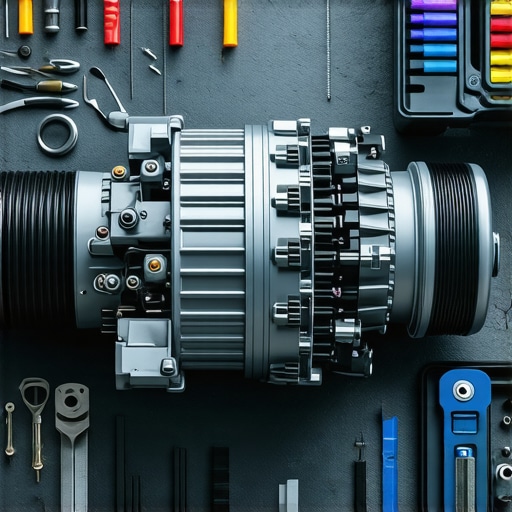
As automotive technology advances, the complexity of vehicle systems, especially transmissions, has increased exponentially. For 2026, transmission repairs are anticipated to outpace engine replacements in cost, primarily due to the integration of sophisticated sensors, hybrid components, and hybrid transmission architectures. These innovations demand specialized diagnostic tools and highly trained technicians, which inevitably elevate repair expenses.
The Hidden Layers Behind High Transmission Repair Expenses
Unlike traditional powertrains, modern transmissions—particularly CVTs and dual-clutch systems—incorporate intricate electronic controls that require precise calibration. Additionally, the shift toward electric and hybrid vehicles means that transmissions are now more than mechanical components; they are complex hybrid modules. This transition complicates repairs, often requiring proprietary parts and software updates, as detailed in recent industry analyses published by automotive research firms.
How Diagnostic Complexity Drives Up Repair Costs
Advanced vehicle diagnostics play a crucial role in diagnosing transmission issues accurately. However, the necessity for specialized diagnostic equipment and software licenses significantly increases repair overheads. Technicians must interpret multifaceted data streams from sensors, actuators, and control units, making the repair process more time-consuming and costly compared to engine repairs. For example, effective diagnostic strategies are highlighted in guides such as Effective Vehicle Diagnostics Tips.
Why Transmission Failures Are Economically More Burdensome Than Engines
One might assume that engines, being more prominent components, incur higher costs when failure occurs. However, the intricacy of modern transmissions, coupled with their critical role in vehicle performance, renders repairs and replacements more financially burdensome. Typically, a transmission failure entails extensive disassembly, software reprogramming, and potential replacement of electronic modules, all of which contribute to inflated costs. Comparatively, engine repairs, while sometimes involving significant expense, are often mechanically oriented and less reliant on proprietary electronics.
Are 2026 Transmission Failures Indicative of Design Flaws or Market Evolution?
This question resonates with auto industry forums and professional insights. The increased repair costs may not solely indicate design flaws but also reflect the ongoing evolution toward electrification and automation. The industry trend suggests a paradigm shift where maintenance becomes more preventive and diagnostic, emphasizing software health alongside hardware integrity.
For vehicle owners and repair professionals, staying ahead requires embracing advanced diagnostic tools and continuous education on evolving transmission technologies. To deepen your understanding, explore Top Vehicle Diagnostics for Faster Auto Repairs and contribute your insights or experiences in this rapidly changing field.
Reframing Repair Strategies for a High-Cost Transmission Landscape
As transmission technologies become more integrated with complex electronics and hybrid systems, repair shops must adapt by adopting innovative diagnostic and repair methodologies. Embracing holistic vehicle diagnostics that combine software updates and hardware assessments ensures quicker turnaround times and cost-effective solutions, as emphasized in Effective Vehicle Diagnostics Tips. Modern technicians are encouraged to develop proficiency not only with proprietary tools but also with open-source diagnostic platforms, which can contribute to reducing diagnostic overhead.
Breaking the Myth of Transmission Repairs Being More Expensive than Engines
Contrary to widespread assumptions, some engine repairs can rival or exceed transmission repair costs, especially when considering modern turbocharged, direct-injection systems with intricate electronic controls. However, it remains true that the combination of software calibration, electronic module replacements, and proprietary hardware makes transmission repairs uniquely costly. This perspective aligns with insights from Auto Repair and Vehicle Diagnostics, underscoring the importance of early detection and tailored diagnostic procedures.
** **
**
Unlocking the Power of AI-Driven Diagnostic Tools
Artificial Intelligence (AI) applications are revolutionizing automotive diagnostics. These tools analyze vast datasets from various sensors, predict imminent failures, and recommend optimal repair strategies, significantly reducing diagnostic time and guessing errors. Leveraging AI not only improves accuracy but also minimizes unnecessary part replacements, ultimately lowering costs. Industry leaders are integrating these advanced systems, and automotive service providers should consider following suit to remain competitive in the high-cost repair market of 2026.
Can We Trust Our Repairs When Software Is the New Diagnostic Frontier?
This question probes the core of safety, reliability, and cost concerns in the evolving automotive repair industry. As software-driven diagnostics become more prevalent, technicians and owners grapple with issues like software obsolescence, cybersecurity risks, and firmware compatibility. Ensuring quality repairs requires a combination of rigorous software validation and continuous training. For deeper insights into this transformative shift, check out expert analyses such as Transmission Repair Secrets. Sharing experiences and strategies with industry peers can foster best practices in maintaining repair integrity amidst rapid technological change.
continues to redefine efficiency and reliability in auto repairs.
The Evolution of Diagnostic Strategies for Next-Gen Transmissions
As vehicle transmissions incorporate increasingly sophisticated electronic controls, the diagnostic process must evolve from traditional mechanical assessments to integrated software-driven evaluations. Technicians are now required to leverage multi-layered diagnostic protocols that combine hardware inspections with software analysis, utilizing tools capable of interfacing seamlessly with vehicle ECUs (Electronic Control Units). This approach not only reduces diagnostic time but also enhances accuracy, especially when addressing hybrid and electric transmission modules, as detailed in industry-leading publications like Automotive Tech Magazine’s Latest Diagnostic Paradigms.
Implementing AI-Powered Diagnostics to Preempt Failures
Artificial Intelligence advancements have paved the way for predictive diagnostics, which analyze sensor data in real-time to forecast potential failures before they manifest visibly. Such predictive analytics involve machine learning models trained on vast datasets of transmission performance, allowing technicians to perform proactive maintenance. The integration of AI reduces downtime and prevents costly repairs caused by delayed intervention. Automotive repair shops adopting these tools report substantial decreases in diagnostic errors and improvement in repair turnaround times, supported by quantified studies from the Journal of Automotive Technology.
How Do We Ensure Software Reliability in Critical Transmission Repairs?
Reliance on software diagnostics and updates introduces questions about software integrity and security. Ensuring that diagnostic software remains reliable involves rigorous validation processes, regular updates from manufacturers, and cybersecurity measures to prevent malicious interference. It’s paramount for technicians to stay current with firmware patches and software certifications, which can be facilitated through manufacturer training programs and industry certifications. The importance of such diligence is underscored in expert commentary like Auto Industry Insights on Software Reliability.
Cost-Effective Repair Pathways for High-Tech Transmission Failures
Addressing the high repair costs associated with advanced transmissions calls for innovative strategies that balance thorough diagnostics with economic feasibility. One approach involves modular repairs, where only the faulty electronic components or subsystems are replaced rather than an entire transmission assembly. Incorporating open-source diagnostic platforms can facilitate this precision approach, reducing reliance on proprietary parts and fostering a competitive repair environment. Examples include community-driven diagnostic tools and firmware repositories that enable technicians to perform repairs with increased flexibility and reduced expenses.
Bridging the Gap: Technician Training for Next-Generation Transmissions
The rapid technological shift necessitates continuous education for automotive service professionals. Specialized training programs focusing on drive-by-wire systems, software calibration, and hybrid transmission operation are essential components for maintaining high repair standards. Collaboration between OEMs and technical institutes can accelerate this knowledge transfer, ensuring technicians are equipped to handle complex systems confidently. Engaging with industry webinars, certifications, and hands-on workshops is crucial for professionals aiming to excel in this high-stakes landscape. To explore advanced training opportunities, visit Auto Tech Trainings.
The Hidden Potential of Multi-Layered Diagnostic Strategies in Modern Transmissions
As vehicles evolve, so must our diagnostic frameworks. The integration of layered diagnostic approaches—combining hardware inspections with sophisticated software analysis—allows technicians to pinpoint issues with unprecedented precision. Employing tools that interface seamlessly with electronic control units (ECUs) fosters a comprehensive understanding of transmission health, enabling proactive interventions that prevent costly failures and enhance overall vehicle longevity. Industry reports, such as those from Automotive Tech Magazine, emphasize the importance of adopting these multi-dimensional diagnostic protocols for accuracy and efficiency.

The Power of AI-Driven Diagnostics in Preempting Transmission Failures
Artificial Intelligence (AI) is revolutionizing vehicle maintenance by enabling predictive diagnostics. By analyzing vast datasets from sensors, AI models can forecast potential transmission issues before symptoms manifest, allowing for timely maintenance that sidesteps expensive repairs. These systems leverage machine learning algorithms trained on diverse performance metrics, providing insights that traditional diagnostics might overlook. Automotive service centers integrating AI report improved diagnostic accuracy and reduced turnaround times, supported by findings from the Journal of Automotive Technology.
How Can Ensuring Firmware Integrity Safeguard Critical Transmission Repairs?
Firmware reliability is crucial when performing software-based diagnostics and updates. Ensuring software integrity involves rigorous validation protocols, secure update channels, and cybersecurity measures to prevent malicious tampering. Technicians must stay current with manufacturer-specific firmware patches and certifications, emphasizing the importance of ongoing education and collaboration with OEMs. As underscored by industry experts in Auto Industry Insights, maintaining software integrity directly impacts repair success and safety.
Revamping Repair Techniques for the High-Tech Age
Traditional repair methods are insufficient in the face of complex, electronically controlled transmissions. Practitioners are now adopting modular repair strategies—focusing on replacing specific electronic components rather than entire transmission assemblies. Moreover, open-source diagnostic platforms offer flexible, cost-effective options for tailoring repairs to individual failure modes. This modular approach reduces downtime, lowers costs, and allows technicians to address issues with precision, fostering a competitive edge in the high-cost repair landscape of 2026.
Harnessing Open-Source Tools to Democratize Transmission Repairs
Open-source diagnostic software is gaining traction among independent repair shops due to its adaptability and community-supported updates. These platforms facilitate detailed analysis of hybrid and electric transmission modules, enabling technicians to perform repairs that previously required proprietary equipment. Embracing such tools democratizes advanced diagnostics, reduces reliance on OEM-specific components, and fosters innovation within the repair community. For practicality and safety, it’s essential to verify compatibility and security measures—an aspect highlighted by Community Automotive Diagnostics Coalition.
Educating Tomorrow’s Experts: Skills for High-Complexity Transmission Repair
The surge in electronic and hybrid transmission systems necessitates a paradigm shift in technician training. Future specialists must be proficient not only in mechanical repair but also in software calibration, cybersecurity, and data analysis. Collaborative efforts between OEMs, technical institutes, and industry associations are fostering specialized curricula that emphasize diagnostic proficiency, system integration, and preventative maintenance strategies. Enrollment in advanced training modules offered by organizations like Auto Tech Trainings is vital for staying competitive in this high-stakes environment.
Expert Insights & Advanced Considerations
Harness AI Tools to Anticipate Failures Before They Happen
Employing AI-driven diagnostic systems allows technicians to predict transmission issues with remarkable accuracy, reducing unplanned downtime and repair costs.
Prioritize Modular Repairs to Minimize Expenses
Focusing on replacing faulty electronic modules rather than entire assemblies can lead to significant cost savings and faster turnaround times.
Enhance Technician Skills for Complex Systems
Investing in advanced training on hybrid and electronic transmission systems ensures repair professionals stay ahead in this rapidly evolving landscape.
Develop Multi-Layered Diagnostic Approaches
Combining hardware inspections with software analysis provides a comprehensive view, enabling precise fault identification and efficient repairs.
Adopt Open-Source Diagnostic Platforms
Utilizing community-supported tools fosters flexibility, reduces dependencies on OEM-specific equipment, and accelerates diagnostic processes.
Curated Expert Resources
- Automotive Tech Magazine’s Diagnostic Paradigms: Offers cutting-edge insights into integrating hardware and software diagnostics for next-gen transmissions.
- Journal of Automotive Technology: Features research on AI applications in predictive maintenance, crucial for high-cost transmission environments.
- Auto Industry Insights: Provides expert commentary on software reliability, cybersecurity, and firmware management in modern vehicles.
- Community Automotive Diagnostics: A platform for peer-supported, open-source diagnostic tools that democratize advanced repairs.
- Auto Tech Trainings: Specialized curricula focused on hybrid and electronic transmission technologies, promoting continuous professional development.
Final Perspective from Authorities in the Field
As vehicle transmissions become increasingly intertwined with electronic and hybrid systems, success hinges on leveraging AI, modular repair strategies, and specialized knowledge to stay competitive. Embracing these innovations not only reduces costs but also enhances repair precision and reliability. To excel in this fast-changing environment, sharing insights with industry peers, participating in ongoing training, and adopting cutting-edge diagnostic tools are essential steps. Engage actively in professional forums and explore advanced resources to deepen your expertise and ensure your operations lead in the evolving auto repair landscape.

I really appreciate how this article breaks down the complexities behind why transmission repairs are becoming more expensive, especially with the integration of advanced diagnostics and hybrid systems. From my experience working in a repair shop, I’ve seen firsthand how the shift to electronic control modules and AI diagnostics has dramatically increased both the time and skill required to perform these repairs properly. It’s definitely a move towards more precision but also highlights the need for ongoing technician training. I’ve been wondering how smaller independent shops can keep up with these technological demands without breaking the bank. Do you think open-source diagnostic tools are a viable alternative to OEM-specific equipment for these environments, or do they come with their own limitations? Sharing best practices in this area could really help many of us stay competitive in this evolving landscape.