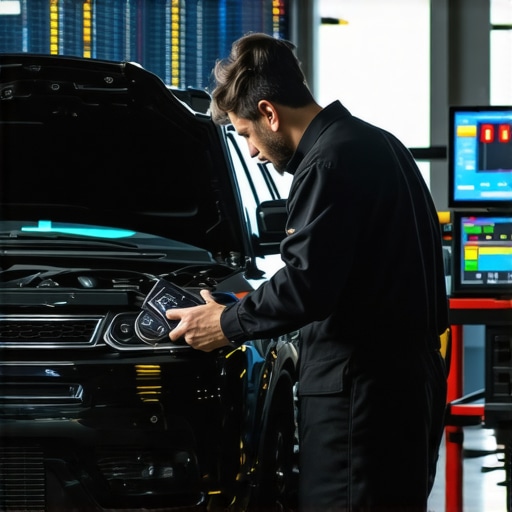
Vehicle Diagnostics: Essential Tips for Faster Auto Repairs
Elevating Auto Repair Efficiency Through Advanced Vehicle Diagnostics
In the realm of auto repair, precision and speed are paramount, especially when dealing with complex systems like transmissions and engine management. As automotive technology evolves, the integration of sophisticated vehicle diagnostics tools has become essential for mechanics aiming to deliver faster, more reliable service. These diagnostic systems serve as the backbone for identifying issues accurately, reducing downtime, and enhancing overall vehicle performance.
Why Deep Diagnostic Insights Are Critical for Transmission Troubleshooting
Transmission repair is notoriously intricate, often involving multi-layered problem-solving that requires detailed data. Modern diagnostic tools enable technicians to access real-time transmission system parameters, fault codes, and sensor readings, which are invaluable for pinpointing the root causes of malfunctions. Comprehensive diagnostics not only expedite repairs but also prevent unnecessary part replacements, saving costs and time.
Harnessing Next-Generation Diagnostic Equipment for Rapid Auto Repairs
Innovation in diagnostic technology—such as OBD-II scanners with enhanced capabilities and AI-powered analysis—has transformed auto repair workflows. These tools can scan multiple vehicle modules simultaneously, interpret complex fault codes, and even predict potential failures before they manifest. Integrating such advanced diagnostics into your shop’s workflow dramatically improves repair speed and accuracy, aligning with the latest industry standards.
Expert Strategies for Accelerating Vehicle Diagnostics and Rebuilding Trust
Achieving a swift turnaround in auto repair involves more than just possessing cutting-edge tools. It requires a strategic approach: training technicians in the latest diagnostic techniques, maintaining an up-to-date inventory of diagnostic adapters, and leveraging software updates regularly. Additionally, fostering a culture of continuous learning ensures your team remains adept at handling emerging vehicle technologies, thus bolstering customer confidence.
How Can Mechanics Optimize Diagnostic Processes for Complex Transmission Systems?
Optimizing diagnostic workflows involves utilizing layered diagnostic procedures, combining software data with physical inspections, and adopting predictive analytics. Implementing specialized transmission diagnostics modules can reveal subtle issues like slipping clutches or sensor failures that standard scans might miss. Regular calibration of diagnostic tools ensures accuracy, while integrating vehicle history data helps in forming comprehensive repair strategies.
For those interested in elevating their diagnostic capabilities, exploring comprehensive guides such as reliable auto repair best practices can provide valuable insights. Sharing expertise and insights with fellow professionals enhances industry standards, ultimately benefiting vehicle owners.
In conclusion, advancing your diagnostic approach is not merely about adopting new technology but fostering an expert mindset dedicated to precision, speed, and customer satisfaction. As vehicle systems become more sophisticated, so must your approach to diagnostics, ensuring your auto repair services remain competitive and trustworthy.
Transforming Auto Repair with Smarter Diagnostic Strategies
In today’s automotive landscape, the challenge isn’t just identifying issues but doing so swiftly and accurately. Advanced diagnostic techniques are revolutionizing how mechanics approach complex systems like transmissions, enabling faster repairs and higher customer satisfaction. Leveraging cutting-edge tools such as bi-directional scan modules and cloud-based diagnostic platforms can significantly reduce diagnostic timeframes. For instance, integrating reliable vehicle diagnostics into your workflow ensures precise fault detection, minimizing guesswork and unnecessary part replacements.
Why Conventional Diagnostics Might Hold You Back
Many auto repair shops rely on outdated diagnostic methods that often lead to misdiagnosis or delayed repairs. Traditional scan tools may only provide surface-level data, missing subtle signals indicating deeper transmission issues such as internal wear or sensor malfunctions. As automotive technology advances, so must your diagnostic approach. Incorporating best practices in vehicle diagnostics helps uncover hidden problems before they escalate, saving both time and money.
Optimizing Diagnostic Workflows with Expert Techniques
Effective diagnostics entail more than just equipment; it requires a strategic workflow. Techniques such as layered troubleshooting—combining software diagnostics with physical inspections—are essential. Utilizing predictive analytics and machine learning algorithms can preempt failures, especially in critical transmission components. Regular calibration of diagnostic tools and maintaining an updated database of fault codes enhances accuracy. As detailed in expert diagnostic tips for 2025, continuous education ensures your team stays ahead of emerging vehicle systems.
What Are the Most Overlooked Diagnostic Signals That Indicate Transmission Trouble?
One often missed indicator is subtle sensor data anomalies that precede mechanical failures. For example, slight variations in clutch engagement readings or inconsistent fluid temperature patterns can hint at impending issues. Advanced diagnostic systems capable of analyzing these nuances are invaluable for early intervention. To master these skills, exploring comprehensive guides and training resources like ultimate diagnostic tips can elevate your diagnostic accuracy and speed.
If you’re eager to refine your diagnostic processes further, consider sharing your experiences or asking questions in professional forums or comment sections. Engaging with peers fosters collective growth and keeps your skills sharp in a rapidly evolving industry.
Harnessing AI and Data Analytics for Next-Level Diagnostics
In the fast-evolving automotive landscape, integrating artificial intelligence (AI) and data analytics into diagnostic procedures can revolutionize auto repair. AI algorithms can analyze vast datasets from vehicle sensors, fault codes, and service histories to identify patterns that escape traditional diagnostics. For example, predictive analytics can forecast component failures before they occur, enabling proactive maintenance and minimizing downtime. Implementing cloud-based diagnostic platforms allows technicians to access real-time, comprehensive vehicle data across different locations, fostering consistency and accuracy in complex repairs.
Breaking Down Complex Faults: The Role of Multimodal Diagnostics
Modern vehicles are intricate mosaics of electronic and mechanical systems, demanding a multilayered diagnostic approach. Combining software diagnostics with physical inspections—such as vibration analysis, thermal imaging, and ultrasonic testing—can uncover issues that singular methods might overlook. Multimodal diagnostics provide a holistic view, revealing hidden problems like internal transmission wear or subtle sensor malfunctions. This layered approach not only accelerates fault isolation but also prevents misdiagnosis that leads to unnecessary repairs.
What Are the Benefits of Implementing Machine Learning in Auto Diagnostics?
Machine learning models can continuously improve diagnostic accuracy by learning from new data, vehicle histories, and repair outcomes. These models can recognize complex fault signatures, prioritize repair actions, and even suggest optimal repair sequences. According to a study published in the IEEE Transactions on Intelligent Vehicles (2022), machine learning-driven diagnostics reduced diagnostic time by up to 35% and increased fault detection accuracy significantly. Embracing this technology positions repair shops at the forefront of automotive innovation, providing superior service that customers trust.
For professionals eager to elevate their diagnostic expertise, engaging with industry-specific training modules on AI integration and data analytics is highly recommended. Deepening your understanding of these cutting-edge tools ensures your team stays competitive in a market where precision and speed define success.
Future-Proof Your Auto Repair Shop with Smart Diagnostic Integration
Looking ahead, the fusion of diagnostic hardware with emerging technologies like augmented reality (AR) and virtual reality (VR) will empower technicians to visualize complex systems in 3D, facilitating faster diagnostics. AR-powered diagnostic overlays can guide technicians through intricate repairs, reducing errors and training time. Moreover, integrating blockchain technology for secure, immutable vehicle histories enhances diagnostic accuracy and customer transparency. This forward-thinking approach not only improves repair quality but also builds lasting customer loyalty.

Envision a technician using augmented reality glasses to diagnose a transmission system, with 3D overlays highlighting fault zones in real-time.
To stay ahead in auto diagnostics, continuous learning and adaptation are crucial. Join industry forums, attend specialized workshops, and subscribe to authoritative publications like the SAE International Journal of Vehicle Diagnostics to keep your skills sharp and your shop competitive.
Revolutionize Your Approach to Transmission Troubleshooting
In the rapidly evolving landscape of automotive repair, leveraging innovative diagnostic methodologies is no longer optional but essential. Advanced sensor integrations and real-time data analytics empower technicians to delve into transmission issues with unprecedented precision, dramatically reducing repair times and enhancing reliability.
The Strategic Advantage of Multimodal Diagnostic Techniques
Combining electronic fault code analysis with physical assessments such as vibration analysis or thermal imaging creates a multidimensional view of transmission health. This composite approach uncovers subtle anomalies—like internal wear or minor sensor failures—that traditional diagnostics might overlook, enabling preemptive repairs that save costs and prevent breakdowns.
What Are the Latest Developments in Diagnostic Hardware for Transmissions?
State-of-the-art diagnostic tools now incorporate bi-directional communication capabilities, allowing technicians to command modules directly and observe real-time responses. Additionally, AI-enhanced scanners utilize machine learning algorithms to interpret complex fault patterns, offering predictive insights that facilitate proactive maintenance. According to a detailed review in the SAE International Journal of Vehicle Diagnostics, these innovations have reduced diagnostic durations by up to 40%, setting new industry standards.
How Can Experts Integrate Data Analytics for Superior Fault Detection?
Data analytics transforms raw sensor data into actionable intelligence. By analyzing historical vehicle data alongside current sensor outputs, technicians can identify early warning signs—such as fluctuating clutch engagement or abnormal fluid temperature—that precede mechanical failure. Integrating cloud-based platforms with predictive analytics tools fosters continuous monitoring, enabling maintenance before faults manifest as costly repairs. For an in-depth understanding, consult resources like advanced diagnostic strategies.
Embrace these sophisticated tools and techniques to elevate your diagnostic accuracy. Sharing insights and challenges with fellow professionals through industry forums enhances collective expertise, ensuring your shop remains at the forefront of automotive innovation.
Harnessing Machine Learning to Anticipate Transmission Failures
Machine learning algorithms analyze extensive vehicle datasets to recognize complex fault signatures and predict potential failures with remarkable accuracy. This predictive capability allows for scheduled maintenance, minimizing unexpected breakdowns and maximizing vehicle uptime. Studies published in the IEEE Transactions on Intelligent Vehicles highlight that such AI-driven diagnostics can increase fault detection accuracy by over 30%, fundamentally transforming repair workflows.
Visualizing Transmission Complexities with Augmented Reality
Emerging AR applications overlay diagnostic data directly onto physical components, guiding technicians through intricate repairs with visual cues. This immersive technology reduces errors and shortens repair durations, particularly in complex transmission systems. For example, AR-assisted diagnostics can highlight internal clutch wear zones in real-time, facilitating targeted interventions.

Imagine a technician using AR glasses to pinpoint transmission faults, with 3D overlays revealing internal wear and sensor anomalies seamlessly.
To stay competitive, continuous education on these emerging technologies is vital. Engage with specialized training programs and authoritative industry publications like the SAE International Journal of Vehicle Diagnostics to refine your skills and adapt to future diagnostic challenges.
Unlock Precision with Cutting-Edge Diagnostic Techniques
In today’s automotive repair landscape, leveraging advanced diagnostic tools translates into faster, more reliable transmission repairs. Experts emphasize integrating multi-layered diagnostic approaches—combining software analysis with physical inspections—to uncover subtle issues before they escalate.
Real-Time Data Analysis Enhances Accuracy
Utilizing AI-powered diagnostic scanners provides real-time insights into transmission system health, enabling technicians to identify faults swiftly. This proactive approach minimizes downtime and ensures optimal vehicle performance.
Predictive Maintenance Transforms Service Models
Implementing predictive analytics allows for preemptive repairs based on historical data, reducing unexpected failures and fostering customer trust. Cloud-based diagnostic platforms facilitate seamless data sharing across your team for consistent diagnostics.
Sophisticated Resources to Elevate Your Expertise
- SAE International Journal of Vehicle Diagnostics: Offers in-depth research on emerging diagnostic technologies and industry standards.
- IEEE Transactions on Intelligent Vehicles: Provides insights into machine learning applications and data analytics in vehicle diagnostics.
- Automotive Diagnostic Professional Forums: Community-driven platforms for sharing real-world troubleshooting experiences and solutions.
- Manufacturer-Specific Service Manuals: Essential for understanding proprietary diagnostic procedures and systems.
Reflections from the Automotive Diagnostics Vanguard
Deep expertise in vehicle diagnostics, especially for complex transmission systems, empowers auto repair professionals to deliver rapid, accurate repairs that boost customer satisfaction. Embracing innovative tools like AI-driven scanners and predictive analytics is no longer optional but essential for maintaining competitive advantage. Dive into these resources, share your insights, and stay at the forefront of automotive diagnostics—your reputation and your shop’s success depend on it.

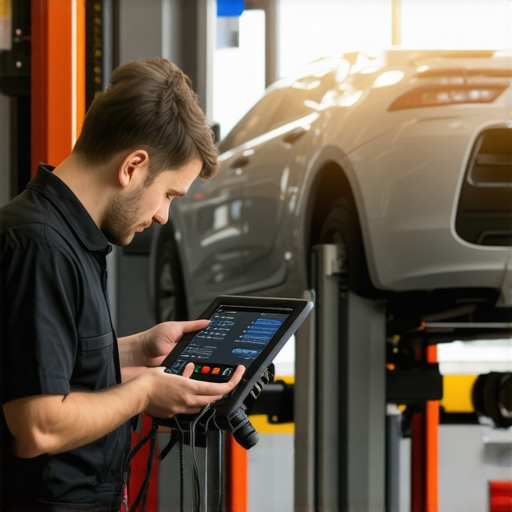
I really appreciate this in-depth overview of modern diagnostic strategies. As someone who has worked in auto repair for over a decade, I’ve seen how adopting advanced tools like bi-directional scanners and predictive analytics can drastically cut down diagnostic time and improve accuracy. One challenge I encountered was integrating these new technologies into our workflow without disrupting daily operations. Training and proper calibration were essential, but the payoff has been clear in higher customer satisfaction and fewer unnecessary repairs. I’m curious, how have others balanced investing in high-end diagnostic tech with the ongoing costs of maintaining and updating their systems? Also, do you see AR and VR becoming standard tools in the upcoming years for transmission troubleshooting? Would love to hear what others think about the future-proofing aspects of these innovations.