Vehicle Diagnostics: Ultimate Tips to Speed Up Auto Repair
Mastering the Art of Vehicle Diagnostics for Rapid Auto Repair
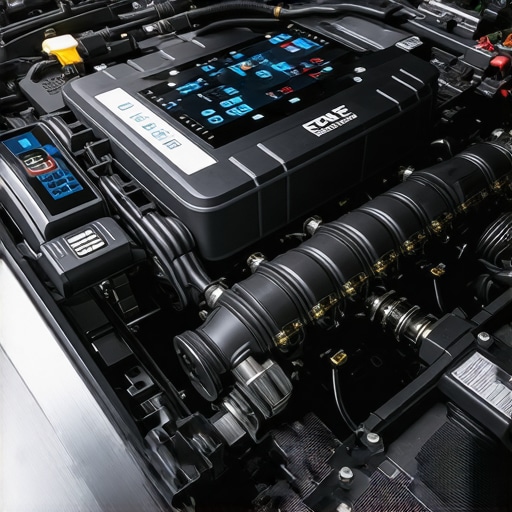
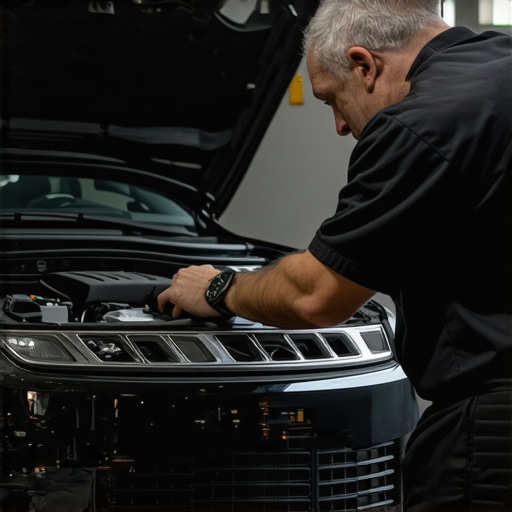
In the realm of automotive maintenance, precision diagnostics are the cornerstone of swift and reliable repairs. Leveraging cutting-edge diagnostic tools and a deep understanding of vehicle systems can significantly reduce downtime and increase customer satisfaction. This article explores advanced techniques and strategic insights that automotive professionals employ to accelerate auto repair processes, especially focusing on transmission diagnostics and comprehensive vehicle analysis.
Unlocking the Power of Integrated Diagnostic Systems
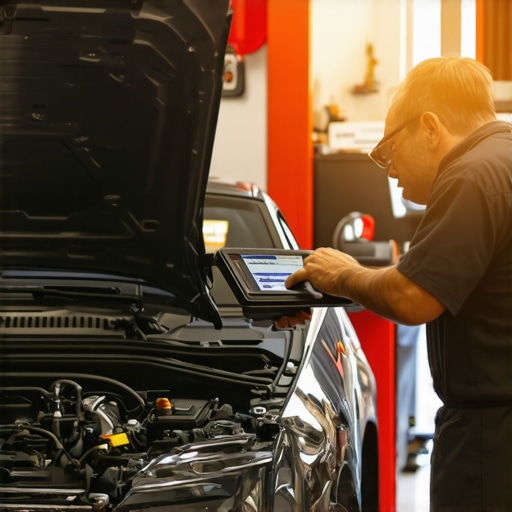
Modern vehicles are equipped with complex electronic control units (ECUs) that require sophisticated diagnostic protocols. Utilizing integrated diagnostic systems, such as OBD-II scanners with enhanced capabilities, allows technicians to pinpoint issues with remarkable accuracy. These systems can analyze multiple subsystems simultaneously, revealing hidden faults that traditional methods might overlook. For example, diagnosing transmission problems often involves assessing sensor inputs, solenoid functions, and fluid conditions to determine root causes efficiently.
Why Precise Transmission Diagnostics Transform Auto Repair
Transmission diagnostics have evolved from simple fluid checks to comprehensive electronic assessments. Advanced diagnostic procedures include real-time data streaming and actuator testing, which enable the technician to observe the transmission’s behavior under operational conditions. This approach minimizes guesswork and expedites the repair process. As outlined in auto repair expert guides, mastering transmission diagnostics significantly improves repair turnaround times and vehicle performance.
The Role of Data-Driven Insights in Modern Diagnostics
Leveraging data analytics and machine learning algorithms can predict potential failures before they manifest as noticeable symptoms. By integrating telematics and onboard diagnostics with cloud-based systems, technicians gain a holistic view of vehicle health. This proactive approach enables preemptive maintenance, reducing repair times and preventing costly breakdowns. As industry leaders argue, embracing these data-driven strategies is essential for staying ahead in competitive auto repair markets.
How Do Advanced Diagnostic Tools Improve the Accuracy of Complex Repairs?
State-of-the-art diagnostic tools enhance repair accuracy by providing detailed fault codes, live sensor data, and system calibration options. These tools help technicians identify subtle issues like transmission slipping or sensor misalignment, which traditional methods might miss. Additionally, they facilitate faster troubleshooting by reducing the need for disassembly, ultimately leading to quicker repairs and increased customer trust.
For professionals seeking to deepen their expertise, exploring comprehensive resources such as auto repair industry insights can be invaluable. Continuous education and adopting innovative diagnostic technologies are vital for maintaining a competitive edge in auto repair.
If you aim to optimize your vehicle diagnostics workflow, consider integrating reliable, proven strategies discussed in industry literature. Sharing insights and experiences with peers can further refine diagnostic accuracy and repair speed, fostering a community of excellence in automotive care.
Beyond Surface-Level Checks: The Future of Transmission Diagnostics
Automotive professionals are increasingly leveraging sophisticated diagnostic methods that go far beyond traditional fluid checks. Techniques such as waveform analysis, electrical circuit testing, and sensor pattern recognition enable technicians to identify subtle transmission issues, like solenoid coil failures or valve body wear, with unprecedented precision. As outlined in auto repair expert guides, adopting these advanced diagnostics not only accelerates repairs but also enhances overall vehicle reliability.
Harnessing Artificial Intelligence to Predict Failures
One breakthrough transforming auto diagnostics is the integration of artificial intelligence (AI) and machine learning algorithms. These systems analyze vast amounts of vehicle data in real time, detecting patterns indicative of impending failures. For instance, subtle shifts in transmission fluid temperature or pressure, when viewed through AI models, can predict issues days before symptoms appear, allowing preemptive maintenance. Industry leaders emphasize that embracing these technologies is crucial for maintaining competitive advantage in a fast-evolving automotive landscape.
What Are the Barriers to Implementing Next-Gen Diagnostic Tools?
Despite the clear benefits, many auto repair shops face challenges such as high initial costs, training requirements, and integration complexities. Overcoming these hurdles involves strategic investment in training programs and phased adoption of diagnostic systems. Manufacturers are increasingly offering scalable solutions that integrate seamlessly with existing shop management software, making the transition smoother and more cost-effective.
Embracing Continuous Education to Stay Ahead
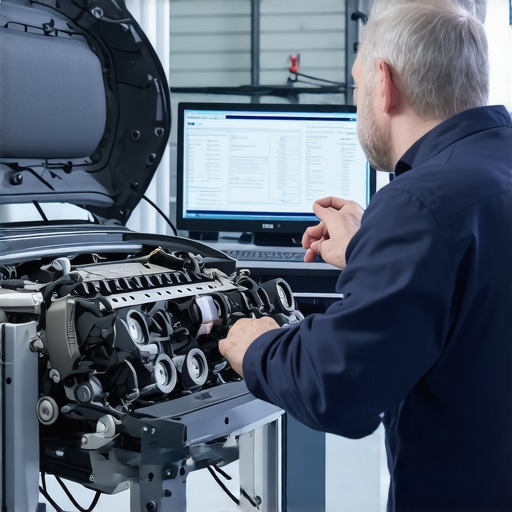
Expertise in vehicle diagnostics is not static. As vehicle technology evolves rapidly, ongoing education becomes essential. Participating in workshops, industry seminars, and online courses—like those recommended in auto repair industry insights—ensures technicians stay updated on the latest diagnostic protocols and tools. This commitment to learning directly translates into faster, more accurate repairs and higher customer trust.
How Can Diagnostic Strategies Be Tailored for Electric and Hybrid Vehicles?
Electric and hybrid vehicles introduce a new set of diagnostic challenges, with complex battery management systems and high-voltage components. Experts are developing specialized tools that can safely and accurately assess these systems, reducing repair times and improving safety standards. As the industry shifts, integrating these advanced diagnostics is vital for future-proofing service operations.
For those eager to deepen their diagnostic expertise, exploring comprehensive resources such as auto repair industry insights can be invaluable. Sharing experiences and insights with peers in online forums or professional networks fosters a culture of continuous improvement and innovation.
Harnessing Waveform Analysis to Detect Subtle Transmission Flaws
One of the most sophisticated approaches gaining traction in auto repair is waveform analysis, which allows technicians to identify minute irregularities in electronic signals within transmission systems. Unlike traditional sensor checks, waveform analysis provides real-time insights into the dynamic behavior of solenoid coils, valves, and pressure sensors. By examining the electrical patterns, experts can detect issues such as coil short circuits or misfiring, often before they manifest as noticeable symptoms, enabling preemptive repairs that save time and money.
Implementing Predictive Maintenance with High-Resolution Data
Predictive maintenance is evolving from a futuristic concept into an industry standard. Leveraging high-resolution data collected through advanced diagnostic tools and integrated telematics, technicians can monitor parameters like transmission fluid temperature, pressure fluctuations, and sensor calibration in real time. Machine learning algorithms process this data to identify trends indicative of impending failure. For example, a gradual increase in solenoid activation time might signal wear, prompting scheduled service rather than reactive repairs, thus optimizing workflow and enhancing customer trust.
How Do High-Fidelity Diagnostics Reduce Repair Guesswork in Complex Systems?
High-fidelity diagnostics incorporate multi-layered data collection, including electrical waveform capture, thermal imaging, and system calibration logs. This multi-modal approach reduces reliance on assumptions, allowing technicians to pinpoint issues with surgical precision. For instance, in hybrid transmissions, where high-voltage components complicate diagnosis, such detailed data helps differentiate between electrical faults and mechanical wear, streamlining repair processes and preventing unnecessary component replacements.

Integrating AI for Smarter Fault Prediction and Resolution
Artificial intelligence is revolutionizing auto diagnostics by enabling systems to learn from vast datasets of vehicle behavior. AI-driven diagnostic platforms analyze patterns across thousands of transmission repair cases, recognizing subtle signals that precede failures. This predictive capability allows technicians to perform targeted interventions, reducing downtime and improving reliability. For example, AI can flag early signs of valve body degradation, guiding precise component replacement before a breakdown occurs. As industry reports from Auto Industry Journal suggest, integrating AI into diagnostics workflows leads to significant efficiency gains and cost savings.
Overcoming Barriers to Next-Gen Diagnostic Adoption
Despite the clear advantages, many auto repair shops face hurdles such as high upfront costs and the steep learning curve associated with new technologies. To address this, industry leaders recommend phased implementation strategies, starting with high-impact diagnostic tools that provide immediate benefits. Investing in comprehensive training programs ensures technicians develop the necessary expertise, maximizing return on investment. Additionally, the development of scalable, user-friendly diagnostic platforms by manufacturers facilitates smoother integration into existing workflows, making advanced diagnostics accessible to a broader range of shops.
If you’re committed to elevating your diagnostic capabilities, exploring ongoing education opportunities and industry collaborations is essential. Engaging with professional networks and attending specialized workshops can accelerate proficiency and keep your shop at the forefront of automotive technology innovation.
Future-Proofing Diagnostics for Electric and Hybrid Vehicles
The shift towards electric and hybrid vehicles introduces new diagnostic complexities, especially concerning high-voltage systems and battery management units. Experts are developing specialized diagnostic equipment capable of safely assessing these components with high precision. Techniques such as thermal imaging of battery packs, high-voltage circuit testing, and software-based system calibration are becoming standard practice. Staying ahead in this evolving landscape requires continuous learning and investment in cutting-edge tools designed for electrified powertrains. To deepen your expertise, consider resources like EV and Hybrid Diagnostics Guide, which offers comprehensive insights into the latest techniques and best practices.
Unveiling the Secrets of High-Precision Transmission Testing
In the competitive landscape of auto repair, mastering the nuances of transmission diagnostics can be the difference between a quick fix and a prolonged repair. Advanced techniques such as waveform analysis and electrical circuit testing enable technicians to detect issues like coil short circuits, solenoid failures, and valve body wear with unprecedented accuracy. These methods surpass traditional fluid checks and sensor inspections, providing a comprehensive understanding of the transmission’s health. Investing in high-fidelity diagnostic tools that capture real-time electrical signals allows for surgical interventions, reducing unnecessary part replacements and streamlining workflow.
Harnessing the Power of Predictive Analytics for Preemptive Maintenance
Predictive analytics, driven by machine learning algorithms, transforms transmission diagnostics from reactive to proactive. By analyzing high-resolution data from onboard sensors, telematics, and cloud-based platforms, technicians can identify subtle patterns indicating impending failure. For instance, gradual increases in solenoid activation times or pressure fluctuations serve as early warning signs. Implementing such predictive models not only minimizes downtime but also enhances customer satisfaction by preventing breakdowns before they occur. Industry sources like Auto Industry Journal emphasize that integrating AI-driven diagnostics is essential for future-proofing auto repair services.
What are the technological barriers to adopting AI-powered diagnostics, and how can shops overcome them?
Despite their benefits, barriers such as high initial costs, complex integration processes, and the need for specialized training hinder widespread adoption. Overcoming these challenges involves phased implementation, focusing on scalable solutions that integrate seamlessly with existing shop management systems. Continuous professional development and partnerships with technology providers can facilitate smoother transitions. As outlined by experts in auto repair innovation resources, staying ahead requires strategic investment and ongoing education.

Leveraging Waveform and Thermal Imaging for Detecting Hidden Transmission Flaws
Waveform analysis offers a window into the dynamic electrical behavior within transmission systems, identifying issues such as coil misfiring and circuit instability before symptoms emerge. Complementing this, thermal imaging detects abnormal heat patterns indicating slipping clutches or overheating components, facilitating early intervention. These techniques are invaluable for diagnosing complex, high-voltage hybrid and electric vehicle transmissions, where traditional methods fall short. Incorporating such advanced diagnostics elevates repair quality and reduces repeat visits, aligning with the insights provided by EV and Hybrid Diagnostics Guide.
Future-Oriented Diagnostics for Electrified Powertrains
The surge of electric and hybrid vehicles necessitates specialized diagnostic approaches. High-voltage system testing, software calibration, and thermal imaging are now standard practices for assessing battery packs, inverter units, and electric motors. Developing expertise in these areas ensures technicians can accurately diagnose issues without risking safety or causing further damage. Continuous education through industry seminars and targeted certifications, such as those offered by Autotech Training Institute, is critical for staying current with evolving technologies.
Expert Insights & Advanced Considerations
Leverage Cutting-Edge Diagnostic Technologies
Utilize state-of-the-art tools like high-fidelity waveform analysis and AI-driven predictive models to identify transmission issues before they escalate, ensuring faster and more reliable repairs.
Prioritize Data-Driven Maintenance Approaches
Integrate telematics and cloud-based vehicle health monitoring systems to facilitate proactive diagnostics, reducing downtime and enhancing customer satisfaction through timely interventions.
Develop Specialized Skills for Electric and Hybrid Vehicles
Invest in training for high-voltage system diagnostics, including thermal imaging and software calibration, to stay ahead in the rapidly evolving electric vehicle landscape.
Optimize Diagnostic Workflows for Efficiency
Streamline procedures by combining waveform analysis with traditional checks, minimizing disassembly and diagnostic time, and maximizing shop throughput.
Stay Updated with Industry Innovations
Engage with expert resources and participate in continuous education to keep pace with emerging diagnostic techniques and tools, ensuring your auto repair service remains competitive.
Curated Expert Resources
- Auto Industry Journal: Offers in-depth articles on AI and predictive analytics integration in vehicle diagnostics.
- EV and Hybrid Diagnostics Guide: Provides specialized insights into high-voltage system testing and software calibration for electrified vehicles.
- Autotech Training Institute: Offers certifications and courses on advanced diagnostics and safe high-voltage system repairs.
- Reliable Auto Cares Blogs: Contains practical tips, case studies, and updates on innovative diagnostic methods for modern vehicles.
- Professional Networks and Forums: Facilitate peer-to-peer knowledge exchange and industry best practices.
Final Expert Perspective
In the realm of vehicle diagnostics, embracing advanced tools and expert insights is essential for delivering rapid, reliable auto repairs. Modern diagnostics, especially for complex systems like transmissions in electric and hybrid vehicles, demand a strategic combination of technology, skills, and ongoing education. The future of auto repair hinges on integrating AI, waveform analysis, and predictive analytics to stay ahead of emerging challenges. Engage deeply with professional resources, share your knowledge, and continually refine your expertise to excel in this dynamic industry. Your commitment to innovation will not only elevate your service quality but also set new standards for efficiency and accuracy in auto diagnostics. For those ready to lead the charge, explore comprehensive training and industry insights to shape the future of automotive repair.