The Engineering Reality of Internal Combustion Lubrication
In the professional landscape of car service and auto repair, the oil filter is frequently miscategorized as a simple commodity. However, from the perspective of forensic vehicle diagnostics, the filter is a sophisticated component of the engine’s life-support system. A common misconception in the automotive community is that all filters meeting OEM specifications are created equal. In reality, the difference between a five-dollar bargain filter and a twenty-dollar performance unit lies in the microscopic architecture of the filtration media and the structural integrity of the internal valves. High-end filters utilize synthetic micro-glass fibers that provide a significantly higher ‘Beta Ratio’—a technical measure of filtration efficiency—compared to the resin-impregnated cellulose found in budget options. When you consider that why synthetic oil is cheaper than conventional in the long run, it becomes clear that pairing premium lubricants with inferior filtration is a counterproductive strategy that accelerates component wear.
Why Cellulose Media Fails Where Synthetic Micro-Glass Succeeds
Budget filters primarily rely on cellulose (paper) media, which features inconsistent pore sizes and a relatively low capacity for holding contaminants. Under the high-pressure conditions of a modern engine, these fibers can swell and restrict flow, eventually triggering the bypass valve. Conversely, premium filters employ a multi-layered synthetic mesh. This design allows for a higher flow rate while simultaneously capturing particles as small as 10 to 20 microns. According to technical standards established by the Society of Automotive Engineers (SAE), these micro-glass structures maintain their shape even under extreme thermal stress, ensuring that the engine receives clean oil during both cold starts and high-speed operation. Relying on inferior filtration often leads to the very issues identified in the hidden world of vehicle diagnostics, where microscopic debris causes scoring on camshaft lobes and crankshaft bearings.
Does a High-Flow Filter Actually Compromise Particle Capture?
This is a frequent point of contention in enthusiast forums. The technical answer involves the ‘surface area vs. depth’ filtration debate. Cheap filters use a thin layer of paper that relies on surface loading, which clogs quickly. Professional-grade filters utilize depth filtration, where particles are trapped throughout the thickness of the media. This allows for ‘high flow’ without sacrificing ‘high efficiency.’ If a filter’s flow rate is too low, the engine’s oil pressure can drop, leading to symptoms that mimic more serious mechanical failures. To avoid these pitfalls, it is essential to unlock your cars potential with expert auto repair tips that prioritize component synergy over initial cost savings.
The Structural Vulnerabilities of Bargain-Bin Filtration
Beyond the media, the internal construction of a filter determines its failure point. Expensive filters typically feature silicone anti-drainback valves, which remain flexible even in sub-zero temperatures. Budget filters often use nitrile rubber, which can harden and crack, allowing oil to drain into the pan when the engine is off. This results in ‘dry starts,’ where the engine runs without lubrication for several critical seconds. Furthermore, the bypass valve in a cheap filter may be made of thin stamped metal or plastic, which can fail in the open position, allowing unfiltered oil to circulate through your transmission and engine indefinitely. To ensure your vehicle remains in peak condition, contact our specialists today for a professional lubrication system audit. Understanding these nuances is the first step in learning how to spot a fake mechanic recommended service scam and ensuring your vehicle receives the quality it deserves.
Why Your Variable Valve Timing Demands High-Pressure Precision
Modern engines use oil as a hydraulic fluid, not just a lubricant. In Variable Valve Timing (VVT) systems, the Engine Control Unit adjusts camshaft timing by pulsing oil through narrow galleries to move cam phasers. If your oil filter has a high internal restriction or a bypass valve with an incorrect PSI rating, the resulting pressure drop can delay these crucial adjustments. This latency often triggers a diagnostic limp mode, a frustrating state where you might need to know how to get your car out of limp mode without a tow truck. When the engine cannot achieve the requested timing, performance drops and fuel consumption spikes, often leading to a situation where why your car oil light comes on at idle becomes a primary diagnostic concern for technicians.
Can a Substandard Filter Mimic a Failing Oil Pump?
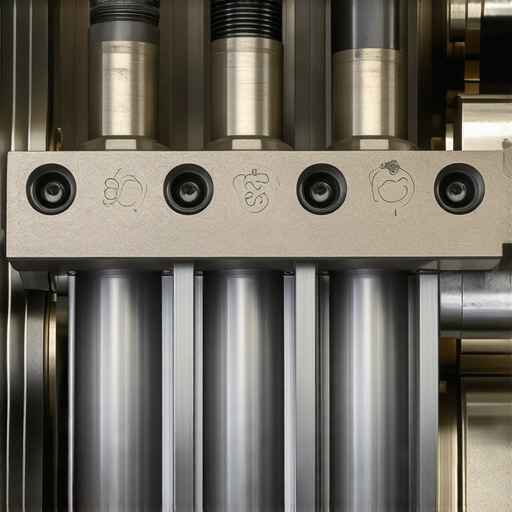
The short answer is yes. In forensic automotive analysis, many owners misdiagnose low oil pressure as a failing pump when the real issue is ‘filter collapse.’ This occurs when the internal cage of a budget-grade filter cannot withstand the suction of the oil pump during high-RPM operation or cold-weather thickening. The media buckles inward, physically choking the oil supply to the upper valvetrain. You might experience a sudden loss of power or a stuttering engine, similar to the symptoms described in how to fix a car that will not rev past 3000 rpm. By the time the check engine light illuminates, the internal friction could have already reached a critical point. This highlights why why your check engine light stays on after you fixed the problem if the root cause—poor filtration structural integrity—was never addressed during the initial repair.
Stop Relying on the Bypass Valve to Save Your Engine
The bypass valve is a fail-safe, not a feature intended for regular operation. It exists to prevent total oil starvation if the filter becomes completely clogged or during extreme cold starts when the oil is too viscous to pass through the media. However, while the bypass protects the engine from immediate seizure, it does so by circulating unfiltered, gritty oil directly into the engine’s main galleries. According to technical data from Machinery Lubrication, even a few hours of operation in bypass mode can introduce enough debris to significantly shorten the lifespan of hydraulic lifters and sensitive turbocharger bearings. This is particularly dangerous for those following the ‘lifetime’ maintenance myth, which we have thoroughly debunked in our analysis of the truth about lifetime transmission fluid claims. Quality filtration ensures the bypass valve remains closed under all but the most extreme conditions, maintaining the pristine environment your engine’s high-tolerance components require.
The Chemistry of Media Bonding in Modern Synthetics
The adhesives used to bond the filtration media to the end caps must withstand a harsh cocktail of acidic combustion byproducts, fuel dilution, and extreme thermal cycling. Budget manufacturers often use low-grade epoxies that can turn brittle and crack over a standard service interval. When these bonds fail, oil takes the path of least resistance—straight through the gaps without ever passing through the filtration media. This invisible failure is far more common than a burst canister and represents a silent killer of modern engines. For those looking to implement a more comprehensive maintenance strategy, it is worth mastering the top auto repair techniques every car owner should know to identify these mechanical nuances before they lead to catastrophic failure. If you’ve recently switched to a performance oil but kept your old filter brand, you might be leaving protection on the table. Have you ever noticed a change in engine noise or fuel economy after switching filter brands? Share your findings in the comments below to help the community make better maintenance choices.
While we often focus on the media itself, the interface between the filter and the engine block is a frequent point of overlooked failure. The baseplate design—specifically the thickness of the steel and the number of inlet holes—dictates the structural rigidity of the entire assembly. Under high-pressure surges, a thin baseplate can flex, causing the gasket to ‘burp’ oil. This isn’t just about a mess on your driveway; it’s about maintaining a constant hydraulic seal. High-end filters utilize heavy-gauge steel and precision-machined threads to ensure that the filter remains seated perfectly, even when the oil pump is pushing maximum volume during a cold start. This mechanical stability is a hallmark of professional car service and high-standard auto repair.
Does increasing filter size offer better protection?
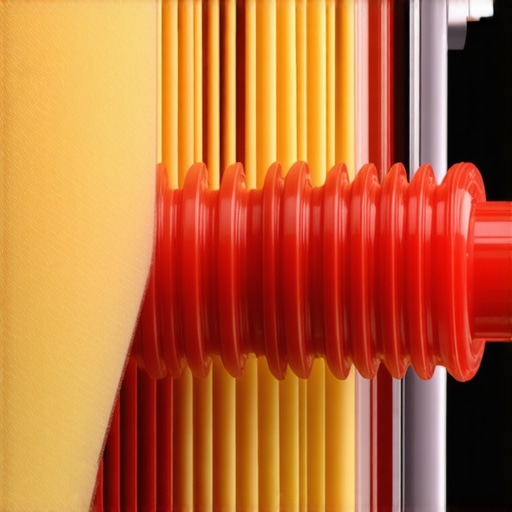
It is a common tactic among performance tuners to swap the stock filter for a physically larger variant from the same manufacturer. The logic is that more surface area equals more capacity and less restriction. While this can be true, it introduces variables like oil volume lag—the time it takes the pump to fill the larger canister before pressure reaches the valvetrain. If the filter is mounted horizontally, the drainback risk increases. Professional vehicle diagnostics often reveal that while a larger filter might extend the service interval slightly, it does not fundamentally change the filtration efficiency of the media itself. You are essentially buying a larger trash can, not a better filter. To understand the balance between volume and pressure, one must look at the specific hydraulic requirements of their transmission and engine architecture.
Shielding Turbocharger Bearings from Microscopic Scouring
The relationship between micron ratings and turbocharger health is perhaps the most critical argument for high-grade filtration. A turbocharger’s center hub rotating assembly (CHRA) operates on a thin film of oil, with clearances often tighter than the thickness of a human hair. Particles as small as 5 to 7 microns—too small to see but large enough to pass through a budget cellulose filter—act like sandpaper on these precision bearings. According to the ISO 4548-12 multi-pass test standard, which evaluates how well a filter removes particles over time, premium synthetic media maintains high efficiency at these critical low-micron levels. For drivers of turbocharged vehicles, a ‘good enough’ filter is a recipe for a multi-thousand dollar repair bill. This emphasizes the importance of routine maintenance that doesn’t cut corners on parts. If you are noticing strange noises from your induction system, it might be worth investigating how to fix a car that will not rev past 3000 rpm to see if lubrication issues are the culprit.
Preventing the Slow Drip with High-Performance Elastomers
We also have to consider the anti-drainback valve’s role in long-term wear. When you shut off your engine, gravity wants to pull the oil back into the pan. If the valve fails or stiffens due to heat, the top end of your engine is left dry. Upon the next startup, metal-on-metal contact occurs for those first few seconds. Over a hundred thousand miles, these ‘dry starts’ account for a significant percentage of total engine wear. If you’re concerned about your vehicle’s longevity, it might be time to investigate the internal specs of your current filter choice. Check the manufacturer’s data sheet for ‘Beta Ratios’ at 20 microns; if they won’t publish that data, there is usually a reason why. For a more detailed look at how these failures manifest, the hidden world of vehicle diagnostics provides a deeper dive into component analysis. The chemical interaction between modern long-drain additives and filter seals is the next frontier of lubrication science. As oils are designed to last 15,000 miles, the seal must remain pliable despite being bathed in increasingly acidic environments…
Long-Life Oils Demand More Than Just a Basic Gasket
As the industry pushes toward 15,000-mile or even 20,000-mile service intervals, the chemistry of the oil filter’s sealing components becomes just as critical as the filtration media itself. Traditional nitrile rubber (Buna-N) gaskets often lose their elasticity when exposed to the high concentrations of nitrogen-containing dispersants and friction modifiers found in modern long-drain synthetics. This degradation leads to a loss of compression set, resulting in the seepage often misdiagnosed as an oil pan leak during routine car service. Professional-grade filters utilize ethylene-propylene or fluorinated elastomers that resist the oxidative hardening caused by these chemical additives. If you are extending your drain intervals, you must ensure your filter’s elastomer package is rated for the same duration. Neglecting this leads to the subtle, slow-motion pressure losses that eventually require professional vehicle diagnostics to solve.
Watch Out for Pressure Spikes That Balloon Cheap Filters
The physical housing of a filter is more than a simple canister; it is a pressure vessel that must withstand fluctuations exceeding 100 PSI during cold-start relief valve events. Budget filters often utilize thinner gauge steel with inferior seam-rolling techniques. Under extreme conditions—such as a cold morning in a high-performance engine—these canisters can ‘balloon,’ compromising the internal alignment of the media and bypass valve. According to ASTM International standard D4485, the performance of an engine lubricant is inextricably linked to the physical hardware that contains it. A deformed canister can allow oil to bypass the media entirely without the driver ever seeing a warning light. This structural failure is a silent threat to your transmission and engine health, making it vital to prioritize structural integrity over a lower price point.
Could an Ultra-Fine Micron Rating Ironically Damage Your Valvetrain?
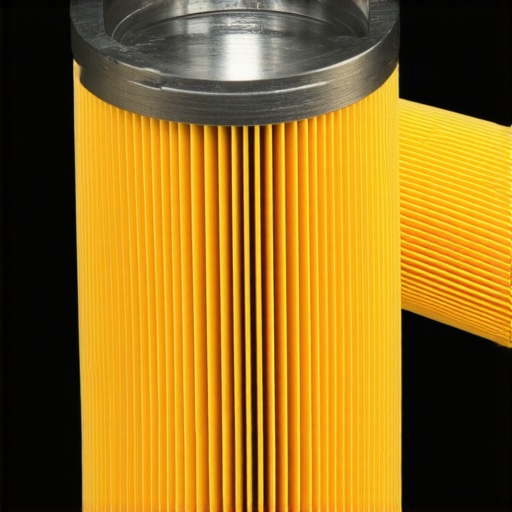
While we strive for the cleanest oil possible, there is a technical threshold where efficiency can impede necessary flow. If a filter’s media is too restrictive in an attempt to capture sub-micron particles, it may induce a constant state of bypass during high-RPM operation. This means your engine is actually receiving more unfiltered oil than it would with a slightly less efficient, higher-flowing filter. This paradox is why many professional auto repair shops recommend ‘depth-loading’ synthetic media over simple surface-blocking filters. The goal is to maximize the Beta Ratio without triggering the bypass valve under load. Balancing these fluid dynamics is the hallmark of advanced engineering, and getting it wrong can lead to premature wear on hydraulic lash adjusters and VVT phasers. Do you know the specific flow-rate requirements of your oil pump? Speak with our master technicians today to determine the optimal filtration profile for your specific driving habits.
The Structural Physics of High-Volume Oil Flow
The internal center tube of the filter provides the backbone against which the media rests. In low-cost units, this is often a thin, perforated piece of metal that can collapse under the suction of a high-volume oil pump. When the center tube fails, the filtration media is sucked inward, creating a massive blockage that can starve the crankshaft bearings of oil in seconds. High-end filters feature spiral-wound or louvred center tubes made of heavy-gauge steel, ensuring the oil has a clear, unobstructed path back to the engine galleries regardless of the pressure differential. This mechanical robustness is essential for modern vehicles that utilize variable displacement oil pumps, which can shift between high and low-pressure modes rapidly. Understanding these mechanical nuances is how you differentiate a genuine enthusiast-grade maintenance routine from a basic car service that only addresses the surface-level needs of the vehicle.
Expert Insights & Advanced Considerations
Silicon Elastomers Keep Cold Starts Safe
In regions with significant temperature fluctuations, the choice of anti-drainback valve material is non-negotiable. While budget filters utilize nitrile rubber that hardens at low temperatures, premium options feature silicone. This flexibility ensures that oil remains in the upper galleries, preventing the metallic clatter of a dry start. When you are choosing the right car service for seamless vehicle maintenance, always specify a filter with a silicone valve to protect your camshafts and hydraulic lifters from unnecessary friction.
Demand ISO 4548-12 Verified Data
Marketing terms like ‘99% efficiency’ are often meaningless without a specific micron rating and a standardized test protocol. The ISO 4548-12 multi-pass test is the industry gold standard, measuring a filter’s ability to capture particles of specific sizes over time. If a manufacturer refuses to provide these details, the media likely lacks the depth required for long-term protection. This level of technical scrutiny is standard in professional vehicle diagnostics and ensures you are not paying for inferior technology that compromises engine life.
Synthetic Media Prevents Turbocharger Oil Starvation
Turbocharged engines operate at speeds exceeding 200,000 RPM, requiring an uninterrupted flow of clean oil at high temperatures. Cheap cellulose filters can restrict this flow as they saturate, potentially starving the turbocharger’s center bearing. To avoid the scenarios discussed in our guide on how to tell if your turbo is failing before it blows, a high-flow synthetic mesh is an absolute requirement for any forced-induction vehicle.
Baseplate Thickness Dictates Pressure Resistance
The structural rigidity of the filter canister determines its resistance to sudden pressure spikes. A heavy-duty steel baseplate prevents the ‘burping’ of oil during cold-start relief events. This mechanical stability is often the difference between a clean engine bay and a catastrophic pressure loss on the highway. Maintaining this seal is as critical as identifying a bad wheel bearing before it becomes dangerous for your overall vehicle safety.
Curated Expert Resources
ISO 4548-12 Testing Standards
This is the primary technical document used by engineers to evaluate full-flow internal combustion engine oil filters. It provides the rigorous methodology for determining particle retention efficiency and total contaminant capacity.
Machinery Lubrication Technical Archive
A comprehensive professional resource for understanding fluid dynamics and the chemistry of mechanical wear. Their deep dives into Beta Ratios are essential reading for any serious automotive technician or enthusiast.
SAE International Technical Papers
The Society of Automotive Engineers publishes peer-reviewed research on the effects of sub-20 micron particles on engine longevity, providing the empirical foundation for modern high-performance filtration requirements.
Bob Is The Oil Guy (BITOG) Forums
A community-driven platform known for forensic filter tear-downs and Used Oil Analysis (UOA) data. This resource offers real-world evidence of how various filter brands perform under actual high-mileage driving conditions.
Final Expert Perspective
Selecting an oil filter is a strategic decision that affects the entire hydraulic life-support system of your vehicle. A high-quality filter maintains the flow characteristics necessary for Variable Valve Timing (VVT) systems and turbochargers while providing the structural integrity to survive extreme pressure cycles. In the world of professional car service, cutting costs on filtration is a false economy that leads to accelerated internal wear. For those managing more complex issues, such as transmission failures decoded signs and expert fixes, understanding component synergy is the key to mechanical longevity. We invite you to share your experiences with high-mileage filtration in the comments or reach out to our team to refine your vehicle’s maintenance profile.