When a modern engine struggles to ignite on a cold morning, most drivers immediately suspect a failing battery or an expensive starter motor. However, professional automotive diagnostics often reveal a far simpler, highly overlooked culprit: fuel system pressure loss. When a vehicle sits overnight, the fuel delivery lines must maintain a residual hydraulic pressure to facilitate immediate ignition upon key turn. A silent, slow leak-back of fuel into the tank forces the fuel pump to prime the entire system from scratch during a cold crank, mimicking a dying battery or a failing ignition circuit.
The Critical Role of the Fuel Pump Check Valve in Cold Starts
Within the fuel delivery assembly lies a tiny, critical component known as the one-way check valve. Its primary engineering function is to prevent fuel from draining back into the fuel reservoir after the engine is switched off. Over years of operation, sediment buildup or spring fatigue weakens this seal, causing fuel pressure to bleed down to zero over several hours. To diagnose this specific failure without diagnostic gauges, technicians utilize a simple diagnostic procedure: turning the ignition key to the ‘On’ position for three seconds, cycling it off, and repeating the process three times before attempting to start the engine. If the vehicle ignites immediately after this cycle, the fuel system is dropping pressure overnight.
Instead of replacing the entire fuel pump module—which can easily cost several hundred dollars in labor and parts—experienced technicians frequently install an inline brass or aluminum one-way check valve. This $12 hardware fix, spliced directly into the fuel feed line outside the tank, permanently restores residual line pressure and resolves morning starting struggles instantly.
Why Does Cold Weather Amplify Fuel System Pressure Failures?
Low ambient temperatures directly affect both battery chemical efficiency and fuel atomization. When cold, gasoline is significantly less volatile, meaning it requires optimal pressure and precise fuel injection timing to vaporize and ignite within a cold combustion chamber. According to research on fuel spray dynamics published by the Society of Automotive Engineers (SAE), poor fuel atomization at low temperatures requires up to three times the stoichiometric fuel-to-air ratio for a successful cold start. If your system pressure has bled down overnight, the initial fuel injector pulses lack the hydraulic force to atomize the fuel properly, resulting in prolonged cranking and excess wear on your starter motor. Addressing this early is crucial, as chronic hard starting issues can eventually lead to premature failure of your starting system. For those interested in troubleshooting related electrical starting anomalies, you can learn how to test a reluctant starter motor using basic garage tools.
Systematic Diagnostics to Rule Out Ignition and Electrical Failures
Before installing any inline hardware, a professional technician performs systematic vehicle diagnostics to rule out secondary variables. A weak ignition coil, corroded battery terminals, or a failing engine coolant temperature (ECT) sensor can produce identical hard-start symptoms on cold mornings. If the ECT sensor incorrectly reports a warm engine to the engine control unit (ECU) during a freezing morning, the ECU will fail to command the rich fuel mixture necessary for cold ignition, resulting in extended cranking times. If you are experiencing electrical fluctuations alongside your starting issues, you may want to investigate the battery terminal trick for stubborn starting issues to ensure clean current delivery. Share your diagnostic experiences or ask our master technicians a question in the comments below to help refine your troubleshooting process.
Why Does Fuel Leak Back into the Tank When Your Car Sits?
The primary mechanism behind overnight pressure loss is the failure of the fuel pressure regulator diaphragm or a weeping fuel injector. While the check valve prevents reverse flow at the pump, a leaking injector nozzle allows pressurized fuel to slowly drip directly into a cylinder combustion chamber. This not only bleeds off system pressure but can also cause a localized rich condition upon startup, leading to a brief puff of black smoke and a rough idle for the first few seconds of operation. If you notice your car struggles specifically after brief stops, you should check out why your engine refuses to start right after you refuel to pinpoint vapor recovery issues.
To differentiate between a bad check valve and a leaking injector, technicians perform a dry pressure test using a mechanical gauge with a shutoff valve. By pinching the return line or closing the gauge valve immediately after priming, you isolate the engine bay components from the fuel tank. If the pressure holds with the line closed, the leak-back is occurring at the pump; if it drops, an injector or the regulator is leaking. For those looking to diagnose other fuel-related power drops under heavy load, check out our guide on why your engine is losing power on steep hills.
Are You Damaging Your Catalytic Converter with Every Hard Cold Start?
Every second your engine spends cranking without igniting, raw, unburned fuel is pumped out of the exhaust valves and straight into your exhaust system. When the engine finally fires, this unburned fuel reaches the catalytic converter, where it ignites inside the ceramic honeycomb structure. Over time, these intense micro-explosions raise the internal temperature of the converter well beyond its design limits, leading to melted substrates and a costly replacement. Industry data from the Car Care Council confirms that neglected cold-start issues are a primary catalyst for premature emissions system failures. If you suspect your fuel mixtures are running rich enough to ruin your exhaust, you should also learn why your car smells like rotten eggs after a long drive.
The Multi-Point Diagnostic Routine for Fuel Delivery Systems
An expert-level inspection of your fuel system involves checking the electrical health of the fuel pump circuit under load. Often, a high-resistance electrical connection limits the amperage available to the pump motor, preventing it from spinning fast enough to build pressure quickly during a cold start. This voltage drop can be traced back to a corroded fuel pump relay or a degraded ground wire in the trunk harness. To rule out simple fuse box issues that mimic complex fuel or radio gremlins, read about the fuse that might be killing your radio every morning. Have you successfully solved a stubborn hard-starting problem using these diagnostic pressure tests? Leave a comment below, or share this guide with a fellow car owner to help them save hundreds on unnecessary starter replacements.
Stop Guessing and Start Measuring with a Fuel Pressure Gauge
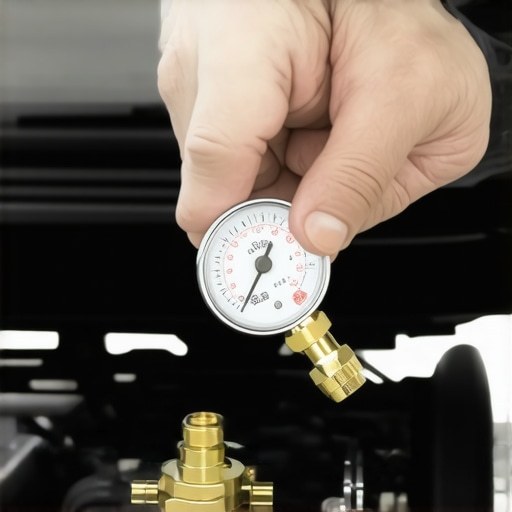
To transition from guessing to precise diagnosis, you must connect a mechanical fuel pressure gauge directly to the Schrader valve on the fuel rail. A professional-grade gauge provides immediate, visual feedback on the health of your hydraulic system. Once connected, turn the ignition key to the run position without cranking the engine to observe the priming pressure. A healthy system should instantly spike to the manufacturer’s specified operating pressure, typically between 40 and 60 PSI, and maintain that pressure for at least 20 minutes after the key is turned off. If the pressure drops instantly or bleeds down below 20 PSI within minutes, you have confirmed a hydraulic leak-back condition.
Using a set of specialized hose-pinching pliers, you can systematically isolate the culprit. Prime the system, then immediately pinch the rubber feed line near the tank. If the pressure on your gauge holds steady at the fuel rail, the check valve inside the tank is indeed leaking. If the pressure still drops, pinch the line closest to the engine. A continuous drop now confirms that the leak is downstream, pointing directly to a dripping fuel injector or a ruptured pressure regulator diaphragm. This systematic isolation prevents the costly mistake of replacing a perfectly functional, expensive fuel pump module.
How Do You Safely Install an External Inline Check Valve?
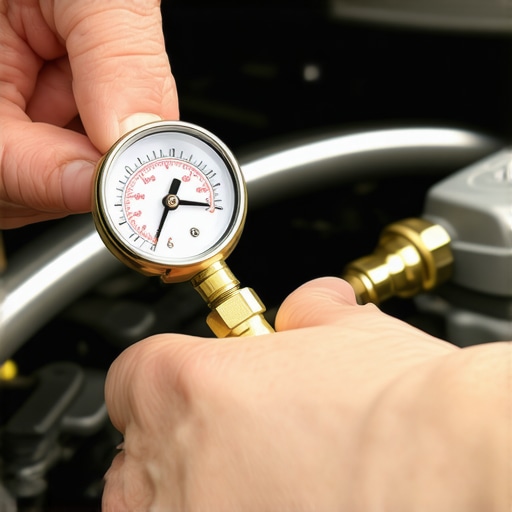
For DIY mechanics and cost-conscious technicians, installing an external inline check valve is a highly effective workaround for a failed internal pump valve. First, relieve the fuel system pressure by pulling the fuel pump fuse and running the engine until it stalls. Locate a straight, easily accessible section of the rubber fuel feed line underneath the vehicle, well away from hot exhaust components. Using sharp hose cutters, clean-cut the line and place hose clamps on both loose ends. Insert the brass inline check valve, ensuring the directional arrow stamped on the valve body points toward the engine, then tighten the clamps securely. This simple mechanical bypass restores immediate start-ups while keeping your wallet intact.
The Critical Link Between Ethanol Blends and Check Valve Degradation
Modern pump gasoline contains up to 10% or even 15% ethanol (E10 and E15), which acts as a powerful solvent and humectant. Ethanol naturally attracts moisture from the atmosphere, leading to phase separation and the formation of highly corrosive water-ethanol mixtures at the bottom of your fuel tank. This corrosive moisture is particularly destructive to the delicate internal components of the fuel pump assembly. The tiny steel spring and rubber sealing seat inside the original check valve are highly vulnerable to this moisture, which causes micro-pitting and rust, eventually preventing the valve from sealing tightly. Over time, regular exposure to high-ethanol fuels speeds up the breakdown of these internal seals, making fuel system pressure loss an increasingly common issue for vehicles that sit idle for several days at a time.
Modern pump gasoline contains up to 10% or even 15% ethanol (E10 and E15), which acts as a powerful solvent and humectant. Ethanol naturally attracts moisture from the atmosphere, leading to phase separation and the formation of highly corrosive water-ethanol mixtures at the bottom of your fuel tank. This corrosive moisture is particularly destructive to the delicate internal components of the fuel pump assembly. The tiny steel spring and rubber sealing seat inside the original check valve are highly vulnerable to this moisture, which causes micro-pitting and rust, eventually preventing the valve from sealing tightly. Over time, regular exposure to high-ethanol fuels speeds up the breakdown of these internal seals, making fuel system pressure loss an increasingly common issue for vehicles that sit idle for several days at a time.
Why Modern Direct Injection Systems Demand Immediate Fuel System Priming
As automotive manufacturers transitioned from port fuel injection (PFI) to gasoline direct injection (GDI) to meet stringent fuel economy standards, the demands on hydraulic pressure skyrocketed. GDI systems utilize a dual-stage pump setup: a low-pressure lift pump in the tank feeding a high-pressure pump mounted directly on the engine camshaft. If the low-pressure fuel system loses its prime overnight due to a leaky check valve, the high-pressure mechanical pump is forced to run dry for those crucial initial cranking seconds. This lack of lubrication causes extreme metal-on-metal wear, quickly destroying the expensive high-pressure pump lobes.
According to technical specifications published by the International Organization for Standardization (ISO), maintaining fuel delivery cleanliness and consistent initial pressure is paramount to preventing premature plunger wear in direct-injection systems. Leaving a bleed-down problem unfixed doesn’t just mean a frustrating morning start; it actively degrades your entire high-pressure fuel architecture.
Can Additives Realistically Protect Fuel System Components From Degradation?
While many over-the-counter fuel additives promise miracle cures, only high-quality fuel stabilizers formulated with corrosion inhibitors can combat the negative effects of ethanol. These specialized chemical compounds coat the internal metallic surfaces of the check valve and pump housing, creating a hydrophobic barrier that repels water molecules. Utilizing a fuel stabilizer is especially crucial for classic cars, plug-in hybrid electric vehicles (PHEVs), or any automobile that sits unused for more than a week. By treating your tank, you proactively prevent the moisture-induced pitting that leads to overnight leak-back. If you want to keep your diagnostic momentum going and ensure your vehicle is firing on all cylinders, continue to apply these systematic pressure tests to diagnose performance issues before they trigger expensive shop bills.
When a modern engine struggles to ignite on a cold morning, most drivers immediately suspect a failing battery or an expensive starter motor. However, professional automotive diagnostics often reveal a far simpler, highly overlooked culprit: fuel system pressure loss. When a vehicle sits overnight, the fuel delivery lines must maintain a residual hydraulic pressure to facilitate immediate ignition upon key turn. A silent, slow leak-back of fuel into the tank forces the fuel pump to prime the entire system from scratch during a cold crank, mimicking a dying battery or a failing ignition circuit.
The Critical Role of the Fuel Pump Check Valve in Cold Starts
Within the fuel delivery assembly lies a tiny, critical component known as the one-way check valve. Its primary engineering function is to prevent fuel from draining back into the fuel reservoir after the engine is switched off. Over years of operation, sediment buildup or spring fatigue weakens this seal, causing fuel pressure to bleed down to zero over several hours. To diagnose this specific failure without diagnostic gauges, technicians utilize a simple diagnostic procedure: turning the ignition key to the ‘On’ position for three seconds, cycling it off, and repeating the process three times before attempting to start the engine. If the vehicle ignites immediately after this cycle, the fuel system is dropping pressure overnight.
Instead of replacing the entire fuel pump module—which can easily cost several hundred dollars in labor and parts—experienced technicians frequently install an inline brass or aluminum one-way check valve. This $12 hardware fix, spliced directly into the fuel feed line outside the tank, permanently restores residual line pressure and resolves morning starting struggles instantly.
Why Does Cold Weather Amplify Fuel System Pressure Failures?
Low ambient temperatures directly affect both battery chemical efficiency and fuel atomization. When cold, gasoline is significantly less volatile, meaning it requires optimal pressure and precise fuel injection timing to vaporize and ignite within a cold combustion chamber. According to research on fuel spray dynamics published by the Society of Automotive Engineers (SAE), poor fuel atomization at low temperatures requires up to three times the stoichiometric fuel-to-air ratio for a successful cold start. If your system pressure has bled down overnight, the initial fuel injector pulses lack the hydraulic force to atomize the fuel properly, resulting in prolonged cranking and excess wear on your starter motor. Addressing this early is crucial, as chronic hard starting issues can eventually lead to premature failure of your starting system. For those interested in troubleshooting related electrical starting anomalies, you can learn how to test a reluctant starter motor using basic garage tools.
Systematic Diagnostics to Rule Out Ignition and Electrical Failures
Before installing any inline hardware, a professional technician performs systematic vehicle diagnostics to rule out secondary variables. A weak ignition coil, corroded battery terminals, or a failing engine coolant temperature (ECT) sensor can produce identical hard-start symptoms on cold mornings. If the ECT sensor incorrectly reports a warm engine to the engine control unit (ECU) during a freezing morning, the ECU will fail to command the rich fuel mixture necessary for cold ignition, resulting in extended cranking times. If you are experiencing electrical fluctuations alongside your starting issues, you may want to investigate the battery terminal trick for stubborn starting issues to ensure clean current delivery. Share your diagnostic experiences or ask our master technicians a question in the comments below to help refine your troubleshooting process.
Why Does Fuel Leak Back into the Tank When Your Car Sits?
The primary mechanism behind overnight pressure loss is the failure of the fuel pressure regulator diaphragm or a weeping fuel injector. While the check valve prevents reverse flow at the pump, a leaking injector nozzle allows pressurized fuel to slowly drip directly into a cylinder combustion chamber. This not only bleeds off system pressure but can also cause a localized rich condition upon startup, leading to a brief puff of black smoke and a rough idle for the first few seconds of operation. If you notice your car struggles specifically after brief stops, you should check out why your engine refuses to start right after you refuel to pinpoint vapor recovery issues.
To differentiate between a bad check valve and a leaking injector, technicians perform a dry pressure test using a mechanical gauge with a shutoff valve. By pinching the return line or closing the gauge valve immediately after priming, you isolate the engine bay components from the fuel tank. If the pressure holds with the line closed, the leak-back is occurring at the pump; if it drops, an injector or the regulator is leaking. For those looking to diagnose other fuel-related power drops under heavy load, check out our guide on why your engine is losing power on steep hills.
Are You Damaging Your Catalytic Converter with Every Hard Cold Start?
Every second your engine spends cranking without igniting, raw, unburned fuel is pumped out of the exhaust valves and straight into your exhaust system. When the engine finally fires, this unburned fuel reaches the catalytic converter, where it ignites inside the ceramic honeycomb structure. Over time, these intense micro-explosions raise the internal temperature of the converter well beyond its design limits, leading to melted substrates and a costly replacement. Industry data from the Car Care Council confirms that neglected cold-start issues are a primary catalyst for premature emissions system failures. If you suspect your fuel mixtures are running rich enough to ruin your exhaust, you should also learn why your car smells like rotten eggs after a long drive.
The Multi-Point Diagnostic Routine for Fuel Delivery Systems
An expert-level inspection of your fuel system involves checking the electrical health of the fuel pump circuit under load. Often, a high-resistance electrical connection limits the amperage available to the pump motor, preventing it from spinning fast enough to build pressure quickly during a cold start. This voltage drop can be traced back to a corroded fuel pump relay or a degraded ground wire in the trunk harness. To rule out simple fuse box issues that mimic complex fuel or radio gremlins, read about the fuse that might be killing your radio every morning. Have you successfully solved a stubborn hard-starting problem using these diagnostic pressure tests? Leave a comment below, or share this guide with a fellow car owner to help them save hundreds on unnecessary starter replacements.
Stop Guessing and Start Measuring with a Fuel Pressure Gauge
To transition from guessing to precise diagnosis, you must connect a mechanical fuel pressure gauge directly to the Schrader valve on the fuel rail. A professional-grade gauge provides immediate, visual feedback on the health of your hydraulic system. Once connected, turn the ignition key to the run position without cranking the engine to observe the priming pressure. A healthy system should instantly spike to the manufacturer’s specified operating pressure, typically between 40 and 60 PSI, and maintain that pressure for at least 20 minutes after the key is turned off. If the pressure drops instantly or bleeds down below 20 PSI within minutes, you have confirmed a hydraulic leak-back condition.
Using a set of specialized hose-pinching pliers, you can systematically isolate the culprit. Prime the system, then immediately pinch the rubber feed line near the tank. If the pressure on your gauge holds steady at the fuel rail, the check valve inside the tank is indeed leaking. If the pressure still drops, pinch the line closest to the engine. A continuous drop now confirms that the leak is downstream, pointing directly to a dripping fuel injector or a ruptured pressure regulator diaphragm. This systematic isolation prevents the costly mistake of replacing a perfectly functional, expensive fuel pump module.
How Do You Safely Install an External Inline Check Valve?
For DIY mechanics and cost-conscious technicians, installing an external inline check valve is a highly effective workaround for a failed internal pump valve. First, relieve the fuel system pressure by pulling the fuel pump fuse and running the engine until it stalls. Locate a straight, easily accessible section of the rubber fuel feed line underneath the vehicle, well away from hot exhaust components. Using sharp hose cutters, clean-cut the line and place hose clamps on both loose ends. Insert the brass inline check valve, ensuring the directional arrow stamped on the valve body points toward the engine, then tighten the clamps securely. This simple mechanical bypass restores immediate start-ups while keeping your wallet intact.
The Critical Link Between Ethanol Blends and Check Valve Degradation
Modern pump gasoline contains up to 10% or even 15% ethanol (E10 and E15), which acts as a powerful solvent and humectant. Ethanol naturally attracts moisture from the atmosphere, leading to phase separation and the formation of highly corrosive water-ethanol mixtures at the bottom of your fuel tank. This corrosive moisture is particularly destructive to the delicate internal components of the fuel pump assembly. The tiny steel spring and rubber sealing seat inside the original check valve are highly vulnerable to this moisture, which causes micro-pitting and rust, eventually preventing the valve from sealing tightly. Over time, regular exposure to high-ethanol fuels speeds up the breakdown of these internal seals, making fuel system pressure loss an increasingly common issue for vehicles that sit idle for several days at a time.
Why Modern Direct Injection Systems Demand Immediate Fuel System Priming
As automotive manufacturers transitioned from port fuel injection (PFI) to gasoline direct injection (GDI) to meet stringent fuel economy standards, the demands on hydraulic pressure skyrocketed. GDI systems utilize a dual-stage pump setup: a low-pressure lift pump in the tank feeding a high-pressure pump mounted directly on the engine camshaft. If the low-pressure fuel system loses its prime overnight due to a leaky check valve, the high-pressure mechanical pump is forced to run dry for those crucial initial cranking seconds. This lack of lubrication causes extreme metal-on-metal wear, quickly destroying the expensive high-pressure pump lobes.
According to technical specifications published by the International Organization for Standardization (ISO), maintaining fuel delivery cleanliness and consistent initial pressure is paramount to preventing premature plunger wear in direct-injection systems. Leaving a bleed-down problem unfixed doesn’t just mean a frustrating morning start; it actively degrades your entire high-pressure fuel architecture.
Can Additives Realistically Protect Fuel System Components From Degradation?
While many over-the-counter fuel additives promise miracle cures, only high-quality fuel stabilizers formulated with corrosion inhibitors can combat the negative effects of ethanol. These specialized chemical compounds coat the internal metallic surfaces of the check valve and pump housing, creating a hydrophobic barrier that repels water molecules. Utilizing a fuel stabilizer is especially crucial for classic cars, plug-in hybrid electric vehicles (PHEVs), or any automobile that sits unused for more than a week. By treating your tank, you proactively prevent the moisture-induced pitting that leads to overnight leak-back. If you want to keep your diagnostic momentum going and ensure your vehicle is firing on all cylinders, continue to apply these systematic pressure tests to diagnose performance issues before they trigger expensive shop bills.
Expert Insights & Advanced Considerations
How Carbon Crusts Mask Pressure Loss
Heavy carbon buildup on injector tips can mimic the symptoms of pressure loss by absorbing fuel during the initial spray cycle. Experienced technicians often find that what seems like a failing check valve is actually an injector tip acting like a sponge, requiring clean-up before replacing physical pump hardware.
Why High Amperage Is Your Secret Enemy
An aging fuel pump motor draws excessive current as its internal bushings wear out. This electrical strain drops the voltage available to the entire system, preventing the check valve from responding fast enough during key-on priming. Testing current draw can prevent you from diagnosing a hydraulic problem when you have an electrical one.
The Dangers of Cheap Inline Valves
Using cheap unbranded check valves can introduce restrictive bottlenecks into your fuel lines. If the internal orifice of the bypass valve is too narrow, it can cause high-RPM fuel starvation and lean engine codes under heavy acceleration.
Curated Expert Resources
The Bosch Automotive Handbook
Widely considered the ultimate engineering reference manual, this resource offers detailed, peer-reviewed diagrams of hydraulic check-valve geometry and electronic fuel management logic.The SAE International Mobilus Database
An invaluable academic platform hosting technical papers on fuel atomization, spray geometry, and direct-injection pump wear patterns under low-pressure starvation conditions.
The Equipment and Tool Institute (ETI)
An authoritative resource for technicians seeking to master advanced diagnostic scan tool parameters, fuel trim analysis, and oscilloscope pressure transducer testing.
Final Expert Perspective
Successfully tackling stubborn starting issues requires looking past basic symptom replacement and focusing on structural hydraulics. Chronic fuel system pressure loss not only damages starters and batteries, but also stresses the downstream emissions system and expensive high-pressure fuel pumps. By using methodical diagnosis—such as pinpointing line bleed-down with mechanical gauges and using isolating line clamps—you can isolate fuel pump problems without wasting money. If you are eager to master advanced garage diagnostics, check out our comprehensive guide on expert auto repair tips for 2025. We encourage you to share your unique diagnostic successes or ask our master mechanics your troubleshooting questions in the comment section below.