A healthy automatic transmission relies on fluid that is clean, translucent, and slightly sweet-smelling. When that distinct, acrid odor of burnt toast or singed plastic emerges from beneath your hood, it signals a critical thermal or mechanical failure within your vehicle’s most complex hydraulic system. Ignoring this symptom is one of the fastest paths to catastrophic gearbox failure. In modern automotive engineering, transmission fluid serves not merely as a lubricant, but as a hydraulic medium, a coolant, and a friction-modifier. When the fluid chemistry breaks down under extreme heat, its ability to protect vital internal components evaporates rapidly, threatening the structural integrity of your vehicle’s entire drivetrain.
The Thermal Breakdown of Transmission Fluid
Transmission fluid is engineered to withstand substantial operational temperatures, but it has a strict thermal limit. Once internal operating temperatures surpass 200°F (93°C), the fluid’s lifespan begins to drop exponentially. According to research by the Society of Automotive Engineers (SAE), for every 20-degree rise above this threshold, the fluid’s oxidation rate doubles, leading to rapid additive depletion, varnish formation, and eventually, a distinct burning odor. This thermal runaway typically occurs due to severe driving conditions, such as towing heavy loads, frequent stop-and-go driving, or neglecting basic car service intervals.
Friction Plates Slipping and Creating Intense Localized Heat
Inside an automatic transmission, multi-plate clutch packs rely on controlled friction to engage gears. When the fluid loses its pressure-holding capacity or viscosity, these plates cannot lock together tightly. Instead of gripping, they slip against one another. This constant slippage generates localized, extreme friction temperatures that literally bake the surrounding fluid onto the steel plates, creating a strong burnt odor. Understanding transmission failures like this is critical to stopping damage before a complete rebuild is required.
Why Your Transmission Slips Only When the Fluid Is Hot
Many drivers notice a puzzling symptom where the vehicle shifts perfectly during the first ten minutes of driving, but begins slipping and smelling burnt once the engine reaches operating temperature. Why does this happen? As transmission fluid heats up, its viscosity naturally thins. If the fluid is already degraded or contaminated, this thermal thinning drops the line pressure below the threshold required to hold the internal clutches together. If you are experiencing this highly specific diagnostic symptom, read our deep-dive analysis on why your transmission slips only when the fluid is hot to isolate the exact hydraulic path failing in your unit.
The Costly Consequences of Neglected Oxidation
When fluid is allowed to run burnt, it transforms from a protective lubricant into an abrasive slurry. The oxidized fluid deposits hard varnish and carbon crust onto precision components like the valve body solenoids and torque converter clutch. This leads to erratic shifting, delayed engagements, and eventually, a total loss of drive. Standard auto repair strategies for a burnt system require more than just a simple drain-and-fill, as fresh detergent-rich fluid can sometimes dislodge deposits and clog delicate hydraulic pathways.
How Do You Safely Check the Health of Your Gearbox Lubricant?
To determine if your fluid is truly spent or if you are dealing with an isolated mechanical issue, you must perform a proper level and color check. To ensure you do not get false readings or risk hot fluid burns, review our step-by-step guide on the best way to check your transmission fluid level. Correct fluid level verification is the cornerstone of professional vehicle diagnostics. If you suspect your transmission is beginning to show signs of mechanical wear, take a moment to explore our comprehensive resource on handling transmission troubles to protect your investment and avoid unnecessary dealership markups.
What Actually Happens Inside a Scorched Valve Body
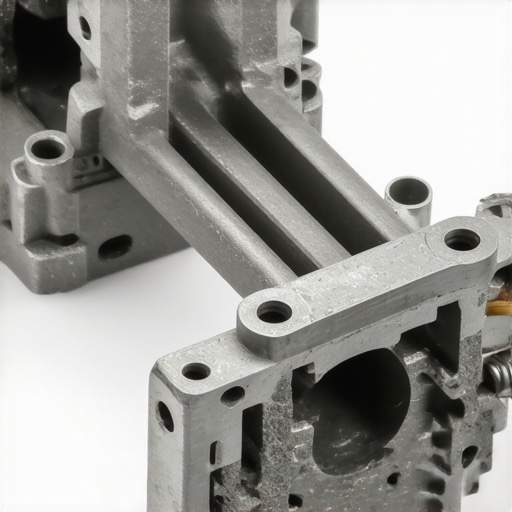
When transmission fluid oxidizes to the point of smelling burnt, the damage quickly moves beyond the clutch packs. The modern automatic transmission relies on an intricate hydraulic brain known as the valve body. This component features dozens of tiny, precision-engineered channels, check balls, and electronic solenoids that direct fluid pressure to shift gears. As degraded fluid circulates, it leaves behind a sticky varnish that coats these delicate valves. Over time, these valves begin to stick in their bores, resulting in delayed shifts, harsh gear engagements, or even a complete refusal to shift. If you notice your vehicle struggling to find gears during cold starts, it is highly likely that varnish deposits are already hindering internal movement. Understanding why your transmission shifts hard when the engine is cold is crucial to diagnosing this early stage of hydraulic restriction before it destroys the physical gear sets.
Why Does Hot Transmission Fluid Destroy Your Seals?
As operating temperatures climb within a compromised transmission, the extreme heat directly attacks the rubber and elastomer seals that hold hydraulic pressure. Overheated seals lose their elasticity, becoming brittle, hard, and prone to cracking. Once these internal seals fail, hydraulic fluid begins to bypass its intended channels, leading to internal pressure drops. This loss of pressure is why your vehicle might struggle to shift correctly or slip under load. To verify how temperature fluctuations impact your system, the Automatic Transmission Rebuilders Association (ATRA) recommends monitoring real-time transmission temperature data via a professional diagnostic scanner during road tests. If your transmission behaves erratically only under specific thermal conditions, you should also look into why your transmission slips when the weather gets cold to understand how extreme ambient shifts compound existing seal wear.
The Critical Decision: Flush or Drain and Fill?
Once you confirm that your transmission fluid is burnt, you face a major maintenance dilemma. Many vehicle owners rush to perform a high-pressure transmission flush, believing it will wash away all contaminants. However, experienced technicians warn that flushing a heavily neglected transmission can actually accelerate its demise. The high pressure can dislodge large chunks of varnish and friction material debris, sending them directly into the narrow pathways of the valve body or clogging the internal filter entirely. Instead, a gentler drain-and-fill method, often performed in multiple steps, is widely considered the safest path. This process slowly introduces fresh detergents without shocking the hydraulic system or stripping away the friction material suspended in the old fluid that might actually be keeping worn clutches from slipping.
Have you ever had to deal with the unmistakable smell of burnt transmission fluid in your own garage? We want to hear your diagnostic stories. Leave a comment below sharing how you resolved your vehicle’s shifting issues, or read through our detailed breakdown on expert auto repair tips for 2025 to keep your entire drivetrain operating at peak efficiency.
Why New Fluid Won’t Fix Physically Stripped Clutches
A common misconception among DIY mechanics is that fresh fluid can restore a slipping transmission. When clutch plates have been subjected to extreme heat, the friction material literally shears off the steel backing plates. Once this material is gone, no amount of fresh hydraulic fluid or high-tech additives can recreate the friction needed for gear engagement. In fact, introducing fresh, highly detergent-clean fluid into a severely worn transmission can sometimes cause it to stop moving altogether. The new detergents wash away the suspended clutch particles that were providing the remaining friction required to keep the worn plates from slipping. Understanding this boundary between a hydraulic pressure issue and physical friction loss is the cornerstone of professional auto repair.
How Can You Determine If Your Transmission Has Mechanical or Hydraulic Damage?
To differentiate between a simple fluid failure and terminal mechanical wear, technicians perform a stall test and analyze live pressure data. By connecting a hydraulic pressure gauge to the line pressure ports on the transmission case, you can compare actual pressures against the manufacturer’s specifications. If the line pressure is low across all gears, the oil pump or the pressure regulator valve is likely worn. However, if the pressure is normal but the transmission still slips and smells burnt, the clutch friction linings are physically destroyed, requiring a complete mechanical rebuild. Professional diagnostic databases like the International Automotive Technicians Network (iATN) emphasize that proper pressure testing saves vehicle owners thousands of dollars in unnecessary parts replacement.
The Role of the Torque Converter in Fluid Overheating
While clutch packs generate localized heat, the torque converter is the primary source of overall fluid temperature rise. Operating as a fluid coupling, the torque converter experiences continuous shear stress. When the torque converter clutch fails to lock up at highway speeds, the slip ratio increases, converting engine mechanical energy directly into thermal energy. This continuous shearing action quickly cooks the transmission fluid, creating that characteristic acrid aroma. If you suspect your torque converter is failing, paying close attention to your vehicle’s shifting behavior during highway cruising can help you catch the issue before the entire gearbox is contaminated by metallic debris.
When transmission fluid undergoes severe thermal distress, the chemical compounds that prevent foaming, manage extreme pressure, and control friction are permanently altered. The fluid’s molecular chain shears under the combined influence of mechanical load and localized heat spikes, rendering the oil incapable of carrying out its core hydraulic duties. Simply replacing this degraded fluid cannot reverse the physical wear already inflicted upon the internal metal surfaces, thrust washers, and planetary gear sets that have run dry or under-lubricated during the period of fluid starvation.
The Critical Role of Auxiliary Cooling in Heavy Duty Applications
Vehicles that frequently tow heavy trailers or carry significant payloads place an immense thermal burden on their automatic gearboxes. The factory transmission cooler, which is typically integrated into the vehicle’s primary radiator, often lacks the surface area to dissipate the extreme heat generated during long, steep climbs. Installing an aftermarket auxiliary transmission cooler creates a secondary thermal barrier that can drop operational temperatures by as much as 30°F to 40°F. According to fleet service data from the Transport Association and Research Authority, maintaining fluid temperatures below 180°F (82°C) can virtually double the operating lifespan of the internal clutch packs and significantly reduce the likelihood of fluid oxidation. For those seeking to safeguard their vehicles against these severe thermal cycles, investing in preventive auxiliary cooling is a highly effective safeguard.
How Do Solenoid Electrical Resistance Changes Mimic Mechanical Slipping?
As transmission fluid bakes and accumulates microscopic metallic wear particles, it becomes highly conductive and alters the electrical resistance of the internal shift solenoids. When these electronic actuators are exposed to high temperatures, their internal copper windings expand, which dramatically increases electrical resistance and slows down their response times. This delay in solenoid actuation closely mimics the physical slipping of a mechanical clutch pack, often leading technicians to misdiagnose a simple electrical resistance failure as a catastrophic mechanical breakdown. Utilizing an oscilloscope to monitor solenoid current draw during actual road failures is the only definitive way to distinguish between an electrical coil failure and a physical friction plate malfunction.
The Danger of Friction Modifier Depletion in Modern Multi-Vehicle Fluids
Modern automatic transmissions require highly specialized friction modifiers to ensure smooth clutch engagement without inducing chatter or shudder. Over time, extreme heat selectively destroys these friction-modifying additives, leaving the base oil stripped of its lubricating characteristics. When this depletion occurs, the clutches grab too aggressively or slip unpredictably, sending severe shockwaves through the entire drivetrain. Using a generic multi-vehicle fluid that does not specifically meet your manufacturer’s proprietary specifications will only accelerate this additive drop-out and ruin the remaining clutch linings. If you are noticing strange vibrations or shuddering during low-speed acceleration, we highly recommend scheduling an advanced diagnostic inspection with a certified specialist to prevent permanent gear set damage.
When transmission fluid undergoes severe thermal distress, the chemical compounds that prevent foaming, manage extreme pressure, and control friction are permanently altered. The fluid’s molecular chain shears under the combined influence of mechanical load and localized heat spikes, rendering the oil incapable of carrying out its core hydraulic duties. Simply replacing this degraded fluid cannot reverse the physical wear already inflicted upon the internal metal surfaces, thrust washers, and planetary gear sets that have run dry or under-lubricated during the period of fluid starvation.
Expert Insights & Advanced Considerations
Chemical Analysis Tells the Real Drivetrain Story
Relying solely on visual checks or the smell of burnt transmission fluid leaves critical diagnostic variables on the table. For severe or recurring fleet issues, submitting a fluid sample for professional spectrochemical analysis reveals the exact parts per million (PPM) of copper, steel, and friction material suspended in the oil. This laboratory-grade precision takes the guesswork out of mechanical failures, showing you exactly which thrust washers or clutch linings are disintegrating inside the case before you pull the unit apart.
Why High-Pressure Flushes Put Old Valving at Risk
The persistent debate between a fluid flush and a basic drain-and-fill hinges on fluid velocity and pressure. High-pressure flushing machines can dislodge heavy varnish deposits from inactive corners of the case and jam them directly into the critical close-tolerance bores of the valve body. For older vehicles displaying burnt fluid, a series of gravity-fed drain-and-fill cycles over a few thousand miles is a much safer diagnostic approach. This gradual method allows the fresh detergent pack to slowly dissolve varnish without sending large debris chunks through your hydraulic pathways.
A Sticky Solenoid Looks Just Like a Slipped Clutch
Before condemning the entire physical gear set, mechanics must use an oscilloscope to measure shift solenoid current draw. As transmission fluid bakes, it leaves conductive metallic soot behind. This contamination can cause electronic shift solenoids to stick or draw excessive current as they struggle to cycle. When this happens, the delayed gear engagement perfectly mimics a physically slipping clutch plate, leading to incorrect diagnoses. Always rule out solenoid circuit faults before pulling the gearbox.
Curated Expert Resources
Automatic Transmission Rebuilders Association (ATRA)
An indispensable resource for technical bulletins, rebuild specifications, and diagnostic flowcharts. ATRA offers deep insights into complex valve body modifications and thermal management techniques that go far beyond standard workshop manuals.
Society of Automotive Engineers (SAE) Technical Papers
For those looking to understand the precise chemistry of fluid oxidation, shear stability, and additive breakdown. SAE publishes peer-reviewed research papers detailing how modern multi-vehicle fluids behave under extreme thermal loads and high mechanical shear.
International Automotive Technicians Network (iATN)
A peer-to-peer network where seasoned diagnostic professionals share real-world repair logs, complex electrical troubleshooting patterns, and specific case studies involving burnt hydraulic fluids and control module errors.
Final Expert Perspective
Addressing burnt transmission fluid requires a precise understanding of the thermal, chemical, and mechanical forces at play inside your drivetrain. Once fluid oxidizes to the point of producing an acrid odor, you are no longer dealing with a simple maintenance chore; you are managing active hydraulic degradation. Successfully recovering from this state requires moving past quick-fix fluid additives and adopting structured diagnostic protocols, beginning with a careful inspection of physical wear and hydraulic pressure limits. If you are currently dealing with shifting abnormalities or suspect internal damage, take a moment to read our comprehensive guide on resolving transmission troubles to protect your investment. If you need professional advice tailored to your specific vehicle make and model, please contact us to connect with a certified diagnostic technician.