Why Thickened Fluid Starves Your Clutch Packs
Winter weather places an immense burden on an automobile’s powertrain, and the transmission is often the first component to exhibit signs of thermal stress. When an automatic transmission slips during cold starts, it is rarely a random occurrence; rather, it is a calculated response to changes in fluid dynamics and mechanical tolerances. From a diagnostic perspective, slipping is a manifestation of insufficient clamping force within the clutch packs or bands. This failure to maintain friction is driven by the interplay between fluid viscosity, seal integrity, and electronic solenoid response times in frigid environments. When the mercury drops, the Automatic Transmission Fluid (ATF) becomes significantly more viscous. This sluggish fluid struggles to pass through the filter and into the pump, leading to a delay in line pressure. Without immediate pressure, the clutch plates do not engage firmly, resulting in the RPM spike known as slipping. For a deeper look at these mechanical red flags, professional vehicle diagnostics are essential to distinguish between simple fluid issues and transmission failures decoded through internal pressure testing.
Shrinking Seals Create Hidden Internal Pressure Leaks
The internal architecture of a modern gearbox relies on a series of rubber lip seals and O-rings to direct hydraulic energy. These elastomers are designed to expand slightly under heat to create a perfect seal. However, extreme cold causes these components to shrink and harden. When you engage a gear on a freezing morning, the hardened seals may allow high-pressure fluid to blow by the piston instead of moving it. This internal leakage is a primary reason why your transmission shifts hard when the engine is cold. In many cases, once the engine reaches operating temperature, the seals regain their elasticity and the slipping disappears, but the micro-damage caused by those few seconds of slipping can shorten the lifespan of the friction material. This is why consistent car service intervals are vital; fresh fluid contains the additives necessary to keep seals pliable even in harsh climates. Neglecting this can lead to expensive auto repair requirements later in the season.
Can a Low Fluid Level Exacerbate Cold Shifting Failures?
Absolutely. While fluid expands as it heats up, it also contracts when it cools. A transmission that is marginally low on fluid in July may be dangerously low in January. When the fluid level is below the minimum threshold, the pump may ingest air bubbles—a process known as cavitation. Aerated fluid is compressible, whereas pure hydraulic fluid is not. This compressibility prevents the transmission from applying enough force to hold the gears in place. According to technical data from the Society of Automotive Engineers (SAE), fluid aeration is one of the leading causes of premature friction plate wear in cold-start scenarios. If you are noticing erratic behavior, checking for a leak is the first step in effective transmission troubleshooting. If you need help identifying the origin of a puddle, you might be finding the source of that annoying mystery oil leak that is slowly draining your gearbox lifeblood.
Proactive Maintenance Prevents Winter Stranding
Thermal management is the key to longevity. Using synthetic ATF can provide better flow at lower temperatures, reducing the strain on the pump and ensuring faster pressure buildup. If you have noticed persistent slipping or delayed engagement, it is critical to seek professional auto repair advice before the friction plates are burned beyond repair. Many drivers find that transmission troubles can be mitigated with a simple fluid and filter exchange if caught early enough. Don’t let a minor winter glitch turn into a major mechanical overhaul. Schedule a comprehensive vehicle diagnostics session today to ensure your car is ready for the freezing months ahead.
Why Modern Adaptive Learning Struggles with Freezing Oil
Modern vehicles are far more sophisticated than their ancestors, utilizing a Transmission Control Module (TCM) that constantly adjusts shifting parameters based on your driving style and environmental conditions. However, when the temperature plummets, this adaptive logic faces a significant hurdle. The TCM relies on data from sensors that monitor fluid temperature and input speed. If the fluid is too thick to flow at the commanded rate, the computer may detect a discrepancy between the engine RPM and the output shaft speed. To prevent mechanical carnage, the computer might intentionally delay a shift or, in extreme cases, trigger a software-driven safety state. Understanding how to get your car out of limp mode without a tow truck can be a lifesaver when these electronic safeguards become overzealous during a polar vortex.
The Hidden Cost of the Lifetime Fluid Deception
Many manufacturers have pushed the narrative of ‘lifetime’ transmission fluid, suggesting that the gearbox is a sealed unit requiring no maintenance. This is a dangerous oversimplification, especially for drivers in climates with heavy seasonal temperature swings. Over years of operation, transmission fluid undergoes thermal cycling, which causes the base oil to break down and the additives—specifically those designed to maintain viscosity at low temperatures—to deplete. When you combine aged, oxidized oil with sub-zero temperatures, you get a substance that behaves more like molasses than hydraulic fluid. Reviewing the truth about lifetime transmission fluid claims reveals that regular exchanges are the only way to ensure the additives remain potent enough to protect your internal gears when the mercury drops.
Is Your Car Actually Broken or Just in Cold-Start Protection Mode?
Before you panic over a slipping sensation, it is important to distinguish between a mechanical failure and a programmed protection cycle. Many modern transmissions are designed with a ‘cold-start’ map that holds gears longer to help the engine reach operating temperature faster. This can feel like slipping or a lack of power to the uninitiated. Expert technicians at the Automatic Transmission Rebuilders Association (ATRA) emphasize that cold-start logic is often the most complex part of a vehicle’s software, as it must balance hardware protection with drivability. However, if the RPMs flare wildly without any forward momentum, you are likely dealing with a physical loss of pressure. In some cases, the symptoms reverse as the car warms up, which is a stark contrast to when your transmission slips only when the fluid is hot, a condition typically pointing toward worn-out friction plates or internal leaks that expand with heat.
Waking Up Sluggish Solenoids Without a Teardown
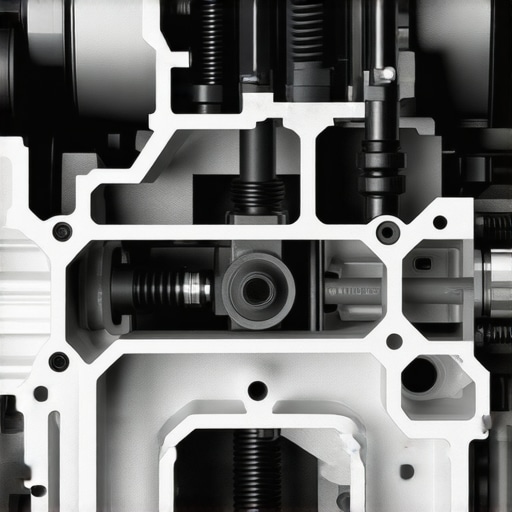
The hydraulic heart of your transmission is the valve body, a maze of channels controlled by small electro-magnetic plungers called solenoids. These components have incredibly tight tolerances. Over time, microscopic debris and varnish build up within these channels. In warm weather, the fluid is thin enough to bypass these deposits, but cold fluid turns that varnish into a sticky adhesive. A solenoid that is supposed to snap open in milliseconds may instead move sluggishly, causing the ‘sliding’ shift feel many drivers report in December. Implementing certain top auto repair techniques every car owner should know, such as using a high-quality transmission flush or a specific additive to dissolve varnish, can often restore shift quality without the need for a costly hardware replacement. If your gearbox is behaving like a different machine every time the temperature drops, drop a comment below with your vehicle’s year and model; our community of experts often spots patterns that help pinpoint specific solenoid failures before they become catastrophic.
Why the Torque Converter Won’t Lock Up in the Cold
Modern torque converters are essentially fluid couplings, but the addition of a lock-up clutch has bridged the gap between efficiency and power delivery. During a cold snap, you may notice your engine screaming at a higher RPM than usual while cruising at highway speeds. This isn’t necessarily a failure; it is a calculated strategy. The Transmission Control Module (TCM) inhibits torque converter clutch (TCC) engagement until the fluid reaches a specific thermal threshold, usually around 100°F (38°C). This delay allows the fluid to churn within the converter, generating friction-based heat that warms the entire system faster. However, if the TCC attempts to engage with thickened fluid, the resulting shudder can feel like driving over a rumble strip. If you experience this vibration, it is a sign that your transmission logic is struggling to compensate for degraded fluid quality or a failing TCC solenoid.
Metals Shrink at Different Rates
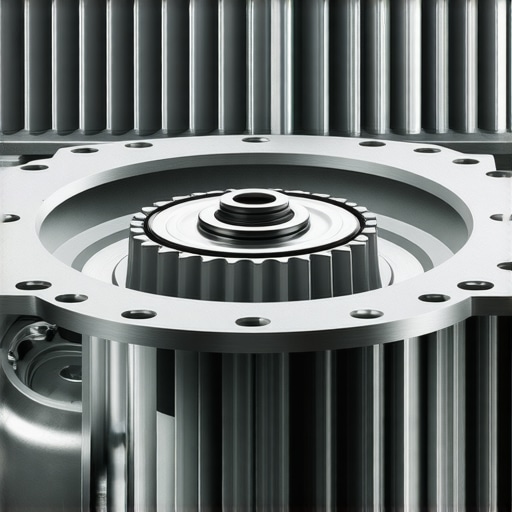
Internal tolerances within a gearbox are measured in microns. When we talk about auto repair in winter contexts, we must account for the coefficient of thermal expansion. An aluminum valve body expands and contracts at a different rate than the steel check balls and valves housed within it. In extreme cold, the housing may tighten around a valve just enough to cause a “hang-up.” This mechanical stiction prevents the valve from cycling, leading to those infamous “missing gears” until the unit warms up. Manufacturers like ZF Friedrichshafen emphasize that while their transmissions are engineered for global climates, using anything other than the specified low-viscosity (LV) fluid can exacerbate these tolerance issues, potentially leading to scoring on the valve bores.
Will Cold-Start Slips Eventually Lead to Gearbox Replacement?
The short answer is yes, if the root cause isn’t addressed. Every time the engine RPM flares while the vehicle fails to accelerate, the friction material on the clutch plates is being shaved away. Friction plates are composed of a paper-based material bonded to a steel core. When they slip, they generate localized “hot spots” that can glaze the surface of the plates, permanently reducing their ability to hold torque. Even if the slipping stops once the car is warm, the total surface area available for friction has been compromised. Proactive vehicle diagnostics can identify if the slip is a pressure-related issue—which is often fixable—or a physical wear issue that necessitates a rebuild.
The Invisible Erosion of Cold-Start Friction
The damage from cold-start slipping is cumulative and often silent. Each winter morning that your car struggles to find “Drive” represents a microscopic withdrawal from your transmission’s longevity bank. While most drivers wait for a Check Engine Light, the most experienced car owners listen for the “whine” of a starving pump or the “bump” of a late engagement. If you are noticing these subtle cues, performing a car service that includes a pan drop and magnet inspection is the best way to see the “glitter” of impending doom before it leaves you stranded. Sharing your observations with a specialist can prevent a minor leak from becoming a total failure.
How the Cooling System Controls Your Gearbox Health
It sounds counterintuitive, but the radiator is just as important for your transmission in the winter as it is in the summer. Most automatic transmissions use a heat exchanger integrated into the radiator. This design serves a dual purpose: it cools the fluid during the heat of August and uses the engine’s coolant to rapidly warm the transmission fluid in January. A thermostat that is stuck open or a cooling system with a low-quality mixture can prevent the transmission from ever reaching the “sweet spot” of operating temperature. This leaves the gearbox in a perpetual state of “cold-mode” logic, which increases fuel consumption and subjects the internal components to unnecessary stress. If your heater is taking forever to blow warm air, your transmission is likely suffering the same thermal delay. Furthermore, an aging radiator tank poses a catastrophic risk if the internal walls fail, leading to an intermix of fluids that technicians often refer to as a cross-contamination nightmare.
When Ice Crystals Form Inside Your Gearbox Case
Most drivers associate moisture with the engine’s oil, but the transmission is equally susceptible to the “breathing” effect caused by rapid thermal cycling. As the metal case cools from operating temperature to sub-zero overnight, it draws in humid air through the breather vent. Over time, this humidity condenses into liquid water that settles at the bottom of the pan or, worse, remains suspended in degraded fluid. In extreme polar conditions, these microscopic water droplets can actually freeze into ice crystals before the vehicle is started. These crystals can temporarily block the fine mesh of the fluid filter or jam the sensitive pilot valves in the valve body. Regular car service should include an inspection of the breather tube to ensure it isn’t clogged with road salt or ice, which traps this internal moisture and accelerates the oxidation of your fluid.
Why Your Top Gear Disappears Below Zero
If you have ever merged onto a highway on a freezing morning and noticed your engine revving higher than usual, you aren’t necessarily facing a mechanical breakdown. This is the “Shift Inhibit” strategy programmed into the software. To protect the overdrive planetary gearsets and the delicate internal seals, the computer prevents the transmission from shifting into its highest gear until the fluid reaches a predetermined temperature—often around 40°F to 60°F. This forces the engine to run at a higher RPM, which generates more waste heat, warming the coolant and the transmission fluid simultaneously. Attempting to force an overdrive shift through aggressive throttle input during this phase can lead to high-pressure spikes that damage the very seals you are trying to preserve. Professional vehicle diagnostics can verify if this lockout is behaving within factory parameters or if a faulty temperature sensor is keeping you in third gear far longer than necessary.
Can a Dirty Engine Sensor Cause Your Cold Transmission to Slam?
The synergy between the engine and the gearbox is managed through a complex data exchange. The Transmission Control Module (TCM) relies heavily on the Mass Air Flow (MAF) sensor and the Throttle Position Sensor (TPS) to calculate “engine load.” In the winter, salt spray and fine grit can bypass aging air filters and coat the MAF sensor’s hot wire. When the engine is cold and the air is dense, a skewed signal from a dirty sensor can lead the TCM to believe the engine is under more load than it actually is. The result? The computer ramps up the line pressure to maximum to prevent perceived slipping, causing the transmission to “slam” into gear with jarring force. This is why auto repair for a transmission issue often starts with cleaning or replacing engine sensors. Without accurate torque data, even the most robust transmission cannot shift smoothly.
Chemically Engineered Flow
Standard conventional fluids are mineral-based and contain long-chain wax molecules that crystallize in the cold, causing the fluid to thicken into a syrup-like consistency. In contrast, full synthetic fluids are engineered from the ground up to maintain a consistent “Viscosity Index.” According to technical research from The Lubrizol Corporation, advanced shear-stable polymers allow synthetic ATF to flow at temperatures as low as -40°F, ensuring that the pump receives immediate lubrication upon startup. Transitioning to a high-quality synthetic is perhaps the single most effective way to prevent the cold-start wear that eventually leads to a full rebuild. If you’ve noticed your car feels “heavy” or sluggish during the first mile of your commute, it’s time to consult with an expert about a fluid upgrade. Share your cold-start experiences in the comments below—does your vehicle “whine” or “stumble” when the temperature drops? Your feedback helps us build a better database for localized winter car care.
Expert Insights & Advanced Considerations
Why DTC Codes Often Lie About Mechanical Health
Diagnostic Trouble Codes (DTCs) are mere symptoms, not the disease. A P0730 gear ratio error doesn’t reveal if a seal is brittle or a solenoid is clogged. True mastery of the hidden world of vehicle diagnostics requires real-time pressure profiling—attaching manual gauges to the transmission ports to see exactly what the pump is doing during a sub-zero cold start. Without this data, you are simply guessing at the health of your hydraulic circuits.
The Radiator is Your Gearbox’s Best Friend
We often isolate systems, but the health of your cooling loop dictates the viscosity of your ATF. If your engine thermostat is stuck even slightly open, the transmission fluid may never reach the 175°F threshold where friction modifiers are most effective. This hidden thermal deficiency accelerates internal wear without ever throwing a dashboard warning. Ensuring your cooling system is pressurized correctly is a critical step in advanced auto repair strategies for the winter months.
Force Your TCM to Relearn Winter Behavior
After a major seasonal change or a fluid swap, your Transmission Control Module (TCM) might still be operating on outdated parameters. In some modern vehicles, performing a manual adaptive reset allows the computer to recalibrate its shift timing based on the current fluid viscosity. This can eliminate cold-start flares immediately, preventing the cumulative wear that leads to expensive transmission troubles later in the year.
Curated Expert Resources
ATSG Tech Manuals: These are the industry standard for granular technical specifications and rebuild diagrams used by professional shops to solve complex hydraulic failures. The Lubrizol Rheology Database: An authoritative source for understanding how different synthetic base oils perform under extreme shear and low-temperature conditions. Sonnax Technical Library: A premier resource for identifying common wear patterns in valve bodies and discovering engineered solutions that improve upon original factory designs. SAE International Research: Accessing peer-reviewed papers on elastomer performance ensures you understand exactly how seals react to thermal cycling.
Final Expert Perspective
Winter doesn’t just test your battery; it exposes every microscopic weakness in your vehicle’s hydraulic system. Whether it is shrinking seals, clogged solenoids, or the molasses-like consistency of degraded fluid, the key to avoiding a total auto repair catastrophe is proactive monitoring and precision maintenance. By mastering the interplay between thermal expansion and fluid dynamics, you can extend the life of your gearbox well beyond the manufacturer’s conservative estimates. If you want to dive deeper into maximizing your car’s longevity, explore our expert auto repair tips for 2025. We invite you to share your specific cold-start symptoms in the comments or reach out to a specialist for a comprehensive fluid analysis—don’t let a minor winter glitch become a permanent mechanical failure.