The Aerodynamic Physics of Hood Buffeting and Panel Lift
Experiencing hood flutter at highway speeds is an unsettling phenomenon that signals a breakdown in the vehicle’s aerodynamic integrity. This movement, often referred to as buffeting, occurs when high-pressure air enters the engine bay through the grille and cannot escape fast enough, creating a vertical lifting force. Simultaneously, the low-pressure air moving over the top of the hood creates a suction effect. When these forces reach a critical threshold, the hood begins to oscillate against its locking mechanism. While some drivers mistake this for the real reason your car shakes at highway speeds, which is often related to wheel balance, hood flutter is specifically a panel-security issue. Addressing this requires a deep understanding of fluid dynamics and mechanical tolerances to prevent a catastrophic latch failure at high velocity.
Recalibrating Compression with Rubber Isolator Adjustments
The most common culprit behind a dancing hood isn’t a faulty latch, but rather a loss of tension between the hood and the chassis. Most modern vehicles utilize adjustable rubber bumpers—threaded isolators—located on the radiator core support. These are designed to provide a specific amount of upward pressure against the hood when it is latched. Over time, these bumpers compress or vibrate out of position, leading to a gap that allows air to infiltrate. By rotating these bumpers counter-clockwise, you increase their height, thereby restoring the necessary tension to eliminate movement. This is one of the top auto repair techniques every car owner should know to maintain vehicle silence and safety during long-distance travel. If the bumpers are properly adjusted but the flutter persists, the issue may lie deeper in the latch assembly alignment itself.
How Do Micro-Fractures in the Core Support Influence Highway Stability?
In high-mileage vehicles or those that have seen front-end impacts, the structural integrity of the radiator core support—the frame where the latch is bolted—can be compromised. Even hairline fractures or slightly elongated bolt holes can allow the entire latch assembly to shift under the massive wind loads experienced at 70 mph. According to technical safety data from the National Highway Traffic Safety Administration (NHTSA), structural panel security is a vital component of crashworthiness and driver visibility. Professionals performing a car service must inspect these mounting points for signs of metal fatigue. If you find that mechanical adjustments fail to yield results, it is imperative to seek a professional vehicle diagnostics session to check for frame-level deviations that could lead to panel separation.
Beyond the Engine: Why Latch Health Defines High-Speed Safety
We often focus on the transmission or engine health, yet the secondary hood latch is a critical failsafe that prevents the hood from flying open if the primary mechanism fails. Lubricating this mechanism with a high-quality lithium grease is essential; however, the spring tension must also be verified. If the spring has lost its temper, it will not pull the hood down tightly enough against the seals. In some cases, aftermarket bug deflectors or grille guards can actually exacerbate hood flutter by altering the laminar flow and forcing more air into the engine compartment. If you are struggling to pinpoint the source of the vibration, you can contact us for an expert evaluation. Navigating the hidden world of vehicle diagnostics can reveal whether your hood issues are isolated or part of a larger structural concern.
Air Dams and the Forgotten Plastic Underbelly
Airflow management beneath the engine bay is just as critical as the flow moving over the vehicle’s skin. Many technicians overlook the importance of plastic under-trays or splash guards when diagnosing panel vibration, yet these components are vital for pressure regulation. These shields are specifically engineered to create a low-pressure zone behind the radiator, which draws air out of the compartment and prevents it from stacking up against the hood’s underside. When these trays are damaged, missing, or improperly fastened after a routine oil change, air pools in the bay, creating a high-pressure bubble that exerts an upward force. This physical phenomenon can feel as disruptive as why your steering wheel vibrates at exactly 60 mph, though the root cause is purely aerodynamic. Ensuring these shields are secured with original equipment clips is one of the top auto repair techniques every car owner should know to maintain high-speed stability and fuel efficiency.
Could Degraded Perimeter Seals Be the Real Culprit Behind Your Highway Anxiety?
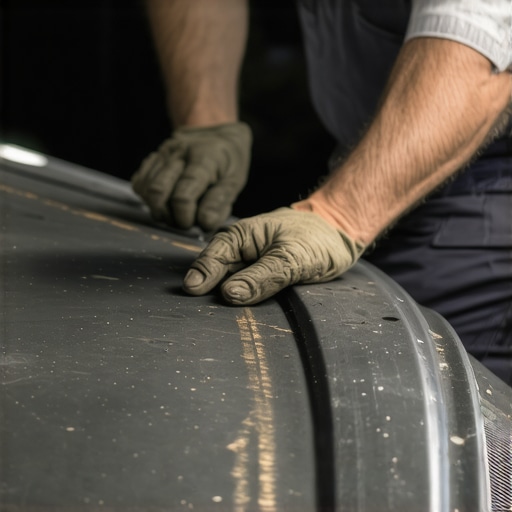
The rubber weather stripping that lines the perimeter of the hood serves a dual purpose: moisture exclusion and aerodynamic sealing. Over years of thermal cycling, these seals dry out, lose their elasticity, and eventually crack. When this happens, they no longer form a vacuum-tight bond between the hood and the chassis. This allows turbulent air to bleed through the edges at high velocity, creating localized lift forces that cause a rhythmic thumping or fluttering sound. Technical research from the Society of Automotive Engineers (SAE) indicates that even a 2mm gap in a frontal seal can increase the lift coefficient significantly once speeds exceed 65 mph. If you’ve noticed your hood lifting only during gusts or in the wake of large trucks, it is likely time to unlock your cars potential expert auto repair tips for 2025 to address these subtle maintenance items that impact safety.
Thermal Expansion and Latch Fatigue Factors
Mechanical components are not immune to the laws of thermodynamics, and the hood latch assembly is a prime example. During long summer drives, the heat radiating from the engine can cause the metal latch and the striker loop to expand at different rates. If the latch is already nearing its tolerance limit due to wear, this thermal expansion can introduce just enough ‘play’ to allow for movement. This is why a hood might feel rock-solid when the engine is cold but begin to dance after an hour on the interstate. This kind of intermittent issue requires a level of vehicle diagnostics that goes beyond a simple visual check. Professionals must verify that the striker is properly centered; if it is even slightly offset, the secondary catch may be doing all the work while the primary latch remains loosely engaged. Do not be misled by a how to spot a fake mechanic recommended service scam; a real expert will demonstrate the physical movement in the latch before suggesting a replacement.
The Critical Relationship Between Radiator Alignment and Panel Gap
Another factor that often complicates the diagnosis of hood flutter is the relationship between the radiator and the upper core support. If the radiator is not seated perfectly in its rubber bushings—perhaps due to a minor previous impact or a hasty repair—it can exert upward pressure on the hood’s underside or interfere with the latching depth. This creates a situation where the hood is technically latched but is not resting firmly on the adjustable bumpers we discussed previously. Before assuming your vehicle has structural frame damage, it is wise to identify a failing wheel bearing before it becomes a hazard, as heavy mechanical resonances can often be the catalyst that turns a small aerodynamic gap into a violent vibration. If you have experienced persistent hood movement that defies standard adjustment, share your story in the comments below or reach out to see if your specific model has a known technical service bulletin for this issue.
Why That Stylish Bug Deflector Might Be Making Your Hood Bounce
Many enthusiasts install bug deflectors or hood protectors to preserve their paint, but these accessories often introduce unintended aerodynamic consequences. By altering the leading edge’s profile, these plastic shields can disrupt the laminar flow—the smooth, streamlined air movement—and replace it with turbulent eddies. This turbulence creates localized pressure drops right where the hood’s leading edge meets the grille. When the air ‘trips’ over the deflector, it often creates a vortex that tugs upward on the panel. If you have recently added an accessory and noticed a new vibration, it is a prime example of how vehicle diagnostics must account for external modifications. This isn’t just about aesthetics; it is about maintaining the specific pressure balance engineered by the manufacturer to keep the panel pinned down at 80 mph.

How Worn Hinge Pins Kill Front-End Stability
While we naturally focus on the latch at the front, the hood hinges at the firewall act as the primary anchor points for the entire assembly. If the hinge pins or bushings have eroded—a common occurrence in salt-belt states or high-mileage vehicles—the entire panel gains a degree of freedom it wasn’t designed to have. Even a microscopic amount of play at the hinge translates into significant vertical movement at the nose. When performing a comprehensive car service, technicians should apply a load test to the rear of the hood while it is closed. If the back corners can be compressed or lifted, the vibration you feel at the steering wheel isn’t coming from the transmission or tires; it is the hood acting as a giant tuning fork. Replacing these hinges or installing oversized bushings is one of the more advanced auto repair techniques every car owner should know when standard latch adjustments fail to solve the flutter.
Is Your Aluminum Hood More Prone to Vibration Than Steel?
As manufacturers shift toward lighter materials to meet fuel efficiency standards, aluminum has become the preferred choice for hood panels. However, aluminum has a different resonant frequency and lower mass than traditional cold-rolled steel. This lower inertia means that the same wind gust that wouldn’t budge a steel hood can cause an aluminum one to oscillate violently. According to technical specifications from The Aluminum Association, the Young’s modulus of aluminum alloys requires specific structural ribbing and adhesive bonding to maintain stiffness. If the internal adhesive—often called ‘anti-flutter’ foam—between the hood skin and the inner reinforcement frame fails, the skin will vibrate independently of the frame. This internal separation is a common culprit behind ghost vibrations that occur only at specific speeds and can be difficult to catch without a tactile inspection of the underside bracing.
Fine-Tuning the Striker for a Zero-Tolerance Fit
The striker—the U-shaped bolt the latch grabs onto—is often adjustable, yet it is rarely touched by DIYers. If the striker is set too high, the latch will engage, but the hood won’t be pulled tight against the radiator support seals. This creates a ‘dead zone’ where the hood can move vertically even when locked. To fix this, you must loosen the mounting bolts of the striker and drop it by 1–2 millimeters. This small change increases the preload on the latch mechanism, ensuring that the primary hook is under constant tension. This level of precision is exactly what separates a quick fix from a professional-grade vehicle diagnostics session. A properly tensioned striker should require a firm, purposeful drop of the hood to latch, rather than a gentle push. If you’re finding it difficult to find the sweet spot between too loose and won’t latch, you might need to contact us to ensure your safety failsafes are operating within their factory-specified tolerances.
How Active Grille Shutters Influence Engine Bay Pressure
Modern vehicles often feature active grille shutters (AGS) that open and close based on cooling needs and speed. These systems are designed to improve aerodynamics, but a malfunction in the AGS motor can lead to unexpected hood buffeting. If the shutters remain closed at high speeds when they should be open, the air pressure builds up in front of the radiator with nowhere to go but up against the hood. This creates a ‘pressure pillow’ effect that can lift even a well-adjusted hood. This is a sophisticated electronic issue that requires a scanner to diagnose properly, often revealing fault codes that have nothing to do with the transmission or engine performance but everything to do with aerodynamic stability. When you unlock your cars potential expert auto repair tips for 2025, you realize that the mechanical and the digital are now inextricably linked, especially when it comes to high-speed handling and external panel security. The sensor data from the ambient air temperature module and the vehicle speed sensor must be synchronized perfectly to command the shutter motor’s position.
Vortex Shedding and the Invisible Force Tugging at Your Front End
Beyond the surface-level latch issues, the phenomenon of vortex shedding often dictates how a vehicle handles at peak velocity. When air travels over the leading edge of a car, it does not always remain attached to the surface; instead, it can separate and form alternating swirls known as Karman vortex streets. These vortices create fluctuating pressure zones that literally tug on the hood in a rhythmic fashion. If these frequencies align with the natural resonant frequency of your hood panel, the result is a violent, visible oscillation. This is a classic case where vehicle diagnostics must transition from mechanical inspection to an analysis of fluid dynamics. Identifying the specific speed where this resonance occurs can help technicians determine if the solution requires physical stiffening or a modification of the frontal airflow. Such precision is vital when performing a comprehensive car service on performance-oriented vehicles.
Restoring Structural Rigidity When Anti-Flutter Foam Fails
Many modern hoods consist of two distinct layers: an outer aesthetic skin and an inner structural skeleton. These are bonded together with specialized anti-flutter mastic or foam. Over years of heat cycles from the engine and sun, this adhesive can become brittle and snap, leaving the outer skin unsupported. Even if your latch is tight, the center of the hood can drum or flex independently of the frame. Applying a high-temperature structural adhesive to bridge these gaps is one of the top auto repair techniques every car owner should know for older vehicles. 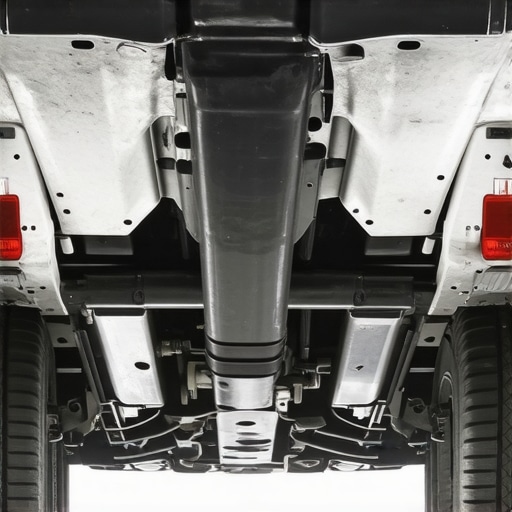 This restoration of structural integrity ensures that the panel acts as a single, rigid unit, resisting the oil-can effect caused by high-speed air pressure that can be just as distracting as a slipping transmission during highway merges.
Why Does Your Hood Only Dance During High-Velocity Crosswinds?
Crosswinds introduce a lateral component to the air pressure entering the engine bay, creating an asymmetrical lift. While frontal air might be managed by the grille and under-trays, a side-on gust can force air into the wheel wells and up into the sides of the bay, bypassing traditional seals. This creates a high-pressure pocket on one side of the hood while the other remains at a lower pressure, inducing a twisting force on the latch. According to specialized research published in the SAE International Journal of Passenger Cars, lateral wind vectors can increase the lift coefficient on front-end panels by up to 30 percent. In these instances, ensuring the side fender-to-hood seals are intact is just as critical as the front latch itself for maintaining highway safety.
Seal the Gaps Near the Cowl to Stabilize Engine Bay Pressure
The area at the base of the windshield, known as the cowl, is a high-pressure zone. If the rear hood seal—the weatherstripping that separates the engine bay from the wiper area—is compromised, this high-pressure air can back-feed into the compartment. This creates a clog where air entering the front cannot escape the rear, causing the pressure inside the bay to skyrocket. This pressure has no choice but to push the hood upward, straining the primary and secondary latches. Addressing these seals is a vital part of any performance-focused inspection. If you suspect your vehicle is suffering from these complex pressure issues, contact us to schedule a comprehensive aerodynamic and structural evaluation. By using these expert auto repair tips for 2025, you can ensure your vehicle remains pinned to the road, providing peace of mind during every high-speed journey.
Expert Insights & Advanced Considerations
How Windshield Sealing Prevents Engine Bay Pressure Spikes
When technicians perform a windshield replacement, they rarely consider its impact on the vehicle’s frontal aerodynamics. However, a slight deviation in the glass height or a gap in the lower cowl sealant can drastically alter the pressure differential at the rear of the hood. If you have recently had glass work done and notice new buffeting, it is likely that the high-pressure zone at the base of the glass is leaking into the engine bay, fighting against the latch. This is a subtle nuance often missed during a standard car service.
Identify Vibration Patterns with Telematics and Accelerometer Data
For persistent, ghost-like vibrations that only appear at specific interstate speeds, expert technicians now use smartphone-based accelerometers or dedicated telematics tools to map the vibration frequency. If the frequency correlates perfectly with engine RPM, the issue is mechanical; if it remains constant regardless of gear but varies with wind speed, you are looking at an aerodynamic failure. This data-driven approach is the hallmark of modern vehicle diagnostics.
Why Aftermarket Lighting Modules Destroy Your Front-End Lift Balance
Swapping out factory headlights for aggressive aftermarket housings often changes the gap tolerances between the lamp and the hood. These seemingly minor aesthetic changes can act as intake scoops, funneling high-velocity air directly into the side channels of the engine bay where it wasn’t intended to go. Before assuming you have a failing transmission or suspension component, check if your new lights have created an unintended air path that is lifting the panel.
Curated Expert Resources
SAE International Technical Papers: The gold standard for understanding vehicle fluid dynamics and panel lift coefficients. Use this to research specific peer-reviewed studies on hood-to-body gap optimization. NHTSA Safety Recall Portal: Essential for checking if your specific VIN is subject to technical service bulletins regarding latch failures or hood stay-rod defects. I-CAR Repairability Technical Support: An invaluable resource for understanding the structural bonding requirements for aluminum panels and how to restore factory rigidity after a minor impact. ALLDATA Collision: Provides the exact factory specifications for hood gap measurements and striker torque values that are critical for high-speed stability.
Final Expert Perspective
Addressing a hood that dances at 70 mph requires moving beyond simple mechanical checks and into the realm of aerodynamic management. By meticulously adjusting rubber isolators, verifying the integrity of under-trays, and ensuring that air pressure has a clear path of exit, you maintain the critical balance required for highway safety. Whether the root cause is a thermal expansion issue or a compromised perimeter seal, treating the hood as a structural aerodynamic component—rather than just a lid—is the key to a quiet, secure cabin. If you are experiencing persistent movement that defies these fixes, we invite you to share your findings or contact us for a deep-dive evaluation into your vehicle’s high-speed stability. Let us help you ensure your next long-distance drive is defined by precision, not vibration.