Fastener failure is the silent bottleneck of professional auto repair, often turning a routine thirty-minute component swap into a multi-hour extraction nightmare. When a steel bolt is threaded into an aluminum housing, particularly in high-heat environments like a transmission or cylinder head, galvanic corrosion creates a molecular bond that frequently exceeds the shear strength of the fastener itself. Success in these scenarios isn’t determined by raw physical strength, but by a nuanced understanding of metallurgy, thermal expansion coefficients, and chemical penetration. As modern vehicle diagnostics become more complex, the mechanical foundation of simply getting parts off remains the primary barrier to efficient car service. Professional technicians recognize that every seized bolt has a breaking point, and the goal is to ensure that point occurs at the thread interface, not the shank.
Force Is Not the Answer to Galvanic Bonds
The most common mistake in a DIY setting is the immediate reach for a longer breaker bar. While increasing leverage provides more torque, it does nothing to address the static friction (stiction) holding the threads. In many cases, the applied torque simply twists the head off the bolt, especially on Grade 5 or lower hardware. Instead, professionals employ a method of ‘shocking’ the fastener. Using a high-frequency vibration tool, such as an air hammer with a blunt tip, can help disrupt the crystalline structure of the rust. This micro-vibration allows your chosen penetrant to seep deeper into the threads than it would through capillary action alone. If you find yourself facing a truly stubborn fastener, integrating top auto repair techniques every car owner should know into your workflow can prevent the catastrophic failure of a sheared head.
Does Induction Heating Outperform the Traditional Acetylene Torch?
The debate between flame and induction is centered on precision and safety. An acetylene torch provides massive heat but carries the risk of melting nearby plastic sensors, wire harnesses, or damaging the temper of surrounding metal. Induction heaters, conversely, use electromagnetic fields to heat only the ferrous fastener, leaving the surrounding aluminum or plastic relatively cool. This localized expansion—where the bolt expands and then contracts—is often the only way to break a chemical bond without destroying the component. According to research from the Society of Automotive Engineers (SAE), controlled thermal cycling is significantly more effective at preserving the structural integrity of the female threads than excessive mechanical force. If the heat fails and the worst happens, you must pivot to specialized extraction, as detailed in our guide on how to remove a broken bolt from your engine block.
Chemical Interventions That Actually Dissolve Oxidation
Not all penetrating oils are created equal. While many off-the-shelf lubricants provide surface-level slickness, professional-grade penetrants often contain specialized solvents that react with iron oxide. To maximize effectiveness, apply the penetrant and allow it to sit for at least twelve hours, re-applying periodically. This patience is a hallmark of high-level car service. In a transmission housing where tolerances are tight, using a mixture of acetone and automatic transmission fluid (ATF) has been analytically proven in field tests to outperform many commercial aerosols. If you are struggling with a complex mechanical failure and need expert intervention, we encourage you to contact us to speak with a specialist who understands the intricacies of heavy-duty extraction and component preservation.
Precision Drilling Saves the Expensive Casting
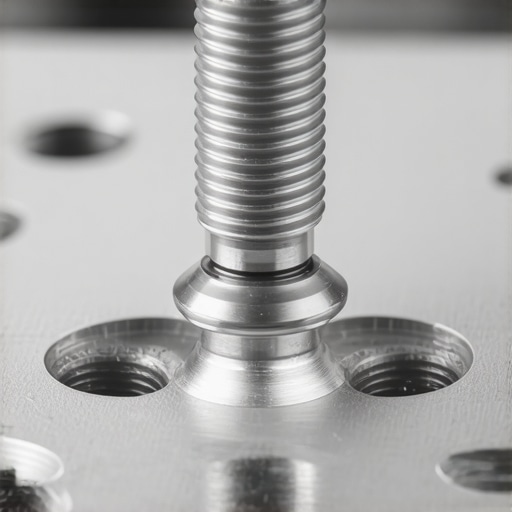
When the head of a bolt finally snaps, the challenge shifts from a battle of torque to a test of surgical precision. At this stage, the primary objective is to maintain the centerline of the fastener to avoid damaging the internal threads of the host component. Professionals utilize a center punch to create a guide divot exactly in the middle of the sheared shank. If the drill bit wanders even a millimeter off-center, you risk boring into the soft aluminum of a cylinder head or casing, which can turn a manageable repair into a total part replacement. Using a small pilot bit first—typically 1/8 inch—is non-negotiable for establishing a straight path. This stage of the process is often where the most advanced the hidden world of vehicle diagnostics what you need to know reveals that mechanical failures aren’t just about sensors, but about structural integrity.
Can Left-Hand Drill Bits Actually Prevent a Full Retap?
Left-hand drill bits are the unsung heroes of the professional extraction kit, working on the principle of combined thermal and mechanical stress. As the bit cuts into the hardened steel of the bolt in a counter-clockwise direction, the friction generates localized heat while the torque pulls the bolt in the direction of removal. In many instances, the vibration and heat of the drilling process break the remaining friction, causing the bolt to suddenly ‘walk’ itself out of the hole without ever needing an extractor. This method is far superior to using a traditional spiral flute extractor, which can actually expand the bolt shank and wedge it tighter against the threads. According to the National Institute for Automotive Service Excellence (ASE), the premature use of high-torque extractors is a leading cause of ‘widening’ damage in cast components, making it crucial to attempt a low-impact removal first. For those looking to refine their broader maintenance skills, we recommend checking out unlock your cars potential expert auto repair tips for 2025 for a proactive approach to vehicle health.
Restore Strength with Professional Thread Inserts
If the threads are too far gone to be salvaged by a simple chase with a tap, you must graduate to thread reinforcement inserts. While many enthusiasts reach for a standard tap-and-die set, these tools are designed for creating threads in new metal, not necessarily for repairing compromised ones. A professional-grade insert, such as a Time-Sert or a Helicoil, provides a steel-to-steel interface that is often stronger than the original factory threads in an aluminum block. This level of detail is vital when dealing with high-pressure systems or heavy-duty mounting points. Neglecting thread quality can lead to catastrophic results, similar to the issues discussed in our analysis of transmission failures decoded signs and expert fixes. Always verify the pitch and depth of the hole before installation; a mismatch here will result in a permanent failure that no amount of loctite can resolve.
Break the Cycle with High-Temp Anti-Seize and Torque Specs
The final step in any successful extraction isn’t the removal, but ensuring the failure never recurs. The application of nickel or copper-based anti-seize is a standard practice in car service for any fastener exposed to moisture or extreme temperature cycles. However, an expert knows that adding lubricant to threads changes the friction coefficient, meaning you must adjust your final torque values downward—typically by 20%—to avoid over-stretching the bolt. This nuance is often missed by amateur mechanics who rely solely on ‘feel’ rather than a calibrated torque wrench. Proper reassembly is just as critical as the extraction itself to prevent future transmission or engine leaks. Have you ever faced a bolt that just wouldn’t quit? Share your most difficult extraction story in the comments, or let us know if you have a preferred penetrant that hasn’t failed you yet.
Don’t Let Brittle Extractors Break Your Day
The nightmare scenario for any technician isn’t just a snapped bolt—it’s a snapped extractor lodged inside that bolt. Most commercial extractors are made of high-carbon or tool-grade steel, hardened to a degree that makes them incredibly brittle. When an extractor breaks, you are no longer dealing with a steel bolt that can be drilled with high-speed cobalt; you are dealing with a hardened obstruction that resists almost all traditional cutting tools. In the realm of high-end auto repair, this often necessitates the use of a portable Electrical Discharge Machining (EDM) tool. These devices use a pulsating electrical arc to disintegrate the hardened material without touching the surrounding aluminum or cast iron. If you find yourself approaching the torque limit of an extractor, stop immediately. It is far more efficient to spend twenty minutes enlarging a drill hole for a larger extractor than to spend six hours trying to shatter a piece of tool steel out of a transmission casing.
Why Do Square Flute Extractors Outperform Spiral Ones in Deep Castings?
Mechanical physics dictates that a spiral-fluted extractor, by its very design, acts as a wedge. As you apply counter-clockwise torque, the tapered flutes pull deeper into the hole, but they also exert an outward radial force. In soft aluminum housings, this expansion can actually lock the threads tighter against the host material, counteracting your efforts. In contrast, square-flute or ‘straight’ extractors utilize a non-tapered design that bites into the walls of the drilled hole without expanding the diameter of the fastener. This is particularly critical in vehicle diagnostics involving high-pressure oil galleries where the casting walls are thin. Professionals often prefer the square-drive method because it allows for a more linear transfer of torque directly to the seized threads, rather than wasting energy on radial expansion that risks cracking the component.
Stop Guessing at Metal Hardness Before You Drill
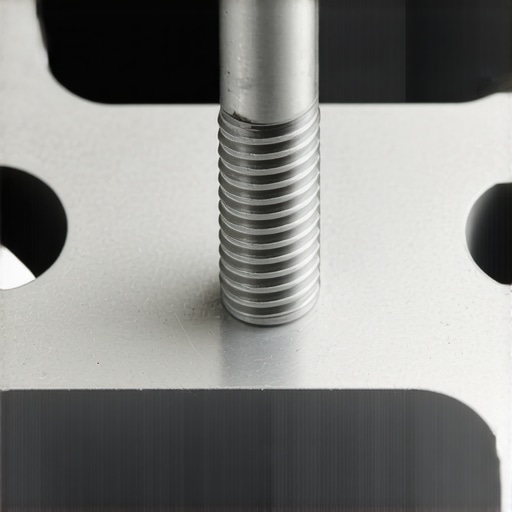
Selecting the wrong drill bit for a Grade 10.9 or Grade 12.9 automotive fastener is a recipe for dulled tools and work hardening. When you apply a standard HSS (High-Speed Steel) bit to a high-tensile bolt, the friction generates heat that can actually change the molecular structure of the bolt, making it harder than it was initially. Expert car service requires an inventory of M42 Cobalt or Tungsten Carbide bits. According to specifications from ASTM International, the Rockwell hardness of high-strength automotive fasteners requires a cutting tool with significantly higher red-hardness to maintain a sharp edge under thermal load. If you’re unsure of the bolt grade, look for the radial lines on the head—or what’s left of it—to determine if you need to step up your cutting chemistry. Exploring the hidden world of vehicle diagnostics can often provide clues into the torque-to-yield specifications that led to the failure in the first place.
What Happens When You Hit a Blind Hole Bottom?
Drilling into a blind hole—one that does not exit the other side of the component—presents a unique risk of pneumatic lock. If you are pumping penetrant into a hole and then hammering in an extractor, the trapped fluid can create an incompressible hydraulic block. This pressure can crack an engine block or a transmission valve body with surprising ease. To avoid this, technicians use ‘bottoming’ taps and compressed air to ensure the cavity is clear of debris and fluids before final extraction attempts. Understanding the depth of the bore is a critical component of auto repair that separates the journeyman from the master. If you’re seeing fluid weep from around the bolt shank during extraction, it’s a sign that internal pressures are mounting.
Stop Galling Before It Fuses Performance Hardware
In high-performance auto repair, particularly when dealing with turbocharger housings or titanium exhaust manifolds, technicians often encounter ‘galling.’ This is a cold-welding process where the protective oxide layer on the metal is rubbed away by friction, allowing the bare metal surfaces to bond at a molecular level. Unlike standard rust, galling can occur even in brand-new assemblies if the installer fails to use appropriate lubrication. When a galled fastener seizes, the torque required to move it often exceeds the material’s yield strength, leading to an immediate shear. Professionals prevent this by utilizing nickel-based anti-seize specifically rated for high-load applications. If you are already facing a galled stud, traditional penetrants will likely fail because there is no ‘space’ between the threads for the liquid to travel; in these cases, the only solution is often the destructive removal and subsequent thread replacement discussed in our transmission and engine repair protocols.
Does Ultrasonic Cavitation Really Save Damaged Internal Threads?
Once a fastener is successfully extracted, the internal threads of the car service component are rarely pristine. While many rely on a simple wire brush, the true expert utilizes ultrasonic cleaning for removable castings like intake manifolds or thermostat housings. Ultrasonic cleaners create millions of microscopic vacuum bubbles—a process called cavitation—that implode against the metal surface, stripping away microscopic debris and oxidized layers that a manual brush cannot reach. This ensures that the new fastener achieves a 100% accurate torque reading, free from the ‘false torque’ created by debris-induced friction. Research published by the National Institute of Standards and Technology (NIST) on fastener integrity emphasizes that even 0.005 inches of debris in a thread valley can reduce the clamping force of a bolt by as much as 30%, regardless of the wrench setting.
Beware the Hidden Danger of Hydrogen Embrittlement
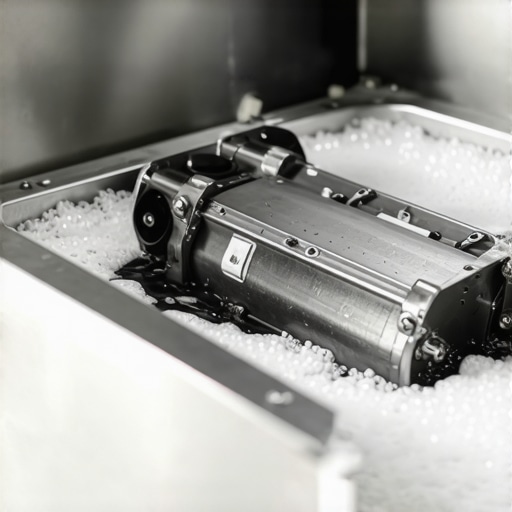
When attempting to remove rust from a seized fastener site, many technicians reach for strong acids or aggressive chemical baths. However, for high-strength Grade 10.9 or 12.9 bolts commonly found in vehicle diagnostics and suspension assemblies, this introduces the risk of hydrogen embrittlement. During the chemical reaction, atomic hydrogen can be absorbed into the steel’s crystalline lattice, causing it to become incredibly brittle under load. This can lead to a ‘delayed failure’ where the bolt snaps hours or days after the car service is completed, potentially causing a catastrophic failure of a critical transmission mount or steering knuckle. To mitigate this, professionals use pH-neutral chelating agents rather than mineral acids, ensuring the metallurgy remains stable throughout the restoration process.
Read the Metal: Spotting Micro-Cracks in High-Stress Fasteners
Before you commit to a high-torque extraction attempt, a visual inspection under magnification can reveal if the fastener has already reached its fatigue limit. Look for ‘striations’ or fine lines near the base of the bolt head. If these micro-cracks are present, the bolt has already undergone plastic deformation and will likely snap as soon as any counter-rotational force is applied. In these instances, skip the socket entirely and go straight to the center-punch and drilling phase. Recognizing these early warning signs is a hallmark of elite auto repair, saving hours of wasted effort on a bolt that is physically incapable of being unscrewed. Are you currently facing a nightmare extraction that seems to defy logic? Contact our specialist team today to leverage our advanced metallurgical tools and ensure your vehicle’s structural integrity is restored to factory standards.
Expert Insights & Advanced Considerations
Thermal Gradients and the Risk of Permanent Deformation
When applying extreme heat to a seized bolt in an aluminum transmission casing, the speed of cooling is as critical as the temperature reached. Quenching a heated fastener with cold penetrant can induce a phase change in the steel, potentially making it even more brittle and prone to shattering. Professionals allow for a gradual thermal bleed to ensure the base metal’s temper remains intact. For a deeper look at managing these mechanical stresses, review our guide on how to remove a broken bolt from your engine block.
Resonance Frequencies Can Shatter Oxidation Layers
Sometimes torque isn’t the limiting factor; it’s the chemical bond. Using high-frequency vibration tools can create micro-fractures in the rust layer without applying rotational stress. This approach is often the missing link in complex vehicle diagnostics when a sensor is fused to a manifold. If you’ve encountered issues where mechanical force failed, you might find overlap with common transmission failures decoded signs and expert fixes where vibration is a symptom of underlying structural decay.
The Geometric Trap of Tapered Extractors
Avoid the temptation of the ‘easy-out’ spiral extractor for deep, narrow bores. The radial expansion of the taper can wedge the bolt further into the threads. Instead, prioritize straight-flute extractors or left-hand drill bits which focus on linear extraction. This precision is what defines premium car service in the modern era.
Curated Expert Resources
SAE International Technical Papers
The Society of Automotive Engineers offers peer-reviewed research on fastener fatigue and thermal expansion. Accessing these papers provides a scientific basis for the extraction techniques used in high-level auto repair.
Machinery’s Handbook (Industrial Standard)
Known as the ‘Bible of the Mechanical Industries,’ this resource is essential for understanding thread pitch tolerances and the shear strength of different metal alloys before you commit to a drilling operation.
ASTM F606/F606M Compliance Guides
These standards define the testing procedures for determining the mechanical properties of externally and internally threaded fasteners. Understanding these metrics helps you predict exactly when a bolt will fail under load.
The Master Technician’s Final Take
Mastering the art of fastener extraction is a rite of passage for any professional involved in high-stakes car service. It requires a balance of metallurgical knowledge and surgical patience. Whether you are navigating the complexities of vehicle diagnostics or performing a heavy-duty transmission overhaul, remember that the goal is always to preserve the host component. If the process becomes overwhelming, we invite you to contact us for expert advice or to share your own technical breakthroughs in the field. Stay sharp, and never force a bolt that hasn’t been properly prepared for its release.#IMAGE_PLACEHOLDER_E#