Automotive thermal management is the critical boundary between a reliable daily driver and a catastrophic engine failure. While many vehicle owners focus on vehicle diagnostics related strictly to electronic sensors or the check engine light, the physical state of the cooling system’s plumbing is often overlooked until steam is billowing from the hood. A leaky radiator hose represents a major breach in the engine’s life-support system, which is designed to keep operating temperatures stable under extreme loads. In many modern vehicles, the radiator also facilitates the cooling of the transmission fluid via an integrated heat exchanger; therefore, a drop in coolant efficiency directly impacts the longevity of your gearbox and overall car service intervals. Understanding the physics of thermal expansion and pressure is essential for anyone performing professional-level auto repair.
Thermal Integrity and the Mechanical Fatigue of Vulcanized Rubber
Coolant hoses are subjected to relentless heat cycling, which eventually triggers electrochemical degradation within the rubber matrix. This internal breakdown often starts from the inside out, meaning a hose that looks visually acceptable can actually be on the verge of bursting under standard operating pressures. In the realm of high-level automotive maintenance, technicians look for ‘bulging’ near the clamp zones or a ‘spongy’ resistance when squeezed—both are clear indicators of structural failure. Proactive replacement of these components is a significantly more cost-effective strategy than dealing with [IMAGE_PLACEHOLDER] transmission troubles caused by an overheated engine block. Modern hoses often utilize EPDM (Ethylene Propylene Diene Monomer) for superior resistance to heat and ozone, yet even these advanced polymers have a finite lifespan when exposed to the high-sulfur environments of a poorly maintained engine bay.
Why Your Cooling System Fails Long Before the Gauge Hits Red
Modern engines operate at high pressures to raise the boiling point of the ethylene glycol coolant mixture. According to technical documentation from the Society of Automotive Engineers (SAE), even a microscopic leak or a faulty pressure cap can cause a sudden drop in system pressure, leading to localized boiling or ‘hot spots’ within the cylinder head. These air pockets prevent efficient heat transfer, leading to warped heads or blown gaskets, even if your dashboard thermometer hasn’t yet signaled a crisis. This is precisely why why your coolant level drops without any visible puddles is a symptom that demands immediate professional investigation. Relying solely on the dash cluster is a common mistake that leads to engine seizure.
The $20 Strategy for Restoring Cooling Circuit Pressure
For less than the price of a basic oil change, you can often secure the long-term integrity of your engine. A high-quality reinforced hose and a set of stainless steel clamps can usually be sourced for under $20, but the installation requires precision. Cleaning the radiator mounting neck of all oxidation and calcium scale is non-negotiable; failing to do so creates an uneven surface that will leak regardless of how much torque is applied to the clamp. This is a fundamental part of the top auto repair techniques every car owner should know. Furthermore, applying a light film of specialized silicone lubricant ensures the rubber seats perfectly over the bead without tearing the inner liner during installation.
Is a Worm-Drive Clamp Really Better Than the Factory Spring Clip?
This is a frequent point of contention in expert forums and master technician circles. Factory spring clips are engineered to expand and contract in tandem with the hose as it heats, providing constant tension. However, in an aging cooling system where the mounting plastic of the radiator may have become brittle, a precision-tightened worm-drive clamp can offer a more customized, secure seal. The inherent risk is over-tightening, which can crush the radiator inlet. If you are experiencing transmission failures decoded or other fluid-related issues, contact us to ensure your thermal management system is functioning at peak efficiency. Identifying these mechanical nuances is the first step toward a vehicle that reaches its maximum potential without unexpected downtime.
The Chemical Sabotage Lurking Inside Your Antifreeze
Beyond the physical integrity of the rubber, the chemical composition of the coolant itself acts as a primary catalyst for system failure. When the pH balance of the antifreeze shifts toward acidity, it transforms from a protective medium into a corrosive electrolyte. This process, often unnoticed during a standard car service, leads to the internal pitting of aluminum components and the degradation of the hose’s internal lining. If you’ve noticed why your engine temperature spikes only while waiting at red lights, the culprit may be a restricted flow caused by internal hose sloughing rather than a simple fan failure. Neglecting fluid chemistry is a fast track to expensive auto repair that could have been avoided with a simple litmus test during routine checks.
Can a Bad Ground Wire Actually Melt Your Radiator Hoses?
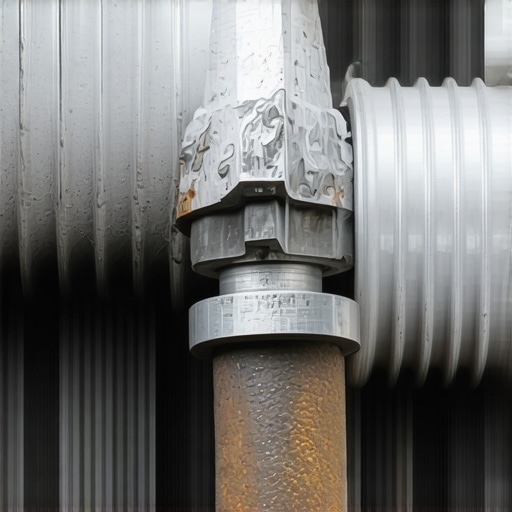
It sounds like an automotive urban legend, but the physics of galvanic corrosion is undeniable. When an engine’s primary ground strap becomes frayed or corroded, the electrical current seeks the path of least resistance to return to the battery. Frequently, this path is through the engine coolant. This phenomenon, known as electrolysis, literally ‘plates’ metal from the radiator onto other components, creating pinhole leaks in a matter of weeks. Expert technicians know how to spot a bad ground wire before it kills your new battery and your entire cooling circuit. According to data from the American Automobile Association (AAA), cooling system failures remain one of the top three causes of roadside breakdowns, many of which stem from these ‘invisible’ electrical issues that traditional vehicle diagnostics might overlook if only scanning for OBD-II codes.
Why Trapped Air is the Silent Killer of Water Pumps
Replacing a hose is only half the battle; the real challenge lies in purging the ‘air locks’ that inevitably form during the process. An air pocket trapped near the water pump can cause cavitation—a state where the pump impeller spins in a vacuum-like void, creating shockwaves that erode the metal and destroy the bearings. This is why mastering the ‘burping’ process is critical for long-term reliability. While some use specialized vacuum-fill tools, others rely on the 15-way to find a vacuum leak without a smoke machine to ensure the system is atmospheric-tight before the final fill. Integrating these advanced checks into the hidden world of vehicle diagnostics separates a standard repair from a high-performance restoration. Proper thermal management ensures that your transmission fluid stays within its optimal viscosity range, preventing the dreaded ‘limp mode’ during heavy summer hauls. Have you ever encountered a mysterious coolant leak that only seemed to appear when the car was parked on an incline? Share your most frustrating diagnostic puzzles in the comments below, and let’s troubleshoot the nuances of thermal expansion together.
Ditch the Rubber: When Silicone Becomes a Necessity
The transition from EPDM to silicone hoses isn’t just about aesthetics or vibrant colors under the hood. In high-performance or heavy-duty towing scenarios, standard rubber hoses can suffer from ‘heat soak’ that permanently softens the material, leading to a loss of structural rigidity during high-RPM runs. Silicone variants offer a significantly higher burst pressure rating and can withstand ambient engine bay temperatures exceeding 350 degrees Fahrenheit without becoming brittle. However, the advanced DIYer should note that silicone is more permeable than EPDM on a molecular level, which can lead to a very slow ‘evaporative’ loss of coolant over several years. This is a trade-off many accept for the near-immunity to ozone cracking and electrochemical degradation. If you are pushing your vehicle’s transmission to its limits, upgrading these critical conduits is a foundational step in professional auto repair.
Why Does My Upper Radiator Hose Collapse After the Car Sits Overnight?
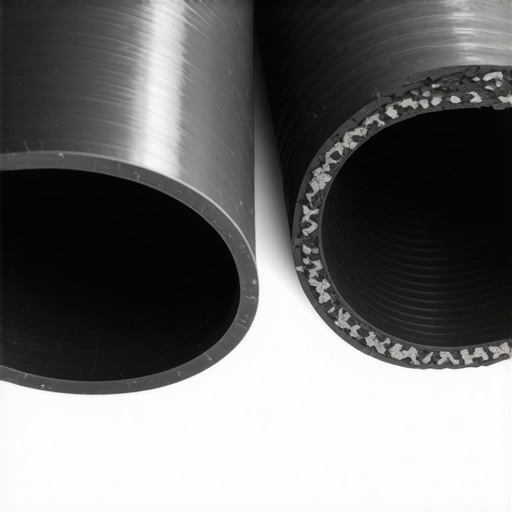
This is a frequent point of confusion for many vehicle owners. When your engine cools down, the coolant volume shrinks, creating a vacuum within the sealed system. Under normal conditions, the vacuum valve in your radiator cap opens to pull fluid back from the overflow reservoir. If that hose is blocked or the cap’s internal spring is seized, the vacuum will literally suck the walls of the upper radiator hose inward until they touch. According to the technical failure analysis guides from Gates Corporation, a collapsed hose is the primary red flag for a failed radiator cap pressure-relief mechanism. Ignoring this symptom places immense stress on the internal radiator core, which can lead to premature seam separation and a sudden loss of all vehicle diagnostics data as the engine enters a rapid overheat state.
The Critical Intersection of Coolant Flow and Transmission Longevity
In most modern automatic vehicles, the radiator isn’t just for the engine; it houses a secondary cooling loop for the transmission fluid. When a radiator hose begins to degrade internally, the resulting debris—small flakes of vulcanized rubber—can travel into the fine fins of the transmission heat exchanger. This restriction is a ‘silent killer’ because it may not cause the engine to overheat, but it will cause transmission fluid temperatures to skyrocket. Fluid oxidation occurs exponentially faster once temperatures exceed 220 degrees Fahrenheit, leading to charred clutches and erratic shifting. This highlights why a comprehensive car service should involve a flow-rate test of the cooling circuit, not just a visual check for leaks. If you’ve felt a slight shudder during gear changes on hot days, your cooling system might be the hidden culprit.
The Dangers of ‘Pressure Spiking’ During Cold Starts
Many drivers assume that the highest risk of hose failure is during a long summer drive, but the thermal shock of a cold start in freezing temperatures is equally dangerous. As the thermostat remains closed, the water pump creates high localized pressure within the engine block and the bypass hoses. If the rubber has lost its elasticity, this sudden pressure spike can cause the hose to ‘balloon’ and eventually burst at the clamp point. Integrating a visual inspection of these bypass lines into your vehicle diagnostics routine is essential. If the lines feel rock-hard or ‘crunchy’ when cold, they have lost their ability to expand and contract, making them a ticking time bomb for your engine’s safety. To ensure your vehicle is ready for the changing seasons, contact us for a professional pressure test and cooling system audit. Keeping the pressure balanced between the radiator and the block is the only way to prevent catastrophic fatigue in the cooling circuit’s most vulnerable points.
While the rubber conduit itself is the most visible point of failure, the ‘quick-connect’ fittings prevalent in European and late-model domestic vehicles introduce a new layer of complexity to vehicle diagnostics. These plastic-housed couplings rely on internal nitrile O-rings and metal retaining clips, which eliminate the need for traditional clamps but introduce a catastrophic failure point: plastic embrittlement. Over thousands of thermal cycles, the glass-filled nylon becomes porous and brittle. A technician performing a standard car service might find that simply touching a pressurized hose causes the entire plastic neck to shatter, instantly draining the system. This ‘heat-soaking’ effect is particularly aggressive near the cylinder head outlets where temperatures are most volatile.
Stop Mechanical Stress From Snapping Your Cooling Flanges
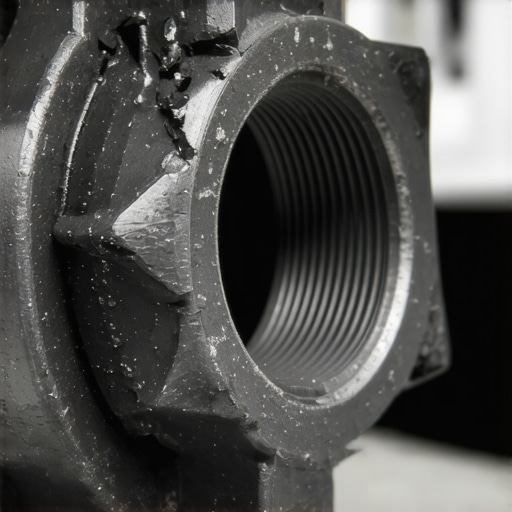
Excessive engine movement is an often-ignored catalyst for cooling system failure. When engine mounts degrade, the torque-induced rocking of the motor places direct lateral tension on the radiator hoses. Since the radiator is fixed to the chassis and the engine is floating on mounts, the hoses must act as flexible bridges. If the rubber has hardened, it transfers that energy directly into the plastic radiator tanks or the water pump housing. This is a critical nuance in professional auto repair; you aren’t just fixing a leak, you’re diagnosing a failed harmonic dampening system that will eventually snap your new components if left unaddressed. Proactive mount inspection is just as vital as checking the hoses themselves to maintain the structural integrity of the entire thermal loop.
Why Do Modern Radiator Connections Fail Without Warning?
The answer lies in the shift toward composite materials that prioritize weight reduction over long-term durability. According to the technical guidelines provided by ASTM International in their D3306 standards for engine coolants, the chemical inhibitors in your antifreeze are designed to protect these composites, but they cannot stop the physical fatigue caused by vibration. When these inhibitors are depleted, the plastic becomes ‘honeycombed’ at a microscopic level. This makes the material susceptible to sudden, jagged fractures rather than slow leaks, leaving the driver with no time to react before the transmission cooler lines also become compromised due to the lack of heat exchange. This is why chemical testing is a mandatory part of modern car maintenance.
The Pressure Test Reality Check
A standard static pressure test—pumping the system to 15 PSI while the engine is cold—is frequently insufficient for modern vehicle diagnostics. Expert technicians often perform ‘hot’ pressure tests or use a block tester to detect combustion gases leaking into the cooling jacket. This ensures that a head gasket breach isn’t ‘pumping up’ the cooling system with high-pressure exhaust, which would make even a brand-new hose fail within days. High-level auto repair requires looking past the symptom (the leak) and identifying the source of the over-pressurization. If your hoses feel unusually firm even after the engine has cooled for an hour, your cooling system is holding onto pressure it should have vented, signaling a faulty radiator cap or a more sinister internal engine issue.
Can Your Transmission Survive a Cooling System Cross-Contamination?
When the internal walls of a radiator’s heat exchanger fail, it creates a ‘strawberry milkshake’ effect—a lethal mixture of coolant and transmission fluid. This cross-contamination is fatal for the friction plates inside your gearbox because the water in the coolant dissolves the glues holding the clutch material together. If you notice any discoloration or a milky residue in your expansion tank, you must act immediately. Contact us today for a comprehensive thermal audit to verify that your vital fluids remain separated and your cooling circuit is structurally sound. Addressing these ‘silent’ chemical and mechanical threats is the hallmark of elite vehicle maintenance.
Advanced Field Observations and Strategy
Why Static Pressure Tests Often Lie to You
A standard pressure test performed on a cold engine frequently fails to reveal the micro-fractures that only expand under operating temperatures. When you are deep into vehicle diagnostics, it is vital to remember that rubber compounds behave differently at 200 degrees than they do at ambient temperature. A hose might hold 15 PSI while cold but suffer from ‘seeping’ once the polymer matrix relaxes under heat. For those performing serious auto repair, a dynamic test—monitoring pressure as the engine reaches its thermal peak—is the only way to verify absolute circuit integrity.
Stop Treating Hoses as Isolated Components
The cooling system is a closed-loop ecosystem. A bulging hose is often the final symptom of a failed thermostat or a clogged radiator core rather than the primary cause. If you simply replace the rubber without addressing the high-pressure surges caused by a restricted flow, you are merely resetting a countdown to the next failure. Integrated the hidden world of vehicle diagnostics teaches us that every component, from the pressure cap to the transmission cooler, must be evaluated as a single unit to prevent repeat breakdowns.
The Chemical Fingerprint of Impending Gasket Failure
When performing a routine car service, the color and smell of your coolant are more than just maintenance markers; they are diagnostic data. Suspended oil droplets or a faint scent of exhaust in the expansion tank indicate that combustion gases are breaching the cooling jacket. This over-pressurizes the hoses from the inside out, leading to sudden bursts that no amount of external inspection could predict. Mastering expert auto repair tips for 2025 requires shifting your focus from mechanical parts to the chemical interactions occurring within the fluid itself.
#IMAGE_PLACEHOLDER_E#
Essential Tech Libraries for the Pro-Level DIYer
Gates Corporation Technical Bulletins
This resource offers the industry standard for belt and hose failure analysis. It provides high-resolution imagery of electrochemical degradation and ozone cracking, allowing you to identify specific failure modes before they result in a roadside emergency. It is an indispensable tool for anyone serious about high-level vehicle diagnostics.
SAE International Technical Papers
For those who want to understand the ‘why’ behind the ‘how,’ the Society of Automotive Engineers provides peer-reviewed data on heat transfer coefficients and the evolution of EPDM materials. This is where you learn why specific clamp torques matter and how transmission fluid heat exchangers are sized for modern workloads.
ASTM International Standard D3306
This is the definitive guide to engine coolant specifications. Understanding this standard ensures you never mix incompatible chemistries that could lead to the internal ‘sludging’ that ruins hoses and radiators alike. It is the gold standard for maintaining a professional car service regimen.
Maintaining the Edge in Thermal Management
True expertise in automotive maintenance means moving beyond the ‘replace when broken’ mentality and adopting a predictive strategy. By recognizing that radiator hoses are the flexible arteries of your engine, you protect not just the block, but also the sensitive internals of your transmission and secondary cooling systems. Success in auto repair is found in the details: the tension of a clamp, the pH of the fluid, and the structural integrity of a ground wire. If you are ready to move past basic fixes and secure your vehicle’s long-term reliability, contact us today for a professional consultation. Let us help you master the complexities of your car’s thermal health before the next heatwave turns a minor drip into a major disaster.