The irritating high-pitched frequency emitted by drum brakes is a phenomenon rooted in stick-slip friction and harmonic resonance. As the brake shoe contacts the rotating drum, microscopic vibrations are amplified by the drum’s specific geometry, much like a bell. Addressing this requires more than just a surface-level car service; it demands a deep dive into the mechanical tolerances of the assembly. Expert-level vehicle diagnostics suggest that the primary culprit is often the lack of shoe-to-drum centering, which occurs when the self-adjuster mechanism becomes seized or improperly indexed. While many car owners assume that a [squeal in the morning](https://reliableautocares.com/why-your-brakes-squeal-in-the-morning-but-stop-after-three-blocks) is simply surface moisture, chronic noise during operational temperatures indicates a mechanical misalignment that requires precise intervention.
Precision Geometry Restores Silent Braking Performance
In the field of professional auto repair, the focus is on the backing plate and the six contact points where the brake shoes rest. Over time, these points develop grooves that trap the shoe, preventing it from retracting smoothly and causing it to vibrate against the drum. According to technical documentation from SAE International regarding friction-induced noise (Standard J2521), dampening these contact points is essential for noise reduction. Applying a high-temperature ceramic lubricant to these specific ‘lands’ is a foundational step. However, the most critical adjustment involves the star-wheel adjuster. By manually expanding the shoes until a slight ‘drag’ is felt against the drum, and then backing off precisely two notches, the technician ensures that the shoes maintain a parallel relationship with the drum surface, effectively eliminating the flutter that generates the screeching sound.
Can a Mismatched Shoe-to-Drum Radius Cause Chronic Noise Issues?
When new shoes are installed without ‘arching’ them to match the specific radius of a turned drum, only a small portion of the friction material makes contact. This localized pressure leads to excessive heat and high-frequency vibration. In advanced vehicle diagnostics, this is identified as a contact pattern issue. If you notice a [specific smell that suggests brakes are dragging](https://reliableautocares.com/the-specific-smell-that-tells-you-your-brakes-are-dragging), the heat may be glazing the friction material, exacerbating the noise. Ensuring the shoe radius matches the drum is a hallmark of elite auto repair that goes beyond basic parts swapping. For disc-based systems, a similar attention to detail is required, particularly regarding the [correct way to bed new brake pads](https://reliableautocares.com/the-correct-way-to-bed-new-brake-pads-so-they-do-not-squeak) to ensure a uniform transfer layer.
Mechanical Calibration Overcomes Component Resonance
The relationship between the braking system and the drivetrain cannot be overlooked. A vehicle that exhibits harmonic noise might also be experiencing parasitic drag that affects the transmission. Expert technicians often observe that a [clunking sound during stops](https://reliableautocares.com/why-your-gearbox-makes-a-clunking-sound-when-you-stop-fast) can sometimes be traced back to the rear brakes failing to release promptly, which puts undue stress on the transmission’s output shaft. If the rear brakes are out of adjustment, the front brakes must work harder, leading to overheating and potential failure. This holistic view of car service ensures that solving a simple squeal also preserves the longevity of the entire powertrain. Proper adjustment of the drum parking brake cable is also paramount; if too tight, it prevents the shoes from resting on the anchor pin, which is a frequent but overlooked cause of persistent rear-end noise. If you are experiencing broader mechanical issues, it may be time to investigate [transmission failures and expert fixes](https://reliableautocares.com/transmission-failures-decoded-signs-and-expert-fixes) to ensure your vehicle remains reliable. To further enhance your technical knowledge, consider contributing your own auto repair observations to our professional forum or exploring our comprehensive guide on [transmission troubles](https://reliableautocares.com/transmission-troubles-how-to-save-time-and-money-with-proven-repairs).
Weak Springs Turn Your Brake Drum Into a Resonance Chamber
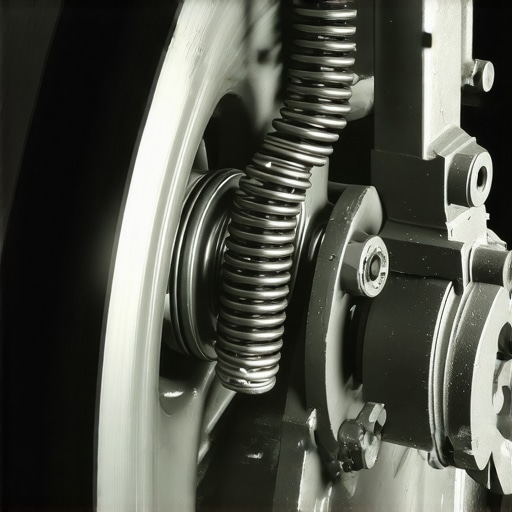
While much focus in auto repair is placed on the friction material, the unsung heroes of a silent drum system are the return springs. These components are under constant heat cycles and tension, eventually losing their ‘memory’ and failing to pull the shoes back to their resting position. When a spring weakens, the shoe remains in light, erratic contact with the drum, creating a high-pitched moan that mimics a failing bearing. Advanced vehicle diagnostics often overlook hardware fatigue, yet replacing these springs is as vital as the shoes themselves. According to technical data from Bosch Mobility, hardware kits should be replaced with every shoe change to ensure consistent clamping force. If the hardware is compromised, you may find [the difference between a soft brake pedal and a spongy one](https://reliableautocares.com/the-difference-between-a-soft-brake-pedal-and-a-spongy-one) becomes a primary concern during your daily commute.
Why Does Even a New Wheel Cylinder Fail to Silence Your Rear Brakes?
Technicians often encounter situations where the hydraulic components are replaced, yet the noise persists. This usually stems from ‘piston stick’ within the wheel cylinder or a slight internal leak that contaminates the friction material. Even a microscopic amount of brake fluid on the shoe surface causes ‘grabbing,’ where the shoe binds and releases rapidly, creating a shudder or squeal. This is where car service requires a nuanced eye; checking the dust boots for fluid is a start, but verifying the hydraulic balance across the axle is better. If your car exhibits uneven braking, it might feel like it is wandering, similar to [why your car pulls to the left even after an alignment](https://reliableautocares.com/why-your-car-pulls-to-the-left-even-after-an-alignment). Ensuring the hydraulic pressure is equalized prevents one side from overheating and glazing, a common source of chronic noise. For those transitioning from disc to drum maintenance, understanding [how to unstick a caliper without replacing the whole brake system](https://reliableautocares.com/how-to-unstick-a-caliper-without-replacing-the-whole-brake-system) offers a similar lesson in why mechanical freedom is paramount for silent operation.
Hydraulic Imbalance Sabotages Even the Best Mechanical Adjustments
The complexity of vehicle diagnostics intensifies when the issue lies upstream in the proportioning valve or the master cylinder. If the rear brakes receive too much pressure too quickly, they lock up and vibrate; too little, and they never properly seat, leading to a build-up of glaze. Professional auto repair involves testing the fluid for moisture content, which can cause erratic hydraulic behavior. Moisture-laden fluid boils at lower temperatures, leading to gas pockets that compromise the ‘hit’ of the brake shoe against the drum. This imbalance not only causes noise but can subtly affect your transmission shift points if the vehicle’s ECU detects unexpected wheel speed variations during deceleration. This level of detail is explored further in [the hidden world of vehicle diagnostics](https://reliableautocares.com/the-hidden-world-of-vehicle-diagnostics-what-you-need-to-know), where we look at how interconnected systems dictate performance. Have you recently replaced your shoes but kept the old springs? We’d love to hear your experience—leave a comment below or share this guide with someone struggling with a persistent brake squeal. Implementing [the one maintenance move that doubles the life of your rotors](https://reliableautocares.com/the-one-maintenance-move-that-doubles-the-life-of-your-rotors) and drums alike—regular cleaning and lubrication—remains the most effective way to prevent these harmonic issues from ever starting.
Beyond the mechanical adjustment of the shoes, the metallurgy and surface texture of the drum itself act as the primary interface for noise generation. In professional auto repair, we often see drums that appear ‘mirrored’ or glass-smooth. While this looks clean, it is actually a state of thermal glazing that significantly reduces the friction coefficient. Achieving a non-directional finish—typically between 40 and 60 micro-inches (Ra)—is vital. This specific texture allows the shoe to seat without developing a rhythmic vibration pattern. When the surface is too smooth, the shoe ‘skips’ across the metal at high frequencies, creating that piercing squeal. Expert vehicle diagnostics involve using a profilometer to measure this roughness, ensuring that the drum isn’t just round, but also texturally compatible with the friction material.

Can a Distorted Hub Flange Trick You Into Thinking Your Drums Are Warped?
One of the most elusive causes of rear-end vibration and noise isn’t the drum at all, but the hub it mounts to. Even a few thousandths of an inch of lateral runout on the axle flange will be amplified at the outer edge of the drum. This creates a ‘wobble’ that causes the shoes to contact the drum unevenly every revolution. According to technical bulletins from Bendix, measuring runout with a dial indicator is a non-negotiable step in high-end car service. If you’ve ever felt a [pulsation in the pedal that won’t go away](https://reliableautocares.com/why-your-brake-pedal-pulses-even-after-getting-new-drums), the hub-to-drum mating surface is likely contaminated with rust or scale. This mechanical ‘noise’ can even interfere with the transmission‘s torque converter lock-up if the vibration is severe enough to be picked up by the vehicle’s knock sensors or acceleration sensors. Ensuring that the mounting surface is cleaned to bare metal before installation is a hallmark of elite service that prevents chronic ‘phantom’ warping.
High-Frequency Damping Weights and the Battle Against Harmonic Feedback
Some heavy-duty drum designs utilize an external dampening spring or a weighted ‘harmonic balancer’ ring pressed onto the outer circumference. These are not merely structural; they are tuned to absorb the specific frequencies generated during heavy braking. When these rings rust off or the tension springs break, the drum becomes a giant resonator. In the realm of auto repair, technicians must verify the integrity of these damping features. If your vehicle feels unstable under load, it’s worth considering [how suspension wear affects braking performance](https://reliableautocares.com/how-worn-shocks-ruin-your-braking-distance) because a vibrating axle will always find the weakest link in your rear assembly. Modern vehicle diagnostics now integrate vibration analysis software that can pinpoint whether a noise is a friction-material issue or a structural resonance coming from the axle housing itself. For those looking to master their maintenance, learning [the secret to identifying wheel bearing failure](https://reliableautocares.com/the-secret-to-identifying-wheel-bearing-failure-before-it-is-too-late) can help differentiate between a simple brake squeal and a more serious drivetrain harmonic. If you find your rear-end noise changes pitch when you slightly apply the parking brake, you are likely dealing with a resonance issue rather than a hydraulic failure. Have you checked your drum’s damping springs lately? Sharing your findings in our community forum can help others troubleshoot these elusive sounds before they lead to expensive component replacements. The integration of the Electronic Brakeforce Distribution (EBD) system adds another layer of complexity, as the computer may vary the pressure to the rear drums based on the load detected by the transmission and speed sensors.
Why Electronic Brake Distribution Can Mimic Mechanical Drag
In modern vehicles, the EBD system constantly adjusts the hydraulic pressure sent to the rear drums to maximize stability. If a wheel speed sensor is slightly fouled by brake dust, it might send erratic signals that cause the EBD to pulse the rear brakes unnecessarily. This can create a ‘chirp’ or ‘groan’ that sounds identical to a mechanical adjustment issue. Advanced vehicle diagnostics require a scan tool to monitor real-time wheel speed data while braking to ensure the electronic brain isn’t fighting the mechanical components. This interplay between electronics and old-school drum tech is where many car service centers struggle. If the EBD is over-compensating, it can lead to premature shoe wear on one side, which in turn affects how the transmission handles downshifts during aggressive braking. The relationship is so tight that even a [small vacuum leak in the brake booster](https://reliableautocares.com/how-a-vacuum-leak-ruins-your-braking-power) can throw off the pressure balance, leading to a cascade of noise and performance issues that confuse the uninitiated technician.
The structural integrity of the backing plate serves as the silent foundation of the entire drum assembly. While most auto repair focuses on the moving parts, a backing plate that has suffered from localized thinning due to corrosion can flex under the heavy torque of an emergency stop. This minute deflection changes the contact angle between the shoe and the drum, leading to a rhythmic thumping or groaning sound that is often misdiagnosed as a warped drum. In professional car service, checking for this structural stability involves more than a visual inspection; it requires measuring the plate’s rigidity when hydraulic pressure is applied. If the plate moves even slightly, the shoes will never sit square, ensuring that any attempt at manual adjustment is merely a temporary fix for a much deeper mechanical flaw.
Leading and Trailing Shoes Create Divergent Wear Patterns
Most modern drum systems utilize a leading-trailing configuration, where one shoe is self-energized by the drum’s rotation and the other is pulled away. This inherent asymmetry means the leading shoe typically wears faster and generates significantly more heat. When these shoes are swapped or if the lining materials are of poor quality, the resultant friction imbalance creates a harmonic howl that resonates through the axle. High-tier vehicle diagnostics look for uneven glazing patterns that indicate the trailing shoe is doing too much work, often due to a seized pivot pin or a failed return spring. This imbalance doesn’t just cause noise; it can feed back through the drivetrain, potentially confusing the sensors in a modern transmission that rely on smooth deceleration profiles for precise downshift timing.

Does Your Load-Sensing Proportioning Valve Sabotage Every Stop?
In older trucks and many SUVs, a mechanical load-sensing proportioning valve (LSPV) regulates the pressure sent to the rear drums based on the actual ride height of the vehicle. If the suspension has settled or if the valve linkage is rusted, the rear brakes may receive full hydraulic pressure even when the vehicle is empty. This results in premature lock-up and a high-frequency chatter that many drivers find impossible to solve with simple parts replacement. According to technical bulletins from Aisin Seiki, the precise calibration of these valves is essential for preventing rear-axle hop and maintaining stability during braking. If you’ve noticed your [rear brakes locking up prematurely](https://reliableautocares.com/why-your-car-jerks-when-braking-at-low-speeds), the culprit is likely a hydraulic regulation issue rather than the shoes themselves.
Thermal Profiling Uncovers Hidden Friction Hotspots
Advanced technicians now use infrared thermal imaging to visualize how heat is distributed across the drum surface during operation. A drum that shows a striped heat pattern is often a victim of localized friction hotspots, caused by a shoe that isn’t perfectly parallel to the drum friction surface. This concentrated heat creates cementite formations in the cast iron—spots of extreme hardness that cannot be machined away by standard lathes. These spots cause a rhythmic chirp every time the shoe passes over them, regardless of how much lubricant is applied to the backing plate. In the world of elite auto repair, recognizing these thermal signatures is the difference between a simple parts-changer and a true specialist. If your vehicle struggles with heat management, you might also want to ensure your [transmission fluid isn’t overheating](https://reliableautocares.com/how-to-tell-if-your-transmission-fluid-is-overheating), as excessive heat is the universal enemy of mechanical longevity. Ensuring your braking system is silent is a multi-layered challenge that requires a holistic view of the vehicle’s mechanical and hydraulic state. Have you ever encountered a noise that vanished after a heavy rain? That is a classic sign of friction coefficient sensitivity. We invite you to join our technical community and share your most difficult troubleshooting stories or read our guide on [preventing common brake failures](https://reliableautocares.com/how-to-prevent-common-brake-failures-and-save-money) to stay ahead of the curve and keep your vehicle operating at peak efficiency.
Expert Insights for Mastering Brake Resonance
The Ghost in the Backing Plate
A frequently overlooked variable in professional auto repair is the structural deflection of the backing plate. Even a few thousandths of an inch of flex under hydraulic pressure creates a misalignment that mirrors a warped drum. In high-level vehicle diagnostics, verify the integrity of the anchor pin and the ‘lands’ to ensure the shoes aren’t moving on a compromised foundation, which is the primary driver of low-frequency groan.
Why Cleanliness Outperforms New Hardware
Microscopic fluid contamination from a weeping wheel cylinder acts as a friction modifier, initiating the ‘grab-and-slip’ cycle that generates high-pitched frequencies. During a thorough car service, a simple visual check isn’t sufficient; use a lint-free cloth to check for an invisible film that forces you to [unstick a caliper or wheel cylinder](https://reliableautocares.com/how-to-unstick-a-caliper-without-replacing-the-whole-brake-system) before the shoes glaze over. Clean friction surfaces are the only surfaces capable of silent operation.
Stop Using the Parking Brake as an Adjuster
Tensioning the parking brake cable to ‘tighten’ the pedal is a common error that prevents the shoes from fully seating on the anchor pin. This creates a permanent, light drag resulting in the [specific smell that tells you your brakes are dragging](https://reliableautocares.com/the-specific-smell-that-tells-you-your-brakes-are-dragging). Correct auto repair requires backing off the cable entirely before adjusting the star wheel to ensure the geometry remains centered and the resonance is dampened by the anchor block.
#IMAGE_PLACEHOLDER_E#
Authoritative Technical Resources
SAE International Standard J2521: This is the definitive technical standard for understanding friction-induced noise and provides the matrix for testing disc and drum squeal under varying conditions. It is essential reading for anyone performing advanced vehicle diagnostics.
Bosch Mobility Technical Archives: A premier resource for car service professionals that details the metallurgical differences in friction materials and how they interact with cast iron drums under extreme thermal loads.
Bendix Technical Bulletins: These offer practical, field-tested solutions for lateral runout and hub-to-drum interface issues that often mimic warping but are actually caused by mounting surface contamination.
The Definitive Approach to Silent Braking
Achieving mechanical silence in a modern vehicle requires moving beyond basic component replacement and into the realm of harmonic management. By addressing the interplay between hydraulic balance, surface texture, and mechanical centering, you can eliminate the most persistent squeals. Whether you are troubleshooting [why your car pulls to the left even after an alignment](https://reliableautocares.com/why-your-car-pulls-to-the-left-even-after-an-alignment) or dealing with complex [transmission failures and expert fixes](https://reliableautocares.com/transmission-failures-decoded-signs-and-expert-fixes), a holistic view of the auto repair process is the only way to ensure long-term reliability. We value your technical observations—if you have developed a unique solution to a resonance issue, share it with our professional community or consult our guide on [the hidden world of vehicle diagnostics](https://reliableautocares.com/the-hidden-world-of-vehicle-diagnostics-what-you-need-to-know) to refine your maintenance strategy.