Power steering systems are intricate hydraulic networks designed to provide effortless control, yet they are highly sensitive to thermal fluctuations and fluid viscosity. When a driver experiences a steering wheel that resists movement during the first few minutes of operation, it signals a specific mechanical or chemical failure within the steering circuit. This phenomenon, often termed ‘morning sickness’ in the automotive industry, occurs because the tolerances within the steering rack and pump are disrupted by cold temperatures. Addressing this requires a deep dive into [vehicle diagnostics](https://reliableautocares.com/the-hidden-world-of-vehicle-diagnostics-what-you-need-to-know) to differentiate between simple fluid issues and catastrophic component wear. Understanding why this happens involves analyzing the relationship between hydraulic pressure and the physical state of the steering gear components.
Old Fluid Starves the Pump During Cold Starts
The primary culprit behind morning stiffness is the degradation of the power steering fluid itself. Over years of operation, hydraulic fluid absorbs moisture and accumulates microscopic metallic debris, which significantly alters its viscosity index. In cold weather, this contaminated fluid thickens beyond the pump’s ability to circulate it efficiently. When the fluid is too thick, the pump may experience cavitation—a state where air bubbles form and collapse, leading to a temporary loss of pressure and a heavy steering feel. This is why [why your power steering is stiff in the morning but fine later](https://reliableautocares.com/why-your-power-steering-is-stiff-in-the-morning-but-fine-later) is such a common complaint; once the engine warms up, the fluid thins out, and the system regains its hydraulic efficiency. Professionals recommend a high-quality flush as a preventative measure to maintain the health of the entire assembly.
Does Your Steering Rack Have Internal Wear That Only Shows in the Cold?
Beyond the fluid, the physical housing of the steering rack often develops internal ‘grooves’ or wear patterns over time. When the metal is cold, the internal Teflon rings or seals do not sit perfectly within these worn areas, allowing hydraulic fluid to bypass the piston instead of pushing it. This internal leak prevents the pressure build-up necessary for power assistance. As the vehicle runs, the metal components expand slightly due to heat, and the seals become more pliable, eventually ‘sealing’ the leak and restoring function. However, this is a clear indicator that the rack and pinion assembly is nearing the end of its service life. If you are noticing similar complexities in other hydraulic systems, such as gear shifts, you might want to look into [transmission failures decoded](https://reliableautocares.com/transmission-failures-decoded-signs-and-expert-fixes) to see if a broader maintenance issue is at play.
[IMAGE_PLACEHOLDER]
Teflon Seals Lose Flexibility in Low Temperatures
The internal seals within a steering gear are designed to remain flexible, but decades of heat cycles eventually make them brittle. According to technical documentation from SAE International, the performance of polymer seals is radically diminished when they operate below their glass transition temperature. In a cold-start scenario, these hardened seals fail to conform to the cylinder walls, leading to the resistance you feel at the wheel. This issue is not just a nuisance; it puts immense strain on the pump and drive belt. Consistent cold-start resistance can lead to a snapped belt or a burnt-out pump motor, turning a relatively simple [auto repair](https://reliableautocares.com/unlock-your-cars-potential-expert-auto-repair-tips-for-2025) into a multi-thousand dollar overhaul.
Stop the Resistance Before Your Pump Burns Out
Ignoring a stiff steering wheel is a recipe for a total system failure. While it may seem like a minor inconvenience that ‘goes away’ after five minutes, the internal friction occurring during those five minutes is extreme. Every time the pump fights against thick fluid or a leaking seal, it generates excessive heat and wears down the internal vanes. If you are experiencing inconsistent feedback from your vehicle’s control systems, consult our library on [expert auto repair tips](https://reliableautocares.com/unlock-your-cars-potential-expert-auto-repair-tips-for-2025) to understand how seasonal changes impact every hydraulic system in your vehicle and how to mitigate long-term damage through proactive [car service](https://reliableautocares.com/choosing-the-right-car-service-for-seamless-vehicle-maintenance).
Air Pockets Turn Hydraulic Fluid Into Sponge
While fluid viscosity is a major factor, air intrusion on the suction side of the pump is a stealthy culprit that often escapes a cursory inspection. During a cold soak, the rubber intake hoses that connect your fluid reservoir to the pump can harden and shrink. This microscopic gap allows the pump to draw in atmospheric air rather than pure hydraulic fluid. Unlike fluid, air is highly compressible; when it enters the high-pressure side of the gear, it creates a ‘spongy’ or intermittent resistance that feels like the steering is fighting back. If you’ve recently had front-end work done and find the wheel feels strange, you might be dealing with [why your steering wheel is off center after a repair](https://reliableautocares.com/why-your-steering-wheel-is-off-center-after-a-repair), which can mask underlying hydraulic issues that only appear when the temperature drops. Purging this air requires a specific bleeding procedure, often involving turning the wheel lock-to-lock with the front wheels suspended to prevent air from foaming back into the reservoir.
Are You Mistaking a Weak Drive Belt for a Dying Steering Rack?
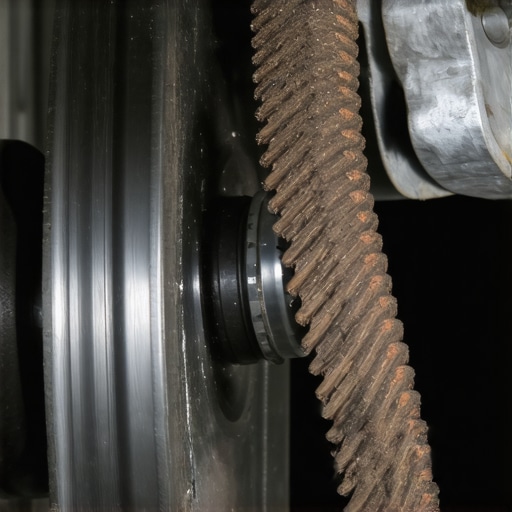
It is remarkably common for drivers to assume the expensive steering rack has failed when the actual problem is a ten-dollar piece of rubber. The serpentine belt relies on friction to turn the power steering pump pulley. In the morning, moisture or frost on the belt surface, combined with a worn tensioner, leads to subtle slipping. Because the pump isn’t spinning at the required RPM, the hydraulic pressure drops, and the steering feels heavy. This slip often happens without a loud screech, making it harder to diagnose. A worn belt might also be the secret culprit behind [why your car chirps when you accelerate from a stop](https://reliableautocares.com/why-your-car-chirps-when-you-accelerate-from-a-stop). Before authorizing a rack replacement, inspect the belt ribs for glazing or ‘chunking’ that indicates it can no longer handle the torque load required to move a cold, high-viscosity hydraulic system.
Don’t Pour the Wrong Fluid Into Your Reservoir
Modern vehicles are incredibly picky about the chemical composition of their steering lubricants. Using generic ‘power steering fluid’ in a system designed for specific European or Asian synthetic blends can lead to seal swelling and rapid pump degradation. Research by the National Institute for Automotive Service Excellence (ASE) emphasizes that nearly 70% of early steering failures stem from contaminated fluids and improper chemical specifications. These specialized fluids are engineered to maintain a stable viscosity across extreme temperature ranges, preventing the very ‘morning sickness’ we are discussing. Standard procedures for [how to check your transmission fluid level without a dipstick](https://reliableautocares.com/how-to-check-your-transmission-fluid-level-without-a-dipstick) often mirror the complexity of modern sealed power steering reservoirs, where even a slight overfill or the introduction of dust can lead to system-wide contamination.
Electrical Gremlins in Modern EPS Systems
If your vehicle was manufactured in the last decade, you likely have Electric Power Steering (EPS) rather than a hydraulic pump. In these systems, a cold-start ‘stiffness’ is usually not fluid-related but rather a voltage issue. Electric motors require massive amounts of amperage to assist the steering rack. A battery that is struggling in the cold might not provide enough current to the EPS module during the first few minutes of driving, leading to a heavy steering feel. Check [the hidden ground wire that causes intermittent starting issues](https://reliableautocares.com/the-hidden-ground-wire-that-causes-intermittent-starting-issues) as these same ground points often serve the EPS motor; a corroded connection can increase resistance and starve the motor of the power it needs to help you turn the wheel. Have you experienced a heavy wheel during a cold snap lately? Share your symptoms in the comments below or [contact us](https://reliableautocares.com/contact-us) to help us diagnose your specific vehicle make.
The Spool Valve Sensitivity You Can’t Ignore
Inside the steering rack lies the spool valve, a precision-machined component that directs fluid based on the torque applied to the steering wheel. When temperatures plummet, the lubricant on the valve itself can become tacky or ‘varnished,’ causing it to stick in its housing. This mechanical hesitation means that when you turn the wheel, the valve doesn’t immediately open the ports to provide assistance. You end up manually moving the rack for the first few degrees of rotation until the valve finally snaps into position. This internal ‘stiction’ is a classic sign that the system has been neglected. Regular [car service](https://reliableautocares.com/choosing-the-right-car-service-for-seamless-vehicle-maintenance) usually prevents this varnish buildup, but once it starts, only a specialized chemical cleaning or a rack replacement can restore that factory-smooth feel.
Why Does the Steering Feel ‘Notchy’ specifically During Left Turns?
If your steering resistance feels uneven—easier to turn one way than the other in the cold—you are likely dealing with an asymmetrical internal leak. Steering racks use balanced hydraulic chambers, but as seals age, one side often fails before the other. This imbalance is exacerbated by cold fluid because the pressure differential required to move the rack becomes much higher. If you find yourself fighting the wheel more in one direction, it’s a strong indicator of a blown internal seal rather than a failing pump. This diagnostic nuance is critical because replacing the pump will not solve a directional pressure drop. For more on these types of specific mechanical quirks, dive into our breakdown of [transmission failures decoded](https://reliableautocares.com/transmission-failures-decoded-signs-and-expert-fixes), as hydraulic imbalances follow similar patterns across all automotive fluid systems.
Your High-Pressure Hose Is Collapsing From the Inside
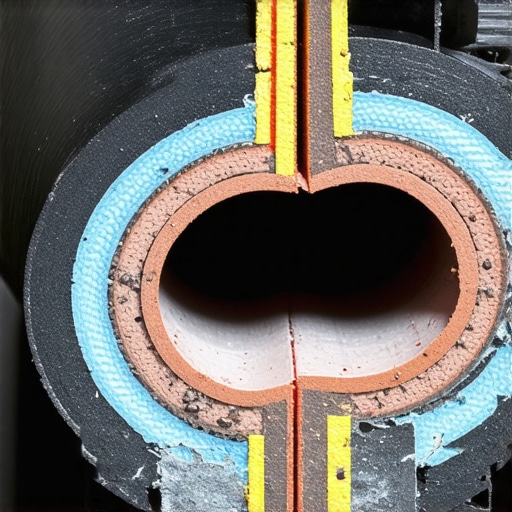
While the exterior of your power steering hoses might look perfectly fine, the internal structure is far more complex. High-pressure hoses are constructed with multiple layers of synthetic rubber and braided steel or nylon reinforcement. Over time, the inner liner can delaminate, creating a flap of rubber that acts like a one-way check valve. In cold weather, this rubber becomes rigid and less pliable. When the pump tries to push thick fluid through the hose, it can force this internal flap to close, effectively blocking the flow of fluid to the rack. According to technical bulletins from Gates Corporation, these internal failures are often invisible from the outside and only manifest under high-load, low-temperature conditions. This is why a simple visual inspection is never enough when diagnosing a system that feels ‘dead’ on a cold morning.
Could a Bad Alignment Make Cold Steering Feel Heavier?
Many drivers overlook the role of mechanical geometry in steering effort. When it’s cold, the grease inside your tie-rod ends and ball joints thickens considerably. If your vehicle is slightly out of alignment, the steering system already has to overcome more ‘scrub’ or friction to move the tires. Add the extra resistance of cold grease and thick hydraulic fluid, and the combined load can make the steering feel nearly impossible to move. This is often confused with a hydraulic failure, but it’s actually a mechanical resistance issue. If you’ve noticed your tires wearing unevenly alongside your heavy steering, you should investigate [why your steering wheel is off center after a repair](https://reliableautocares.com/why-your-steering-wheel-is-off-center-after-a-repair) to ensure your suspension geometry isn’t the primary antagonist in your morning commute.
The Critical Role of the Torsion Bar in Fluid Feedback
The torsion bar is the literal ‘nerve center’ of your steering system, a small metal rod that twists under the pressure of your hands. This twist is what tells the hydraulic system how much help you need. As metals get colder, their elasticity changes—albeit slightly—but the more significant issue is how the torsion bar interacts with the control valve when the fluid is like molasses. If the torsion bar cannot move freely because of sludge buildup around the input shaft, the entire ‘communication’ between the driver and the road is severed. This lack of feedback is more than just annoying; it is a safety risk that prevents you from feeling the limits of traction on icy roads. Modern [vehicle diagnostics](https://reliableautocares.com/the-hidden-world-of-vehicle-diagnostics-what-you-need-to-know) can sometimes monitor these input torque values in real-time, allowing a technician to see exactly where the communication is breaking down.
Moving beyond the mechanics of the torsion bar, we must address the critical role of the pump’s internal regulation. Even if the fluid is clean, a mechanical bottleneck often occurs at the pressure relief valve. This spring-loaded component is responsible for bypassing fluid when pressure exceeds safe limits. Over thousands of miles, microscopic varnish—a byproduct of fluid oxidation—coats the valve. In frigid temperatures, this varnish acts like an adhesive, causing the valve to stick in the ‘open’ or ‘bypass’ position. When you attempt to turn the wheel during a cold start, the pump simply recirculates the fluid internally rather than sending it to the rack. This results in a total loss of assist until the engine heat manages to soften the chemical residue, allowing the valve to seat properly again.
Pressure Relief Valves Get Trapped by Cold Varnish
This ‘stiction’ is a phenomenon frequently analyzed in high-performance hydraulics. Research published in STLE (Society of Tribologists and Lubrication Engineers) suggests that the thermal degradation of hydraulic base oils leads to the formation of polar compounds that aggressively bond to metallic surfaces at low temperatures. If your steering feels like manual labor for the first three blocks of your commute, the pump is likely struggling with this internal bypass failure. This is why a simple fluid swap sometimes fails to solve the problem; a specialized detergent flush is often necessary to chemically strip the varnish from the relief valve’s bore without necessitating a full pump replacement.
Is Your Idle Speed Dropping Too Low for Hydraulic Pressure?
Another overlooked factor is the interaction between your engine’s Electronic Control Unit (ECU) and the power steering pressure switch. Under normal conditions, when you turn the wheel at a stop, the load on the pump increases, which in turn places a load on the engine. The pressure switch signals the ECU to increase the idle speed to compensate. However, in extreme cold, many sensors suffer from delayed response times. If the engine doesn’t bump the RPMs, the pump cannot generate the high-pressure ‘surge’ required to move cold, viscous fluid through the system. This leads to a heavy wheel that only lightens up once you press the gas pedal. If this sounds familiar, your [vehicle diagnostics](https://reliableautocares.com/the-hidden-world-of-vehicle-diagnostics-what-you-need-to-know) should include a check of the idle air control system and the pressure sensor circuit.
Clogged Reservoir Screens Starve the Pump from Below
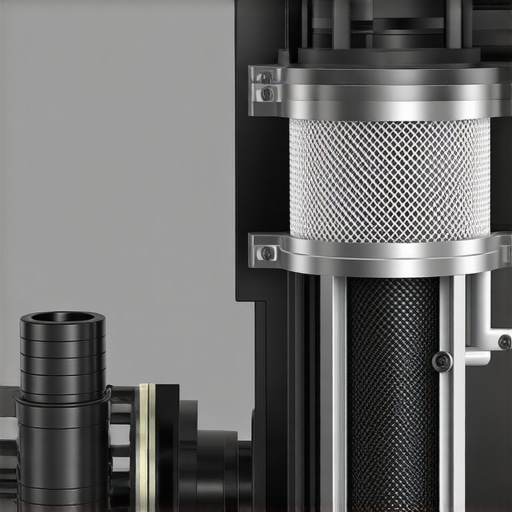
Many modern steering reservoirs contain a hidden, non-serviceable mesh filter at the very bottom. While it serves to protect the pump from debris, it also acts as a significant flow restrictor when temperatures drop. As the hydraulic fluid thickens, it struggles to pass through this fine mesh at the rate required by the pump’s suction side. This starvation creates a vacuum, causing the pump to whine and the steering to feel notched or heavy. Because this filter is often integrated into the plastic housing, the only solution is to replace the entire reservoir. If you are performing a [car service](https://reliableautocares.com/choosing-the-right-car-service-for-seamless-vehicle-maintenance), don’t just look at the fluid color; check for a vortex in the reservoir while the engine is running to ensure the return flow isn’t being blocked by a clogged screen.
Synthetic Upgrades Prevent the Sludge that Freezes Systems
The leap from conventional mineral-based fluid to a full synthetic alternative is perhaps the most effective way to eliminate morning steering stiffness. Synthetic fluids have a much higher viscosity index, meaning they remain thin and flowable at sub-zero temperatures where mineral oils turn to gel. This stability ensures that the spool valve, the pressure relief valve, and the internal seals all receive immediate lubrication and pressure. For drivers dealing with persistent hydraulic issues, switching to a high-spec synthetic can prevent the long-term wear associated with cold-start cavitation. If your vehicle also shows signs of hydraulic struggle in other areas, such as the drivetrain, it may be time to have your [transmission failures decoded](https://reliableautocares.com/transmission-failures-decoded-signs-and-expert-fixes) to see if similar fluid degradation is affecting your gears. Don’t let a stiff wheel turn into a dangerous steering failure—get your hydraulic pressure tested before the next freeze hits to ensure your vehicle remains responsive and safe.
Expert Insights & Advanced Considerations
Don’t Let a Lazy Pressure Switch Fool You
A frequent but often overlooked variable in steering resistance is the power steering pressure switch. In extreme cold, sensor response times can lag significantly. If the engine control unit doesn’t receive the signal to bump the idle RPMs when the pump experiences high load, the system lacks the hydraulic “surge” needed to move viscous fluid efficiently. If your wheel lightens the moment you touch the gas pedal, specialized vehicle diagnostics are required to check the idle air control and pressure sensor circuits rather than just replacing the pump.
The Silent Failure of Internal Hose Delamination
High-pressure hoses can look perfect on the outside while the inner liner has internally collapsed or delaminated. In sub-zero temperatures, these internal rubber flaps become rigid, acting as a one-way check valve that blocks flow. This is a common culprit when steering feels “dead” only during the first few miles. According to technical bulletins from industry leaders like Gates Corporation, visual inspections are rarely enough for accurate troubleshooting of these internal bottlenecks. It is one of those top auto repair techniques to pressure-test the hoses rather than just looking for leaks.
Why Your 12V Battery is Secretly a Steering Component
For vehicles equipped with Electric Power Steering (EPS), morning stiffness is usually an electrical amperage issue rather than a hydraulic one. A cold battery might struggle to provide the massive current required by the EPS motor during those first few turns of the day. If you suspect an electrical ghost is affecting your steering, checking for the hidden ground wire that causes intermittent starting issues can reveal corroded points that also starve your steering motor of much-needed power during cold starts.
Curated Expert Resources
ASE Certification Prep Materials: These documents provide the most granular technical data on hydraulic seal tolerances and pump vane physics for professional technicians. SAE International Technical Papers: Essential reading for understanding how polymer seals reach their glass transition temperature and lose critical flexibility in winter climates. Gates Corporation Technical Bulletins: The industry gold standard for identifying internal hose failures and chemical compatibility issues in hydraulic systems. Automotive Service Excellence (ASE) Reports: Provides peer-reviewed data confirming that nearly 70% of early steering failures are directly caused by fluid contamination and improper chemical specs.
Final Expert Perspective
Resolving the mystery of why your power steering is stiff in the morning but fine later requires looking beyond simple fluid levels. It is a complex interplay between hydraulic pressure, thermal expansion, and electrical integrity. Neglecting these early warning signs—whether it is varnish buildup on a spool valve or a microscopic air leak in a suction hose—inevitably leads to expensive pump or rack failures. Proactive maintenance through a dedicated car service is your best defense against the escalating costs of hydraulic neglect. If you’ve encountered persistent resistance or strange feedback, don’t wait for a total system failure; contact us to schedule a precision pressure test or a specialized chemical flush to restore your vehicle’s factory-smooth response.