The pursuit of a rock-solid brake pedal is the ultimate litmus test for any technician’s precision. In the demanding world of professional auto repair, encountering a pedal that remains spongy despite a thorough bleed is a frequent and frustrating diagnostic challenge. This phenomenon typically indicates that air is not just present in the lines, but is trapped within the complex hydraulic architectures of modern safety systems. Understanding why a standard car service flush fails requires a deep dive into the physics of hydraulic pressure and the nuances of electronic braking components. [IMAGE_PLACEHOLDER]
The High-Pressure Reality of ABS Air Entrapment
Traditional bleeding methods—whether gravity, vacuum, or pressure-assisted—frequently fail to clear air from the microscopic passages of an Anti-lock Braking System (ABS) modulator. These modules contain a labyrinth of check valves and solenoids that remain closed during a standard procedure. If air has migrated into these internal chambers during a component replacement, it stays trapped, acting as a pneumatic spring that compresses under load. This is why a vehicle can pass a ‘bubble test’ at the bleeder screw yet still feel unsafe on the road. According to technical documentation from Bosch Mobility, the integration of electronic stability control requires specific software-driven sequences to purge these secondary circuits effectively.
Does Your Scan Tool Support Bi-Directional ABS Bleeding?
This is the critical question for any advanced troubleshooter facing persistent sponginess. Without the ability to command the ABS pump to cycle and the internal valves to pulse, you are essentially leaving the most vital part of the system untouched. Professional vehicle diagnostics involve using bi-directional scanners to force fluid through these cavities, ensuring a 100% air-free environment. If your current toolset lacks this capability, you may be chasing ghosts in the hydraulic lines.
Mechanical Failures Mimicking Hydraulic Issues
It is also vital to consider that the ‘spongy’ feel might not be air at all, but rather a mechanical deflection. A common oversight in auto repair involves the master cylinder itself; if the internal primary or secondary seals are compromised, they can allow high-pressure fluid to bypass the piston internally. This creates a sensation nearly identical to air in the lines, but without any external fluid loss. Furthermore, during a comprehensive car service, technicians must verify caliper orientation. If a caliper is accidentally swapped from left to right, the bleeder screw will sit below the piston chamber, making it physically impossible to remove the trapped air at the top. For those currently facing this frustration, we have documented a specific case study on how we fixed a spongy brake pedal when bleeding the lines failed. If you are seeing similar issues alongside gear engagement problems, you may also want to investigate transmission failures decoded to ensure the entire powertrain and safety suite are in harmony. Achieving a perfect pedal feel requires a systematic approach to top auto repair techniques that go beyond the basics. If you’ve exhausted your options, feel free to contact us for a professional consultation.Beyond the internal valves of the ABS, the physical integrity of the delivery lines often goes unchecked during a routine car service. Rubber brake hoses have a defined lifespan, typically around six to ten years. Over time, the internal reinforcement layers can weaken, allowing the hose to expand volumetrically under pressure. This expansion acts as a pressure sink, consuming the fluid volume meant for the calipers and manifesting as a soft, fading pedal. High-performance upgrades often involve stainless steel braided lines to eliminate this compliance, a staple in auto repair for track-day preparations. If you’ve replaced everything else and the pedal still feels ‘rubbery,’ the hoses are the prime suspects. This is particularly relevant when you identify why your abs light is on after changing your brake pads, as new pads often highlight existing hydraulic weaknesses.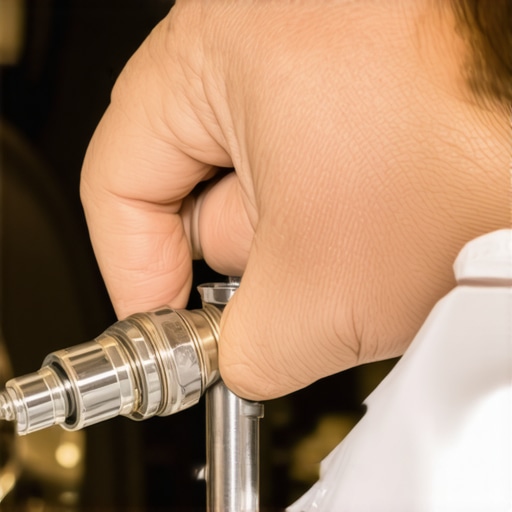
Could Your Power Booster Be Sabotaging the Final Inch of Travel?
The interaction between the brake pedal and the master cylinder is mediated by the vacuum booster, a component that can introduce subtle diagnostic artifacts. A leaking internal diaphragm or a misadjusted pushrod can prevent the master cylinder pistons from returning fully to their ‘home’ positions. When this happens, the compensation ports—which allow fluid to return to the reservoir—remain blocked. This leads to pressure buildup and an inconsistent pedal height. Expert vehicle diagnostics require checking the air gap between the booster output rod and the master cylinder primary piston using a depth gauge. According to the performance engineering standards at Brembo, maintaining fluid boiling point integrity is just as crucial as mechanical adjustment, as moisture-contaminated fluid will vaporize under the intense heat of heavy braking, creating the very air bubbles you just tried to bleed out.
Modern Electronics and the Illusion of System Failure
For those working on next-generation platforms, the diagnostic layer becomes even more complex. You might need to identify 2026 sensor ghosting errors that trick the ECU into thinking a pressure drop has occurred when the system is physically sound. These digital ‘ghosts’ can sometimes trigger limp-mode hydraulics, making the pedal feel artificially soft to prevent wheel lock-up. If your braking issues are compounded by strange noises, don’t forget to check the simple 12 fix for squeaky brakes before committing to expensive hardware swaps. If you find these deep dives helpful, share this guide with a fellow enthusiast or professional looking to sharpen their diagnostic edge.The chemical composition of your hydraulic medium is often the most neglected variable in the auto repair equation. While many technicians focus on the hardware, the fluid’s ability to resist compression is entirely dependent on its lack of contamination. Brake fluid is hygroscopic by design, meaning it actively pulls moisture from the atmosphere through microscopic pores in rubber hoses and the reservoir cap vent. Once water content reaches as little as 3%, the boiling point of the fluid can drop by over 100 degrees Fahrenheit. During aggressive braking or descent, this moisture turns into steam. Unlike liquid, steam is compressible, leading to that terrifying “pedal to the floor” sensation that no amount of bleeding can solve without a total fluid exchange.
Is Your Brake Fluid Actually Boiling at Normal Temps?
For vehicles equipped with high-performance calipers or those frequently towing heavy loads, the margin between a firm pedal and catastrophic failure is razor-thin. Standard DOT 3 fluid might suffice for a grocery getter, but modern stability control systems often demand the lower viscosity and higher thermal stability of DOT 4 or even DOT 5.1. If you are experiencing a pedal that feels firm when the car is cold but progressively softens during a commute, you are likely dealing with localized boiling. This isn’t just about the heat generated at the pads; it’s about how that heat transfers into the caliper bores and the age of the fluid residing there. 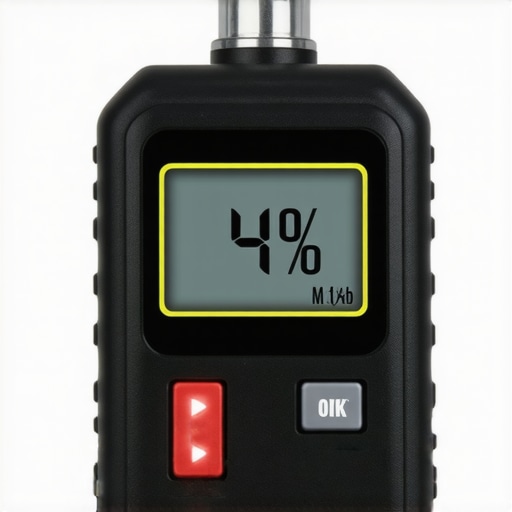
Don’t Let a Stuck Slider Pin Fool Your Pressure Gauge
Beyond the fluid, mechanical friction within the caliper assembly itself can create a “false” spongy feel. In a floating caliper design, the slider pins must move with zero resistance to ensure even pressure distribution. When these pins seize due to corrosion or the use of improper petroleum-based grease—which swells rubber bushings—the caliper twists rather than clamping squarely. This torsional deflection consumes pedal travel and gives the driver a mushy response. During a thorough vehicle diagnostics session, a technician must physically verify that the caliper slides freely on its pins with the pads removed. If it binds, the hydraulic system is fighting mechanical resistance, not moving fluid.
The Hidden Impact of Wheel Bearing Play on Brake Travel
One of the most insidious causes of an inconsistent pedal is actually located in the wheel hub assembly. Excessive play in a wheel bearing allows the brake rotor to wobble slightly as it rotates. This oscillation physically pushes the brake pads and the caliper pistons back into their bores—a phenomenon known as “piston knock-back.” The next time the driver applies the brakes, the first inch of pedal travel is wasted just moving the pistons back into contact with the rotor. This creates an intermittent sponginess that is impossible to bleed out because the air isn’t the problem; the piston position is. According to technical specifications from the SAE International J1703 standards, maintaining the physical alignment of the friction pair is as critical as the hydraulic integrity itself.
When the Proportioning Valve Limits Your Diagnostic Reach
In older vehicles or specific rear-drum configurations, the proportioning valve serves as the gatekeeper of hydraulic balance. If this valve becomes stuck or “tripped” due to a previous pressure loss, it can restrict flow to an entire circuit. This creates a scenario where the front brakes are doing 100% of the work, leading to rapid heat soak and a pedal that feels soft because it’s over-stressing the primary circuit. Identifying this requires pressure testing at both the master cylinder and the individual wheels to find where the pressure drop occurs. While you’re under the car, it’s worth taking a moment to look for other safety issues; for example, you can how to fix a cracked windshield if you notice any glass damage while checking the cowl for fluid leaks. Modern car service isn’t just about one system; it’s about the synergy of every component. If the proportioning valve isn’t
If the proportioning valve isn’t the culprit, the next frontier in advanced auto repair involves the digital-to-physical handoff in electronic brake-by-wire architectures. In modern vehicles, the traditional connection between your foot and the hydraulic circuit is increasingly mediated by simulators and electric motors. These systems, such as the Bosch iBooster or integrated power brakes, use an electronic feedback loop to create ‘pedal feel.’ If the simulator’s internal spring or the software calibration deviates from factory parameters, the driver experiences a spongy sensation that has absolutely nothing to do with air in the lines. This is a common pitfall in car service where technicians spend hours bleeding a system that is hydraulically perfect but digitally misaligned.
Master the Digital Feedback of Brake-by-Wire Simulators
In these high-tech setups, vehicle diagnostics must extend into the electronic control unit (ECU) to monitor ‘pedal travel sensor’ vs. ‘master cylinder pressure’ data. A discrepancy here often points to a software glitch or a failing simulation chamber rather than a leak. According to technical bulletins from ZF Aftermarket, these electronic boosters require a specific initialization sequence after any hydraulic intervention. Failure to perform this ‘re-learn’ can leave the pedal feeling artificially soft, as the motor assistance doesn’t match the driver’s input curve. 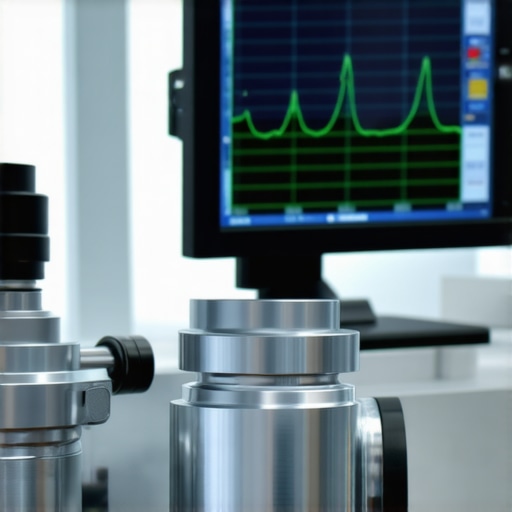
Can a Calibration Error Mimic a Hydraulic Leak?
Absolutely, especially on vehicles featuring regenerative braking integration. When the transition between regenerative drag and friction braking isn’t seamless, the pedal can ‘drop’ mid-travel, perfectly mimicking the behavior of a bypassing master cylinder. Advanced auto repair now requires checking for firmware updates that specifically address pedal feel mapping. If you’ve already verified your hardware, it is time to identify 2026 sensor ghosting errors that might be affecting the brake control module’s interpretation of your braking force.
Recalibrate the Simulation Unit to Reclaim Pedal Firmness
Beyond the software, never overlook the mechanical ‘bench bleeding’ of the master cylinder. Many technicians skip this step, assuming they can purge the air once the unit is installed. However, with modern stepped-bore master cylinders, air can become trapped in the secondary piston’s ‘dead zone.’ This air will never reach the lines; it simply stays in the bore, compressing and expanding with every stroke. To achieve a rock-solid pedal, you must bleed the cylinder on a bench, tilted at a specific angle to ensure the air escapes through the compensation ports. This precision is what separates a standard car service from a professional-grade restoration of braking performance.
Identify Hidden Firewall Flex and Bridge Deflection
If the hydraulics are flawless and the electronics are calibrated, look for physical ‘compliance’ in the chassis. Under extreme pressure, a thin or rusted firewall can flex where the booster is mounted. This movement consumes pedal stroke, resulting in a spongy feel. Similarly, low-quality aftermarket calipers can suffer from ‘bridge spread,’ where the caliper body actually bows outward under high pressure. This is why we advocate for top auto repair techniques that include visual inspection of the hardware under load. If you are struggling to find the root cause, contact us to leverage our specialized diagnostic equipment to pressure-test individual components of your braking suite.
The pursuit of a rock-solid brake pedal is the ultimate litmus test for any technician’s precision. In the demanding world of professional auto repair, encountering a pedal that remains spongy despite a thorough bleed is a frequent and frustrating diagnostic challenge. This phenomenon typically indicates that air is not just present in the lines, but is trapped within the complex hydraulic architectures of modern safety systems. Understanding why a standard car service flush fails requires a deep dive into the physics of hydraulic pressure and the nuances of electronic braking components. [IMAGE_PLACEHOLDER]
The High-Pressure Reality of ABS Air Entrapment
Traditional bleeding methods—whether gravity, vacuum, or pressure-assisted—frequently fail to clear air from the microscopic passages of an Anti-lock Braking System (ABS) modulator. These modules contain a labyrinth of check valves and solenoids that remain closed during a standard procedure. If air has migrated into these internal chambers during a component replacement, it stays trapped, acting as a pneumatic spring that compresses under load. This is why a vehicle can pass a ‘bubble test’ at the bleeder screw yet still feel unsafe on the road. According to technical documentation from Bosch Mobility, the integration of electronic stability control requires specific software-driven sequences to purge these secondary circuits effectively.
Does Your Scan Tool Support Bi-Directional ABS Bleeding?
This is the critical question for any advanced troubleshooter facing persistent sponginess. Without the ability to command the ABS pump to cycle and the internal valves to pulse, you are essentially leaving the most vital part of the system untouched. Professional vehicle diagnostics involve using bi-directional scanners to force fluid through these cavities, ensuring a 100% air-free environment. If your current toolset lacks this capability, you may be chasing ghosts in the hydraulic lines.
Mechanical Failures Mimicking Hydraulic Issues
It is also vital to consider that the ‘spongy’ feel might not be air at all, but rather a mechanical deflection. A common oversight in auto repair involves the master cylinder itself; if the internal primary or secondary seals are compromised, they can allow high-pressure fluid to bypass the piston internally. This creates a sensation nearly identical to air in the lines, but without any external fluid loss. Furthermore, during a comprehensive car service, technicians must verify caliper orientation. If a caliper is accidentally swapped from left to right, the bleeder screw will sit below the piston chamber, making it physically impossible to remove the trapped air at the top. For those currently facing this frustration, we have documented a specific case study on how we fixed a spongy brake pedal when bleeding the lines failed. If you are seeing similar issues alongside gear engagement problems, you may also want to investigate transmission failures decoded to ensure the entire powertrain and safety suite are in harmony. Achieving a perfect pedal feel requires a systematic approach to top auto repair techniques that go beyond the basics. If you’ve exhausted your options, feel free to contact us for a professional consultation. Beyond the internal valves of the ABS, the physical integrity of the delivery lines often goes unchecked during a routine car service. Rubber brake hoses have a defined lifespan, typically around six to ten years. Over time, the internal reinforcement layers can weaken, allowing the hose to expand volumetrically under pressure. This expansion acts as a pressure sink, consuming the fluid volume meant for the calipers and manifesting as a soft, fading pedal. High-performance upgrades often involve stainless steel braided lines to eliminate this compliance, a staple in auto repair for track-day preparations. If you’ve replaced everything else and the pedal still feels ‘rubbery,’ the hoses are the prime suspects. This is particularly relevant when you identify why your abs light is on after changing your brake pads, as new pads often highlight existing hydraulic weaknesses.
Could Your Power Booster Be Sabotaging the Final Inch of Travel?
The interaction between the brake pedal and the master cylinder is mediated by the vacuum booster, a component that can introduce subtle diagnostic artifacts. A leaking internal diaphragm or a misadjusted pushrod can prevent the master cylinder pistons from returning fully to their ‘home’ positions. When this happens, the compensation ports—which allow fluid to return to the reservoir—remain blocked. This leads to pressure buildup and an inconsistent pedal height. Expert vehicle diagnostics require checking the air gap between the booster output rod and the master cylinder primary piston using a depth gauge. According to the performance engineering standards at Brembo, maintaining fluid boiling point integrity is just as crucial as mechanical adjustment, as moisture-contaminated fluid will vaporize under the intense heat of heavy braking, creating the very air bubbles you just tried to bleed out.
Modern Electronics and the Illusion of System Failure
For those working on next-generation platforms, the diagnostic layer becomes even more complex. You might need to identify 2026 sensor ghosting errors that trick the ECU into thinking a pressure drop has occurred when the system is physically sound. These digital ‘ghosts’ can sometimes trigger limp-mode hydraulics, making the pedal feel artificially soft to prevent wheel lock-up. If your braking issues are compounded by strange noises, don’t forget to check the simple 12 fix for squeaky brakes before committing to expensive hardware swaps. If you find these deep dives helpful, share this guide with a fellow enthusiast or professional looking to sharpen their diagnostic edge. The chemical composition of your hydraulic medium is often the most neglected variable in the auto repair equation. While many technicians focus on the hardware, the fluid’s ability to resist compression is entirely dependent on its lack of contamination. Brake fluid is hygroscopic by design, meaning it actively pulls moisture from the atmosphere through microscopic pores in rubber hoses and the reservoir cap vent. Once water content reaches as little as 3%, the boiling point of the fluid can drop by over 100 degrees Fahrenheit. During aggressive braking or descent, this moisture turns into steam. Unlike liquid, steam is compressible, leading to that terrifying “pedal to the floor” sensation that no amount of bleeding can solve without a total fluid exchange.
Is Your Brake Fluid Actually Boiling at Normal Temps?
For vehicles equipped with high-performance calipers or those frequently towing heavy loads, the margin between a firm pedal and catastrophic failure is razor-thin. Standard DOT 3 fluid might suffice for a grocery getter, but modern stability control systems often demand the lower viscosity and higher thermal stability of DOT 4 or even DOT 5.1. If you are experiencing a pedal that feels firm when the car is cold but progressively softens during a commute, you are likely dealing with localized boiling. This isn’t just about the heat generated at the pads; it’s about how that heat transfers into the caliper bores and the age of the fluid residing there.
Don’t Let a Stuck Slider Pin Fool Your Pressure Gauge
Beyond the fluid, mechanical friction within the caliper assembly itself can create a “false” spongy feel. In a floating caliper design, the slider pins must move with zero resistance to ensure even pressure distribution. When these pins seize due to corrosion or the use of improper petroleum-based grease—which swells rubber bushings—the caliper twists rather than clamping squarely. This torsional deflection consumes pedal travel and gives the driver a mushy response. During a thorough vehicle diagnostics session, a technician must physically verify that the caliper slides freely on its pins with the pads removed. If it binds, the hydraulic system is fighting mechanical resistance, not moving fluid.
The Hidden Impact of Wheel Bearing Play on Brake Travel
One of the most insidious causes of an inconsistent pedal is actually located in the wheel hub assembly. Excessive play in a wheel bearing allows the brake rotor to wobble slightly as it rotates. This oscillation physically pushes the brake pads and the caliper pistons back into their bores—a phenomenon known as “piston knock-back.” The next time the driver applies the brakes, the first inch of pedal travel is wasted just moving the pistons back into contact with the rotor. This creates an intermittent sponginess that is impossible to bleed out because the air isn’t the problem; the piston position is. According to technical specifications from the SAE International J1703 standards, maintaining the physical alignment of the friction pair is as critical as the hydraulic integrity itself.
When the Proportioning Valve Limits Your Diagnostic Reach
In older vehicles or specific rear-drum configurations, the proportioning valve serves as the gatekeeper of hydraulic balance. If this valve becomes stuck or “tripped” due to a previous pressure loss, it can restrict flow to an entire circuit. This creates a scenario where the front brakes are doing 100% of the work, leading to rapid heat soak and a pedal that feels soft because it’s over-stressing the primary circuit. Identifying this requires pressure testing at both the master cylinder and the individual wheels to find where the pressure drop occurs. While you’re under the car, it’s worth taking a moment to look for other safety issues; for example, you can how to fix a cracked windshield if you notice any glass damage while checking the cowl for fluid leaks. Modern car service isn’t just about one system; it’s about the synergy of every component. If the proportioning valve isn’t the culprit, the next frontier in advanced auto repair involves the digital-to-physical handoff in electronic brake-by-wire architectures. In modern vehicles, the traditional connection between your foot and the hydraulic circuit is increasingly mediated by simulators and electric motors. These systems, such as the Bosch iBooster or integrated power brakes, use an electronic feedback loop to create ‘pedal feel.’ If the simulator’s internal spring or the software calibration deviates from factory parameters, the driver experiences a spongy sensation that has absolutely nothing to do with air in the lines. This is a common pitfall in car service where technicians spend hours bleeding a system that is hydraulically perfect but digitally misaligned.
Master the Digital Feedback of Brake-by-Wire Simulators
In these high-tech setups, vehicle diagnostics must extend into the electronic control unit (ECU) to monitor ‘pedal travel sensor’ vs. ‘master cylinder pressure’ data. A discrepancy here often points to a software glitch or a failing simulation chamber rather than a leak. According to technical bulletins from ZF Aftermarket, these electronic boosters require a specific initialization sequence after any hydraulic intervention. Failure to perform this ‘re-learn’ can leave the pedal feeling artificially soft, as the motor assistance doesn’t match the driver’s input curve.
Calibration Errors Mimic Hydraulic Leaks
Absolutely, especially on vehicles featuring regenerative braking integration. When the transition between regenerative drag and friction braking isn’t seamless, the pedal can ‘drop’ mid-travel, perfectly mimicking the behavior of a bypassing master cylinder. Advanced auto repair now requires checking for firmware updates that specifically address pedal feel mapping. If you’ve already verified your hardware, it is time to identify 2026 sensor ghosting errors that might be affecting the brake control module’s interpretation of your braking force.
Recalibrate the Simulation Unit to Reclaim Pedal Firmness
Beyond the software, never overlook the mechanical ‘bench bleeding’ of the master cylinder. Many technicians skip this step, assuming they can purge the air once the unit is installed. However, with modern stepped-bore master cylinders, air can become trapped in the secondary piston’s ‘dead zone.’ This air will never reach the lines; it simply stays in the bore, compressing and expanding with every stroke. To achieve a rock-solid pedal, you must bleed the cylinder on a bench, tilted at a specific angle to ensure the air escapes through the compensation ports. This precision is what separates a standard car service from a professional-grade restoration of braking performance.
Identify Hidden Firewall Flex and Bridge Deflection
If the hydraulics are flawless and the electronics are calibrated, look for physical ‘compliance’ in the chassis. Under extreme pressure, a thin or rusted firewall can flex where the booster is mounted. This movement consumes pedal stroke, resulting in a spongy feel. Similarly, low-quality aftermarket calipers can suffer from ‘bridge spread,’ where the caliper body actually bows outward under high pressure. This is why we advocate for top auto repair techniques that include visual inspection of the hardware under load. If you are struggling to find the root cause, contact us to leverage our specialized diagnostic equipment to pressure-test individual components of your braking suite.
Expert Insights & Advanced Considerations
Temperature Influences Mechanical Growth
Technicians often forget that heat doesn’t just affect fluid; it expands the entire mechanical assembly. A pedal that feels firm at 20°C may travel further at 90°C due to thermal expansion of the master cylinder bore and the caliper pistons. Precision auto repair environments measure travel at various temperature intervals to ensure consistency under heavy load.
Master Cylinder Secondary Circuits Hide Air
In many dual-circuit master cylinders, the secondary piston is spring-isolated. Standard bleeding may not generate enough pressure to compress that spring and force air out of the secondary chamber. This is why why your brake pedal stays soft after youve bled the lines is often a mechanical stroke issue rather than a line issue.
The Software Latency Factor
On brake-by-wire platforms, the ECU calculates clamping force. A slow processor or outdated firmware can create a milliseconds-long delay in the feedback loop, which the human foot perceives as a ‘soft’ or ‘disconnected’ pedal feel. Advanced vehicle diagnostics are the only way to catch these digital artifacts.
Curated Expert Resources
SAE International J1703 Standards: This is the gold standard for hydraulic brake fluid specifications and testing. It provides the empirical data needed to understand how moisture contamination degrades pedal feel at a molecular level.
ZF Aftermarket Technical Portal: An invaluable resource for technicians working on European platforms. Their documentation on brake simulator recalibration is essential for resolving soft pedals on high-end luxury vehicles.
Bosch Mobility Braking Solutions: As the pioneer of ABS and ESP, Bosch provides deep dives into the hydraulic modulator logic that most standard manuals gloss over, offering clarity on internal solenoid behavior.
Final Expert Perspective
Restoring a firm brake pedal is less about the tools and more about the diagnostic methodology. Whether you are dealing with a simple vacuum leak or complex electronic simulator drift, a systematic approach to vehicle diagnostics remains the only path to safety. We have helped countless owners unlock your cars potential expert auto repair tips for 2025 by looking past the obvious and focusing on the nuances of hydraulic and digital synergy. Achieving a perfect pedal feel requires a deep understanding of auto repair physics. If you have mastered the basics and still find yourself chasing a soft pedal, keep investigating the physical and digital compliance within the system. We invite you to share your findings or reach out for professional support as you refine your diagnostic craft.