Elevating Auto Repair: The Art and Science of Diagnostic Precision in Modern Vehicles
In an era where automotive systems are increasingly integrated with cutting-edge technology, the role of sophisticated diagnostics becomes paramount for professional technicians. Mastery in vehicle diagnostics transcends mere troubleshooting, demanding a nuanced understanding of electronic control modules, sensor arrays, and software interactions, especially within complex systems like transmissions, engine management, and hybrid components.
Deciphering the Intricacies of Transmission Systems and Their Diagnostic Challenges
Transmission health significantly influences vehicle performance, fuel efficiency, and safety. Advanced diagnostics involve analyzing data from various sensors, such as speed sensors, pressure transducers, and shift solenoids. Recognizing subtle fault indicators like erratic shifting patterns or delayed responses requires familiarity with OEM-specific diagnostic protocols and the latest repair software. For instance, [training from reputable sources](https://reliableautocares.com/fix-2026-transmission-lag-with-this-14-fluid-additive) highlights how fluid additives can temporarily mask issues, underscoring the importance of comprehensive system checks.
The Role of Electronic Control Units in Diagnosing Modern Auto Malfunctions
ECUs serve as the vehicle’s brain, interpreting signals from myriad sensors to manage engine, transmission, and safety systems. Diagnosing faults involves accessing fault codes—both generic and manufacturer-specific—and analyzing real-time data streams. Misinterpretation can lead to unnecessary repairs or overlooked root causes. Utilizing advanced scanning tools and understanding their outputs empower technicians to distinguish between sensor failures, wiring issues, or software glitches, ensuring precise interventions.
Leveraging Deep Learning and AI in Vehicle Diagnostics
The integration of artificial intelligence into diagnostic systems enables predictive maintenance and anomaly detection beyond traditional fault codes. AI models trained on extensive vehicle data can forecast potential failures, optimize repair sequences, and reduce diagnostic timeframes. However, this technological leverage requires critical oversight, as AI recommendations must be corroborated with hands-on testing and sensor validation—benchmark practices for all professional autospecialists.
Does the Complexity of Modern Vehicle Systems Require a Paradigm Shift in Diagnostics?
The evolution from mechanical to digital diagnostics fundamentally alters the skill set needed for effective auto repair. Technicians must now interpret layered data, manage complex software updates, and understand cybersecurity implications of connected vehicles. This shift underscores the significance of ongoing training and adherence to trusted diagnostic methodologies, such as regularly consulting with vehicle manufacturers’ service bulletins and white papers, like those available from industry-standard sources.
What are the most effective strategies for staying ahead in vehicle diagnostics amid rapidly advancing automotive technologies?
Continuous education in emerging diagnostic tools, subscribing to technical forums, and participating in OEM-specific training programs are essential. Sharing insights within professional communities not only enhances individual expertise but also fosters industry-wide standards of diagnostic accuracy and integrity. For deep dives into specialized diagnostic techniques, visit this expert guide on transmission diagnostics.
By embracing these approaches, auto professionals can ensure high-precision repairs, extend vehicle longevity, and uphold consumer trust in an increasingly complex automotive landscape.
Driving Innovation: How Self-Learning Algorithms Transform Vehicle Troubleshooting
The incorporation of self-learning algorithms and machine learning models into vehicle diagnostic systems marks a revolutionary step forward. These intelligent systems analyze vast amounts of data from numerous vehicles to identify patterns and predict failures before symptoms manifest. Unlike traditional diagnostics, which rely on static fault codes and sensor checks, AI-powered diagnostics adapt and refine their insights over time, offering proactive maintenance recommendations. For example, integrating AI can assist technicians in pinpointing subtle anomalies like evolving sensor drift, which might cause inaccurate readings and misdiagnoses, thereby reducing unnecessary repairs and enhancing reliability.
Are OEM-Specific Diagnostic Protocols Still Relevant in a Rapidly Evolving Automotive Landscape?
With the rise of universal scan tools, some might question the importance of OEM-specific protocols. However, relying solely on generic diagnostics can obscure intricate faults unique to certain manufacturers or model years. Manufacturer-specific diagnostics incorporate proprietary data, calibration routines, and software updates essential for accurate fault detection, especially within complex components like hybrid powertrains and AI-enabled safety systems. Staying updated with OEM repair strategies—such as close consultation of trusted industry sources—remains vital for technicians aiming for pinpoint accuracy. For detailed procedures, many professionals refer to reputable guides like this comprehensive guide on DIY software fixes.
What strategies can technicians adopt to ensure their diagnostic skills evolve alongside the rapid technological advances in vehicles?
Thriving in this environment demands a proactive approach: engaging in continuous learning through OEM training modules, subscribing to industry forums, and participating in advanced certification programs. Visualization tools that simulate fault scenarios help bridge the gap between theory and hands-on application, sharpening diagnostic intuition. Collaborating with fellow professionals fosters shared knowledge and introduces diverse problem-solving techniques. To amplify diagnostic precision further, consider exploring specialized tools like these diagnostic plug-ins tailored for hybrid batteries. Maintaining an adaptive mindset and leveraging emerging tech ensures service quality keeps pace with vehicle innovations.
Deciphering the Complex Language of Modern Vehicle Networks
Mechanical repairs alone no longer suffice in today’s automotive diagnostics; technicians must become fluent in the intricate language of vehicle networks. CAN (Controller Area Network) protocols facilitate constant communication among electronic modules, transmitting data at lightning-fast speeds. Interpreting this data demands specialized diagnostic tools capable of extracting high-fidelity signals while ensuring accurate decoding of proprietary OEM language. Leveraging oscilloscope analysis in conjunction with OEM-specific communication protocols allows experts to listen to this digital conversation, identifying anomalies that might be invisible through conventional scan tools, ultimately transforming troubleshooting into a precise art form.
The Impact of Cybersecurity Concerns on Diagnostic Strategies
As vehicles become more connected, cybersecurity emerges as a critical layer in diagnostics. Unauthorized access to vehicle control modules can compromise safety, and diagnostic procedures must adapt accordingly. Secure diagnostic protocols involve encrypted data transfer, multi-factor authentication, and rigorous access controls mandated by OEMs. Moreover, technicians must be aware of potential software vulnerabilities that can be exploited, making it essential to utilize updated security patches and follow manufacturer-approved procedures. Recognizing and mitigating cybersecurity risks safeguards not only the vehicle’s integrity but also consumer trust in diagnostic and repair processes.
Tailoring Diagnostics for Hybrid and Electric Powertrains
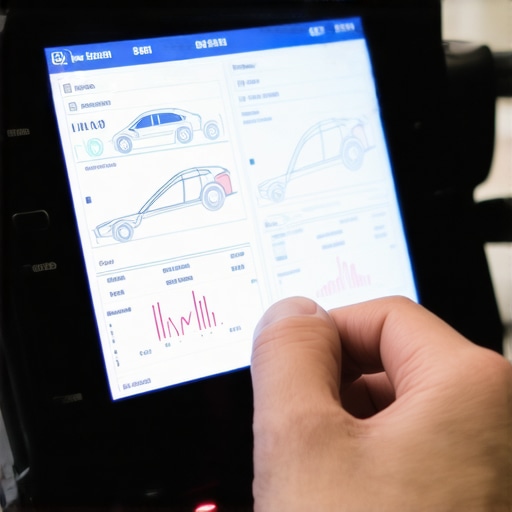
The shift toward electrification demands that technicians develop expertise beyond conventional combustion engine diagnostics. Hybrid and electric vehicles host complex power management systems, high-voltage batteries, and regenerative braking controls. Diagnosing faults involves specialized tools capable of safely measuring high-voltage circuits without risking personal safety, while understanding the unique software algorithms governing power flow. For example, detecting battery cell imbalances requires advanced impedance spectroscopy techniques and thermal imaging combined with detailed data logging. Accurate diagnosis is pivotal for safeguarding performance and longevity of these sophisticated systems, emphasizing the need for ongoing training and OEM certification in electrified vehicle repair.
Advanced Diagnostics and the Future of Predictive Maintenance
The synergy of IoT (Internet of Things), machine learning, and automotive diagnostics sets the stage for predictive maintenance strategies that revolutionize vehicle management. Continuous data streams from connected vehicles feed into AI models that forecast component failures before symptoms manifest, enabling preemptive repairs that minimize downtime and costs. These systems analyze vast datasets—sensor logs, driver behavior, environmental conditions—to identify subtle trends indicative of impending issues. For technicians, this means transitioning from reactive troubleshooting to proactive maintenance planning. Embracing these technological shifts enhances service efficiency and positions auto professionals at the forefront of industry innovation.
Implementing a Diagnostic Mindset: From Data to Decision
Adopting an expert diagnostic mindset entails more than interpreting data; it involves critical thinking, contextual analysis, and strategic planning. When confronted with ambiguous fault patterns, experienced technicians ask probing questions: How does the vehicle’s history influence the current fault? Are environmental factors contributing to sensor anomalies? Could recent modifications or software updates be influencing system behavior? Developing this holistic perspective leads to more accurate diagnostics and effective repairs. Furthermore, documenting diagnostic processes and outcomes creates a knowledge bank—building institutional expertise that benefits future troubleshooting endeavors.
Stay Ahead: Embrace the Continuous Evolution of Diagnostic Technology
The automotive diagnostic landscape is continually shifting. To remain at the forefront, technicians should pursue ongoing education, participate in OEM training cohorts, and contribute to industry forums that foster collaborative problem-solving. Incorporating emerging tools like augmented reality overlays for wiring diagrams or virtual simulation diagnostics enables a deeper understanding of complex engine and chassis systems. Embracing these innovations transforms diagnostics from a routine task into a dynamic, strategic process—ensuring technicians not only solve today’s problems but are prepared for the challenges of tomorrow’s automotive achievements. To deepen your knowledge, explore specialized training programs at reputable industry institutions and stay connected with pioneer diagnostic software developers, ensuring your skills remain cutting-edge in this fast-evolving domain.
Unlocking the Potential of Vehicle Network Data for Superior Diagnostics
The advent of next-generation vehicle communications, particularly the widespread adoption of high-speed protocols like CAN-FD and Automotive Ethernet, has transformed diagnostic complexity into an intricate digital symphony. Mastering these languages demands a specialized understanding of signal decoding, protocol variation, and data security measures. Expert technicians now deploy oscilloscopes with advanced filtering capabilities and leverage vendor-specific decoders, transforming raw data into actionable insights. This acumen enables precise troubleshooting, especially in the context of complex ADAS calibrations or autonomous system malfunctions, where conventional scan tools fall short.
Integrating Cyber-Physical Security into Diagnostic Protocols
As vehicles become increasingly interconnected, cybersecurity considerations are no longer optional but essential for diagnostic integrity. Safeguarding diagnostic ports against cyber threats entails employing encrypted communication channels, implementing hardware security modules (HSMs), and ensuring compliance with standards such as ISO/SAE 21434. Technicians must be trained to recognize potential vulnerabilities—like malicious software injection or unauthorized firmware access—and apply best practices to mitigate risk. This proactive security mindset protects both the vehicle’s functional safety and the integrity of diagnostic systems, establishing trustworthiness in the repair process.
How Do Evolving Sensor Technologies Influence Diagnostic Approaches?
The proliferation of novel sensors—ranging from lidar and radar to thermal cameras—introduces new diagnostic considerations that challenge traditional paradigms. These sensors generate vast, diverse datasets requiring high-fidelity interpretation. Advanced diagnostic tools now incorporate machine vision and AI algorithms capable of analyzing sensor outputs, detecting anomalies, or predicting failures preemptively. For example, thermal imaging combined with software analytics can pinpoint insulation failures in high-voltage batteries, preventing catastrophic malfunctions. Embracing these innovations necessitates constant upskilling and familiarity with sensor-specific calibration routines, elevating technician expertise to match contemporary vehicle design complexities.
Refining Hybrid and Electric System Diagnostics for Next-Gen Vehicles
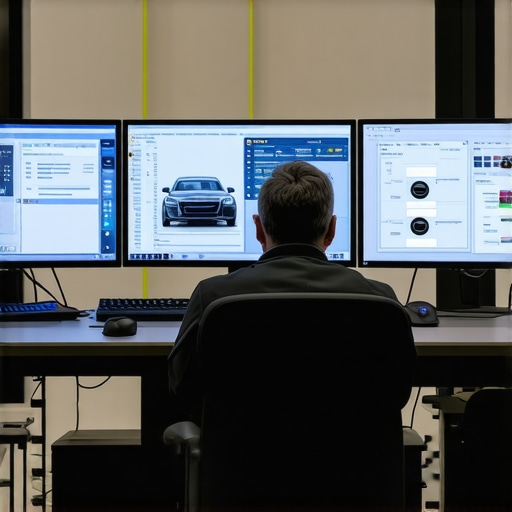
The diagnostic landscape for electrified vehicles is markedly different from traditional combustion engines, demanding specialized knowledge of high-voltage systems and sophisticated software platforms. Technicians must understand intricate power electronics, thermal management systems, and regenerative braking controls. Non-contact voltage measurement tools, thermal imaging, and high-precision impedance meters become vital in diagnosing high-voltage battery modules and electric motors. Furthermore, OEM-specific diagnostic software often includes proprietary calibration routines necessary for safe and accurate repairs, underlining the importance of certified training and manufacturer-approved tools in this niche sector.
Harnessing Data Analytics for Predictive Maintenance Excellence
Predictive maintenance in automotive diagnostics is driven by the integration of big data analytics, cloud computing, and machine learning. By aggregating diagnostic trouble codes, sensor health indicators, and driving pattern data, AI models can forecast imminent failures well before symptoms arise. This approach reduces unscheduled repairs, extends vehicle lifespan, and enhances customer satisfaction. The transition from reactive to proactive diagnostics demands a strategic shift in operational mindset, emphasizing continuous data monitoring, timely interventions, and transparent communication of insights to clients. Implementing these systems positions repair facilities as advanced service providers, setting a new standard for industry excellence.
How can automotive professionals stay ahead amid rapid technological evolution?
Remaining at the forefront of diagnostic advancements requires a dedicated commitment to ongoing education, OEM-specific training, and active engagement within professional communities. Participating in certification programs from recognized industry bodies, utilizing simulation platforms for troubleshooting scenarios, and subscribing to expert technical journals foster continuous growth. Networking with peers through specialized forums enables the exchange of insights, troubleshooting techniques, and emerging best practices. Embracing emerging diagnostic tools—such as augmented reality overlays and AI-powered analysis—further enhances diagnostic precision and efficiency, ensuring that every technician can confidently navigate the complexities of modern vehicles and drive innovation in auto repair.
Expert Insights & Advanced Considerations
Prioritize Diagnostic Redundancy for Accurate Results
In complex vehicle systems, relying solely on a single diagnostic tool can lead to oversight. Cross-verifying fault codes with multiple reputable scanners ensures reliability, especially when dealing with OEM-specific protocols or AI-enhanced diagnostics, reducing the risk of misdiagnosis.
Embrace Software Updates as a Routine Maintenance Step
Keeping diagnostic software current is vital to interpret evolving vehicle networks accurately. Regularly updating OEM databases and diagnostic tools enhances detection capabilities for new sensor technologies and security patches, maintaining diagnostic integrity over time.
Develop a Holistic Testing Approach
Beyond software diagnostics, incorporating physical checks—like wiring inspections, component testing with oscilloscopes, and thermal imaging—provides a comprehensive picture. This integrated strategy accelerates pinpointing elusive faults in hybrid, electric, and traditional powertrains.
Leverage Artificial Intelligence Wisely in Diagnostics
AI-driven diagnostic platforms offer predictive insights; however, experienced technicians should interpret these recommendations critically. Combining AI outputs with expert judgment maximizes troubleshooting accuracy and prevents overdependence on automated suggestions.
Invest in Continuous Learning for Rapid Tech Evolution
Automotive technology advances rapidly; staying ahead requires active participation in OEM training, industry webinars, and technical forums. Engaging in peer networks fosters knowledge exchange, fostering diagnostic mastery amid fast-changing vehicle architectures.
Curated Expert Resources
- Industry-Trusted OEM Technical Bulletins: Offer manufacturer-specific insights, calibration updates, and troubleshooting procedures essential for high-precision diagnostics.
- Specialized Online Training Platforms: Platforms like industry-recognized certification programs equip technicians with the latest tools, software, and diagnostic techniques for modern vehicles.
- Technical Forums and Peer Networks: Communities such as automotive repair forums provide real-world problem-solving tips, software update advisories, and troubleshooting strategies shared by seasoned professionals.
- Diagnostic Software Developers’ Repositories: Access to official software repositories ensures compatibility and current functionalities, crucial for interpreting newer vehicle networks effectively.
- Advanced Equipment Manufacturers: Suppliers of oscilloscopes, thermal imaging, and high-voltage testers provide essential tools tailored for comprehensive diagnostic workflows.
The Power of Integrative Diagnostics Brings Superior Outcomes
Pioneering diagnostic precision hinges on synthesizing multiple data sources and continuously sharpening technical expertise. Embracing advanced tools, expert resources, and a proactive learning mindset transforms auto repair into a strategic craft. For professionals eager to lead in this field, cultivating these skills yields benefits that extend well beyond troubleshooting—enhancing vehicle longevity, customer trust, and your reputation as a diagnostic authority. Dive deeper into specialized training, explore the latest industry updates, and consider collaborating with peers—your journey to expert mastery begins now.
Comments are closed.