The Subtle Mechanics Behind Transmission Shudders: An Expert Analysis
Every car enthusiast and professional mechanic recognizes that a transmission shudder or hesitation can stem from complex internal issues, often requiring precise diagnostics to prevent costly repairs. Understanding the core causes—such as worn clutch packs, faulty solenoids, or contaminated transmission fluid—can empower vehicle owners to address problems proactively, sometimes with simple, cost-effective DIY interventions.
Deciphering the Role of Vehicle Diagnostics in Identifying Hidden Transmission Flaws
Modern vehicles are equipped with sophisticated onboard diagnostics systems that, when interpreted correctly, reveal intricate faults. For instance, reading fault codes via advanced mobile apps (see here) can pinpoint issues like transmission slip or sensor errors that contribute to shuddering sensations. Leveraging these diagnostics allows an informed approach to remedial actions without unnecessary expenditure.
Economical Solutions to Transmission Hunting: DIY Fixes with Lasting Impact
Addressing a transmission shudder under $30 involves targeting often-overlooked culprits such as low transmission fluid, clogged filters, or sensor misalignments. For example, cleaning the valve body or replacing specific sensors can dramatically reduce or eliminate shuddering. Comprehensive guides and kits (like these fluid additive solutions) offer professional-grade results at a fraction of dealership prices.
How Can Advanced Transmission Software Calibration Prevent Persistent Shudders?
Some instances of transmission hesitation are rooted in poor transmission control module (TCM) calibration, which can be recalibrated using specialized tools (see calibration techniques here). Regular software updates or DIY calibration adjustments can restore smooth shifting and eliminate the jarring sensations, extending the transmission’s lifespan and saving repair costs.
What Are the Limitations of DIY Diagnosing and Fixing Transmission Issues Without Professional Intervention?
While many shuddering symptoms can be remedied with cautious DIY strategies, it is essential to recognize when to seek expert help. Some issues—such as internal bearing wear or valve body failure—require specialized equipment and expertise to avoid further damage. Consulting reputable sources, like industry white papers, can guide decision-making.
For those eager to deepen their expertise, contributing insights from personal or professional experiences on forums dedicated to transmission repair (see transmission diagnostics tips) can foster community knowledge and innovation.
Unlocking the Secrets of Your Vehicle’s Internal Communications
To truly master transmission troubleshooting, understanding the hidden data stored within your vehicle’s ECU is essential. Modern cars often log detailed fault codes and sensor readings that, when accessed correctly, can reveal intricate issues not immediately apparent through basic diagnostics. Utilizing advanced tools and methodologies—such as the free ECU data hacking techniques—allows for pinpoint accuracy in diagnosing persistent hesitation or shuddering concerns.
Advanced Tactics to Access Special Vehicle Diagnostic Menus
Many vehicle owners and technicians are unaware of the existence of concealed diagnostic menus that require specific procedures to unlock. These hidden interfaces provide access to deeper system logs and calibration options, often bypassing manufacturer security restrictions. For instance, accessing such menus can be critical for adjusting shift points or sensor calibration in a way that standard OBD-II tools cannot achieve, preventing unnecessary part replacements and reducing repair costs. Always remember, an informed approach—like guides on hidden diagnostic access)—can be invaluable for experienced DIYers and professionals alike.
Could Your Transmission Be Hiding Clues in Obscure Data Logs? An Expert’s Perspective
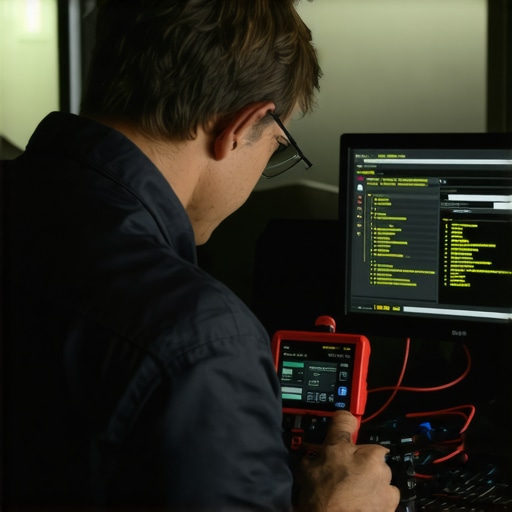
Absolutely. Often, the most meaningful diagnostic insights are embedded deep within ECU logs that require specialized software and knowledge to interpret effectively. Significantly, recent developments in vehicle diagnosis emphasize the importance of understanding not just fault codes but also raw sensor data and diagnostic histories. Recognizing patterns in these data streams can help preempt failures like slipping gears or delayed shifts, especially in complex 2026 models where early detection is crucial. For detailed procedures on analyzing such logs, professionals recommend consulting verified sources such as reliable diagnostic resources ensuring an evidence-based approach.
If you’re interested in elevating your diagnostic skills or integrating these advanced techniques into your repair routine, consider exploring comprehensive guides and sharing your experiences within online automotive communities. Your invaluable insights could accelerate collective progress in sophisticated vehicle diagnostics and maintenance.
Harnessing the Power of Data Analytics for Predictive Transmission Maintenance
In the ever-evolving landscape of automotive technology, data analytics has transitioned from mere diagnostic tools to predictive systems capable of foreseeing transmission failures before symptoms manifest visibly. Incorporating machine learning algorithms into vehicle onboard diagnostics enables a proactive approach, analyzing vast datasets—such as sensor readings, operational logs, and environmental conditions—to identify subtle patterns indicative of impending issues. For example, fluctuations in torque transfer or minor shifts in transmission temperature profiles over time can serve as early warning signals, prompting maintenance actions that prevent costly repairs. Implementing such systems requires a sophisticated integration of hardware sensors and cloud-based analytics platforms, but the payoff—minimized downtime and extended component lifespan—is unparalleled.
What Role Do OEM-Specific Diagnostic Protocols Play in Accurate Fault Detection?
Original Equipment Manufacturer (OEM) diagnostic protocols often utilize proprietary interfaces and communication standards that go beyond generic OBD-II codes. These tailored protocols provide access to detailed subsystem data streams and calibration parameters, revealing issues that standard tools may overlook. For instance, certain manufacturer-specific codes could indicate calibration drift in clutch engagement sensors or rare internal wear patterns. Professionals equipped with OEM diagnostic tools—like Techstream for Toyota or ISTA for BMW—can delve deeper, ensuring high-precision fault detection. Leveraging these protocols demands familiarization with manufacturer-specific software and sometimes, official training, but ensures diagnostics align perfectly with the vehicle’s unique architecture. This detailed guide explores integrating OEM protocols into everyday repair workflows effectively.
Beyond Basics: Integrating Transmission Fluid Condition Monitoring with Vehicular Network Systems
Traditional transmission maintenance relies heavily on scheduled fluid changes and visual inspections, which, although effective, lack real-time sensitivity. Advances in vehicle-to-everything (V2X) communication systems now facilitate continuous monitoring of transmission fluid condition through embedded sensors that communicate data directly to the vehicle’s central network. These sensors can measure parameters like oxidation levels, viscosity, and particulate contamination, transmitting alerts precisely when fluid degradation approaches critical thresholds. Such a system enables a dynamic maintenance schedule tailored to actual operating conditions rather than static intervals, optimizing vehicle performance and longevity. Implementing these sensors involves integrating specialized hardware and establishing communication protocols—challenges that can be addressed through collaboration between parts manufacturers and software developers. For those interested in the forefront of automotive maintenance innovations, exploring integrated fluid condition monitoring can open new avenues in vehicle diagnostics and reliability.
Is Your Transmission’s Secret Logtelling Could Be The Key to Unseen Failures?
Absolutely. Modern transmissions generate a wealth of diagnostic data that, when meticulously analyzed, can uncover long-term trends invisible to conventional methods. These logs track everything from solenoid cycling frequencies to pressure sensor anomalies, revealing patterns that precede mechanical failure. Recognizing these signs often requires expertise in data analysis techniques—like trend analysis or anomaly detection algorithms—applied to the raw logs stored within the vehicle’s ECU. Professionals who develop an intuition for these deep data streams can identify potential issues early, saving time and repairing costs. Tools such as aftermarket ECU flashers or professional-grade diagnostic software enable extraction and visualization of this nuanced information. As vehicle complexity increases, so does the importance of mastering these data interpretation skills—a pursuit well worth integrating into expert training programs to elevate diagnostic precision. For those ready to dive deeper, participating in industry-led workshops or accessing open-source diagnostic datasets can significantly enhance your capability to prevent transmission failures before they escalate.
Unveiling Hidden Data Streams that Signal Transmission Anomalies
Advanced vehicular diagnostics increasingly rely on interpreting obscure data logs within ECU systems—rarely accessed during routine checks—that harbor early indicators of impending transmission failure. By meticulously analyzing sensor histories—such as torque converter slip rates and internal pressure fluctuations—professional technicians can anticipate issues before symptomatic shuddering manifests. Harnessing specialized software, often OEM-specific, allows a deep dive into these logs, transforming raw data into predictive insights that considerably reduce downtime and repair costs.
Can Deep ECU Data Insights Pinpoint Transmission Troubles Before Symptoms Emerge?
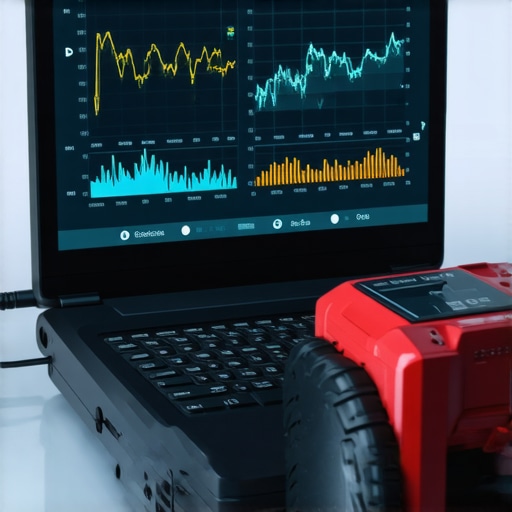
Certainly. ECU logs contain a comprehensive chronicle of internal commands and sensor responses, offering clues that precede noticeable symptoms like shuddering. Professionals skilled in data analytics interpret subtle irregularities—such as inconsistent solenoid switching frequencies or pressure anomalies—that serve as early warning systems. For detailed methodologies, consult industry-grade resources such as the Detroit Transmission Technical Library, which provides rigorous frameworks for deciphering these complex data streams.
Engaging with this level of diagnostic detail elevates a technician from reactive repair to proactive maintenance, minimizing expensive component replacements and ensuring smoother vehicle operation.
Integrating Predictive Maintenance with Vehicle Network Architecture
Modern transmission systems benefit immensely from integration with vehicle-to-vehicle (V2V) and vehicle-to-infrastructure (V2I) networks, enabling real-time condition monitoring. Embedded sensors continuously assess fluid oxidation levels, particulate contamination, and mechanical wear indicators, transmitting data via secure communication protocols to cloud-based analytics platforms. This proactive approach transforms maintenance schedules from fixed intervals into dynamic operations—triggered by actual fluid condition and systemic health—thus optimizing performance and longevity. Implementation hinges on sophisticated sensor integration and robust data management systems, representing a paradigm shift in automotive servicing that dedicated professionals must master.
Is Your Diagnostic System Equipped for the Future of Transmission Care?
Adapting to these technological advancements necessitates embracing OEM-specific diagnostic platforms and advanced data analytics tools. The evolution toward predictive, data-driven maintenance invites technicians to expand their skill set—training in cybersecurity, sensor calibration, and cloud interface management—to stay ahead in a competitive industry. Resources like the AutoTech Insights portal offer specialized courses designed for professionals committed to mastering cutting-edge diagnostic techniques.
By integrating these systems seamlessly into repair workflows, experts can deliver unparalleled service depth, preventing failures before they disrupt vehicle operation—and firmly establishing their role as automotive innovation leaders.
Augmenting Diagnosis via Machine Learning and Pattern Recognition
Transforming vast datasets into actionable insights relies heavily on machine learning algorithms capable of identifying nuanced patterns indicative of underlying transmission issues. These systems analyze historical data—such as temperature profiles, shift timing irregularities, and solenoid cycling frequencies—to develop predictive models that alert technicians to potential failures. This approach refines diagnostic precision, accelerates troubleshooting timelines, and enables customized maintenance schedules. Establishing such capabilities involves integrating AI platforms with existing diagnostic hardware, requiring specialized technical expertise but offering dramatic gains in repair accuracy and customer satisfaction.
How Can Pattern Recognition Revolutionize Transmission Diagnostics?
By automating anomaly detection, pattern recognition systems can uncover complex interdependencies within transmission behavior that escape traditional analysis. This leads to early interventions, reducing costly damage and extending component life. For practitioners seeking to leverage this technology, partnering with data scientists or investing in AI-enabled diagnostic software—such as the Predictive Diagnostics Suite—can profoundly elevate diagnostic capabilities, positioning your repair operation at the forefront of automotive service innovation.
**Implementing these sophisticated diagnostic techniques and embracing data-driven maintenance models empower technicians not only to diagnose with unprecedented accuracy but also to pioneer the future of auto repair—where proactive, predictive, and personalized service reigns supreme.**
Advanced Techniques for Accurate Transmission Diagnostics
Employing OEM-specific diagnostic protocols can dramatically improve fault detection precision, revealing issues that generic tools may overlook. This approach allows technicians to access detailed system parameters and calibration data, facilitating targeted repairs and preventing unnecessary part replacements.
Leverage Deep ECU Data Analysis
By interpreting raw sensor logs and internal system responses, experts can identify subtle patterns indicating imminent failure. This proactive strategy minimizes downtime and extends transmission lifespan, positioning diagnostics as a cornerstone of high-level vehicle maintenance.
Harnessing Cutting-Edge Data Analytics for Predictive Maintenance
Integrating machine learning algorithms with vehicle data enables early detection of anomalies, transforming reactive repairs into preventative actions. This shift enhances reliability and customer satisfaction while reducing long-term costs.
Implement Real-Time Fluid Condition Monitoring
Embedding sensors that communicate with vehicle networks allows continuous assessment of transmission fluid health. Such systems facilitate dynamic maintenance schedules tailored to actual usage, optimizing performance and preventing catastrophic failures.
Resources for the Modern Transmission Specialist
- AutoTech Insights Portal: Offers comprehensive training on OEM diagnostic tools and advanced calibration techniques.
- Detroit Transmission Technical Library: Provides in-depth methodologies for ECU log interpretation and anomaly detection.
- AI and Data Analytics Platforms: Tools like the Predictive Diagnostics Suite enable integration of machine learning models into repair workflows.
- Official OEM Diagnostic Software: Essential for accessing proprietary system data, ensuring diagnostic accuracy in complex cases.
- Industry Workshops & Webinars: Regular updates on emerging diagnostic technologies and best practices.
Your Next Step in Expert-Level Transmission Care
Embracing these advanced insights and resources empowers automotive professionals to transform diagnostic approaches, stay ahead of evolving vehicle technologies, and deliver unparalleled service quality. Engage with these tools and knowledge bases to refine your skills, contribute insights within professional communities, and set new standards in transmission troubleshooting—because excellence in vehicle care begins with expert diagnostics on the cutting edge.
Comments are closed.