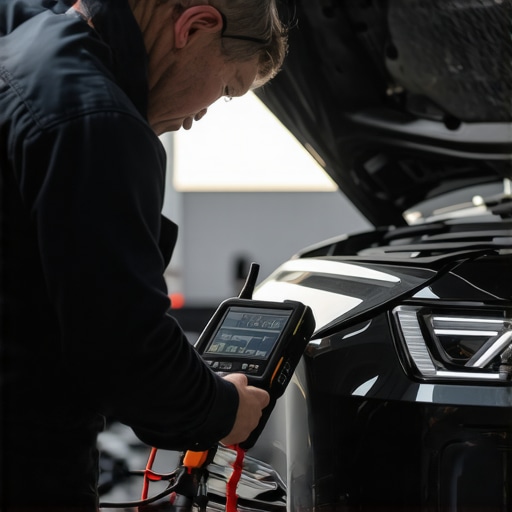
Vehicle Diagnostics: Essential Auto Repair Tips for Fast Results
Unlocking the Power of Vehicle Diagnostics in Modern Auto Repair
In the fast-evolving landscape of automotive technology, vehicle diagnostics stands as a cornerstone of effective and efficient auto repair. Leveraging sophisticated diagnostic tools allows technicians to pinpoint issues with unparalleled precision, substantially reducing repair time and enhancing vehicle performance. This article delves into the nuanced strategies that automotive professionals employ to harness diagnostic insights for rapid, reliable results.
Beyond Basic Scanning: Integrating Multi-System Diagnostic Approaches
Traditional OBD-II scanners provide a foundational understanding of engine faults, but modern vehicles demand a more holistic diagnostic process. Advanced diagnostics incorporate multi-system analysis—examining transmission, ABS, airbags, and electronic control modules simultaneously. This integrative approach uncovers complex issues, such as inter-system communication failures, that could be overlooked with standard scans. For example, diagnosing a transmission slipping problem often requires cross-referencing engine control data with transmission module outputs, a process facilitated by state-of-the-art diagnostic software.
Precision Diagnostics and the Role of Data Analytics in Auto Repair
Expert technicians now utilize data analytics to interpret diagnostic trouble codes (DTCs) more effectively. By analyzing patterns in sensor data and historical repair information, mechanics can predict component failures before they manifest as overt problems. This predictive maintenance approach minimizes downtime and prevents costly repairs, aligning with the industry shift toward proactive auto care. According to a study published in the Journal of Automotive Engineering, data-driven diagnostics significantly improve repair accuracy and customer satisfaction.
How Can Diagnostic Data Accelerate Transmission Repairs?
Transmission issues are among the most complex to diagnose and repair, often requiring specialized knowledge and tools. By utilizing expert transmission repair strategies, technicians can interpret diagnostic codes related to fluid pressure, solenoid operation, and gear sensor signals. Rapid identification of faulty components—such as worn clutches or defective sensors—facilitates targeted repairs, dramatically reducing service times. For comprehensive insights, explore our expert transmission repair tips.
What are the latest advancements in diagnostic technology that could revolutionize auto repair?
Emerging innovations include artificial intelligence-powered diagnostic platforms and augmented reality (AR) assistance, which guide technicians through complex repair sequences in real-time. These technologies promise to further decrease diagnosis-to-repair cycles, especially for advanced driver-assistance systems (ADAS) and electric vehicle components.
To stay ahead in auto repair, professionals should continually enhance their diagnostic expertise by engaging with industry-leading resources and training programs. For instance, exploring detailed strategies in our top vehicle diagnostics tips guide can provide actionable insights for faster, more accurate repairs. Your contribution of expert insights can further enrich this evolving field—join the conversation and share your experience.
Harnessing Cutting-Edge Diagnostic Innovations to Elevate Auto Repair
In the relentless pursuit of precision and efficiency, automotive professionals are turning to groundbreaking diagnostic technologies that redefine industry standards. From AI-driven analysis to augmented reality (AR) guidance, these advancements empower technicians to identify and resolve complex issues with unprecedented speed and accuracy. As vehicles grow increasingly sophisticated, mastering these tools becomes essential for delivering top-tier auto repair services.
Can Artificial Intelligence Transform Diagnostic Processes?
Artificial intelligence (AI) is rapidly transforming automotive diagnostics by enabling predictive analytics and pattern recognition beyond human capabilities. AI-powered platforms analyze vast datasets—from sensor readings to repair histories—anticipating potential failures before they manifest. This proactive approach not only minimizes vehicle downtime but also enhances repair precision, reducing unnecessary part replacements. For example, AI algorithms can detect subtle anomalies across multiple vehicle systems, facilitating early intervention and improving overall vehicle longevity. For insights on integrating AI into your diagnostic workflow, explore our auto-repair confidence tips.
How Does Augmented Reality Elevate the Technician’s Skillset?
Augmented reality (AR) is revolutionizing technician training and on-the-spot diagnostics by overlaying digital information onto real-world views. Using AR glasses or tablets, mechanics can visualize complex repair sequences, access schematic diagrams, and receive step-by-step instructions without diverting their attention from the vehicle. This immersive technology accelerates repair times, reduces errors, and enhances skill transfer. For instance, AR applications can guide a technician through intricate transmission repairs, streamlining workflows and boosting confidence. To learn more about implementing AR solutions, visit our expert transmission repair tips.
What Are the Practical Implications of Integrating These Technologies?
Integrating AI and AR into auto diagnostics demands an investment in training and infrastructure, but the long-term benefits are undeniable. These tools enable faster diagnostics, reduce errors, and improve customer satisfaction through reliable, transparent repairs. Moreover, staying at the forefront of diagnostic technology enhances a repair shop’s reputation and competitiveness in a rapidly evolving industry. For a comprehensive guide on adopting advanced diagnostics, check out our vehicle diagnostics for faster auto repairs.
Are there limitations or challenges to adopting these innovative diagnostic tools?
While the promise of AI and AR is significant, challenges such as high initial costs, data security concerns, and the need for ongoing training can pose barriers for some shops. Additionally, integrating new systems with existing diagnostic equipment requires careful planning to ensure compatibility and maximize ROI. Despite these hurdles, the strategic adoption of these technologies, supported by continuous education and industry partnerships, can position a repair business for long-term success and leadership in auto diagnostics. For more insights on overcoming implementation challenges, visit our auto repair boost tips.
Harnessing Artificial Intelligence and Augmented Reality for Next-Level Diagnostics
As automotive systems become increasingly intricate, the integration of artificial intelligence (AI) and augmented reality (AR) is revolutionizing how technicians approach vehicle diagnostics. AI algorithms analyze vast datasets to identify patterns that escape human detection, enabling predictive maintenance and early fault detection. For example, machine learning models can continuously monitor sensor data, flagging anomalies that could indicate impending failures, thereby shifting auto repair from reactive to proactive. Meanwhile, AR technology overlays detailed schematic diagrams, step-by-step repair instructions, and real-time diagnostics directly onto the technician’s view of the vehicle, significantly reducing repair times and minimizing errors.
Addressing the Nuances of Data Security and System Compatibility
While these technological advancements promise unprecedented diagnostic precision, they also raise critical concerns about data security, system interoperability, and ongoing training. Securing sensitive vehicle and customer data against cyber threats requires robust encryption protocols and compliance with industry standards such as ISO/SAE 21434, which governs cybersecurity for road vehicles (**SAE International, 2023**). Compatibility issues between new AI/AR systems and existing diagnostic equipment can hinder seamless integration, demanding careful planning and investment. Nonetheless, progressive shops that prioritize cybersecurity and invest in staff training are positioned to capitalize on these innovations, gaining a competitive edge in the evolving auto repair landscape.
How can auto repair shops effectively implement AI and AR technologies without disrupting existing workflows?
Effective implementation involves phased integration, starting with pilot programs that allow technicians to familiarize themselves with new tools, followed by comprehensive training sessions. Establishing partnerships with technology providers ensures access to ongoing updates and technical support. Additionally, investing in modular systems that can be upgraded incrementally helps manage costs and minimizes operational disruptions. For a deeper understanding of strategic integration, explore industry case studies such as those documented by the SAE International’s recent publications on smart vehicle diagnostics.
Future Trends: Autonomous Diagnostics and Cloud-Based Data Ecosystems
Looking forward, autonomous diagnostic systems powered by AI are on the horizon, capable of performing initial assessments and even executing basic repairs with minimal human intervention. These systems leverage cloud-based data ecosystems, enabling real-time sharing of diagnostic information across repair networks, manufacturers, and data analytics platforms. Such connectivity facilitates a collaborative approach to vehicle health management, ensuring that technicians have access to the latest diagnostic insights and repair protocols. This interconnected landscape promises to reduce diagnostic times further while enhancing repair accuracy and vehicle safety.
For auto repair professionals eager to stay ahead, continuous education on emerging diagnostic technologies is crucial. Participating in specialized training programs, attending industry conferences, and subscribing to authoritative publications ensures your expertise remains cutting-edge. Our comprehensive guide on vehicle diagnostics for faster auto repairs offers practical insights and strategic advice to navigate this technological evolution.
Join the Conversation and Lead Innovation in Auto Diagnostics
As the automotive industry advances towards highly automated and connected vehicles, the role of diagnostic technology becomes more vital than ever. Embracing AI, AR, and data analytics not only enhances repair accuracy but also elevates customer trust and satisfaction. We invite industry experts and shop owners alike to share their experiences, challenges, and successes with these innovations. Together, we can shape the future of auto repair, ensuring it remains efficient, reliable, and at the forefront of technological progress.
Harnessing AI and AR to Transform Vehicle Diagnostics Beyond Conventional Limits
As automotive systems evolve into highly complex networks of electronic components, the integration of artificial intelligence (AI) and augmented reality (AR) is setting new standards in diagnostics. AI-driven platforms analyze extensive datasets, including sensor outputs and historical repair logs, to predict failures with remarkable accuracy, facilitating a shift from reactive to predictive maintenance. Meanwhile, AR overlays detailed schematics and step-by-step guidance directly onto the technician’s view, dramatically reducing repair times and errors. This synergy of technologies exemplifies the future-proofing of auto repair shops seeking to maintain competitive advantage.
Addressing Cybersecurity and Compatibility Challenges in Next-Gen Diagnostics
Implementing AI and AR solutions requires meticulous attention to cybersecurity protocols, such as ISO/SAE 21434 standards, to safeguard sensitive vehicle and customer information against cyber threats. Compatibility issues between new diagnostic systems and existing equipment necessitate strategic planning, including phased integration and modular upgrades. By investing in staff training and establishing robust cybersecurity measures, auto repair businesses can effectively harness these innovations, ensuring seamless operations and data integrity.
What strategic approaches enable auto repair shops to integrate AI and AR technologies seamlessly?
Adopting a phased implementation plan, fostering partnerships with technology providers, and prioritizing ongoing technician training are critical. Pilot programs allow for testing new tools in controlled environments, minimizing disruptions. Additionally, selecting scalable, modular systems ensures future upgrades can be incorporated smoothly, safeguarding investments. Exploring case studies from industry leaders can offer valuable insights into successful integration strategies.
Exploring Autonomous Diagnostics and Cloud Data Ecosystems: The Road Ahead
Looking into the future, autonomous diagnostic systems powered by AI are poised to perform initial assessments and execute basic repairs with minimal human intervention. These systems leverage cloud-based data ecosystems, enabling real-time sharing and analysis of diagnostic information across repair networks, manufacturers, and data analytics platforms. This interconnected data landscape promises to further reduce diagnostic times, increase repair accuracy, and enhance overall vehicle safety, pushing auto repair into a new era of efficiency.
To stay at the forefront, professionals must pursue continuous education through specialized training, industry conferences, and authoritative publications. Embracing these advancements will not only optimize repair processes but also position shops as industry innovators committed to excellence in vehicle diagnostics.
Join the Vanguard of Auto Diagnostic Innovation
As vehicle technology advances towards autonomy and connectivity, the importance of sophisticated diagnostic tools becomes ever more critical. By embracing AI, AR, and data analytics, auto repair professionals can significantly improve diagnostic precision, operational efficiency, and customer satisfaction. We invite experts and shop owners to share their experiences and insights, fostering a collaborative environment that drives the industry forward. Together, we can shape a future where auto diagnostics are smarter, faster, and more reliable than ever before.
Expert Insights & Advanced Considerations
1. Embrace Predictive Analytics for Proactive Maintenance
Utilizing data analytics in vehicle diagnostics allows experts to anticipate failures before they occur, transforming auto repair from reactive to proactive. This approach minimizes downtime and enhances customer satisfaction by addressing issues early.
2. Integrate Multi-System Diagnostic Tools for Complex Vehicle Analysis
Advanced diagnostic procedures now incorporate multi-system analysis, examining electronic control modules, transmission, ABS, and airbags simultaneously. This holistic view uncovers intricate inter-system communication failures that traditional scans might overlook.
3. Leverage Augmented Reality for Skill Enhancement and Error Reduction
AR technology overlays detailed schematics and step-by-step instructions onto the technician’s view, accelerating complex repairs and reducing errors. This immersive training method elevates technician expertise and efficiency.
4. Invest in Cybersecurity and System Compatibility
As diagnostic tools become more connected, safeguarding sensitive data through robust encryption and ensuring system compatibility are critical. Strategic planning in these areas ensures seamless integration and long-term reliability.
5. Stay Ahead with Autonomous Diagnostics and Cloud Data Ecosystems
The future points toward autonomous diagnostic systems utilizing cloud-based data sharing, enabling real-time, collaborative vehicle health management. Continuous education on these emerging technologies is essential for industry leadership.
Curated Expert Resources
- SAE International Publications: Industry-leading standards and case studies on diagnostic system integration and cybersecurity.
- Journal of Automotive Engineering: Cutting-edge research on data analytics and predictive maintenance strategies.
- Augmented Reality in Auto Repair (Industry Reports): Comprehensive insights into AR applications and technician training methodologies.
- AI in Automotive Diagnostics (Tech Journals): Latest developments in AI algorithms for failure prediction and system analysis.
- Manufacturer-Specific Diagnostic Platforms: Proprietary tools offering deep insights into vehicle-specific diagnostic processes.
Final Expert Perspective
In the realm of vehicle diagnostics, mastery over predictive analytics, multi-system analysis, and augmented reality distinguishes the true industry leaders. These advanced insights not only streamline repairs but also elevate the precision and reliability of auto repair services. Embracing emerging technologies like autonomous diagnostics and cloud integration will define the next era of automotive excellence. For professionals committed to staying at the forefront, continuous learning and strategic technology adoption are non-negotiable. Engage with industry resources, share your expertise, and contribute to shaping the future of auto diagnostics—your leadership now sets the standard for tomorrow.

This article provides a comprehensive overview of how advanced diagnostics are transforming auto repair. I’ve recently started integrating multi-system analysis tools in my shop, and the difference in diagnostic speed and accuracy has been impressive. Especially with complex issues involving interconnected systems like transmission and ABS, having a holistic view helps avoid missed faults. I’m particularly interested in the potential of AI platforms for predictive maintenance—do any of you have experience with implementing AI-driven diagnostics, and what challenges did you face? In my case, data security and staff training were initial hurdles, but the long-term benefits seem promising. I believe that as we adopt these cutting-edge technologies, continuous technician education remains critical, as the learning curve can be steep. It’s exciting to see how these innovations will shape the future of auto repair. How are others managing the integration process, especially in smaller shops with limited resources? Would love to hear your insights.
This article really highlights how modern diagnostic tools are revolutionizing auto repair. I’ve worked in a small shop where we started experimenting with multi-system analysis software, and I was surprised how much it accelerated our diagnosis process. Transitioning to these advanced methods definitely requires some adjustment, especially with staff training, but I think the payoff is worth it. What I find most promising is the potential for predictive maintenance through data analytics—catching issues before they become serious can save both time and money for the shop and the customer. Has anyone here integrated AI diagnostics into their workflow yet? If so, what were some of the biggest hurdles you faced, particularly in terms of cybersecurity or staff adaptation? I’d love to hear both success stories and lessons learned from shops of different sizes.
This post really emphasizes how the integration of multi-system diagnostics can drastically improve repair accuracy and speed, especially with today’s complex vehicle electronics. I’ve been experimenting with some advanced diagnostic tools, and I agree that the holistic approach uncovers issues that traditional scans sometimes miss, like communication errors between modules. One challenge I ran into was training staff to interpret the complex data outputs effectively—it’s a learning curve, but worth it. I’ve found that ongoing training programs and manufacturer-specific training help bring technicians up to speed faster. Also, cybersecurity remains a concern; protecting customer and vehicle data from potential breaches is critical as we adopt more connected diagnostics. Have any of you implemented a cybersecurity protocol specifically tailored for diagnostic data? Would love to hear your strategies or recommendations to keep data safe without hindering workflow.
This article really underscores the importance of combining traditional diagnostic methods with cutting-edge technology to achieve faster and more accurate results in auto repair. I’ve been exploring data analytics tools to better predict component failures, and it’s fascinating how pattern recognition can forecast issues before they become critical. That said, I’ve noticed that many small shops might be hesitant to invest heavily in AI and AR tech due to costs and required training. From my experience, starting with a phased approach—testing new systems on specific vehicle types—can ease the transition and demonstrate clear ROI. Additionally, ensuring cybersecurity is maintained during this digital upgrade remains essential; otherwise, sensitive vehicle data could be at risk. How have other shops managed to implement these advanced tools without disrupting their daily workflow? Are there cost-effective solutions or training programs that you’ve found particularly helpful? I believe that sharing best practices can help the industry adopt these innovations more broadly and confidently.