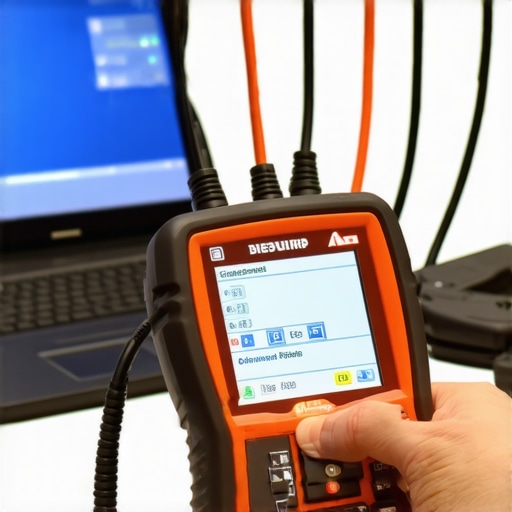
Is Your 2026 Scan Tool Lying? 4 Faults It Can’t See
Reevaluating the Effectiveness of 2026 Vehicle Diagnostic Tools in Advanced Autonomy
The landscape of automotive diagnostics has evolved rapidly with the integration of increasingly sophisticated sensors, onboard computers, and autonomous driving features. As industry experts, we must critically assess whether the state-of-the-art 2026 scan tools are truly illuminating the full spectrum of vehicle health or if their limitations could obscure critical faults. This discussion explores the complex interplay between diagnostic technology and the nuanced requirements of modern auto repair, emphasizing the importance of experience-driven interpretation over reliance on generic tools.
Complex Faults and Sensor Blind Spots: Are Our Diagnostic Instruments Lying to Us?
Traditionally, diagnostic tools meticulously interpret data from engine control units (ECUs) and transmission modules, but with the advent of hybrid and electric powertrains, the number of potential fault sources has expanded exponentially. Ghost codes illustrate how false positives can mislead even seasoned technicians, leading to unnecessary repairs or overlooked issues. High-end diagnostic scanners often cannot accurately access or interpret data from proprietary sensor networks embedded within complex systems, such as advanced driver-assistance systems (ADAS) or EV battery management modules.
Are We Overestimating Oxymoronic Diagnostic Capabilities?
The hype surrounding 2026 diagnostic tools often hinges on their ability to quickly identify faults through pattern recognition algorithms. However, these algorithms live within a framework of predefined fault codes and learned models, which might not encompass the latest firmware updates or unique vehicle configurations—highlighted by the discrepancy between software detection and actual component failure modes. As professional technicians, the depth of experience is crucial in recognizing discrepancies that may escape digital detection. For more insights, refer to auto repair master guides.
How Can Technicians Overcome Diagnostic Blind Spots When Facing 2026’s Cutting-Edge Systems?
Overcoming the limitations of 2026 vehicle diagnostics requires combining advanced tools with refined interpretive skills. Techniques include cross-verification using multiple diagnostic platforms, harnessing manufacturer-specific deep-dive modules, and applying experiential knowledge to interpret inconsistent readings. Building a comprehensive understanding of sensor interdependencies and integrating traditional troubleshooting methods ensures more reliable fault detection. Embracing open-source diagnostic protocols and continuous education is vital for adapting to rapid technological changes.
For those seeking to deepen their expertise, exploring the hidden features of modern diagnostics can reveal critical nuances that generic tools overlook. This layered approach transforms diagnostic processes from superficial scans into robust, field-tested procedures, elevating service quality in an era of complex vehicle systems.
Engaging with ongoing professional discourse is equally important. Sharing insights about the challenges faced when diagnosing advanced systems helps build industry-wide trust and drives technological innovation. Consider contributing your experiences or exploring authoritative resources to stay abreast of emerging diagnostic frontiers.
Employing Practical Troubleshooting Strategies Amidst Diagnostic Limitations
While advanced diagnostic tools provide valuable insights, their reliability can be compromised by software glitches, sensor malfunctions, or compatibility issues with proprietary vehicle systems. Therefore, integrating hands-on troubleshooting techniques remains paramount. For instance, performing physical inspections of wiring harnesses, connectors, and sensor modules often uncovers faults that digital scans might miss, especially in hybrid and electric vehicles where systems are intricately interconnected. As highlighted in comprehensive repair guides, blending traditional methods with digital diagnostics enhances diagnostic accuracy and service efficiency.
Can Experience and Intuition Supplement Algorithm-Driven Diagnostics Effectively?
In complex scenarios where digital tools offer conflicting data or ambiguous fault codes, the seasoned technician’s intuition becomes crucial. Years of hands-on experience allow technicians to recognize patterns, irregular behaviors, and anomalies that algorithms might disregard or misinterpret. For example, a slight delay in sensor response or inconsistent readings over different modes can signal early signs of component deterioration—something only an experienced eye might catch. Embracing this nuanced skill set is vital, especially given the evolving landscape of vehicle electrification and autonomous systems. To refine these practical skills, consider exploring AI and expert-driven diagnostic advancements.
What Are the Best Resources for Keeping Up with Rapid Diagnostic Tech Changes?
Staying current requires regular engagement with industry forums, manufacturer briefs, and specialized training modules. Participating in online communities or subscribing to authoritative publications enables technicians to exchange real-world experiences and troubleshootings. Continuous learning also involves mastering open-source diagnostic tools that bypass proprietary restrictions and provide deeper system access, such as those detailed in DIY sensor data scanning guides. This proactive approach empowers repair professionals to troubleshoot efficiently and adapt swiftly to the rapidly changing diagnostic environment.
Ultimately, integrating verified external sources and expert insights ensures diagnostic procedures evolve from mere verification to predictive maintenance. The key lies in leveraging technology as an enabler, not a crutch, and cultivating an intuitive understanding that merges digital intelligence with hands-on expertise.
Feel free to share your experiences diagnosing advanced vehicle systems or suggest additional resources that have helped you navigate the diagnostic challenges of 2026 and beyond.
Bridging the Gap: Integrating Data Synthesis and Hands-On Expertise for Accurate Fault Resolution
In the ever-evolving landscape of modern automotive diagnostics, a pivotal challenge emerges: how do technicians synthesize vast sensor data streams with tactile, experiential insight to pinpoint elusive faults? The complexity intensifies with autonomous and electric vehicles, where a multitude of interconnected modules generate an intricate web of diagnostic information. No longer can reliance solely on digital readouts suffice; middleware that filters, correlates, and prioritizes data is essential, but so is the practitioner’s seasoned judgment. Effective fault resolution hinges on creating a harmonized diagnostic protocol that leverages algorithms as tools rather than crutches, aligning automated insights within a context-shaped understanding of vehicle behavior.
Addressing the Sophisticated Question: How Can Advanced Data Fusion Enhance Fault Detection in 2026 Vehicles?
Data fusion involves integrating disparate sensor inputs—ranging from thermal cameras and LIDAR to subtle voltage fluctuations—creating a cohesive situational picture. For example, in an EV with multiple battery modules, a sudden inconsistency in cell balancing data may appear ambiguous. However, correlating this with ambient temperature trends, voltage ripple patterns, and recent repair history can reveal underlying connections, such as thermal runaway precursors or early insulation failures. Implementing real-time data correlation algorithms, possibly utilizing machine learning models trained on extensive diagnostic databases, enables technicians to prioritize issues with higher confidence. Yet, this approach demands meticulous calibration, validation, and an understanding of the vehicle’s unique diagnostic fingerprint, emphasizing the indispensable role of expertise in interpreting fused data outputs.
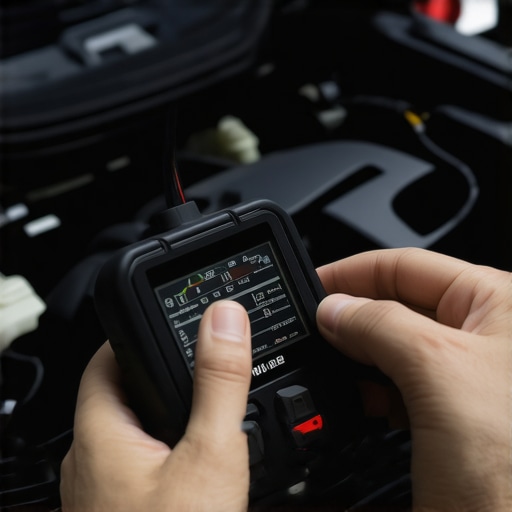
Reconfiguring Diagnostic Strategies Amidst Automated and Connected Systems Push Boundaries
The proliferation of connected vehicle networks and OTA (over-the-air) firmware updates necessitate adaptive diagnostic methodologies. Traditional hardware-centric troubleshooting becomes insufficient when a fault resides within a proprietary communication protocol or software glitch that doesn’t manifest as a physical anomaly. Here, the practitioner’s ability to interpret system logs, network traffic, and software version histories becomes paramount. Employing cybersecurity tools for vehicle network analysis can uncover anomalies—such as unauthorized data access attempts or signal interference—that traditional diagnostics overlook. Furthermore, understanding the implications of recent software updates on calibration and fault code definitions ensures that diagnostic interpretations remain aligned with the vehicle’s current configuration and firmware state. This paradigm shift demands a bridge between cybersecurity principles and automotive diagnostics, a hallmark of advanced expertise.
Can Predictive Maintenance Truly Transform Service Paradigms or Is It a Futile Guesswork?
Predictive maintenance leverages artificial intelligence, historical fault data, and real-time sensor inputs to forecast failures before they occur, transforming reactive repair into proactive management. For instance, analyzing vibration patterns alongside temperature anomalies in electric motors can preempt bearing failures, reducing costly breakdowns. However, the efficacy of such systems hinges on data quality, algorithm robustness, and the technician’s ability to interpret probabilistic forecasts critically. Overconfidence in predictive algorithms may lead to unnecessary component replacements or overlooking subtle indicators. Therefore, integrating predictive insights with comprehensive diagnostic reasoning—combined with a thorough understanding of component failure modes—creates a balanced strategy that maximizes benefits while minimizing risks. This nuanced approach is essential: it necessitates ongoing calibration, validation, and refinement of predictive models, underscoring the importance of continuous learning and technical agility.
For technicians aiming to stay ahead in this domain, embracing interdisciplinary knowledge—spanning data science, cybersecurity, and traditional repair—becomes crucial. Leveraging authoritative learning modules, such as those offered by OEMs and specialized training providers, ensures mastery over emerging tools and methodologies. As you deepen your diagnostic expertise, consider your role not just as a repair professional but as an integrator of intelligent systems and data-driven strategies that redefine automotive service excellence.
To explore advanced diagnostic case studies and share your approaches, join industry-specific forums or subscribe to expert-led technical journals. Engaging actively with cutting-edge developments will cement your position at the forefront of automotive diagnostics in the age of autonomy and electrification.
Harnessing the Power of Multilayered Data Synthesis in Vehicle Diagnostics
As the automotive landscape becomes increasingly intricate, the integration of multilayered sensor data—from thermal imaging, LIDAR, and ultrasonic scans to subtle electrical parameter measurements—paves the way for a deeper understanding of vehicle health. This comprehensive approach transcends traditional fault codes, enabling technicians to build a 3D diagnostic perspective that accounts for dynamic operational states and environmental influences. Such data fusion demands mastery over both hardware integration and advanced analytical algorithms, which, when coupled with expert interpretation, can reveal hidden fault precursors. Implementing real-time data correlation through machine learning models allows for predictive insights, significantly reducing diagnostic blind spots in complex hybrid and autonomous systems.
The Art of Diagnosing Software-Driven Faults in Proprietary Architectures
Modern vehicles increasingly rely on proprietary communication protocols and software layers that can obscure fault origins. Diagnosing issues within these closed systems calls for an expert-level understanding of cybersecurity principles, network traffic analysis, and firmware version control. Skilled technicians must analyze intricate log files, identify anomalous data exchanges, and comprehend the implications of firmware updates that may alter fault code mappings. Embracing open-source diagnostic tools offers a strategic advantage, providing unencumbered access to system data and facilitating the reverse engineering of proprietary protocols. This meticulous approach ensures accurate fault interpretation, especially when dealing with evasive software glitches or cyber-attack indicators.
What External Resources Equip Experts to Stay Ahead in Rapid Diagnostic Evolutions?
Professionals dedicated to maintaining cutting-edge expertise benefit immensely from specialized training programs offered by OEMs, cybersecurity firms, and advanced diagnostic software providers. Participating in niche forums, industry symposia, and live workshops promotes knowledge exchange on emerging challenges and innovative solutions. Reputable publications such as the SAE International Journal of Commercial Vehicles deliver peer-reviewed insights into vehicle communication systems and fault management strategies. Furthermore, subscribing to updates from vehicle manufacturers’ technical bulletins ensures awareness of firmware changes affecting diagnostic procedures. Staying connected with these authoritative sources fortifies an expert’s ability to adapt to swiftly evolving diagnostic landscapes and fosters continual technical growth.
Engage with these compelling resources to elevate your diagnostic acumen and be prepared for the complexities awaiting in 2026’s automotive realm. Your proactive learning attitude will distinguish you as a leader capable of navigating the most challenging electronic and software anomalies.
Revolutionizing Troubleshooting with Adaptive Test Protocols
Traditional troubleshooting methods often fall short amidst the sophisticated digital ecosystems of modern vehicles. The advent of adaptive testing protocols—continuously refined through machine learning algorithms and real-world data inputs—marks a pivotal shift. These protocols dynamically adjust diagnostic sequences based on initial findings, contextual vehicle data, and historical fault patterns. For example, in diagnosing intermittent electrical faults in autonomous driving modules, adaptive testing can isolate anomalies by correlating runtime sensor data with recent software updates, environmental conditions, and component aging profiles. Such approaches require a fusion of software aptitude, hardware familiarity, and experiential intuition, enabling technicians to dissect issues with unprecedented precision. Implementing these protocols not only accelerates fault localization but also enhances diagnostic reliability in complex systems.
The Future of Diagnostic Reasoning: Combining Human Intuition with Machine Precision
As vehicle systems become more autonomous and networked, the role of human intuition in diagnostics gains renewed importance. While algorithms excel at pattern recognition and data processing, they lack contextual judgment and experiential nuance—elements that seasoned technicians excel at. For instance, recognizing early signs of component fatigue from subtle tactile feedback during physical inspections, or predicting potential failures based on vehicle behavior anomalies, exemplifies the symbiosis of human insight and machine data. Developing this dual competency involves deepening knowledge in electronic diagnostics, understanding vehicle psychology, and fostering a keen interpretive mindset. Continuously challenging one’s assumptions and critically analyzing diagnostic outputs ensures that reliance on automated systems enhances, rather than replaces, expert judgment.
How Can Professionals Cultivate Diagnostic Intuition in an Algorithm-Heavy Environment?
To cultivate robust diagnostic intuition, technicians should engage in scenario-based training, simulate fault conditions, and analyze case studies that challenge standard procedures. Participation in cross-disciplinary learning—combining automotive engineering, cybersecurity, data analytics, and human factors—broadens the interpretive horizon. Keeping abreast of advancements in AI-driven diagnostics and practicing critical assessment prevents overdependence on technology, safeguarding against complacency. Ultimately, blending rigorous technical competence with refined intuitive skills creates a diagnostic approach resilient to system complexity and unforeseen anomalies, securing a competitive edge in 2026’s automotive diagnostics landscape.
Immerse yourself in authoritative resources, attend specialized conferences, and collaborate with peers to hone this integrative skill set. Your ability to synthesize human judgment with machine intelligence will define the next era of diagnostic excellence.
Expert Insights & Advanced Considerations
The Limitations of Relying Solely on Automated Diagnostics
Advanced vehicle systems demand a nuanced approach; digital tools are invaluable but cannot replace seasoned judgment, especially with proprietary protocols that deceive even sophisticated scanners. Recognizing the boundaries of automation ensures diagnostics remain accurate and meaningful.
The Imperative of Deep System Knowledge
Understanding the interconnectedness of hybrid, electric, and autonomous modules empowers technicians to interpret data contextually. Mastery over vehicle-specific configurations reduces diagnostic errors stemming from generic tool limitations.
The Role of Data Fusion in Modern Repair
Integrating multisensor streams—thermal, electrical, and optical—creates comprehensive fault profiles. Leveraging machine learning to correlate these datasets transforms complex diagnostics into manageable tasks, provided technicians comprehend the underlying algorithms.
Maintaining Skill Through Continuous Learning
Staying current with rapidly evolving vehicle architectures requires proactive education. Participating in OEM trainings, cybersecurity clinics, and open-source projects enhances diagnostic efficacy amid complex systems.
Balancing Digital and Hands-On Strategies
Physical inspections, wiring assessments, and component tests complement electronic diagnostics. Cultivating tactile sensitivity and experiential intuition remains vital, especially when digital readings are ambiguous or conflicting.
Curated Expert Resources
- SAE International Publications: Offers peer-reviewed articles on emerging vehicle communication protocols and diagnostic methodologies, ideal for deepening technical understanding.
- OEM Technical Bulletins and Firmware Updates: Essential for staying aligned with manufacturer-specific diagnostic procedures and software revisions, ensuring relevance and accuracy.
- Open-Source Diagnostic Toolkits: Platforms like Vehicle Spy and CANHacker give access to proprietary protocols, enabling technicians to bypass limitations of commercial scanners and gain deeper insights.
- Cybersecurity and Network Analysis Courses: Equip professionals to interpret complex data flows within connected vehicles, vital for troubleshooting software-level faults.
- Specialized Forums and Industry Conferences: Platforms such as Autotech and SAE events facilitate exchange of practical experiences and emerging best practices in diagnostics.
Final Perspective During Rapid Evolution
The landscape of vehicle diagnostics in 2026 underscores a pivotal lesson: technology is an enabler but not infallible. True mastery stems from the integration of cutting-edge tools with foundational expertise, critical thinking, and continuous learning. As industry leaders, we must embrace this hybrid approach—leveraging data fusion, system knowledge, and tactile skills—to diagnose and repair with confidence. Share your insights or explore our comprehensive auto repair master guides to elevate your diagnostic capabilities and remain ahead in this dynamic field.
![5 2026 Vehicle Diagnostics Hacks to Save You $400 [Updated]](https://reliableautocares.com/wp-content/uploads/2026/03/5-2026-Vehicle-Diagnostics-Hacks-to-Save-You-400-Updated.jpeg)