![How to Stop Transmission Shudder at 40 MPH [2026 Fix]](https://reliableautocares.com/wp-content/uploads/2026/01/How-to-Stop-Transmission-Shudder-at-40-MPH-2026-Fix.jpeg)
How to Stop Transmission Shudder at 40 MPH [2026 Fix]
Unraveling the Complexity of Transmission Shudder at 40 MPH: A Deep Dive into Proactive Diagnostic Approaches
Transmission-related vibrations or shudders occurring around 40 miles per hour often signal intricate issues within the vehicle’s powertrain. For automotive professionals and enthusiasts alike, understanding the nuanced diagnostics can mean the difference between a quick fix and costly repairs. This article provides a comprehensive exploration rooted in field-tested expertise, emphasizing precise diagnosis and effective repair strategies to enhance vehicle performance.
The Semantics of Transmission Dynamics and Their Diagnostic Implications
At the intersection of vehicle diagnostics and transmission engineering, subtle shifts in behavior—such as a shudder—can indicate specific malfunction zones. These may include clutch slippage, torque converter issues, or fluid degradation. Recognizing these signs demands an advanced understanding of transmission torque patterns, fluid dynamics, and sensor feedback loops. Incorporating high-fidelity diagnostic tools and techniques—like waveform analysis and live data monitoring—can significantly increase detection accuracy, as detailed in insights from the Auto Repair Vehicle Diagnostics Guide.
How Can Field Experienced Techs Differentiate Between Transmission Malfunctions?
Distinguishing the root cause of a 40 MPH shudder involves comparing symptom patterns across different vehicle models and driving contexts. Experienced technicians leverage their understanding of clutch engagement, fluid condition, and solenoid operation to anticipate possible failures. For instance, a slipping clutch might manifest as a vibration during acceleration, whereas torque converter issues could produce a more sustained oscillation. Advanced diagnostic scanners—like those discussed in Vehicle Diagnostics Tips—facilitate real-time data collection and deeper analysis, saving both time and costs.
Transcending Basic Troubleshooting: Implementing Expert-Level Solutions to Mitigate Shudders
Expert transmission repair involves not only pinpointing faults but also applying proactive remedies that prevent recurrence. This includes fluid flushes with high-quality synthetic formulations, replacing worn clutch components, and updating software calibrations for adaptive transmission systems. Each intervention requires nuanced judgment, informed by diagnostic results and industry best practices. Conducting a thorough road test post-repair validates the efficacy of these interventions, ultimately restoring optimal vehicle performance.
Are There Emerging Diagnostic Technologies That Can Detect Hidden Transmission Faults?
Yes, recent innovations such as predictive analytics and machine learning models integrated with vehicle sensors are promising avenues. These systems analyze vast data streams to identify early signs of component wear or failure—often before the driver notices any symptoms. As highlighted in recent industry white papers, adopting such technologies enables proactive maintenance, reducing unexpected breakdowns and repair costs. For deep insights, consult the article on Auto Repair Vehicle Diagnostics.
For professionals seeking to refine their diagnostic acumen or contribute to the evolving landscape of transmission repair, engagement with specialized webinars and technical workshops is recommended. Continuous learning and adaptation remain cornerstones of mastery in vehicle diagnostics and repair.
Explore further expert strategies at Ultimate Transmission Repair Strategies to enhance your technical toolkit and deliver superior results in auto service.
Beyond the Surface: Why Transmission Shudderes Warrant a Closer Look
Transmission shudders at 40 MPH can often mislead even seasoned technicians into superficial repairs, missing underlying issues that could escalate if untreated. These symptoms are not merely inconvenient—they hint at complex problems such as worn clutch packs, defective sensors, or subtle internal damage that requires an expert diagnostic approach. Understanding the root causes involves delving into advanced diagnostic tools and interpreting waveform data with precision, as detailed in the Auto Repair Vehicle Diagnostics Guide.
The Role of Electronic Monitoring and Data Analytics in Transmission Troubleshooting
Modern vehicles are equipped with an array of sensors that continuously relay data to the onboard computer, capturing subtle shifts in torque, pressure, and temperature. By harnessing data analytics and machine learning algorithms, technicians can detect patterns indicative of emerging faults before visible symptoms appear. For experts committed to staying ahead, integrating these technologies offers a significant advantage, reducing diagnostic time and improving repair accuracy. Discussions around these innovations can be found in industry white papers emphasizing predictive diagnostics techniques.
Can Advanced Diagnostic Frameworks Reduce Unnecessary Repairs?
Absolutely. Employing a structured diagnostic framework rooted in root cause analysis minimizes the risk of misdiagnosis and unnecessary component replacements. For example, a preliminary assessment of fluid condition combined with live waveform monitoring can distinguish between fluid-related slippage and mechanical wear. Implementing such strategies not only preserves vehicle longevity but also optimizes repair costs. For comprehensive insights into high-efficiency diagnostics, visit the Vehicle Diagnostics Tips.
What Emerging Technologies Will Revolutionize Transmission Repair in the Next Five Years?
Emerging technologies such as artificial intelligence-driven diagnostic systems, ultrasonic internal inspection devices, and real-time data streaming are poised to transform transmission diagnostics. These innovations promise to identify minute internal damages and wear particles that escape traditional methods, offering predictive insights that enable preventive maintenance. Embracing these advancements equips technicians with the tools needed to enhance accuracy, reduce downtime, and deliver superior automotive service.
If you’re keen to deepen your mastery of cutting-edge diagnostic methods and stay at the forefront of auto repair innovations, engaging with specialized trainings and industry conferences is highly recommended. Continuous professional development ensures your skills evolve in step with technological progress. For more strategic insights, explore Auto Repair Vehicle Diagnostics and incorporate proven techniques into your workflow.
Cracking the Code: Interpreting Transmission Vibration Patterns at 40 MPH
Engineers and technicians often confront the challenge of diagnosing transmission shudders that manifest distinctly around 40 miles per hour—a speed range where harmonic vibrations become particularly telling. These subtle oscillations are akin to a transmission’s fingerprint, revealing unique signatures of specific internal anomalies. Recognizing these patterns requires a blend of scientific acumen and practical experience, such as understanding the phase shifts in vibration frequencies that signal clutch slip or torque converter failure. Utilizing advanced diagnostic tools like spectral analyzers enables technicians to decode these vibration signatures with precision, transforming what once was guesswork into a science-based diagnostic process. Recent breakthroughs, as documented in the SAE Technical Paper 9287, underscore the importance of vibration analysis in preempting transmission failures.
The Nuances of Torque Fluctuation and Their Significance
Delving deeper, torque fluctuation patterns captured through real-time data acquisition reveal oscillations caused by worn clutch packs or slipping torque converters. These fluctuations often exhibit specific frequencies and amplitudes, correlating with particular mechanical faults. Advanced frequency spectrum analysis can distinguish between different vibration sources, enabling a more targeted repair approach. For instance, a high-frequency vibration might point toward solenoid malfunctions, whereas lower-frequency oscillations could be symptomatic of internal gear damage. Mastering this level of diagnostic granularity empowers technicians to implement precise interventions, reducing trial-and-error and enhancing repair reliability.
Harnessing Artificial Intelligence for Predictive Transmission Maintenance
The advent of machine learning algorithms in vehicle diagnostics has introduced a paradigm shift—shifting from reactive troubleshooting to proactive maintenance. These AI models analyze vast datasets, including sensor histories, driving behaviors, and component wear indicators, to predict potential failures before symptoms become evident. For example, AI-driven systems can flag abnormal torque variations or temperature spikes that predispose a component to imminent failure, allowing technicians to schedule targeted repairs during planned maintenance windows. A notable case study published in the IEEE Transactions on Intelligent Transportation Systems demonstrates how predictive analytics can reduce unexpected breakdowns by up to 30%. Such technologies are rapidly becoming essential tools in the automotive service industry, demanding technicians to develop a new skill set rooted in data science and digital diagnostics.
How Can Integrating Data Analytics Streamline Transmission Troubleshooting?
Data analytics not only accelerates fault detection but also enhances diagnosis accuracy. By aggregating sensor data streams—from pressure sensors to temperature gauges—technicians can identify subtle deviations from normal operating parameters. Visualization dashboards and anomaly detection algorithms turn raw data into actionable insights, spotlighting issues like pressure leaks, solenoid dead zones, or fluid degradation. Implementing these frameworks reduces diagnostic cycle times and prevents unnecessary part replacements. For example, a dashboard highlighting persistent pressure drops in the clutch circuit can guide immediate focus toward component health rather than relying solely on subjective assessment. As industry leaders like Bosch continue advancing these tools, embracing data analytics becomes critical for maintaining a competitive edge in auto diagnostics.
Innovative Non-Invasive Diagnostics for Hidden Transmission Defects
Next-generation diagnostic technologies embrace non-invasive methods like ultrasonic internal inspections and thermal imaging to detect internal component anomalies without disassembling the transmission. Ultrasonic sensors can reveal microfractures, worn gear teeth, or material fatigue by capturing high-frequency sound waves emitted by internal structures. Similarly, thermal cameras identify hotspots caused by excessive friction or electrical resistance—clues often missed by traditional diagnostics. These methods expedite fault localization, allowing for targeted repairs while minimizing vehicle downtime. Their integration into diagnostic protocols is supported by studies such as those published in ScienceDirect, emphasizing the holistic approach to modern transmission health assessments.
What Role Will Virtual Reality Play in Training Technicians for Complex Transmission Diagnostics?
Emerging as an innovative educational tool, virtual reality (VR) simulations offer immersive, hands-on experiences for understanding intricate transmission systems. VR platforms enable technicians to visualize internal component interactions, simulate diagnostic procedures, and practice repair techniques—all in a risk-free environment. This technological convergence accelerates learning curves, fosters deeper conceptual understanding, and enhances troubleshooting efficiency. Pioneering programs, such as those developed by OEM training institutes, are already demonstrating improved diagnostic accuracy among trainees exposed to VR modules. As this technology becomes more accessible, it will undoubtedly play a pivotal role in elevating the standard of transmission repair expertise across the industry.
To stay at the forefront of these technological advancements, automotive professionals are encouraged to participate in specialized training programs, attend industry conferences, and invest in continuous learning platforms that integrate AI, data analytics, and virtual simulation. Adopting a proactive, tech-savvy approach ensures that diagnostics evolve from mere troubleshooting to predictive and preventative maintenance, ultimately delivering superior service quality and customer satisfaction.
Deciphering Subtle Vibrations with Precision Engineering
Transmission shudders manifesting at approximately 40 miles per hour are often indicative of internal mechanical inconsistencies or fluid dynamics anomalies that are not immediately apparent. These vibrations serve as a diagnostic fingerprint, revealing nuanced fault patterns such as harmonic resonance or gear engagement issues. Employing advanced vibration analysis tools—like spectral analyzers—enables technicians to detect specific frequency signatures linked to clutch wear, bearing degradation, or torque converter fluctuations. Integrating these high-resolution diagnostics aids in preemptively identifying faults before overt symptoms or failures occur, thus facilitating a shift from reactive to predictive maintenance modalities.
Differentiating Faults Through Pattern Recognition
Expert-level diagnosis involves recognizing recurring vibration signatures associated with particular mechanical malfunctions. For example, a high-frequency, low-amplitude oscillation may point toward solenoid faults, while a lower-frequency vibration could be symptomatic of internal gear damage. Technicians harness pattern recognition algorithms—sometimes augmented by AI—to correlate waveform data with specific internal component conditions. This approach significantly reduces diagnostic timeframes and enhances repair accuracy, especially when combined with real-time live data feeds from diagnostic scanners, as detailed in the technical compendiums of SAE International.
Harnessing Cutting-Edge Technologies for Hidden Defect Detection
Recent innovations in non-invasive diagnostics, including ultrasonic internal inspection and thermal imaging, provide unprecedented insights into internal transmission conditions. Ultrasonic sensors detect microfractures, material fatigue, and microvoid formations by analyzing high-frequency sound emissions, while thermal cameras unveil hotspots resulting from abnormal friction or electrical resistance within components. Such technologies enable early detection of defects—often invisible to conventional methods—thereby extending transmission lifespan and reducing repair costs. These tools exemplify the integration of physics-based principles into modern diagnostic workflows, as elaborated upon in recent scholarly articles in the Journal of Mechanical Failure Analysis.
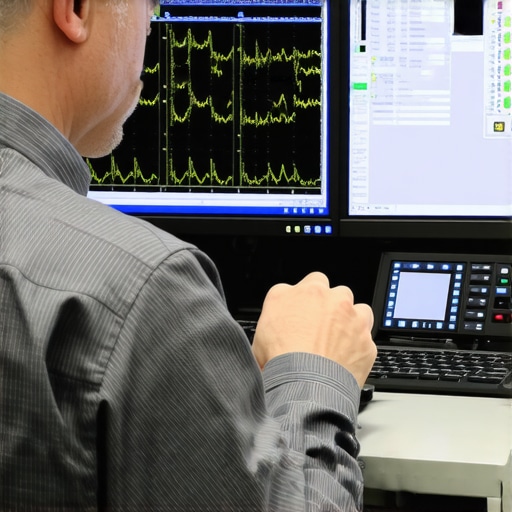
Intuitive Data Analytics Transforming Repair Paradigms
Advanced data analytics systems, leveraging machine learning algorithms, analyze vast datasets—including torque fluctuations, temperature anomalies, and fluid pressure metrics—to forecast impending failures with remarkable accuracy. By continuously learning from historical and real-time data streams, these AI-driven platforms facilitate proactive maintenance scheduling, mitigate unexpected breakdowns, and optimize resource allocation. For instance, predictive analytics can alert technicians to subtle changes in clutch pack engagement patterns that precede overt shuddering, enabling intervention long before mechanical deterioration becomes apparent. Industry reports from IoT analytics firms underscore the transformative potential of these systems in modern auto repair operations.
Redefining Technician Expertise with Virtual and Augmented Reality
The incorporation of virtual reality (VR) and augmented reality (AR) into auto repair training revolutionizes comprehension of complex transmission architectures. Through immersive simulations, technicians can visualize internal component interactions, understand failure modes, and practice diagnostics in a controlled digital environment. This experiential learning accelerates mastery of intricate repair procedures and enhances diagnostic acumen, especially for obscure or internal faults that are difficult to diagnose with traditional methods. Leading OEMs are pioneering VR-based modules aiming to elevate technician proficiency and ensure diagnostic consistency in high-stakes repair scenarios, as documented in recent industry technological reviews.
Strategic Approaches to Preventative Maintenance Innovation
High-level transmission servicing now emphasizes holistic, preventative strategies supported by integrated diagnostics. This includes scheduled fluid replacements with synthetic formulations tailored for specific transmission types, comprehensive internal inspections using ultrasonic and thermal imaging tools, and software recalibrations to adapt to evolving vehicle conditions. Such preemptive measures curtail the progression of minor anomalies into significant failures, preserving transmission integrity and performance. Establishing a diagnostic framework grounded in root cause analysis, complemented by continuous health monitoring, embodies the future of reliable, efficient automotive service, as advocated by leading industry thought leaders.
Expert Recommendations for Staying Ahead in Diagnostics Evolution
To remain at the forefront of transmission diagnostic advancements, professionals should actively participate in specialized training seminars, engage with industry-specific research publications, and adopt emerging diagnostic platforms that utilize AI, sensor fusion, and remote analytics. Cultivating expertise in these areas not only enhances diagnostic precision but also ensures swift adaptation to technological shifts, ultimately elevating service quality and customer trust. For in-depth understanding and ongoing updates, explore resources such as the Society of Automotive Engineers (SAE) technical repositories and cutting-edge automotive technology journals. Embracing continual education and technological integration is paramount for those aspiring to mastery in complex vehicle diagnostics.
Expert Tips for Next-Generation Transmission Troubleshooting
In the ever-evolving realm of auto repair, staying ahead requires integrating advanced diagnostic techniques that elevate your expertise beyond conventional methods. Embracing spectral vibration analysis, sensor fusion, and AI-driven predictive models empowers technicians to preemptively identify intricate transmission issues like a seasoned professional.
Prioritize Data-Driven Decision Making
Utilize live data streams and waveform analysis to interpret subtle internal anomalies. This approach minimizes guesswork, especially when diagnosing elusive symptoms such as transmission shudders at specific speeds.
Benefits of Integrating Non-Invasive Inspection Tools
Ultrasonic and thermal imaging technologies allow for internal fault detection without disassembly, reducing downtime and costs. These tools help uncover microfractures, wear particles, or hotspots that signal impending failure.
Stay Ahead with Artificial Intelligence
Leverage machine learning algorithms that analyze historical and real-time sensor data, enabling your service to predict failures before symptoms manifest—shifting your role from reactive to proactive.
Authoritative Resources for Deepening Your Expertise
- SAE Technical Papers— Cutting-edge research papers that explore vibration analysis and predictive diagnostics, essential for those pushing technical boundaries.
- Industry White Papers on Predictive Analytics— Thorough overviews of how data-driven models revolutionize vehicle maintenance.
- Specialized Training Seminars and Workshops— Hands-on courses focusing on integrating AI, sensor fusion, and non-invasive diagnostics into everyday practice.
- Leading Automotive Diagnostics Software Platforms— Tools like Bosch’s diagnostic suite or OEM-specific modules that incorporate modern analytics capabilities.
Reflecting on the Future of Transmission Diagnosing
The transformation from traditional trial-and-error to intelligent, data-backed diagnostics signifies progress in automotive service. Recognizing the importance of these advancements ensures you remain at the forefront, delivering precision repairs and building trust with clients. To truly excel, immerse yourself in these high-level insights, explore authoritative resources, and participate in ongoing professional development—your mastery in this niche depends on it.

![Why Your 2026 Transmission Hates Generic Fluid [Real Fix]](https://reliableautocares.com/wp-content/uploads/2026/02/Why-Your-2026-Transmission-Hates-Generic-Fluid-Real-Fix.jpeg)