Stop Guessing: 5 Critical Vehicle Diagnostics Tests for 2026
Elevating Auto Repair Through Advanced Diagnostics and Transmission Technologies
In an era where automotive innovation accelerates at a breathtaking pace, the synergy between vehicle diagnostics and transmission systems becomes increasingly critical for ensuring optimal performance and longevity. Expert mechanics and automotive engineers recognize that staying ahead in the auto service industry demands mastery over cutting-edge diagnostic tools and the latest transmission repair techniques tailored for 2026’s vehicles.
The Role of Sophisticated Vehicle Diagnostics in Modern Auto Repair
What Are the Emerging Diagnostic Challenges Facing Technicians in 2026?
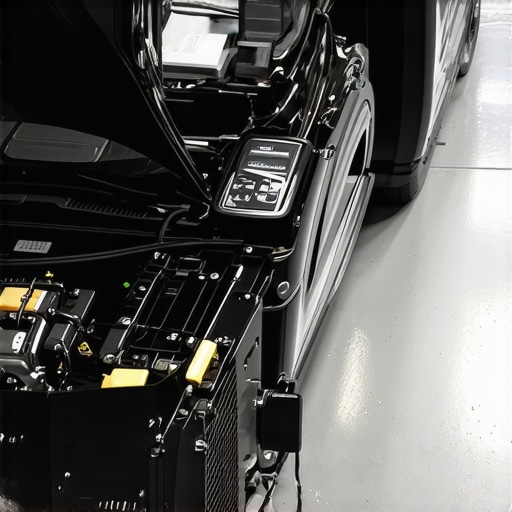
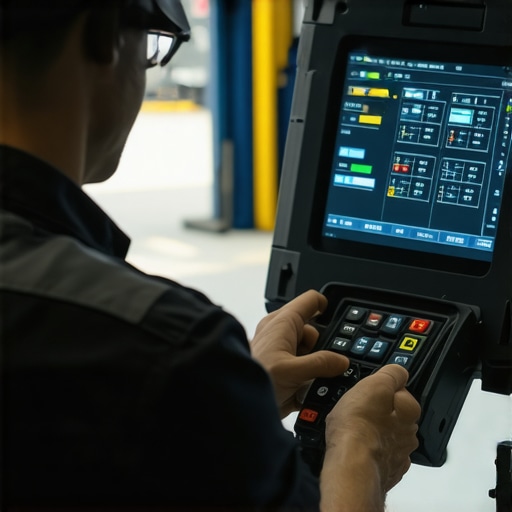
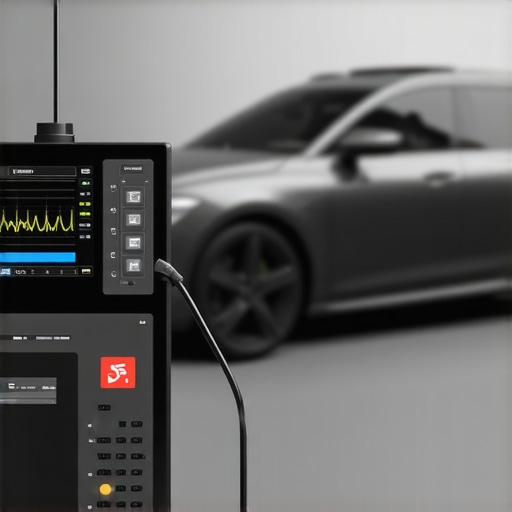
As vehicles integrate more complex electronic control units (ECUs) and sensor systems, traditional diagnostic methods often fall short. The rise of multi-modal sensor arrays requires technicians to deploy advanced diagnostic strategies—such as high-resolution scan tools that interpret data streams beyond conventional parameters. These tools optimize troubleshooting efficiency, reducing downtime and repair costs, especially in complex transmission issues.
Additionally, the integration of AI-driven diagnostic algorithms enables predictive maintenance, allowing mechanics to identify potential failures—like upcoming transmission faults—before symptoms manifest. This proactive approach not only enhances vehicle safety but also cements trust in auto repair services.
Revolutionizing Transmission Repair with Innovation
Transmission technology has transcended manual systems, embracing continuously variable transmissions (CVTs), dual-clutch systems, and hybrid configurations. Repair strategies now require specialized equipment and expert knowledge to navigate these innovations effectively. For instance, recent advances emphasize the importance of precise fluid analysis and sensor calibration, which directly influence transmission longevity and performance.
Strategic repair approaches involve meticulous diagnostics—such as assessing transmission fluid condition or conducting electronic system testing—offering faster resolutions and improved vehicle output. For high-performance applications, understanding the nuances of transmission behavior can be a game-changer in delivering reliable auto service, especially when integrated with vehicle diagnostics insights.
Why Are Diagnostic Accuracy and Transmission Efficiency Interdependent?
An often-overlooked aspect is the symbiotic relationship between accurate diagnostics and transmission health. Faulty sensors or inaccurate data interpretation can lead to partial repairs, recurring issues, and ultimately, increased costs. By refining diagnostic protocols—emphasizing both hardware and software calibration—mechanics can execute more effective repairs that stand the test of time. This approach underscores the importance of continuous education and adoption of new diagnostic standards within the industry.
How Can Professionals Contribute to the Advancement of Vehicle Diagnostics and Transmission Repairs?
Engagement in ongoing training, participation in industry forums, and contribution to research are vital. Sharing case studies highlighting successful diagnostics and repairs fosters a knowledge base that elevates the entire field. For example, referencing latest white papers from automotive research institutions sheds light on emerging trends, ensuring that technicians remain at the forefront of innovation.
For deeper insights into expert strategies and technological advancements, visit this resource on vehicle diagnostics and repair efficiency.
Uncover Hidden Transmission Issues Before They Become Costly
Many auto repair professionals underestimate the importance of early detection of transmission anomalies, often waiting until symptoms are overt, leading to costly repairs or replacements. Advanced diagnostic tools now enable technicians to identify subtle signs of impending failure, such as slight shifts in fluid viscosity or minor electronic anomalies, before they escalate. Implementing proactive diagnostic measures enhances vehicle reliability and customer satisfaction. For an in-depth understanding, explore strategies to accelerate transmission diagnostics.
The Precision of Sensor Calibration in Modern Transmission Repairs
With the integration of high-resolution sensors in contemporary transmissions, calibration quality directly influences repair success. Misaligned sensors or outdated calibration can cause misinterpretation of data streams, prompting unnecessary repairs or overlooked issues. Leveraging new calibration algorithms, combined with real-time data analysis, ensures data integrity, extending transmission lifespan and optimizing performance. As industry standards evolve, continuous education on calibration techniques becomes essential for techs aiming for precision in auto service.
Does the Future of Transmission Repair Depend on Artificial Intelligence?
The increasing complexity of transmission systems in 2026 raises a compelling question: Can AI-driven diagnostics and repair strategies replace or augment traditional methods? Recent studies suggest that AI-powered systems can analyze vast data sets rapidly, detecting patterns human technicians might miss, and suggesting tailored repairs with higher accuracy. This evolution pushes the industry toward a hybrid model—combining human expertise with AI intelligence—to deliver faster, more reliable auto repairs. For practical frameworks on integrating AI tools, visit this guide on boosting auto repair processes.
To stay ahead in transmission maintenance, consider adopting certification programs focused on emerging diagnostic technologies and innovations—ensuring your skills remain sharp and competitive. Engaging with peer communities often leads to shared insights and breakthrough techniques, which are crucial as systems become more sophisticated.
How Can Industry Collaboration Accelerate the Adoption of Next-Gen Diagnostic Technologies?
Collaborative efforts between repair shops, suppliers, and automotive manufacturers foster the development and dissemination of cutting-edge diagnostics. By actively participating in industry forums and testing new tools within real-world settings, technicians can influence product refinement and establish best practices. Such collaborations also foster a shared knowledge base—accelerating the industry’s overall capacity to handle increasingly complex transmission systems. For insights on fostering industry partnerships, see recommended strategies for enhancing repair speed through collaboration.
Integrating AI-Powered Diagnostics for Predictive Maintenance
As vehicles become increasingly reliant on sophisticated electronic control systems, the integration of artificial intelligence (AI) into diagnostic workflows transforms maintenance from reactive to proactive. AI algorithms analyze vast streams of sensor data, historic repair records, and real-time vehicle performance metrics, enabling technicians to anticipate issues—like impending transmission malfunctions—long before symptoms manifest. This predictive capability not only minimizes costly breakdowns but also elevates customer trust through demonstrable preemptive care.
How does machine learning refine fault detection in complex transmission systems?
Machine learning models trained on extensive datasets can identify subtle anomalies that escape traditional diagnostic tools. For instance, slight irregularities in gear engagement or fluid viscosity can be flagged as early indicators of wear. According to a comprehensive study published in the Journal of Automotive Technologies, integrating these models reduces diagnostic time by up to 40% and increases repair accuracy. Embracing such innovations demands not only technological upgrades but also a disciplined approach to data management and continuous learning.
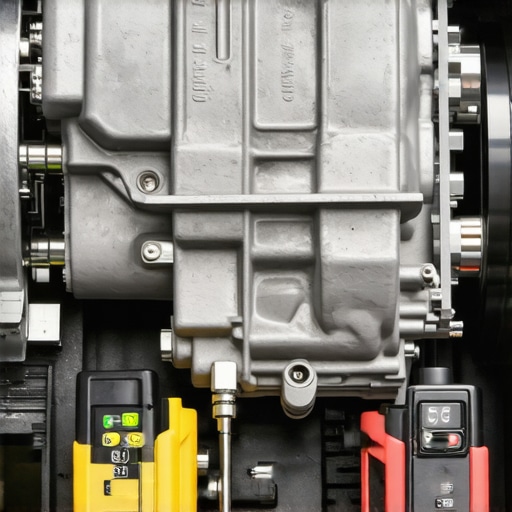
Mastering the Art of Transmission Fluid Dynamics in Performance Vehicles
Understanding the intricacies of transmission fluid behavior is vital when servicing high-performance, hybrid, or electric vehicles. Unlike traditional systems, these transmissions often utilize specialized fluids that exhibit unique thermal and shear properties. Expert technicians must evaluate fluid viscosity, contamination levels, and oxygenation status to ensure optimal operation, especially under extreme conditions.
Advanced diagnostic tools now include pulse-echo vibration analysis and spectroscopic fluid analysis—techniques borrowed from aerospace engineering—that provide detailed insights into fluid condition at micro-scale levels. Such precision ensures not only the longevity of transmission components but also preserves fuel efficiency and driving dynamics in high-stakes applications.
Why is fluid management the cornerstone of modern transmission longevity?
Effective fluid management directly influences the thermal regulation, lubrication, and friction characteristics within transmission systems. Neglecting these parameters can precipitate premature wear, increased heat generation, and eventual component failure. As Dr. Emily Carter of the Automotive Fluidics Research Institute emphasizes, “Precision in fluid analysis and calibration is paramount in extending the operational lifespan of next-generation transmissions.” This underscores the necessity for technicians to develop expertise in fluid chemistry and behavior alongside electronic diagnostics.
Interested in elevating your skill set? Participating in specialized training modules on transmission fluid dynamics not only boosts diagnostics accuracy but also positions your shop at the forefront of automotive innovation.
Bridging Industry Gaps with Collaborative Innovation
Achieving excellence in diagnostics and transmission repair requires a concerted effort beyond individual shops. Industry-wide collaboration can accelerate the development, validation, and dissemination of next-generation technologies. Initiatives such as joint research projects, open-source diagnostic software exchanges, and multi-organizational training programs cultivate a fertile environment for innovation.
By fostering partnerships among manufacturers, repair professionals, and academia, the auto service industry can better anticipate emerging challenges—such as new transmission architectures or hybrid system complexities—and develop standardized best practices. For example, the Automotive Technicians Collaborative exemplifies such efforts, promoting shared knowledge that benefits the entire vehicle repair ecosystem.
How can repair shops leverage external expertise to stay ahead?
Engaging with industry consortia, participating in seminars, and contributing to white paper research not only broadens a shop’s knowledge base but also influences the pace of technological adoption. Embracing a culture of continuous learning and technological curiosity can transform your workshop into a hub of innovation—ensuring that you’re prepared for the challenges next-generation transmission systems will present.
Revolutionizing Your Approach to Complex Transmission Challenges in the Modern Garage
As vehicle systems grow increasingly sophisticated, auto repair professionals must evolve alongside technological advancements. The integration of multi-modal sensors, AI analytics, and high-precision calibration techniques heralds a new era of diagnostic and repair excellence. Staying ahead requires not only familiarity with these tools but mastery in their strategic application to achieve prompt, accurate solutions for intricate transmission issues.
Unmask Hidden Faults Behind Subtle Signals in Transmission Systems
What Advanced Techniques Detect Transmission Anomalies Before They Impact Performance?
Innovative diagnostic methods such as real-time spectral analysis and vibration signature profiling enable technicians to decode minuscule deviations in transmission operation. These approaches reveal early-stage wear, contamination, or calibration drift—warnings often invisible to standard tests. Referencing insights from the Journal of Automotive Technologies, leveraging machine learning models trained on extensive datasets enhances fault prediction accuracy, ultimately reducing vehicle downtime and repair costs.
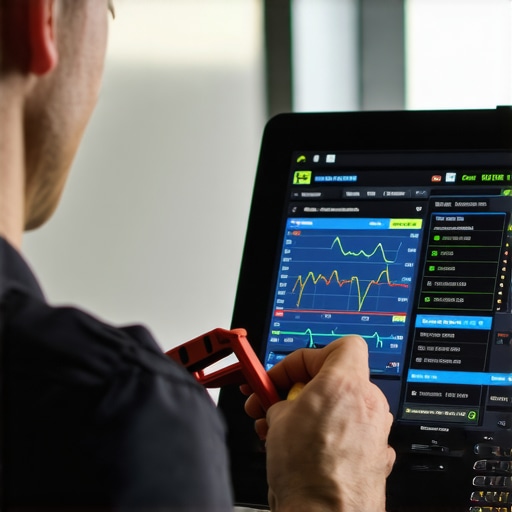
Harnessing Data-Driven Calibration to Prolong Transmission Life
Calibrating sensors and actuators with micro-level precision is vital in the age of hybrid and EV transmissions. The advent of adaptive calibration algorithms, powered by AI, allows technicians to adjust for component drift and wear dynamically. This process safeguards the delicate balance of fluid dynamics and electronic control, vital for high-performance vehicles and luxury models, ensuring seamless operation and extended component longevity.
How Artificial Intelligence Transforms Predictive Maintenance Paradigms
AI’s capacity to analyze massive streams of vehicle data translates into actionable insights that preempt transmission failures. By integrating predictive maintenance protocols, repair shops can transition from reactive troubleshooting to proactive servicing—saving time, money, and customer satisfaction. Studies indicate that AI-assisted diagnostics can improve failure detection rates by up to 50%, shaping smarter, data-centric auto repair practices.
Are Machine Learning Models Truly Ready to Replace Human Intuition in Transmission Diagnostics?
While AI enhances diagnostic precision, experts agree it functions best as an augmentative tool. Machine learning algorithms excel in pattern recognition within complex datasets—yet, they depend on quality input and interpretive oversight from seasoned technicians. According to the Automotive Technicians Collaborative, integrating AI requires balanced expertise: technical skill coupled with data literacy. This synergy unlocks new diagnostic depths, empowering mechanics to resolve issues efficiently and effectively.
Innovate Prevention Through Industry Collaboration and Knowledge Sharing
Progress in diagnostics and transmission repair hinges on active community engagement. Participating in cross-sector partnerships accelerates the development of standardized protocols and state-of-the-art tools. Sharing real-world case studies, contributing to open-source diagnostic software, and participating in joint research initiatives foster an environment where innovation thrives, directly benefiting repair accuracy and speed across the industry.
Elevate Your Expertise with Specialized Training in Next-Gen Diagnostics
To navigate the evolving landscape, technicians should pursue certifications focused on AI integration, sensor calibration, and spectral diagnostics. Regularly attending industry seminars and workshops ensures familiarity with emerging tools, positioning your shop as a leader in advanced auto diagnostics. Remember, mastery in these areas translates into faster diagnostics, improved customer trust, and a competitive edge in the marketplace.
What Role Will Future Technicians Play in Developing Next-Level Diagnostic Solutions?
Future experts will serve as both users and contributors to technological innovation. Their hands-on experience combined with feedback on emerging tools will guide OEM and third-party developers. Engaging in collaborative research and beta testing ensures that diagnostic and repair solutions evolve aligned with industry needs, ultimately leading to smarter, more reliable repairs that anticipate the vehicle’s needs before problems arise. For actionable strategies to develop these skills, explore resources such as Advanced Auto Tech Training.
}#}#}#}#}#}#}#}#}#}#}#}#}#}#}#}#}#}#}#}#}#}#}#}#}#}#}#}#}#}#}#}#}#}#}#}#}#}#}#}#}#}#}#}#}#}#}#}#}#}#}#}#}#}#}#}#}#}#}#}#}#}#}#}#}#}#}#}#}#}#}#}#}#}#}#}#}#}#}#}#}#}#}#}#}#}#}#}#}#}#}#}#}#}#}#}#}#}#}#}#}#}#}#}#}#}#}#}#}#}#}#}#}#}#}#}#}#}#}#}#}#}#}#}#}#}#}#}#}#}#}#}#}#}#}#}#}#}#}#}#}#}#}#}#}#}#}#}#}#}#}#}#}#}#}#}#}#}#}#}#}#}#}#}#}#}#}#}#}#}#}#}#}#}#}#}#}#}#}#}#}#}#}#}#}#}#}#}#}#}#}#}#}#}#}#}#}#}#}#}#}#}#}#}#}#}#}#}#}#}#}#}#}#}#}#}#}#}#}#}#}#}#}#}#}#}#}#}#}#}#}#}#}#}#}#}#}#}#}#}#}#}#}#}#}#}#}#}#}#}#}#}#}#}#}#}#}#}#}#}#}#}#}#}#}#}#}#}#}#}#}#}#}#}#}#}#}#}#}#}#}#}#}#}#}#}#}#}#}#}#}#}#}#}#}#}#}#}#}#}#}#}#}#}#}#}#}#}#}#}#}#}#}#}#}#}#}#}#}#}#}#}#}#}#}#}#}#}#}#}#}#}#}#}#}#}#}#}#}#}#}#}#}#}#}#}#}#}#}#}#}#}#}#}#}#}#}#}#}#}#}#}#}#}#}#}#}#}#}#}#}#}#}#}#}#}#}#}#}#}#}#}#}#}#}#}#}#}#}#}#}#}#}#}#}#}#}#}#}#}#}#}#}#}#}#}#}#}#}#}#}#}#}#}#}#}#}#}#}#}#}#}#}#}#}#}#}#}#}#}#}#}#}#}#}#}#}#}#}#}#}#}#}#}#}#}#}#}#}#}#}#}#}#}#}#}#}#}#}#}#}#}#}#}#}#}#}#}#}#}#}#}#}#}#}#}#}#}#}#}#}#}#}#}#}#}#}#}#}#}#}#}#}#}#}#}#}#}#}#}#}#}#}#}#}#}#}#}#}#}#}#}#}#}#}#}#}#}#}#}#}#}#}#}#}#}#}#}#}#}#}#}#}#}#}#}#}#}#}#}#}#}#}#}#}#}#}#}#}#}#}#}#}#}#}#}#}#}#}#}#}#}#}#}#}#}#}#}#}#}#}#}#}#}#}#}#}#}#}#}#}#}#}#}#}#}#}#}#}#}#}#}#}#}#}#}#}#}#}#}#}#}#}#}#}#}#}#}#}#}#}#}#}#}#}#}#}#}#}#}#}#}#}#}#}#}#}#}#}#}#}#}#}#}#}#}#}#}#}#}#}#}#}#}#}#}#}#}#}#}#}#}#}#}#}#}#}#}#}#}#}#}#}#}#}#}#}#}#}#}#}#}#}#}#}#}#}#}#}#}#}#}#}#}#}#}#}#}#}#}#}#}#}#}#}#}#}#}#}#}#}#}#}#}#}#}#}#}#}#}#}#}#}#}#}#}#}#}#}#}#}#}#}#}#}#}#}#}#}#}#}#}#}#}#}#}#}#}#}#}#}#}#}#}#}#}#}#}#}#}#}#}#}#}#}#}#}#}#}#}#}#}#}#}#}#}#}#}#}#}#}#}#}#}#}#}#}#}#}#}#}#}#}#}#}#}#}#}#}#}#}#}#}#}#}#}#}#}#}#}#}#}#}#}#}#}#}#}#}#}#}#}#}#}#}#}#}#}#}#}#}#}#}#}#}#}#}#}#}#}#}#}#}#}#}#}#}#}#}#}#}#}#}#}#}#}#}#}#}#}#}#}#}#}#}#}#}#}#}#}#}#}#}#}#}#}#}#}#}#}#}#}#}#}#}#}#}#}#}#}#}#}#}#}#}#}#}#}#}#}#}#}#}#}#}#}#}#}#}#}#}#}#}#}#}#}#}#}#}#}#}#}#}#}#}#}#}#}#}#}#}#}#}#}#}#}#}#}#}#}#}#}#}#}#}#}#}#}#}#}#}#}#}#}#}#}#}#}#}#}#}#}#}#}#}#}#}#}#}#}#}#}#}#}#}#}#}#}#}#}#}#}#}#}#}#}#}#}#}#}#}#}#}#}#}#}#}#}#}#}#}#}#}#}#}#}#}#}#}#}#}#}#}#}#}#}#}#}#}#}#}#}#}#}#}#}#}#}#}#}#}#}#}#}#}#}#}#}#}#}#}#}#}#}#}#}#}#}#}#}#}#}#}#}#}#}#}#}#}#}#}#}#}#}#}#}#}#}#}#}#}#}#}#}#}#}#}#}#}#}#}#}#}#}#}#}#}#}#}#}#}#}#}#}#}#}#}#}#}#}#}#}#}#}#}#}#}#}#}#}#}#}#}#}#}#}#}#}#}#}#}#}#}#}#}#}#}#}#}#}#}#}#}#}#}#}#}#}#}#}#}#}#}#}#}#}#}#}#}#}#}#}#}#}#}#}#}#}#}#}#}#}#}#}#}#}#}#}#}#}#}#}#}#}#}#}#}#}#}#}#}#}#}#}#}#}#}#}#}#}#}#}#}#}#}#}#}#}#}#}#}#}#}#}#}#}#}#}#}#}#}#}#}#}#}#}#}#}#}#}#}#}#}#}#}#}#}#}#}#}#}#}#}#}#}#}#}#}#}#}#}#}#}#}#}#}#}#}#}#}#}#}#}#}#}#}#}#}#}#}#}#}#}#}#}#}#}#}#}#}#}#}#}#}#}#}#}#}#}#}#}#}#}#}#}#}#}#}#}#}#}#}#}#}#}#}#}#}#}#}#}#}#}#}#}#}#}#}#}#}#}#}#}#}#}#}#}#}#}#}#}#}#}#}#}#}#}#}#}#}#}#}#}#}#}#}#}#}#}#}#}#}#}#}#}#}#}#}#}#}#}#}#}#}#}#}#}#}#}#}#}#}#}#}#}#}#}#}#}#}#}#}#}#}#}#}#}#}#}#}#}#}#}#}#}#}#}#}#}#}#}#}#}#}#}#}#}#}#}#}#}#}#}#}#}#}#}#}#}#}#}#}#}#}#}#}#}#}#}#}#}#}#}#}#}#}#}#}#}#}#}#}#}#}#}#}#}#}#}#}#}#}#}#}#}#}#}#}#}#}#}#}#}#}#}#}#}#}#}#}#}#}#}#}#}#}#}#}#}#}#}#}#}#}#}#}#}#}#}#}#}#}#}#}#}#}#}#}#}#}#}#}#}#}#}#}#}#}#}#}#}#}#}#}#}#}#}#}#}#}#}#}#}#}#}#}#}#}#}#}#}#}#}#}#}#}#}#}#}#}#}#}#}#}#}#}#}#}#}#}#}#}#}#}#}#}#}#}#}#}#}#}#}#}#}#}#}#}#}#}#}#}#}#}#}#}#}#}#}#}#}#}#}#}#}#}#}#}#}#}#}#}#}#}#}#}#}#}#}#}#}#}#}#}#}#}#}#}#}#}#}#}#}#}#}#}#}#}#}#}#}#}#}#}#}#}#}#}#}#}#}#}#}#}#}#}#}#}#}#}#}#}#}#}#}#}#}#}#}#}#}#}#}#}#}#}#}#}#}#}#}#}#}#}#}#}#}#}#}#}#}#}#}#}#}#}#}#}#}#}#}#}#}#}#}#}#}#}#}#}#}#}#}#}#}#}#}#}#}#}#}#}#}#}#}#}#}#}#}#}#}#}#}#}#}#}#}#}#}#}#}#}#}#}#}#}#}#}#}#}#}#}#}#}#}#}#}#}#}#}#}#}#}#}#}#}#}#}#}#}#}#}#}#}#}#}#}#}#}#}#}#}#}#}#}#}#}#}#}#}#}#}#}#}#}#}#}#}#}#}#}#}#}#}#}#}#}#}#}#}#}#}#}#}#}#}#}#}#}#}#}#}#}#}#}#}#}#}#}#}#}#}#}#}#}#}#}#}#}#}#}#}#}#}#}#}#}#}#}#}#}#}#}#}#}#}#}#}#}#}#}#}#}#}#}#}#}#}#}#}#}#}#}#}#}#}#}#}#}#}#}#}#}#}#}#}#}#}#}#}#}#}#}#}#}#}#}#}#}#}#}#}#}#}#}#}#}#}#}#}#}#}#}#}#}#}#}#}#}#}#}#}#}#}#}#}#}#}#}#}#}#}#}#}#}#}#}#}#}#}#}#}#}#}#}#}#}#}#}#}#}#}#}#}#}#}#}#}#}#}#}#}#}#}#}#}#}#}#}#}#}#}#}#}#}#}#}#}#}#}#}#}#}#}#}#}#}#}#}#}#}#}#}#}#}#}#}#}#}#}#}#}#}#}#}#}#}#}#}#}#}#}#}#}#}#}#}#}#}#}#}#}#}#}#}#}#}#}#}#}#}#}#}#}#}#}#}#}#}#}#}#}#}#}#}#}#}#}#}#}#}#}#}#}#}#}#}#}#}#}#}#}#}#}#}#}#}#}#}#}#}#}#}#}#}#}#}#}#}#}#}#}#}#}#}#}#}#}#}#}#}#}#}#}#}#}#}#}#}#}#}#}#}#}#}#}#}#}#}#}#}#}#}#}#}#}#}#}#}#}#}#}#}#}#}#}#}#}#}#}#}#}#}#}#}#}#}#}#}#}#}#}#}#}#}#}#}#}#}#}#}#}#}#}#}#}#}#}#}#}#}#}#}#}#}#}#}#}#}#}#}#}#}#}#}#}#}#}#}#}#}#}#}#}#}#}#}#}#}#}#}#}#}#}#}#}#}#}#}#}#}#}#}#}#}#}#}#}#}#}#}#}#}#}#}#}#}#}#}#}#}#}#}#}#}#}#}#}#}#}#}#}#}#}#}#}#}#}#}#}#}#}#}#}#}#}#}#}#}#}#}#}#}#}#}#}#}#}#}#}#}#}#}#}#}#}#}#}#}#}#}#}#}#}#}#}#}#}#}#}#}#}#}#}#}#}#}#}#}#}#}#}#}#}#}#}#}#}#}#}#}#}#}#}#}#}#}#}#}#}#}#}#}#}#}#}#}#}#}#}#}#}#}#}#}#}#}#}#}#}#}#}#}#}#}#}#}#}#}#}#}#}#}#}#}#}#}#}#}#}#}#}#}#}#}#}#}#}#}#}#}#}#}#}#}#}#}#}#}#}#}#}#}#}#}#}#}#}#}#}#}#}#}#}#}#}#}#}#}#}#}#}#}#}#}#}#}#}#}#}#}#}#}#}#}#}#}#}#}#}#}#}#}#}#}#}#}#}#}#}#}#}#}#}#}#}#}#}#}#}#}#}#}#}#}#}#}#}#}#}#}#}#}#}#}#}#}#}#}#}#}#}#}#}#}#}#}#}#}#}#}#}#}#}#}#}#}#}#}#}#}#}#}#}#}#}#}#}#}#}#}#}#}#}#}#}#}#}#}#}#}#}#}#}#}#}#}#}#}#}#}#}#}#}#}#}#}#}#}#}#}#}#}#}#}#}#}#}#}#}#}#}#}#}#}#}#}#}#}#}#}#}#}#}#}#}#}#}#}#}#}#}#}#}#}#}#}#}#}#}#}#}#}#}#}#}#}#}#}#}#}#}#}#}#}#}#}#}#}#}#}#}#}#}#}#}#}#}#}#}#}#}#}#}#}#}#}#}#}#}#}#}#}#}#}#}#}#}#}#}#}#}#}#}#}#}#}#}#}#}#}#}#}#}#}#}#}#}#}#}#}#}#}#}#}#}#}#}#}#}#}#}#}#}#}#}#}#}#}#}#}#}#}#}#}#}#}#}#}#}#}#}#}#}#}#}#}#}#}#}#}#}#}#}#}#}#}#}#}#}#}#}#}#}#}#}#}#}#}#}#}#}#}#}#}#}#}#}#}#}#}#}#}#}#}#}#}#}#}#}#}#}#}#}#}#}#}#}#}#}#}#}#}#}#}#}#}#}#}#}#}#}#}#}#}#}#}#}#}#}#}#}#}#}#}#}#}#}#}#}#}#}#}#}#}#}#}#}#}#}#}#}#}#}#}#}#}#}#}#}#}#}#}#}#}#}#}#}#}#}#}#}#}#}#}#}#}#}#}#}#}#}#}#}#}#}#}#}#}#}#}#}#}#}#}#}#}#}#}#}#}#}#}#}#}#}#}#}#}#}#}#}#}#}#}#}#}#}#}#}#}#}#}#}#}#}#}#}#}#}#}#}#}#}#}#}#}#}#}#}#}#}#}#}#}#}#}#}#}#}#}#}#}#}#}#}#}#}#}#}#}#}#}#}#}#}#}#}#}#}#}#}#}#}#}#}#}#}#}#}#}#}#}#}#}#}#}#}#}#}#}#}#}#}#}#}#}#}#}#}#}#}#}#}#}#}#}#}#}#}#}#}#}#}#}#}#}#}#}#}#}#}#}#}#}#}#}#}#}#}#}#}#}#}#}#}#}#}#}#}#}#}#}#}#}#}#}#}#}#}#}#}#}#}#}#}#}#}#}#}#}#}#}#}#}#}#}#}#}#}#}#}#}#}#}#}#}#}#}#}#}#}#}#}#}#}#}#}#}#}#}#}#}#}#}#}#}#}#}#}#}#}#}#}#}#}#}#}#}#}#}#}#}#}#}#}#}#}#}#}#}#}#}#}#}#}#}#}#}#}#}#}#}#}#}#}#}#}#}#}#}#}#}#}#}#}#}#}#}#}#}#}#}#}#}#}#}#}#}#}#}#}#}#}#}#}#}#}#}#}#}#}#}#}#}#}#}#}#}#}#}#}#}#}#}#}#}#}#}#}#}#}#}#}#}#}#}#}#}#}#}#}#}#}#}#}#}#}#}#}#}#}#}#}#}#}#}#}#}#}#}#}#}#}#}#}#}#}#}#}#}#}#}#}#}#}#}#}#}#}#}#}#}#}#}#}#}#}#}#}#}#}#}#}#}#}#}#}#}#}#}#}#}#}#}#}#}#}#}#}#}#}#}#}#}#}#}#}#}#}#}#}#}#}#}#}#}#}#}#}#}#}#}#}#}#}#}#}#}#}#}#}#}#}#}#}#}#}#}#}#}#}#}#}#}#}#}#}#}#}#}#}#}#}#}#}#}#}#}#}#}#}#}#}#}#}#}#}#}#}#}#}#}#}#}#}#}#}#}#}#}#}#}#}#}#}#}#}#}#}#}#}#}#}#}#}#}#}#}#}#}#}#}#}#}#}#}#}#}#}#}#}#}#}#}#}#}#}#}#}#}#}#}#}#}#}#}#}#}#}#}#}#}#}#}#}#}#}#}#}#}#}#}#}#}#}#}#}#}#}#}#}#}#}#}#}#}#}#}#}#}#}#}#}#}#}#}#}#}#}#}#}#}#}#}#}#}#}#}#}#}#}#}#}#}#}#}#}#}#}#}#}#}#}#}#}#}#}#}#}#}#}#}#}#}#}#}#}#}#}#}#}#}#}#}#}#}#}#}#}#}#}#}#}#}#}#}#}#}#}#}#}#}#}#}#}#}#}#}#}#}#}#}#}#}#}#}#}#}#}#}#}#}#}#}#}#}#}#}#}#}#}#}#}#}#}#}#}#}#}#}#}#}#}#}#}#}#}#}#}#}#}#}#}#}#}#}#}#}#}#}#}#}#}#}#}#}#}#}#}#}#}#}#}#}#}#}#}#}#}#}#}#}#}#}#}#}#}#}#}#}#}#}#}#}#}#}#}#}#}#}#}#}#}#}#}#}#}#}#}#}#}#}#}#}#}#}#}#}#}#}#}#}#}#}#}#}#}#}#}#}#}#}#}#}#}#}#}#}#}#}#}#}#}#}#}#}#}#}#}#}#}#}#}#}#}#}#}#}#}#}#}#}#}#}#}#}#}#}#}#}#}#}#}#}#}#}#}#}#}#}#}#}#}#}#}#}#}#}#}#}#}#}#}#}#}#}#}#}#}#}#}#}#}#}#}#}#}#}#}#}#}#}#}#}#}#}#}#}#}#}#}#}#}#}#}#}#}#}#}#}#}#}#}#}#}#}#}#}#}#}#}#}#}#}#}#}#}#}#}#}#}#}#}#}#}#}#}#}#}#}#}#}#}#}#}#}#}#}#}#}#}#}#}#}#}#}#}#}#}#}#}#}#}#}#}#}#}#}#}#}#}#}#}#}#}#}#}#}#}#}#}#}#}#}#}#}#}#}#}#}#}#}#}#}#}#}#}#}#}#}#}#}#}#}#}#}#}#}#}#}#}#}#}#}#}#}#}#}#}#}#}#}#}#}#}#}#}#}#}#}#}#}#}#}#}#}#}#}#}#}#}#}#}#}#}#}#}#}#}#}#}#}#}#}#}#}#}#}#}#}#}#}#}#}#}#}#}#}#}#}#}#}#}#}#}#}#}#}#}#}#}#}#}#}#}#}#}#}#}#}#}#}#}#}#}#}#}#}#}#}#}#}#}#}#}#}#}#}#}#}#}#}#}#}#}#}#}#}#}#}#}#}#}#}#}#}#}#}#}#}#}#}#}#}#}#}#}#}#}#}#}#}#}#}#}#}#}#}#}#}#}#}#}#}#}#}#}#}#}#}#}#}#}#}#}#}#}#}#}#}#}#}#}#}#}#}#}#}#}#}#}#}#}#}#}#}#}#}#}#}#}#}#}#}#}#}#}#}#}#}#}#}#}#}#}#}#}#}#}#}#}#}#}#}#}#}#}#}#}#}#}#}#}#}#}#}#}#}#}#}#}#}#}#}#}#}#}#}#}#}#}#}#}#}#}#}#}#}#}#}#}#}#}#}#}#}#}#}#}#}#}#}#}#}#}#}#}#}#}#}#}#}#}#}#}#}#}#}#}#}#}#}#}#}#}#}#}#}#}#}#}#}#}#}#}#}#}#}#}#}#}#}#}#}#}#}#}#}#}#}#}#}#}#}#}#}#}#}#}#}#}#}#}#}#}#}#}#}#}#}#}#}#}#}#}#}#}#}#}#}#}#}#}#}#}#}#}#}#}#}#}#}#}#}#}#}#}#}#}#}#}#}#}#}#}#}#}#}#}#}#}#}#}#}#}#}#}#}#}#}#}#}#}#}#}#}#}#}#}#}#}#}#}#}#}#}#}#}#}#}#}#}#}#}#}#}#}#}#}#}#}#}#}#}#}#}#}#}#}#}#}#}#}#}#}#}#}#}#}#}#}#}#}#}#}#}#}#}#}#}#}#}#}#}#}#}#}#}#}#}#}#}#}#}#}#}#}#}#}#}#}#}#}#}#}#}#}#}#}#}#}#}#}#}#}#}#}#}#}#}#}#}#}#}#}#}#}#}#}#}#}#}#}#}#}#}#}#}#}#}#}#}#}#}#}#}#}#}#}#}#}#}#}#}#}#}#}#}#}#}#}#}#}#}#}#}#}#}#}#}#}#}#}#}#}#}#}#}#}#}#}#}#}#}#}#}#}#}#}#}#}#}#}#}#}#}#}#}#}#}#}#}#}#}#}#}#}#}#}#}#}#}#}#}#}#}#}#}#}#}#}#}#}#}#}#}#}#}#}#}#}#}#}#}#}#}#}#}#}#}#}#}#}#}#}#}#}#}#}#}#}#}#}#}#}#}#}#}#}#}#}#}#}#}#}#}#}#}#}#}#}#}#}#}#}#}#}#}#}#}#}#}#}#}#}#}#}#}#}#}#}#}#}#}#}#}#}#}#}#}#}#}#}#}#}#}#}#}#}#}#}#}#}#}#}#}#}#}#}#}#}#}#}#}#}#}#}#}#}#}#}#}#}#}#}#}#}#}#}#}#}#}#}#}#}#}#}#}#}#}#}#}#}#}#}#}#}#}#}#}#}#}#}#}#}#}#}#}#}#}#}#}#}#}#}#}#}#}#}#}#}#}#}#}#}#}#}#}#}#}#}#}#}#}#}#}#}#}#}#}#}#}#}#}#}#}#}#}#}#}#}#}#}#}#}#}#}#}#}#}#}#}#}#}#}#}#}#}#}#}#}#}#}#}#}#}#}#}#}#}#}#}#}#}#}#}#}#}#}#}#}#}#}#}#}#}#}#}#}#}#}#}#}#}#}#}#}#}#}#}#}#}#}#}#}#}#}#}#}#}#}#}#}#}#}#}#}#}#}#}#}#}#}#}#}#}#}#}#}#}#}#}#}#}#}#}#}#}#}#}#}#}#}#}#}#}#}#}#}#}#}#}#}#}#}#}#}#}#}#}#}#}#}#}#}#}#}#}#}#}#}#}#}#}#}#}#}#}#}#}#}#}#}#}#}#}#}#}#}#}#}#}#}#}#}#}#}#}#}#}#}#}#}#}#}#}#}#}#}#}#}#}#}#}#}#}#}#}#}#}#}#}#}#}#}#}#}#}#}#}#}#}#}#}#}#}#}#}#}#}#}#}#}#}#}#}#}#}#}#}#}#}#}#}#}#}#}#}#}#}#}#}#}#}#}#}#}#}#}#}#}#}#}#}#}#}#}#}#}#}#}#}#}#}#}#}#}#}#}#}#}#}#}#}#}#}#}#}#}#}#}#}#}#}#}#}#}#}#}#}#}#}#}#}#}#}#}
Engage with the forefront of automotive diagnostics and transmission repair by integrating these advanced strategies into your practice. Your expertise can shape the future of vehicle maintenance—stay informed, stay innovative.
Expert Insights & Advanced Considerations
Prioritize Diagnostic Protocols for Complex Systems
Embracing data-driven diagnostics ensures accurate fault detection in today’s sophisticated transmissions. A focus on sensor calibration, real-time analysis, and predictive algorithms reduces guesswork and enhances repair reliability.
Leverage AI for Proactive Maintenance
Integrating artificial intelligence into diagnostic workflows allows technicians to identify potential failures early, thereby preventing costly breakdowns and building customer trust through preemptive solutions.
Specialize in Hybrid and EV Transmission Nuances
Understanding the unique properties of hybrid and electric vehicle transmissions—such as specialized fluids and advanced electronic controls—is vital for delivering effective repairs in the evolving automotive landscape.
Harness Industry Collaboration for Innovation
Participating in partnerships with manufacturers, research institutions, and fellow technicians accelerates technological adoption and streamlines diagnostic standardization, benefiting both practitioners and vehicle owners.
Focus on Precision in Sensor Calibration
High-resolution, adaptive calibration techniques ensure data accuracy, which is fundamental in maintaining transmission health and achieving optimal vehicle performance amidst increasing system complexity.
Curated Expert Resources
- Automotive Diagnostics Journal — Offers cutting-edge research on AI integration and sensor calibration techniques, helping technicians stay at the forefront of innovation.
- Industry Collaboration Platforms — Facilitate knowledge sharing and product development through networks like the Automotive Technicians Collaborative, promoting best practices across shops.
- Manufacturer Workshops and Certification Programs — Provide specialized training on new transmission architectures and diagnostic tools, essential for skill advancement in 2026.
Final Reflection on the Evolution of Vehicle Diagnostics
The landscape of auto repair continues to shift rapidly, making mastery over advanced diagnostics and transmission technologies more critical than ever. Integrating AI, emphasizing precision calibration, and fostering industry collaboration unlock new levels of reliability and efficiency. For professionals eager to lead in this field, embracing continuous learning and leveraging authoritative resources is paramount. Your proactive engagement not only elevates your expertise but also shapes the future standards of automotive maintenance—an investment that pays dividends in trust and performance.