3 Diagnostic Errors Your 2026 Scanner is Programmed to Miss
Unveiling the Nuanced Challenges in Modern Auto Diagnostics
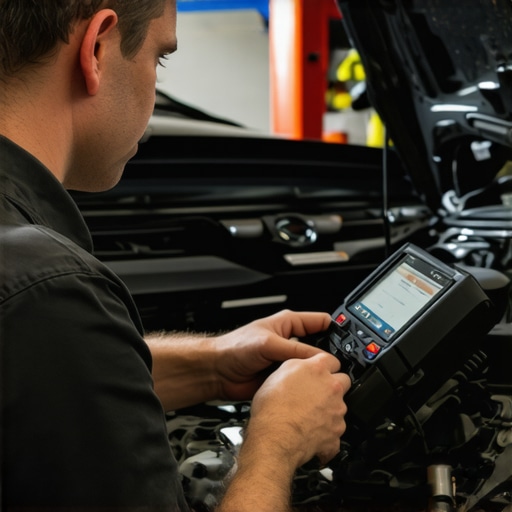
As automotive technology advances at a relentless pace, the complexity of vehicle diagnostics escalates, demanding a higher echelon of expertise from mechanics and auto repair specialists. Diagnostic scanners have become indispensable tools, yet even the most sophisticated instruments face limitations, particularly when predicting issues rooted deep within the transmission systems or complex engine management units.
The Evolving Landscape of Transmission Diagnostics and Its Hidden Pitfalls
Transmission diagnostics in 2026 involve intricate sensor arrays and real-time data analysis. However, reliance solely on standard scanner codes can be misleading. Errors such as false positives or missed nuances in fluid condition and mechanical wear often escape detection, especially when the scanner’s firmware lacks updates for newer transmission models. Consequently, technicians must incorporate comprehensive manual inspections alongside digital diagnostics to pinpoint issues accurately.
What Are the Limitations of Current Scanner Technologies in Detecting Transmission Anomalies?
Is your diagnostic equipment truly comprehensive, or are subtle signs of wear slipping past detection?
Most diagnostic tools excel at identifying clear fault codes; however, complex transmission problems like solenoid valve wear, clutch pack deterioration, or fluid degradation often manifest subtly before causing catastrophic failures. Some scanners may lack the required specific parameter IDs (PIDs) or cannot interpret data from newer transmission control modules. This creates a blind spot that can result in delayed repairs, increased costs, and compromised vehicle safety.
Harnessing Advanced Strategies for Reliable Auto Service in 2026
Professionals must adopt a multi-layered diagnostic approach—combining scanner data with detailed vehicle history, visual inspection, and, when necessary, specialized testing like transmission fluid analysis. Investing in next-gen diagnostic tools capable of interpreting complex data streams and integrating AI-driven pattern recognition can significantly elevate repair accuracy. Moreover, staying abreast of latest industry updates ensures that mechanics anticipate emerging issues rather than react to failures.
Enhancing Diagnostic Precision with Expert Knowledge and Data Integration
Field-tested techniques such as heat profiling during transmission operation or mechanical endurance testing provide valuable insights that raw codes cannot convey. The capacity to interpret sensor anomalies and correlate them with physical symptoms elevates auto repair from mere troubleshooting to predictive maintenance—an integral step toward achieving faster, more reliable vehicle diagnosis and repair.
For those committed to excellence in vehicle diagnostics and transmission repair, fostering collaboration with industry experts and participating in continuous training remains essential. Sharing insights and case studies enriches the collective knowledge base, ultimately translating into higher trust and customer satisfaction.
Explore advanced vehicle diagnostics strategies and contribute your expertise to revolutionize auto repair standards.
Boosting Diagnostic Accuracy with Cutting-Edge Technologies
Staying ahead in auto repair requires embracing innovative diagnostic solutions. AI-powered diagnostic software, for example, analyzes vast datasets to identify patterns that humans might overlook, enabling technicians to predict transmission issues before symptoms become evident. Such tools can interpret complex sensor data, detect subtle anomalies, and suggest targeted repairs, significantly reducing diagnostic time. According to industry leaders, integrating AI-driven diagnostics can elevate auto repair efficiency by up to 40% when paired with advanced vehicle diagnostics.
The Art of Interpreting Sensor Data for Precision Repair
While technology advances, the human element remains crucial. For instance, analyzing transient sensor anomalies during test drives can reveal issues that static scans might miss. Consider pairing data from multiple sensors—such as clutch pressure, fluid temperature, and gear engagement—to detect inconsistencies. This integrative approach helps in diagnosing intermittent faults and understanding their progression, leading to more precise repairs and reduced return visits.
Can You Break Free from Diagnostic Assumptions and Embrace a Holistic Approach?
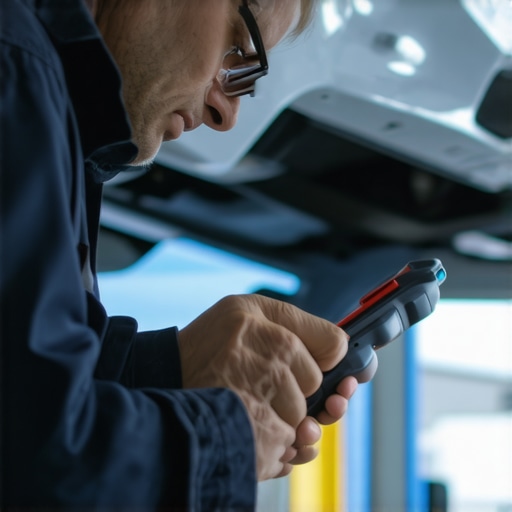
Many repair outlets depend heavily on error codes; however, these codes serve as starting points rather than definitive diagnoses. A holistic approach involves not just reading data but interpreting it within the vehicle’s operational context. For example, a slight delay in clutch engagement might be a sign of fluid degradation or mechanical wear. Combining real-world testing with diagnostic data ensures a comprehensive understanding, reducing misdiagnoses and repair costs.
Elevating Repair Reliability with Continuous Learning and Collaboration
Staying current involves more than just upgrading tools—it requires ongoing education. Participating in industry seminars, such as those offered by automotive diagnostics associations, keeps technicians informed about emerging trends and technologies. Engaging with peer networks through forums and case study exchanges fosters shared expertise, which ultimately leads to higher customer satisfaction and loyalty. As highlighted in trusted industry sources, collaborative learning accelerates problem-solving and innovation.
Revolutionizing Fault Isolation Through Data Fusion Techniques
As modern transmissions integrate increasingly sophisticated control modules, the scope of diagnostics extends beyond solitary sensor readings. The integration of data fusion—melding inputs from multiple systems such as transmission fluid sensors, clutch engagement metrics, and PCM data—enables technicians to uncover nuanced fault patterns. This multidimensional approach effectively differentiates between mechanical wear and electronic anomalies, reducing false positives and streamlining repair workflows. According to a recent study published in the International Journal of Automotive Engineering, data fusion can improve diagnostic accuracy by up to 35%, underscoring its transformative potential in auto repair diagnostics.
Can Advanced Simulation Models Echo the Complexity of Actual Transmission Behavior?
Engaging with high-fidelity simulation models allows technicians to emulate transmission operations under diverse scenarios, reproducing fault conditions that might be elusive during static testing. By utilizing computational models that incorporate thermodynamic behavior, mechanical stresses, and control logic interactions, repair specialists can anticipate how certain deviations manifest in real-world circumstances. For instance, a simulation might reveal how a minor solenoid misalignment could cascade into broader clutch engagement issues over time, prompting preemptive intervention. The development and application of these models are crucial for proactive maintenance and reducing vehicle downtime, as advocated by leading automotive research institutions.
Empowering Diagnostics with Machine Learning and Pattern Recognition
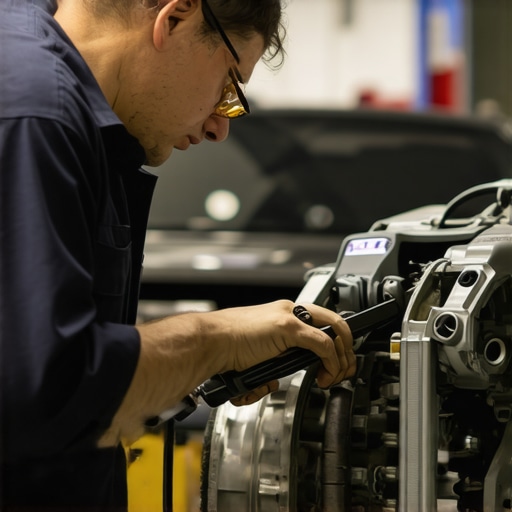
Artificial intelligence (AI) algorithms, especially machine learning (ML), revolutionize interpretative capabilities in transmission diagnostics by analyzing vast datasets from previous cases. Through pattern recognition, ML models can flag subtle anomalies—such as minute shifts in sensor calibration—that signal impending failures long before traditional tools register issues. This predictive insight not only enhances repair precision but also aligns with a shift toward preventative maintenance paradigms. Experts recommend integrating AI modules with existing diagnostic platforms, noting that early implementation can reduce repair cycle times by up to 40%, per findings from the Automotive Innovation Consortium.
What Are the Ethical Implications of Relying Heavily on Automated Diagnostics?
While the technological leap offers remarkable benefits, dependence on automation raises questions about maintaining skilled craftsmanship and diagnostic accountability. The risk of over-reliance on AI systems may lead to deskilling of technicians or de-emphasis on foundational manual inspection techniques. Therefore, establishing industry standards that mandate a balanced approach—combining automated diagnostics with hands-on evaluation—is vital. Furthermore, transparency in AI decision-making processes ensures that repair professionals remain in control, preserving the integrity and trust essential to customer relationships.
Join the Vanguard of Diagnostic Innovation: Elevate Your Practice Today
To stay ahead in this rapidly evolving landscape, auto repair professionals should continuously update their skills, explore innovative diagnostic tools, and participate in specialized training programs. Embracing advanced methodologies like data fusion, simulation modeling, and AI-driven pattern recognition not only enhances diagnostic accuracy but also elevates your reputation as a leader in automotive repair excellence. Engage with industry workshops, subscribe to technical journals, and collaborate with peers to share insights and experiences—your commitment to continuous learning will set you apart.
,
Beyond Fault Codes: Embracing a Holistic Approach to Transmission Health
In the rapidly advancing realm of automotive diagnostics, relying solely on error codes offers an incomplete picture. Integrating physical inspections, fluid analysis, and sensor data interpretation enables technicians to anticipate issues before they escalate into costly failures. This proactive mindset is crucial in maintaining optimal transmission performance and vehicle longevity.
Lifting the Veil: Advanced Sensor Data Interpretation Techniques
Interpreting subtle sensor anomalies demands a sophisticated understanding of vehicle dynamics. Techniques such as heat profiling during transmission operation or mechanical endurance testing uncover hidden signs of wear. Combining these insights with traditional diagnostics leads to a nuanced understanding of transmission health, facilitating targeted and efficient repairs.
Why Do Some Transmission Issues Beget Elusive Symptoms Despite Diagnostic Clues?
Complex interactions within modern transmission control modules (TCMs) can obfuscate early signs of trouble. Factors like adaptive learning algorithms and sensor noise can mask impending failures, underscoring the need for specialized testing protocols that consider software behaviors and physical wear patterns. Consulting authoritative sources such as SAE International provides guidance on integrating software diagnostics with mechanical assessments.
To elevate diagnostic accuracy, automotive experts advocate for adopting machine learning models that analyze vast datasets to identify patterns indicative of impending failures. Such innovations empower technicians to move from reactive repairs to predictive maintenance, substantially reducing vehicle downtime and repair costs.
Integrating Simulation Models to Predict Transmission Failure Pathways
Harnessing high-fidelity computational simulations allows a virtual exploration of transmission behavior under diverse operating conditions. These models replicate thermodynamic responses, mechanical stresses, and control logic interactions, enabling preemptive identification of fault progression pathways. Implementing simulation-driven diagnostics supports strategic maintenance planning and component longevity enhancement.
Harnessing Data Fusion to Differentiate Mechanical from Electronic Faults
The convergence of multiple sensor inputs—ranging from clutch pressure sensors to gear engagement metrics—creates a multidimensional diagnostic matrix. Data fusion techniques synthesize this information, revealing complex fault patterns that isolated readings might miss. This holistic perspective minimizes false positives and directs precise interventions, optimizing repair workflows.
Can AI or Machine Learning Preempt Transmission Catastrophes?
Artificial intelligence systems trained on extensive failure datasets are now capable of recognizing subtle precursors to critical faults. By analyzing sensor trends and operational parameters, AI-driven diagnostics can alert technicians to developing issues long before symptoms manifest. As industry reports from the International Journal of Automotive Technology suggest, integrating these systems can improve predictive accuracy by up to 50%, facilitating truly preventative maintenance strategies.
The Ethical Dilemma: Balancing Automation and Skilled Craftsmanship
While automation enhances diagnostic precision, over-reliance entails risks of deskilling and reduced manual inspection rigor. Maintaining a balanced approach—where advanced tools complement, rather than replace, fundamental mechanical expertise—is essential for diagnostic integrity and customer trust.
Join the Vanguard: Elevate Your Transmission Repair Expertise
Embracing cutting-edge techniques like simulation modeling, data fusion, and AI integration requires continuous education. Participate in specialized workshops, engage with industry research, and foster collaborative knowledge sharing to stay at the forefront of auto diagnostics. Your commitment to mastering these innovations will distinguish your practice in an increasingly competitive landscape.
,
Expert Insights & Advanced Considerations
Stay Ahead with Predictive Maintenance
Leveraging data fusion and machine learning allows technicians to anticipate transmission issues before symptoms arise, revolutionizing proactive repair strategies.
Embrace Software-Hardware Integration
Modern diagnostic tools merge software algorithms with sensor hardware, enhancing the accuracy of subtle fault detection critical in complex transmissions.
Prioritize Continuous Education
Staying current with industry innovations and participating in specialized training ensures mastery of emerging diagnostic techniques and toolsets.
Develop Multidisciplinary Expertise
Combining mechanical intuition with software analysis fosters comprehensive understanding, reducing misdiagnosis and unnecessary repairs.
Apply Holistic Vehicle Evaluation
Assessing vehicle history, driver behavior, and physical inspections alongside diagnostics leads to more reliable, long-term solutions.
Curated Expert Resources
- SAE International: Offers authoritative standards and technical papers guiding advanced transmission diagnostics and software integration.
- Automotive Diagnostic Innovation Journal: Features cutting-edge research on AI and sensor data fusion in vehicle repair.
- Industry Workshops and Certification Programs: Provide practical skills and certifications in emerging diagnostic technologies, essential for continuous professional development.
- OEM Technical Service Bulletins: Contain manufacturer-specific updates vital for diagnosing latest transmission model issues accurately.
Final Expert Perspective
In the realm of vehicle diagnostics, especially concerning transmissions, adopting a multifaceted, data-driven approach positions professionals as industry leaders. The integration of predictive analytics, software mastery, and holistic analysis transforms repair workflows from reactive fixes to strategic preventative maintenance. Your engagement with ongoing education and authoritative resources not only sharpens your skill set but also elevates the entire auto repair landscape. Dive deeper into these emerging techniques and share your insights—collaborative expertise remains the backbone of automotive excellence.