How to Run Vehicle Diagnostics at Home Without a Pro
Revolutionizing Vehicle Maintenance: The Strategic Role of DIY Diagnostics in Modern Auto Care
In an era where automotive technology evolves rapidly, the capacity to conduct comprehensive vehicle diagnostics at home signifies a paradigm shift towards more autonomous and cost-effective auto repair strategies. As automotive systems become increasingly sophisticated, understanding and leveraging diagnostic tools directly impacts transmission efficiency, engine performance, and overall vehicle reliability. This article explores the intricacies of at-home diagnostics, underscoring their relevance for automotive enthusiasts and professionals aiming to optimize vehicle performance without reliance on external repair facilities.
Deciphering Complex Vehicle Systems: The Expert’s Approach to Diagnostics
Advanced diagnostics entail a profound comprehension of electronic control units (ECUs), sensor arrays, and onboard computer systems. A seasoned technician employs sophisticated tools like OBD-II scanners and proprietary diagnostic software to interpret fault codes, monitor real-time data, and diagnose issues rapidly. Incorporating these practices into routine maintenance can significantly decrease vehicle downtime, particularly when addressing issues related to transmission malfunctions or sensor inaccuracies critical for vehicle diagnostics.
Bridging the Gap: How DIY Diagnostics Impact Transmission Troubleshooting
Proper diagnostic procedures serve as a cornerstone for effective transmission repairs and auto performance enhancement. Identifying slipping gears, delayed engagement, or fluid leaks at an early stage allows for targeted interventions, reducing repair costs and preventing secondary damages. For instance, diagnostic data can reveal clutch wear or solenoid failures that, if unchecked, lead to extensive transmission overhaul. Integrating these insights aligns with professional standards, fostering faster, more reliable auto repairs, a philosophy endorsed by industry leaders such as Carmarket.
What Are the Limitations of Home Vehicle Diagnostics in Complex Transmission Systems?
While DIY diagnostics offer substantial benefits, complexities inherent in modern transmission architectures pose challenges. High-level control modules and proprietary diagnostic protocols may restrict data accuracy and depth. Consequently, certain issues demand professional-grade tools and expert interpretation. Nevertheless, preliminary diagnostics at home can guide necessary professional interventions, streamlining repair workflows and reducing diagnostic time.
Employing effective vehicle diagnostics strategies enhances auto repair speed and reliability. For further expertise on optimizing transmission repairs and vehicle troubleshooting, explore comprehensive resources such as this authoritative guide. Continuous learning and adopting advanced diagnostic techniques empower automotive professionals and enthusiasts alike, fostering a more efficient and informed approach to vehicle maintenance.
Engaging with expert vehicle diagnostics not only accelerates repairs but also facilitates precise performance tuning, prolongs component lifespan, and enhances safety. Embracing DIY diagnostic capabilities is a strategic investment in automotive mastery, paving the way for smarter, faster, and more reliable auto repair practices.
Mastering the Art of Real-Time Data Collection to Speed Up Repairs
One of the most impactful strategies in modern vehicle maintenance involves leveraging real-time data to diagnose and address issues proactively. Advanced diagnostic tools enabled by onboard computers continuously monitor numerous sensors—ranging from oxygen and coolant temperature sensors to transmission fluid pressure sensors—providing instant feedback on vehicle health. By interpreting this data effectively, technicians can pinpoint problems such as early transmission wear or sensor malfunctions that might otherwise lead to costly repairs if left unchecked. Does your diagnostic approach incorporate real-time analytics to minimize downtime and improve repair accuracy? For in-depth insights on optimizing vehicle diagnostics, consider exploring this comprehensive guide.
Integrating AI and Machine Learning into Vehicle Diagnostics
Emerging technologies like artificial intelligence and machine learning are revolutionizing auto diagnostics, enabling predictive maintenance and faster repair cycles. These systems analyze vast datasets from vehicle sensors, with algorithms learning to identify subtle patterns indicative of impending failures. For example, machine learning models can detect anomalies in transmission behavior before they manifest as noticeable symptoms, allowing preemptive intervention. This not only accelerates repairs but also enhances overall vehicle longevity. How can automotive professionals harness AI-driven diagnostics to stay ahead of emerging transmission issues? Further exploration can be found at this resource.
Are traditional diagnostic methods becoming obsolete in the face of automation?
While conventional diagnostic techniques remain valuable, the rapid evolution toward automated, AI-powered systems signals a shift in the industry. Embracing these innovations involves not only adopting new tools but also developing skills in data analysis, software integration, and system interpretation. Professionals who adapt are better equipped to diagnose complex transmission failures swiftly, reducing vehicle downtime significantly. Embracing this technological transformation ensures your repair processes remain competitive in an increasingly digital automotive landscape. For more on enhancing repair speed through cutting-edge diagnostics, visit this authoritative article.
Sharing knowledge and engaging with advanced diagnostic frameworks empower technicians to deliver faster, more reliable auto repairs. Continuous education and technological adaptation are the true catalysts for transforming traditional vehicle diagnostics into a precise, efficient science that benefits both professionals and vehicle owners alike.
Harnessing Advanced Data Analytics for Precision Transmission Repair
Modern transmission diagnostics transcend simple fault code reading, diving into complex data analytics that can pinpoint issues with unprecedented accuracy. Incorporating sophisticated diagnostic software equipped with data visualization allows technicians to interpret sensor trends over time, revealing patterns indicative of impending failure. For example, analyzing transmission fluid pressure fluctuations alongside temperature data can detect subtle wear before overt symptoms manifest, preventing costly breakdowns. This proactive approach demands expertise in both automotive systems and data science principles, fostering a hybrid skill set among advanced auto technicians.
Addressing the Nuances of Hybrid and Electric Vehicles’ Transmission Systems
The advent of hybrid and electric vehicles introduces entirely new transmission architectures, often comprising single-speed gearboxes or direct-drive systems. Diagnosing issues in these configurations requires understanding how electronic controls, battery management systems, and inverter modules interact within the transmission framework. Unlike traditional transmissions, problems may manifest as software anomalies or inverter failures rather than mechanical defects. Mastery over diagnostic interfaces such as CAN bus analysis and integration of OEM-specific diagnostic suites is essential for effective troubleshooting in this domain.
How Can Tiered Diagnostic Approaches Improve Transmission Repair Outcomes?
Employing a tiered diagnostic strategy—starting with basic OBD-II scans, progressing to more detailed component testing, then to specialized computer-assisted diagnostics—optimizes repair workflows. This layered methodology ensures that simple problems are identified swiftly, conserving time and resources, while more complex issues are escalated appropriately. For instance, initial code retrieval might suggest solenoid malfunction, but in-depth waveform analysis might reveal wiring issues or control module glitches, which require targeted remedies. Developing proficiency at each diagnostic layer empowers technicians to deliver timely, accurate repairs, reinforcing customer trust and overall shop efficiency.

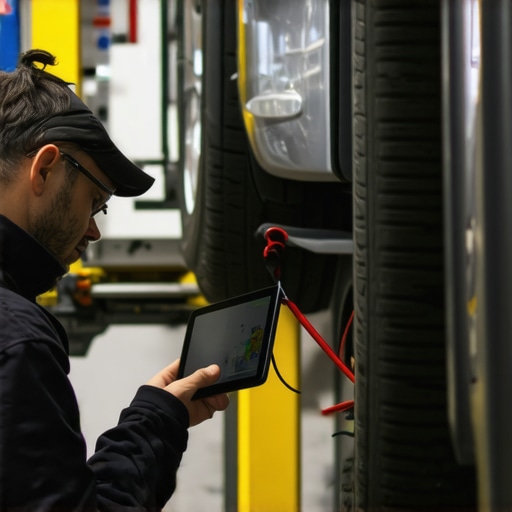
*(Image Prompt: Technician using a digital diagnostic scanner connected to a vehicle’s transmission system, with data graphs displayed on-screen)*
Integrating Predictive Maintenance Strategies into Transmission Care
Predictive maintenance elevates transmission diagnostics from reactive repairs to proactive preservation. Utilizing machine learning algorithms trained on extensive vehicle operation datasets enables early detection of wear patterns and anomalies. For example, models predicting clutch plate degradation based on telemetry can trigger maintenance alerts, preventing sudden failures. Implementing these systems requires a combination of sensor integration, historical data analysis, and real-time monitoring infrastructure—laboratories of innovation in auto diagnostics that demand interdisciplinary expertise.
Building a Diagnostic Ecosystem: Combining Hardware, Software, and Skillsets
A comprehensive diagnostic ecosystem integrates state-of-the-art hardware tools, intelligent software platforms, and expertly trained personnel. Cross-platform compatibility ensures seamless data sharing between tools, cloud-based analysis enhances collaborative diagnostics, and ongoing technician training sustains expertise in emerging technologies. Establishing such an ecosystem transforms a repair shop into a hub of diagnostic excellence, capable of tackling the most complex transmission issues with confidence. Investing in this multifaceted infrastructure positions automotive professionals at the forefront of industry evolution, ready to adapt to upcoming innovations.
To stay ahead in the fast-evolving landscape of vehicle diagnostics, continuous engagement with the latest training resources and industry breakthroughs is vital. For comprehensive strategies to elevate your transmission repair capabilities using cutting-edge diagnostics, explore trusted platforms like this expert guide and commit to lifelong learning in automotive technology.
The Future of Transmission Troubleshooting: Embracing High-Resolution Data Streams
As vehicles evolve towards greater electronic integration, the availability and analysis of high-resolution sensor data become indispensable for accurate diagnostics. Modern transmission systems generate intricate datasets—from pressure sensors to actuator response times—that, when properly interpreted, reveal subtle anomalies often missed by standard diagnostic tools. Leveraging sophisticated data acquisition systems and real-time analytics facilitates predictive insights, enabling technicians to address issues before catastrophic failure ensues. Are you equipped to harness the full potential of high-frequency data streams in your diagnostic process? Explore advanced methodologies at this leading resource.
Deconstructing Proprietary Protocols to Unlock Hidden Diagnostic Depth
Modern transmissions, especially those in high-end vehicles, often utilize proprietary communication protocols embedded within complex control modules. These protocols encode diagnostic information that standard OBD-II scans cannot access, creating a barrier for monitoring and troubleshooting. Expert-level diagnostics require reverse engineering of these proprietary signals, understanding manufacturer-specific data structures, and developing custom software interfaces. Mastering these techniques allows for a granular view of transmission health, uncovering root causes of issues like slipping clutches or solenoid failures. What specialized tools and knowledge are necessary to decode these elusive signals effectively? Industry case studies and protocol documentation, such as those highlighted by TechAutoCare Institute, provide invaluable guidance.
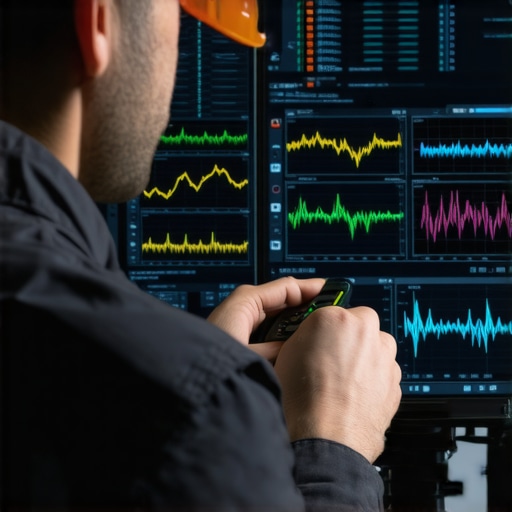
*(Image Prompt: Automotive technician analyzing proprietary transmission control module data on a specialized diagnostic interface)*
Expert Intervention: When to Transition from DIY to Advanced Diagnostics
While basic diagnostic approaches offer initial insights, the complexity of some transmission failures mandates escalation to specialized tools and expert evaluation. Signs such as persistent warning codes despite software resets, inconsistent shift patterns, or unresponsive control units indicate that superficial diagnostics have hit their limit. Recognizing these thresholds and collaborating with manufacturers’ advanced diagnostic systems can drastically reduce misdiagnosis risks. For professionals aiming to refine their skills, engaging in certification programs focusing on high-level transmission diagnostics—like those accredited by Automotive Training Authority—is instrumental. Are you prepared to identify these diagnostic thresholds confidently? Enhance your expertise through targeted education resources and industry networks.
Empowering yourself with this knowledge ensures not only faster repairs but also elevates service quality, fostering long-term client trust and reputation enhancement.
Harnessing Machine Learning for Predictive Transmission Care
The integration of machine learning algorithms into vehicle diagnostics represents a transformative leap towards predictive maintenance. By analyzing vast arrays of operational data—such as clutch actuation times, hydraulic pressures, and temperature fluctuations—these algorithms identify early indicators of component degradation. Implementing such systems within repair workflows allows for preemptive interventions, minimizing unexpected breakdowns and optimizing repair scheduling. Adapting to this frontier requires proficiency in data science concepts, familiarity with automotive CAN bus architecture, and collaboration with software developers. How can automotive shops adopt machine learning models effectively? Consult comprehensive frameworks like AI Verify’s guide on integrating AI into auto repair infrastructures.
Beyond the Basics: Innovating with IoT-Enabled Transmission Diagnostics
The Internet of Things (IoT) extends diagnostic capabilities beyond traditional boundaries, embedding sensors within transmission components to enable continuous health monitoring. These smart sensors transmit real-time data to cloud platforms, where intelligent analysis detects anomalies and predicts failures with unprecedented accuracy. For technicians, this paradigm shift offers remote diagnostics, early alerts, and streamlined repair planning—substantially reducing vehicle downtime. Successful implementation depends on integrating IoT hardware, secure data management, and robust analytics pipelines. Are your systems prepared for this digital transformation? Leadership in IoT-enabled diagnostics is emerging as a competitive edge, as detailed in studies by Connected Vehicles Network.
Expert Insights & Advanced Considerations
Harness Next-Generation Data Analytics for Precision Diagnostics
Leveraging high-resolution data streams enables technicians to detect subtle transmission anomalies early, reducing downtime and enhancing repair accuracy. Integrating real-time analytics transforms traditional diagnostics into proactive maintenance strategies, giving industry leaders a competitive edge.
Decode Proprietary Protocols to Unlock Hidden Transmission Insights
Understanding manufacturer-specific communication protocols allows for deeper analysis beyond standard fault codes. Mastery in reverse engineering and custom software development opens new avenues for diagnosing complex issues in high-end transmission systems, elevating service quality.
Implement Adaptive Learning Systems for Predictive Maintenance
Integrating AI and machine learning models trained on extensive vehicle datasets enables preemptive problem detection. Such systems empower repair centers to offer anticipatory services, positioning themselves as industry innovators and improving customer satisfaction.
Develop a Resilient Diagnostic Ecosystem
Combining cutting-edge hardware, intelligent software, and continuous technician training fosters an environment where complex transmission failures are diagnosed swiftly and accurately. Investing in this infrastructure ensures sustained leadership in auto repair excellence.
Curated Expert Resources
- Reliable Auto Cares Vehicle Diagnostics Guide: A comprehensive resource offering advanced troubleshooting techniques to boost auto repair speed—ideal for pushing your team’s capabilities.
- Industry-leading Protocol Documentation by TechAutoCare: Deep dives into proprietary communication protocols, essential for decoding complex transmission signals.
- AI Verify’s Predictive Maintenance Frameworks: Step-by-step guides on integrating machine learning models into repair workflows, fostering a predictive approach to transmission care.
- Connected Vehicles Network IoT Strategies: Insights into deploying IoT sensors within transmission systems for real-time health monitoring and remote diagnostics.
Final Perspective
Remaining at the forefront of vehicle diagnostics involves embracing not just current tools but pioneering approaches like high-resolution data analytics and AI-driven predictive maintenance. These strategies are transforming transmission troubleshooting from reactive fixes to proactive solutions, ultimately boosting repair speed and accuracy. As industry leaders, your role is to adapt continuously, leveraging comprehensive resources and fostering a culture of innovation. How will you evolve your diagnostic practices today to shape the automotive repair landscape of tomorrow?