Vehicle Diagnostics: Effective Strategies for Faster Auto Repairs
Harnessing Advanced Diagnostics to Transform Auto Repair Efficiency
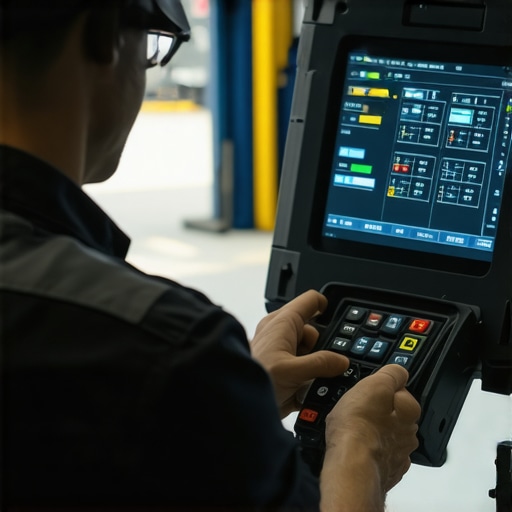
In the rapidly evolving automotive landscape, efficient vehicle diagnostics serve as the cornerstone for minimizing repair times and enhancing service quality. Integrating sophisticated diagnostic tools not only accelerates identification of underlying issues but also reinforces trust in automotive service providers. As industry experts emphasize, leveraging cutting-edge technology is paramount for achieving rapid, reliable auto repairs.
The Crucial Role of Precise Data Collection in Modern Vehicle Diagnostics
Accurate data acquisition is fundamental for pinpointing faults in complex vehicle systems. Advanced diagnostic equipment captures real-time information from electronic control units (ECUs) and sensors, enabling technicians to interpret insights swiftly. This meticulous approach reduces guesswork, streamlines repair workflows, and curtails diagnostic cycles, thereby significantly cutting down vehicle downtime.
Synergizing Diagnostic Application with Auto Service Protocols for Speed
Aligning diagnostic strategies with established car service protocols enhances overall repair speed. Implementing standardized procedures for diagnostics and component testing ensures consistency and reduces procedural redundancies. For example, integrating vehicle-specific diagnostic routines derived from authoritative sources like the top vehicle diagnostics guide of 2024 can dramatically improve turnaround times.
What Are the Limitations of Relying Solely on OBD-II Scanners for Complex Diagnostics?
While On-Board Diagnostics (OBD-II) scanners are indispensable, they may fall short in addressing intricate issues that require in-depth analysis. Advanced techniques, such as oscilloscope analysis or specialized component testers, are often necessary for comprehensive diagnostics in complex vehicle architectures. Recognizing these limitations enhances diagnostic accuracy, ultimately expediting the repair process and ensuring customer satisfaction.
Expert Strategies for Accelerating Transmission Repairs Without Compromising Quality
Transmission repair stands as a critical aspect where diagnostic precision directly influences repair speed. Employing advanced diagnostic strategies—including fluid analysis, electronic system testing, and predictive maintenance data—can preempt extensive disassembly. Consulting authoritative resources like expert transmission repair tactics empowers technicians to deliver swift, dependable results.
How Can Integrating Artificial Intelligence into Vehicle Diagnostics Push Autonomy in Auto Repairs?
The potential for AI-driven diagnostic systems to revolutionize auto repair is immense. By analyzing vast datasets and recognizing fault patterns faster than traditional methods, AI can facilitate near-instant problem resolution. This integration promises to redefine auto service standards, reduce diagnostic errors, and significantly decrease vehicle downtime, marking a pivotal shift toward autonomous repair systems.
For professionals eager to enhance their diagnostic acumen and contribute to this technological evolution, exploring advanced training modules and collaborative knowledge-sharing platforms is vital. Engage with industry experts and stay informed through reputable sources like [SAE International](https://www.sae.org), which publishes cutting-edge research on automotive diagnostics and automation.
Adopting these expert-derived diagnostics methodologies elevates the quality and speed of auto repairs, ensuring both competitive advantage and customer trust in a demanding marketplace.
Harnessing AI to Predict and Prevent Mechanical Failures
One of the most promising advancements in automotive diagnostics is the integration of artificial intelligence (AI) systems capable of predictive maintenance. These intelligent solutions analyze data from various vehicle sensors and historical repair records to forecast potential failures before they manifest physically. Incorporating such technology allows technicians to perform proactive repairs, drastically reducing vehicle downtime and enhancing customer satisfaction. As expert sources highlight, leveraging AI not only streamlines diagnostics but also transforms traditional repair workflows into anticipatory service models.
How Do Real-time Data Analytics Revolutionize Fast Auto Repairs?
Real-time data analytics provides a granular view into a vehicle’s operational parameters, enabling technicians to monitor and analyze performance metrics continuously. This approach facilitates immediate identification of irregularities, helping prioritize repairs based on severity and urgency. By harnessing platforms that aggregate and interpret live data—such as those discussed in effective tips for speeding up auto repairs—repair shops can optimize resource allocation and reduce diagnostics time. Moreover, integrating predictive analytics can alert technicians about impending issues, turning diagnostics into a preventative strategy rather than a reactive one.

Empowering Technicians with Advanced Diagnostic Frameworks
To truly capitalize on technological innovations, automotive professionals must adopt comprehensive diagnostic frameworks that combine hardware, software, and expert knowledge. Utilizing structured approaches—such as fault tree analysis or decision tree algorithms—guides technicians through complex troubleshooting processes systematically. For instance, trained technicians leveraging frameworks outlined in top vehicle diagnostics tips can accelerate repair procedures while maintaining accuracy. This synergy of human expertise and structured methodologies ensures durable, fast, and reliable auto repairs.
Can democratizing access to diagnostic AI tools bridge the quality gap in auto repair services worldwide?
The democratization of AI and diagnostic tools holds the potential to standardize high-quality auto repair services across various regions, including underserved markets. By enabling technicians with affordable, user-friendly diagnostic systems, vehicle maintenance standards can rise globally. This democratization not only improves repair speed but also fosters trust and transparency among consumers. Industry leaders and policymakers are increasingly supporting initiatives that make advanced diagnostics accessible, with reputable organizations like SAE International championing research and development in this space.
If you’re committed to staying ahead in auto repair excellence, exploring emerging diagnostic tools and emerging industry certifications can provide a competitive edge. Sharing insights and experiences in professional forums or commenting below can foster a community driven toward smarter, faster auto repairs.
Leveraging Machine Learning for Predictive Vehicle Health Monitoring
One of the most transformative advancements in automotive diagnostics is the integration of machine learning algorithms to enable predictive maintenance. Unlike traditional reactive models, these intelligent systems analyze vast streams of sensor data—ranging from engine temperature fluctuations to tire pressure variations—in real-time, identifying subtle patterns that precede mechanical failures. For example, a study published in IEEE Transactions on Intelligent Vehicles highlights how deep learning models can forecast component degradation with remarkable accuracy, allowing technicians to schedule repairs proactively and avoid unexpected breakdowns. This shift not only preserves vehicle reliability but also optimizes operational costs for fleet operators and individual owners.
How does the fusion of AI and IoT reshape the future of auto diagnostics?
The convergence of Artificial Intelligence (AI) with Internet of Things (IoT) devices paves the way for interconnected vehicle ecosystems where data flows seamlessly between vehicles, service centers, and manufacturers. This integration enables continuous, remote diagnostics—meaning future vehicles could notify owners and service providers about potential issues before symptoms manifest. According to researchers at MIT’s Auto-ID Labs, such intelligent interconnected systems promise a significant reduction in service times while elevating the precision of diagnostics, ultimately leading to smarter maintenance schedules and enhanced vehicle longevity.
Engaging with industry thought leaders and participating in forums hosted by organizations like SAE International can provide insights into ongoing developments. Embracing these innovations positions auto service professionals at the forefront of a rapidly evolving landscape, transforming diagnostic routines into sophisticated, anticipatory processes.

Integrating Data Lakes and Cloud Computing for Holistic Vehicle Analysis
As automotive diagnostics become increasingly data-driven, harnessing the power of cloud computing and data lakes becomes imperative. Centralized data repositories—aggregating telemetry, service history, and user behavior—allow for comprehensive analysis beyond individual vehicle issues. This holistic approach facilitates the identification of systemic patterns, manufacturer defects, or usage trends that might escape detection when examining isolated data points.
For instance, BMW’s ConnectedDrive platform leverages cloud analytics to monitor fleet performance remotely, enabling diagnostics that identify wear-and-tear patterns at a macro level. This hyper-aggregation accelerates the development of predictive models and informs manufacturers’ quality control processes, ultimately improving vehicle design and customer satisfaction.
What are the cybersecurity considerations when integrating widespread vehicle data collection?
While the benefits of cloud-based diagnostics are substantial, they also introduce significant cybersecurity risks. Protecting sensitive vehicle and user data against breaches requires robust encryption protocols, multi-factor authentication, and continuous monitoring for anomalies. Industry experts recommend comprehensive cybersecurity frameworks aligned with standards such as ISO/SAE 21434, which addresses cybersecurity for road vehicles. As vehicle connectivity expands, establishing these defenses becomes critical to maintain consumer trust and comply with evolving data privacy regulations.
For professionals aiming to deepen their expertise, staying apprised of advancements in automotive cybersecurity standards and participating in relevant certifications ensures that diagnostic innovations do not compromise vehicle safety or data integrity. Engaging with authoritative sources like SAE International and leading cybersecurity consortia can be instrumental in this endeavor.
The Next Frontier in Automotive Repair: Harnessing Deep Learning for Fault Prediction
In the pursuit of expedited and precise vehicle diagnostics, deep learning models—leveraging vast datasets—are transforming traditional troubleshooting methodologies. By training neural networks on millions of sensor readings and repair logs, automotive engineers are developing systems that can foresee impending failures with unprecedented accuracy. Such predictive capabilities not only streamline the diagnostic process but also enable preemptive maintenance strategies, substantially reducing vehicle downtime and enhancing customer satisfaction.
How Do Multi-Source Data Lakes Facilitate Holistic Vehicle Health Insights?
Centralized data lakes aggregate data streams from telematics, maintenance records, user behavior, and real-time sensor outputs to create a comprehensive vehicle health profile. This integrative approach surpasses isolated diagnostic checks, revealing systemic issues and underlying patterns that could be overlooked otherwise. For example, such systems enable fleet managers to monitor entire vehicle populations, identify recurrent problems, and implement targeted recalls or design improvements—hallmarks of proactive industry leadership.

Empowering Diagnostics with Cutting-Edge Edge Computing
Edge computing devices installed within vehicles are now capable of processing complex diagnostics locally, minimizing latency and bandwidth constraints. This decentralization allows for instant fault detection and preliminary analysis, sending only pertinent data to cloud servers for further processing. The synergy of edge and cloud computing accelerates decision-making, making in-house repairs more efficient and reducing reliance on external diagnostics facilities.
Are Cybersecurity Protocols Keeping Pace with Diagnostic Data Expansion?
As diagnostic architectures incorporate expansive data collection and transmission, securing these pathways becomes paramount. Sophisticated encryption methods, intrusion detection systems, and adherence to standards like ISO/SAE 21434 are vital to protect vehicle and user data. The rapidly evolving threat landscape demands continuous updates to cybersecurity practices, underscoring the need for industry-wide commitment to safeguarding connected diagnostic ecosystems.
Why Interdisciplinary Knowledge Is Critical for Future Diagnostic Innovators
The intersection of automotive engineering, data science, and cybersecurity necessitates a new breed of diagnostics specialists equipped with multi-domain expertise. Mastery in machine learning algorithms, sensor technology, and data privacy principles equips professionals to develop resilient, intelligent diagnostic systems. Engagement with continuous education platforms—such as SAE International or IEEE—fosters adaptability and innovation essential for leading-edge auto repair solutions.
Expert Insights & Advanced Considerations
Harness next-generation diagnostic tools to reduce vehicle downtime and increase repair accuracy. Integrating machine learning algorithms can preempt failures, enabling proactive maintenance strategies that save time and resources.
Staying ahead requires a deep understanding of interconnected vehicle data streams. Leveraging cloud analytics unlocks systemic insights, transforming individual repairs into holistic fleet management improvements. Additionally, understanding the cybersecurity aspects is vital to protect sensitive data and maintain customer trust.
Incorporate AI and IoT seamlessly to develop autonomous diagnostic systems that learn and adapt over time. Emphasize interdisciplinary training for technicians to keep pace with evolving technologies, positioning your service center at the forefront of automotive innovation.
Curated Expert Resources
- SAE International: Offers cutting-edge research and standards crucial for automotive diagnostics professionals, fostering continuous learning and industry alignment.
- IEEE Transactions on Intelligent Vehicles: Provides in-depth studies on AI, machine learning, and sensor data applications that influence modern diagnostic methodologies.
- ISO/SAE 21434: The essential cybersecurity framework to ensure safety and privacy in connected vehicle diagnostics systems.
- Automotive Data Analytics Platforms: Industry-specific tools that facilitate comprehensive data lake management and predictive analytics, streamlining diagnostics workflows.
Final Perspective—Leading with Innovation
Integrating advanced vehicle diagnostics techniques signifies a paradigm shift in auto repair efficiency, safety, and customer satisfaction. As the industry advances, the combination of machine learning, real-time analytics, and cybersecurity becomes the core of a competitive edge. For forward-thinking professionals, embracing these developments not only enhances service quality but also positions your enterprise as a pioneer in automotive excellence. Engage actively with ongoing research, contribute your insights, and be part of shaping the future where auto diagnostics intertwine seamlessly with cutting-edge technology.


This post provides a comprehensive overview of the rapidly advancing diagnostic techniques in auto repair, which I find particularly compelling. The emphasis on integrating AI, machine learning, and real-time analytics into diagnostics is transforming how quickly and accurately repairs are conducted. In my experience working with automotive sensors, leveraging predictive analytics has already helped our team identify potential failures before they occur, saving customers both time and money. However, one challenge I’ve noticed is ensuring data security when implementing these cloud-based and IoT solutions. How do other professionals address cybersecurity concerns, especially with the increasing amount of sensitive vehicle data collected? I believe that developing robust security protocols will be vital as we rely more heavily on interconnected diagnostic systems, and I’d love to hear insights on best practices or tools being used in the industry.
The post provides a really thorough look at how advanced diagnostic tools are revolutionizing auto repair. I’ve noticed firsthand how integrating real-time data analytics and AI can noticeably reduce vehicle downtime and improve repair accuracy. In my shop, we recently began using predictive maintenance systems that alert us to potential issues before they escalate, which has been a game-changer for customer satisfaction. One thing I wonder about is how smaller repair shops can effectively implement these high-tech diagnostics given the cost and training involved. Are there affordable solutions or strategic partnerships that can help level the playing field? Additionally, while the technological advancements are impressive, I believe continuous technician education remains crucial to truly leverage these tools. How are other shops balancing investment in high-tech equipment with training and maintaining a skilled workforce? I’d love to hear thoughts or experiences on making this transition smoothly.