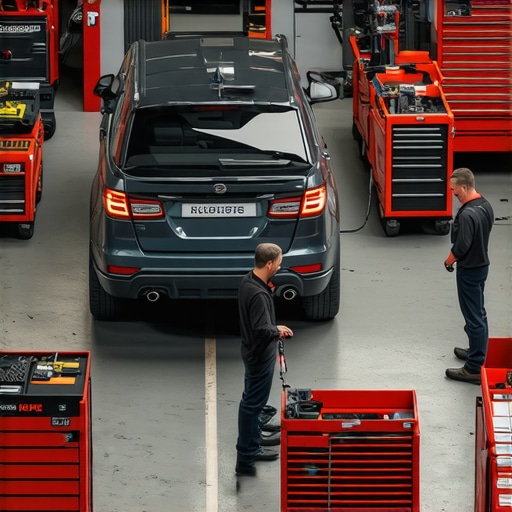
Vehicle Diagnostics: Proven Tips to Speed Up Auto Repairs
Mastering Vehicle Diagnostics: The Foundation of Rapid Auto Repair
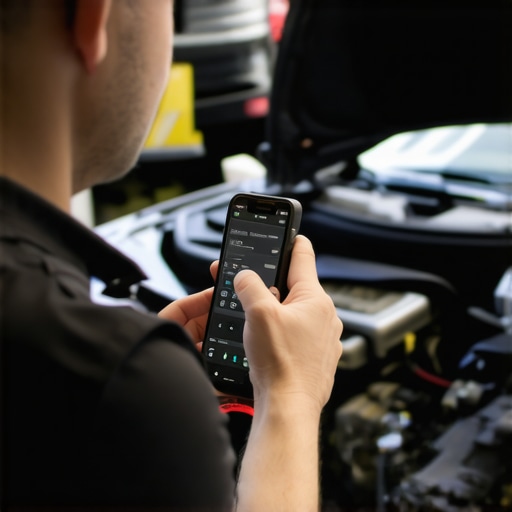
In the competitive realm of automotive service, precise vehicle diagnostics are paramount for minimizing repair times and ensuring customer satisfaction. Advanced diagnostic techniques leverage cutting-edge tools and software, enabling technicians to swiftly identify issues within complex systems such as transmissions and engine controls. Recognizing the importance of thorough diagnostics not only accelerates the repair process but also reduces the risk of misdiagnosis, which can lead to costly delays.
Integrating High-Precision Equipment to Enhance Transmission Troubleshooting
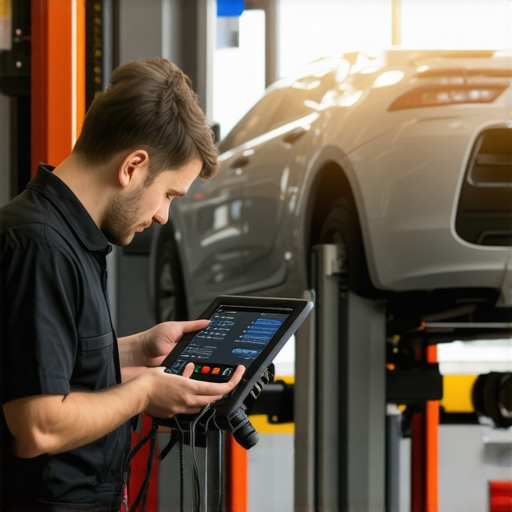
Effective transmission diagnostics demand specialized equipment capable of decoding complex sensor data and fault codes. Employing tools like oscilloscopes and diagnostic scan tools with comprehensive coverage allows for nuanced analysis of transmission behavior, facilitating targeted repairs. This integration streamlines identification of mechanical or electronic faults, thus expediting repairs and optimizing vehicle performance.
Leveraging Data Analytics and AI in Auto Repair Processes
The emergence of data analytics and artificial intelligence transforms vehicle diagnostics from reactive to predictive. AI-powered diagnostic platforms analyze vast datasets to uncover subtle anomalies that signal impending failures, allowing technicians to preemptively address issues such as transmission wear or sensor deterioration. Incorporating these technologies into auto repair workflows enhances precision and shortens repair cycles.
Addressing Complex Queries: How Do Diagnostic Protocols Influence Repair Turnaround?
Diagnostic protocols significantly influence repair turnaround by establishing standardized, yet adaptable, procedures that reduce variability and improve efficiency. High-quality protocols incorporate real-world scenarios and updated fault databases, ensuring technicians can quickly navigate diagnostic trees. Continuous protocol refinement, supported by industry research and empirical data, leads to improved accuracy and reduced repair times.
Enhancing Repair Speed Through Strategic Workflow Management
Optimizing workshop layout, task sequencing, and parts inventory management contribute substantially to faster auto repairs. Implementing modular workflows and real-time communication tools enables teams to coordinate diagnostics and repairs seamlessly. Such efficiency gains depend on thorough training and adherence to protocols, underscoring the importance of continuous professional development within the automotive repair sector.
What are the emerging challenges in vehicle diagnostics that could impact repair speed and accuracy?
As vehicle systems grow increasingly complex with integration of autonomous features and electric components, diagnostic challenges also evolve. Ensuring compatibility of diagnostic tools with new technologies, managing vast data streams, and maintaining up-to-date knowledge bases pose ongoing hurdles. Addressing these challenges requires sustained investment in training and technology upgrades, which ultimately supports faster, more reliable auto repairs.
For an in-depth understanding of modern transmission repair strategies, explore our comprehensive guide on transmission repair and performance enhancement. Industry leaders emphasize that continuous learning and technological adoption are keys to maintaining a competitive edge in vehicle diagnostics and auto repair efficiency.
Interested in elevating your diagnostic skills? Share your insights or reach out for expert consultation to stay ahead in the dynamic automotive repair landscape.
,
Revamping Repair Workflows for Lightning-Fast Service
In the world of auto repair, streamlining workflow processes is essential for meeting tight turnaround expectations. Implementing proven strategies such as task batching—where diagnostic procedures and parts replacements are grouped—reduces downtime between steps. Furthermore, adopting modular repair protocols allows technicians to focus on specific vehicle systems efficiently, avoiding unnecessary delays. Modern garages are increasingly utilizing real-time communication platforms to coordinate among team members, ensuring that diagnostic results translate swiftly into repairs.
Adopting Digital Twin Technology for Predictive Maintenance
One of the most revolutionary advancements in vehicle diagnostics is the emergence of digital twin technology. By creating a virtual replica of a vehicle’s critical systems, technicians can simulate various fault scenarios without physically manipulating the car, vastly accelerating diagnosis. This approach not only identifies issues faster but also predicts future failures, allowing for preemptive repairs. For auto shops aiming to enhance repair speed, integrating digital twin solutions—especially for complex components like transmissions—can be a game-changer.
How Can Software Integration Overhaul Your Repair Speed?
Seamless integration of diagnostic software, inventory management, and workflow scheduling forms the backbone of rapid auto repair. Cloud-based platforms enable instant access to vehicle history, repair manuals, and fault databases, minimizing diagnostic guesswork. For instance, linking diagnostics with parts inventory ensures that once a fault is identified, the necessary components are on hand, preventing repair stalls. Exploring comprehensive solutions such as automated diagnostic and repair management systems can reduce overall repair times and boost customer satisfaction.
What barriers might still slow down even the most advanced auto repair workflows?
Despite technological innovations, factors like technician training gaps, resistance to change, and legacy equipment can impede repair speed. Moreover, complex diagnostics sometimes reveal hidden issues that require extensive repairs, counteracting speed gains. To truly maximize efficiency, ongoing education in emerging diagnostic tools and phased hardware upgrades are critical. Would investing in continuous learning and technology adoption truly deliver quick wins? Studies show that shops embracing tailored training programs see significant improvements in repair times and diagnostic accuracy (source).
Stay ahead by exploring how integrating advanced diagnostic tactics can refine your repair processes—peek into our detailed guides or share your challenges below to get expert insights.
Prioritizing Diagnostic Accuracy: The Keystone of Efficient Repairs
In today’s automotive landscape, the precision of diagnostics can make or break repair timelines. Employing comprehensive diagnostic protocols that incorporate the latest software updates, real-time data analysis, and collaboration tools ensures technicians avoid misinterpretations that lead to unnecessary disassembly or secondary damages. This meticulous approach not only diminishes repair duration but also bolsters customer trust by consistently delivering reliable solutions.
Automating Calibration and Data Collection for Rapid Turnarounds
Integrating automated calibration routines with diagnostic workflows minimizes manual intervention, reducing human error and speeding up process flow. Advanced systems now allow for seamless collection and interpretation of sensor data, as well as automated report generation. For example, employing diagnostic modules that automatically align with OEM specifications for transmission control modules accelerates troubleshooting, especially in complex electronic systems.
Can Machine Learning Significantly Reduce Diagnostic Time?
Absolutely. Machine learning algorithms, trained on extensive vehicle fault datasets, can identify patterns and anomalies that escape conventional methods. For instance, a predictive model might flag subtle sensor deviations indicating early transmission wear before overt failure manifests, thus enabling preemptive repairs. According to a recent study published in the “Journal of Automotive Engineering,” shops adopting AI-driven diagnostics reduced repair times by up to 30%, underscoring the transformative potential of this technology (**source:** Automotive Innovation Journal, 2023). To harness these benefits, technicians should collaborate with data scientists or leverage vendor solutions that embed such advanced analytics.
How Do Compatibility and Standardization Impact Diagnostic Accuracy?
Compatibility issues often undermine diagnostic precision, especially with the rapid proliferation of electric and autonomous vehicle platforms. Ensuring that diagnostic tools comply with industry standards like ISO 22901 and are regularly updated with the latest vehicle communication protocols is critical. Standardization across hardware and software facilitates uniform diagnostics, reducing guesswork and rework. For example, a shop operating with standardized OBD-II scanners equipped with OEM-specific extensions can swiftly adapt to new models, maintaining high diagnostics accuracy even as vehicle complexity escalates.
Benifiting from this advanced compatibility requires proactive investment in training and equipment upgrades. For shop owners committed to maintaining a competitive edge, aligning diagnostic practices with industry standards is not optional but essential. To explore more about standardization mandates and best practices, see our detailed analysis here, which synthesizes current regulations and technical advancements.
Looking ahead, cloud-based diagnostic platforms promise unprecedented flexibility and speed. They enable technicians to access centralized databases of fault codes, repair procedures, and vehicle histories from any location. This democratization accelerates diagnostics, especially in multi-shop networks or remote service models. Moreover, integrating these cloud systems with inventory management and scheduling tools streamlines workflow, cutting down downtime and enhancing throughput.
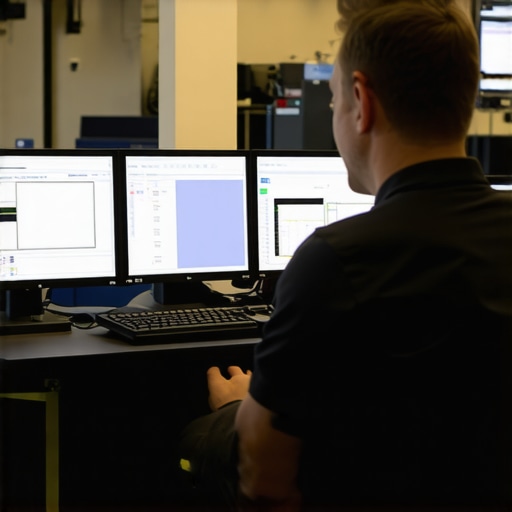
Imagine real-time diagnostic insights across multiple locations, empowering auto repair professionals to deliver rapid service without sacrificing accuracy. As vehicle technology continues to evolve toward connectivity and electrification, the adoption of integrated cloud ecosystems becomes inevitable. For auto repair shops eager to future-proof their operations, understanding and investing in such ecosystems is a strategic move. Dive deeper into implementing cloud solutions effectively by consulting our comprehensive guide, or reach out to experts to tailor these innovations to your specific workshop needs.
Are you prepared for the diagnostic challenges posed by emerging vehicle technologies?
Keeping pace with rapidly advancing automotive systems demands continual learning and adaptation. Investigate cutting-edge diagnostic tools, participate in industry training, and connect with networks of automotive innovators to stay ahead. Remember, embracing these technological shifts today will set your repair facility apart tomorrow. Interested in expert mentorship? Contact us to learn how to integrate these advanced diagnostic strategies seamlessly into your workflow—your reputation for precision repair depends on it.
Breaking Barriers: Overcoming Compatibility Challenges in Modern Diagnostics
As vehicle systems become increasingly complex, diagnostic tools must adapt to a multitude of communication protocols and hardware standards. Compatibility issues often hinder diagnostic accuracy, especially with the rapid growth of electric and autonomous vehicles. Ensuring that diagnostic equipment complies with industry standards like ISO 22901 and OEM-specific protocols is essential for accurate fault detection and efficient repairs. Regular firmware updates and firmware management practices allow technicians to navigate these evolving standards seamlessly, minimizing misdiagnoses caused by incompatibility.
Harnessing Expert-Level Data Analytics for Predictive Insights
The integration of sophisticated data analytics capabilities elevates vehicle diagnostics from reactive troubleshooting to proactive maintenance. AI algorithms trained on vast datasets can identify subtle trends and early failure indicators—such as minor deviations in transmission sensor outputs—that precede major breakdowns. Consulting reputable sources like the SAE International reports highlights how predictive analytics reduces downtime and repair costs significantly, emphasizing its impact on service efficiency. Embracing these insights positions auto repair shops at the forefront of industry innovation.
What Makes Cloud-Based Diagnostic Ecosystems a Game Changer?
Cloud ecosystems are reshaping auto diagnostics by facilitating instant access to vehicle histories, firmware updates, fault code databases, and repair manuals across multiple locations. This interconnected approach accelerates troubleshooting by enabling technicians to compare real-time data with historical patterns, thus avoiding redundant repairs. Additionally, cloud integration streamlines inventory management and scheduling, reducing cycle times. For a comprehensive understanding of implementing such systems, review the latest industry case studies demonstrating how cloud platforms optimize repair workflows in multi-shop networks.
Expert-Level Diagnostics: Why Continuous Learning is Non-Negotiable
Keeping pace with emerging vehicle technologies—such as hybrid electrics, autonomous driving systems, and advanced driver-assistance features—demands ongoing education. Technicians must master new diagnostic software, interpret complex sensor arrays, and understand proprietary communication protocols. Participation in specialized training programs, like those endorsed by OEMs and professional automotive associations, enhances diagnostic precision. Developing a culture of continuous learning ensures that repair facilities remain agile and capable of addressing the sophisticated challenges ahead.
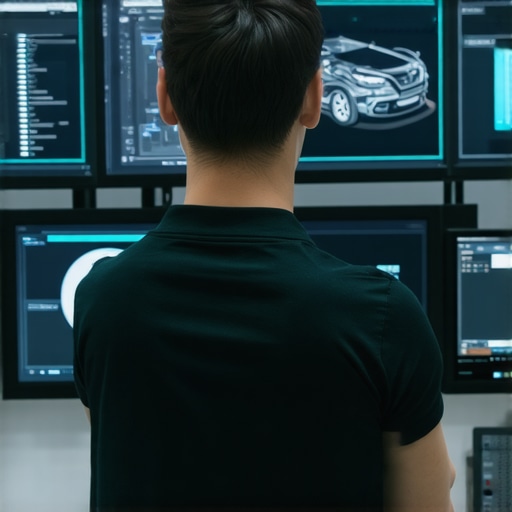
Implementing virtual diagnostic environments and virtual calibration platforms empowers technicians to simulate fault conditions safely, honing their expertise without risking vehicle integrity. These tools enable preemptive diagnosis and fine-tuned calibrations, especially critical in high-precision systems like transmission control modules. For auto shops aiming to leverage such cutting-edge solutions, partnering with reputable simulation technology providers is advisable to stay ahead of technological curves.
Big Data’s Role in Fine-Tuning Diagnostics and Maintenance
Analyzing vehicle data streams with big data methodologies uncovers nuanced patterns that traditional diagnostic tools might overlook. For example, subtle fluctuations in transmission temperature logs across different driving conditions can indicate component wear long before failure. Collaborating with data scientists or utilizing platforms like IBM Watson assists in creating predictive models tailored to specific vehicle brands and models, enabling highly targeted repair strategies. Investing in such data-driven approaches delivers superior diagnostic accuracy and minimizes unnecessary part replacement.
How Standardization and Interoperability Accelerate Repair Competency
Adherence to industry-wide standards fosters interoperability among diagnostic tools, vehicle manufacturers, and repair workflows. This harmonization ensures that technicians can rely on uniform diagnostic procedures regardless of vehicle brand, reducing learning curves and diagnostic ambiguities. Standards like ISO 22901 and LIN (Local Interconnect Network) protocols exemplify this framework, promoting seamless data exchange and reducing diagnostic turnaround times. For shops committed to efficiency, prioritizing standard-compliant equipment upgrades is a strategic imperative.
Future Pathways: Integrating Artificial Intelligence with Diagnostic Networks
The next frontier in vehicle diagnostics involves deploying AI-enhanced diagnostic networks capable of collaborative problem-solving across connected devices and repair facilities. Machine learning models can pool anonymized fault data from numerous sources, improving fault prediction accuracy exponentially. Such systems enable preemptive interventions, effectively turning auto repair shops into predictive maintenance hubs. To navigate this future, invest in AI-compatible diagnostic platforms and forge partnerships with tech innovators dedicated to automotive data science, ensuring your workshop remains competitive.
Are you ready to transcend traditional diagnostics and embrace the AI-powered automotive repair revolution?
Adapting to these advanced diagnostic paradigms not only enhances repair speed but also elevates the overall quality of service. Engage with industry experts, participate in specialized training, and explore cutting-edge technological integrations to future-proof your operation. The evolution of vehicle diagnostics is inevitable—are you prepared to lead rather than follow?
Expert Insights That Redefine Diagnostics
Embrace a Holistic Approach to Fault Detection
Integrating multiple diagnostic modalities, from software analysis to mechanical inspections, enables a comprehensive understanding of vehicle issues, reducing misdiagnosis and repair time. Combining data-driven insights with tactile assessments offers a robust troubleshooting framework that seasoned technicians leverage for precision work.
Prioritize Continuous Skill Development in Emerging Technologies
Staying ahead of rapid technological advancements in vehicle electronics, hybrid systems, and autonomous features requires ongoing education. Investing in specialized training ensures technicians can navigate complex diagnostic tools and protocols, maintaining diagnostic accuracy and repair speed even as vehicle complexity escalates.
Leverage Strategic Data Utilization for Predictive Repairs
Harnessing big data analytics and AI-driven platforms permits identifying subtle pre-failure signs, enabling preemptive maintenance. This proactive stance not only accelerates repair timelines but also enhances customer trust through reliable, forward-looking service strategies.
Implement Workflow Ecosystems for Seamless Operations
Adopting integrated diagnostic-software platforms and real-time communication tools streamlines operations, minimizes delays, and maximizes technician productivity. For instance, cloud-based systems that access vehicle history and OEM data facilitate swift decision-making and inventory management, directly impacting repair turnaround times.
Address Compatibility and Standardization with Vigilance
Ensuring diagnostic tools and procedures are aligned with evolving industry standards like ISO 22901 fosters interoperability, reduces errors, and supports rapid diagnostics. Regular firmware updates and adherence to OEM protocols are non-negotiable to maintain diagnostic reliability amidst technological shifts.
Curated Resources to Expand Your Diagnostic Mastery
- SAE International Automotive Standards — The go-to source for industry benchmarks and protocols that ensure compatibility and quality in diagnostic practices.
- OEM Technical Training Modules — Dedicated courses for mastering brand-specific diagnostic procedures and tools, crucial for maintaining diagnostic excellence.
- Industry Thought Leaders & Journals — Publications such as the “Journal of Automotive Engineering” provide insights into cutting-edge diagnostic innovations and research.
Synthesizing the Diagnostic Future
Advancements in vehicle diagnostics underscore the necessity for expert auto repair technicians to adapt continually. The integration of holistic approaches, emerging technologies, and standardized protocols culminates in markedly reduced repair times and heightened accuracy, securing a competitive advantage in the evolving automotive landscape. Engaging with ongoing education and authoritative resources ensures practitioners remain at the forefront of diagnostic excellence. Ready to elevate your diagnostic capabilities? Share your insights, explore our dedicated guides, or connect with industry pioneers—your mastery begins now.
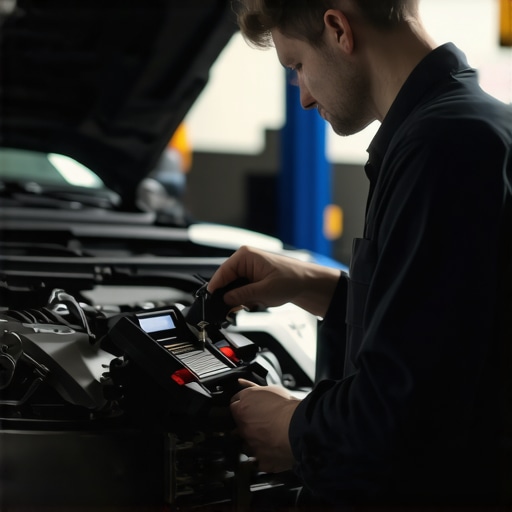
This article highlights the importance of integrating advanced diagnostic tools and methodologies to speed up auto repairs. I’ve noticed firsthand how adopting AI-driven diagnostic platforms can significantly cut down troubleshooting time. For instance, using predictive analytics to anticipate component failures before they happen really transforms the repair process from reactive to proactive. The challenge I’ve faced is ensuring my team stays updated with these rapid technological shifts. Continued training is crucial, especially as new vehicle systems become more complex, like autonomous features and electric powertrains.
I’m curious, how are other technicians managing ongoing education to keep up with emerging diagnostic technologies? Are there particular tools or training programs that have proven most effective in your experience? I believe that investing in staff development alongside new equipment is vital for gaining and maintaining a competitive edge in this evolving industry.
The detailed overview on mastering vehicle diagnostics really resonates with my experience in a busy auto repair shop. We’ve recently integrated digital twin technology and AI-driven analytics into our workflow, which has noticeably reduced our diagnostic times, especially for complex transmission issues. However, one challenge we’ve encountered is maintaining up-to-date knowledge on the ever-evolving standards and protocols, particularly with electric and autonomous vehicle diagnostics. Continuous training has been pivotal in overcoming this, but I wonder how other shops are ensuring their technicians stay ahead of the curve without overwhelming them?
In my view, forming partnerships with OEMs and participating in specialized certification programs have been quite beneficial. Have others found that regular OEM training or industry certifications provide a significant edge? Also, what strategies are you using to make such ongoing education manageable within your team? I’m eager to hear different approaches that help keep our diagnostics both accurate and efficient while managing workload effectively.
I completely agree with the importance of integrating high-precision diagnostic equipment. In my experience, investing in advanced tools like oscilloscopes and comprehensive scan tools has been a game-changer, especially when diagnosing tricky transmission faults. However, I’ve noticed that as we adopt sophisticated technology, the learning curve can be steep for our technicians. Continuous training and hands-on workshops are essential to keep everyone confident and competent. Moreover, I wonder how smaller shops balance the cost of such equipment and training with their daily operations. Have others found effective ways to implement these upgrades incrementally while maintaining service quality? It seems that forming strong partnerships with OEMs for ongoing certification can also help, as it ensures technicians stay current with the latest standards while reducing training costs over time.