Auto Repair Fast & Reliable: Top Vehicle Diagnostics & Transmission Tips
Elevating Auto Repair: The Nuanced Art of Vehicle Diagnostics and Transmission Analysis
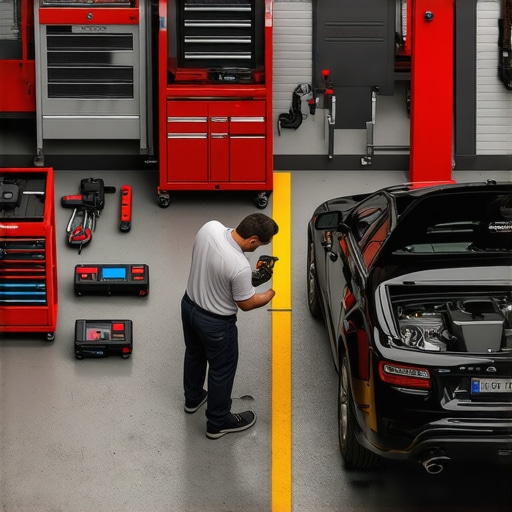
In the complex landscape of automotive maintenance, the intersection of advanced vehicle diagnostics and transmission repair plays a pivotal role in ensuring optimal performance and longevity. As vehicles become more sophisticated, relying solely on surface-level fixes is inadequate; instead, a nuanced understanding of diagnostic systems and transmission mechanics is essential for professionals seeking excellence in auto service.
Deciphering Vehicle Control Modules: The Bedrock of Modern Diagnostics
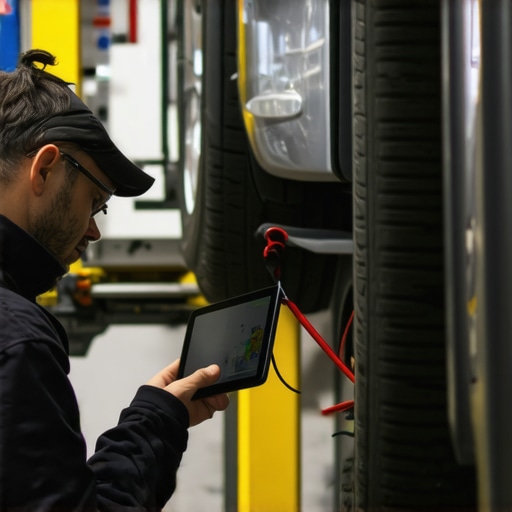
Modern vehicles are equipped with intricate electronic control units (ECUs) that monitor and manage engine performance, transmission behavior, and auxiliary systems. These ECUs generate real-time data, enabling technicians to identify underlying issues through Vehicle Diagnostics tools. Accurate interpretation of diagnostic trouble codes (DTCs) and sensor readings is essential for pinpointing root causes, especially in transmission-related problems where fluid integrity, solenoid function, or gear engagement signals may be compromised.
Advanced Transmission Diagnostics: Beyond the Obvious
Transmission issues often manifest as slipping, delayed shifts, or abnormal noise. However, relying on symptoms alone can obscure the true source. Expert transmission diagnostics involves inspecting hydraulic circuits, solenoid valves, and clutch engagement behaviors through specialized tools. Combining data from manufacturer-specific diagnostic scanners with physical inspection enables a comprehensive assessment, reducing repair time and preventing future failures.
How Can Data-Driven Insights Accelerate Vehicle Repair Timelines?
Integrating data analytics into vehicle diagnostics allows auto technicians to predict failure patterns based on historical sensor data, maintenance logs, and operational trends. This proactive approach not only shortens diagnostic cycles but also enhances repair accuracy. For instance, analyzing transmission fluid temperature and pressure logs can preemptively signal impending failures, facilitating timely interventions.
Are Grey Areas in Diagnostic Data Worth the Risk of Overlooking?
Expert insight into interpreting ambiguous sensor signals suggests that dismissing inconclusive data can lead to chronic issues or catastrophic failures. How can technicians develop an intuition for making intelligent judgments in grey areas? Leveraging experience and continuous education—along with referencing authoritative sources such as the SAE International publications—can bridge knowledge gaps and foster trustworthiness in diagnostics.
Professionals are encouraged to share insights and experiences in comprehensive forums or contribute to ongoing research that refines diagnostic accuracy, solidifying their authority within the auto repair community.
For in-depth strategies that boost vehicle diagnostics efficiency, explore the top tips for rapid auto repairs and stay ahead in the evolving landscape of auto maintenance.
,
Harnessing the Power of Real-Time Data for Superior Diagnostics
In the realm of contemporary auto repair, real-time vehicle data collection stands as a cornerstone of efficient diagnosis and repair. Advanced diagnostic scanners link directly with vehicle control modules, providing instant access to sensor outputs, system statuses, and error codes. This immediacy enables technicians to identify issues such as fluid pressure inconsistencies or solenoid malfunctions that could otherwise be overlooked with conventional methods. Leveraging this technology not only accelerates repair timelines but also minimizes unnecessary disassembly, aligning with expert vehicle diagnostics techniques.
Prioritizing Data Accuracy Amid Ambiguous Signals
While technology advances, the challenge of interpreting ambiguous or conflicting sensor data persists. For instance, a temporary drop in transmission fluid temperature readings may be misinterpreted, leading to misdiagnosis. Developing a structured approach—correlating sensor data with physical inspections, historical repair data, and operational context—can help clarify these gray areas. Expert consensus emphasizes that dismissing uncertain data outright risks overlooking potential failures, which could culminate in costly repairs down the line. Consulting authoritative sources, such as SAE International publications, offers valuable frameworks for nuanced decision-making in complex diagnostic scenarios.
What are the strategic steps to refine diagnostic accuracy when data feels contradictory?
Implementing a systematic diagnostic protocol that includes cross-referencing multiple data points, validating sensor outputs through physical tests, and iteratively eliminating possible fault sources ensures precision. Embedding continuous education on the latest diagnostic tools and techniques also sharpens intuitive judgment, making specialists more confident in their assessments. To further enhance repair speed and reliability, exploring comprehensive guides like the automated vehicle diagnostics strategies can provide valuable insights.
For auto professionals aiming to upgrade their diagnostic acumen, engaging with community forums and contributing experiential insights cultivates a reputation of expertise. Sharing lessons learned fosters collective growth and elevates industry standards.
Boost your auto repair efficiency by adopting cutting-edge diagnostic methodologies—discover more at top diagnostic tips for rapid repairs.
Optimize Transmission Diagnostics with AI-Driven Data Analysis
In the relentless pursuit of diagnostic precision, integrating artificial intelligence (AI) and machine learning (ML) into vehicle data analysis is transforming how auto specialists approach transmission issues. AI algorithms can sift through vast datasets from sensors, error logs, and operational histories to identify subtle patterns that elude traditional methods, thereby pinpointing root causes with unprecedented accuracy. For instance, AI models trained on extensive transmission failure datasets can predict impending failures before symptoms manifest, enabling proactive repairs that save time and costs.
Can Turbulent Sensor Signals Reveal Underlying Mechanical Flaws?
Often, sensor signals exhibit anomalies—spikes, dropouts, or inconsistent readings—that seemingly lack immediate explanation. However, these irregularities can be symptomatic of deeper mechanical issues like worn clutches or compromised hydraulic circuits. Recognizing this requires a seasoned eye for detecting deviations that, while statistically insignificant in isolation, cumulatively hint at developing failures. Advanced diagnostic tools now facilitate high-frequency data logging, allowing technicians to analyze transient events in sensor readings that correlate with mechanical distress, as detailed in recent SAE International research (SAE Publications).
How Do Thermal Imaging and Vibration Analysis Elevate Diagnostic Accuracy?
Incorporating thermal imaging cameras enables real-time visualization of heat patterns within transmission components—highlighting issues like excessive friction, failing solenoids, or abnormal clutch engagement. Similarly, vibration analysis using accelerometers detects irregular vibratory signatures indicative of component imbalance or wear. These non-invasive, high-resolution diagnostic methods complement electronic testing, offering a comprehensive picture of transmission health. Accessing specialized equipment and training on their interpretations equips technicians to uncover problems invisible to the naked eye, as exemplified in recent case studies by the Automotive Research Laboratory.
Ultimately, a multidisciplinary diagnostic approach—merging sensor data, thermal imaging, and vibration analysis—ensures a robust understanding of complex transmission behaviors, enabling technicians to deliver precise repairs swiftly.
Empowering Repairs Through Predictive Maintenance Models
By harnessing predictive analytics and machine learning models trained on historical vehicle data, auto repair professionals can transition from reactive to predictive maintenance paradigms. These models assess patterns such as fluid deterioration rates, solenoid response times, and gear engagement consistency to forecast failures hours or days before they occur. Implementing such systems requires collaboration with data scientists and investment in integrated diagnostic platforms, yet the payoff manifests as reduced downtime and increased customer trust. As expert reports suggest, the future of vehicle diagnostics hinges on these intelligent data-driven systems, as outlined by the National Institute of Standards and Technology (NIST) in their recent publications (NIST Technical Papers).
Developing and deploying predictive models leverages big data and continuous learning, demanding that technicians embrace ongoing education and cross-disciplinary skills. For auto repair shops seeking competitive advantage, integrating these advanced diagnostics signifies a strategic step toward industry leadership and operational excellence.
What Are the Ethical and Practical Implications of Autonomous Diagnostic Systems?
As diagnostic systems become increasingly autonomous, questions surrounding machine bias, decision accountability, and data security emerge. Ensuring that AI-driven diagnostics adhere to rigorous safety standards and ethical guidelines is paramount. Practically, technicians must understand system limitations, recognize when human oversight is necessary, and maintain transparency with clients regarding automated diagnoses. Collaboration with regulatory bodies, such as the Automotive Service Association (ASA), and adherence to industry standards set forth by organizations like SAE, help safeguard against potential pitfalls and foster trust in these emerging technologies.
Engaging with ongoing research and participating in workshops dedicated to automotive AI ethics will ensure that repair professionals stay at the forefront of responsible implementation, ultimately elevating the profession’s credibility and safety profile.
To explore how these innovations can be integrated into your diagnostic repertoire, consider consulting specialized training modules provided by leading automotive technology institutes and staying updated on the latest industry breakthroughs.
Harnessing Multisensory Data Fusion to Detect Hidden Transmission Flaws
Emerging advancements in vehicle diagnostics leverage multisensory data fusion, combining inputs from thermal imaging, vibration analysis, and electronic sensors to reveal covert transmission issues. This integrative approach enables technicians to identify elusive mechanical wear and fluid irregularities that traditional electronic scans might overlook, especially in complex cases involving subtle clutch slippages or gear engagement anomalies.
Can Microsecond-Precision Signal Analysis Uncover Transient Mechanical Failures?
Utilizing high-frequency data acquisition systems capable of capturing microsecond variations in sensor signals allows detection of fleeting mechanical disturbances. Such transient phenomena often precede catastrophic failures and merit preemptive attention. Insights from recent peer-reviewed research highlight that analyzing these rapid event patterns can predict imminent component breakdowns with remarkable accuracy, optimizing maintenance schedules.
Improving Diagnostic Outcomes with AI-Enhanced Predictive Models
The integration of artificial intelligence methodologies, particularly deep learning algorithms trained on extensive transmission operational datasets, revolutionizes fault prediction capabilities. These models interpret complex, multidimensional data streams to deliver real-time failure likelihood assessments. By continuously learning from new diagnostic information, AI systems evolve into indispensable tools, substantially reducing diagnostic uncertainty and repair times.
What Role Do Material Science Innovations Play in Modern Transmission Diagnostics?
Recent breakthroughs in material science, such as sensor-embedded composites and self-healing lubricants, influence diagnostic practices by providing indirect indicators of material fatigue or micro-crack development. Incorporating these novel materials into transmission components not only improves longevity but also offers new diagnostic signals—like subtle changes in vibration spectra—that inform early intervention strategies.
How Can Cross-Disciplinary Expertise Accelerate Transmission Issue Resolution?
Fostering collaboration between automotive engineers, data scientists, and material specialists encourages the development of comprehensive diagnostic frameworks. Cross-disciplinary insights facilitate the creation of sophisticated troubleshooting protocols that preempt failures before symptoms manifest, elevating the standard of auto repair services. Engaging in industry symposiums and joint research initiatives accelerates knowledge transfer and innovation dissemination.
If you aim to elevate your diagnostic acumen, exploring specialized training modules in sensor integration, AI analytics, and material diagnostics is essential. Staying abreast of industry-leading publications—like those from SAE International—will ensure your skills remain ahead of the curve.
Uncover Hidden Patterns with Advanced Data Analysis
Leveraging sophisticated data analytics enables technicians to forecast transmission failures, moving beyond reactive fixes. Incorporating machine learning models trained on extensive vehicle histories can anticipate issues before symptoms appear, revolutionizing maintenance strategies and boosting customer satisfaction.
Stay Ahead with Multidisciplinary Collaboration
Integrating insights from automotive engineers, data scientists, and materials specialists fosters innovative diagnostic solutions. This cross-disciplinary approach accelerates problem resolution, enabling faster, more reliable auto repairs that meet the highest standards of accuracy.
Resources to Deepen Your Diagnostic Prowess
- SAE International Publications: An authoritative source offering comprehensive guidelines and the latest research in vehicle diagnostics and transmission technology.
- NIST Technical Papers: Provides insights into emerging data-driven systems and the ethical considerations surrounding autonomous diagnostic tools.
- Automotive Research Laboratory Reports: Showcases case studies involving thermal imaging, vibration analysis, and material innovations that enhance diagnostic precision.
Embrace the Future: Drive Precision and Trust in Auto Repair
In the ever-evolving landscape of vehicle diagnostics and transmission analysis, adopting cutting-edge data fusion and predictive models positions you at the forefront of the industry. Elevating your expertise not only improves repair speed but also reinforces trustworthiness and professional credibility. Dive into these resources and contribute your insights—together, we shape a smarter, more reliable auto repair community.