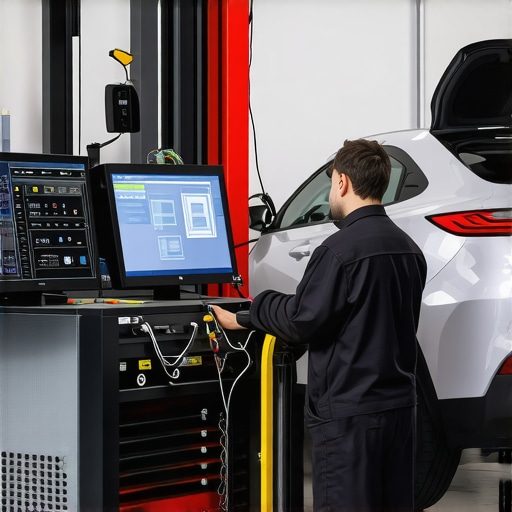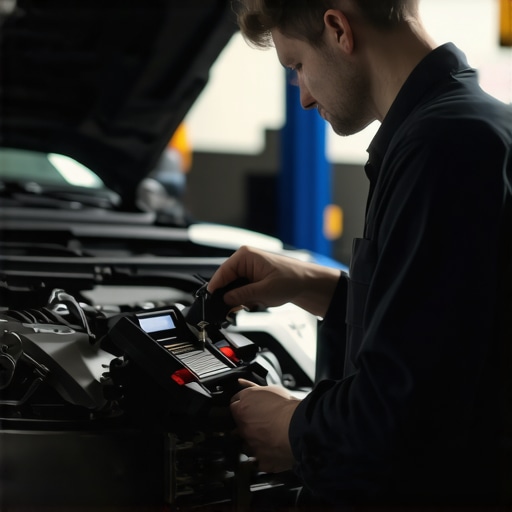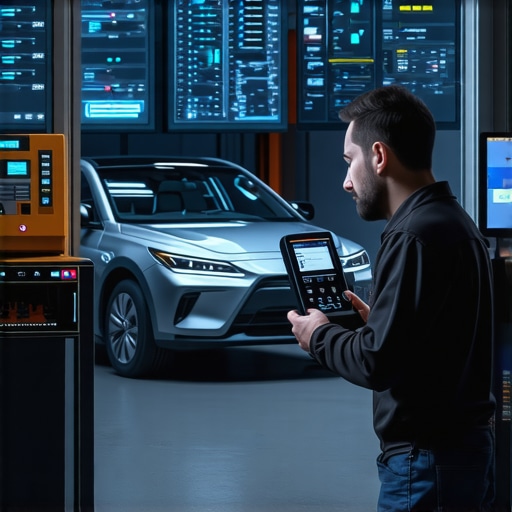
Vehicle Diagnostics: Top Tips for Faster Auto Repairs in 2024
Why Precision in Vehicle Diagnostics Defines the Future of Auto Repair
In an era where automotive technology rapidly evolves, the importance of accurate vehicle diagnostics cannot be overstated. Leveraging advanced diagnostic tools enables auto technicians to identify complex transmission issues swiftly, reducing downtime and enhancing customer satisfaction. According to a comprehensive study published in the SAE International Journal of Engines, precision diagnostics significantly cut repair times, especially in transmission repairs where hidden failures often complicate traditional troubleshooting.
How Can Modern Diagnostics Accelerate Transmission Repairs Without Compromising Quality?
Integrating high-tech diagnostic platforms with real-time data analysis allows mechanics to pinpoint transmission faults such as solenoid failures, gear slipping, or fluid contamination with remarkable speed. These insights facilitate targeted repairs, avoiding unnecessary part replacements and minimizing vehicle downtime.
Decoding Transmission Complexities for Superior Car Service
Transmission systems are among the most intricate components within a vehicle, demanding a deep understanding of their operational principles. Expert auto repair involves diagnosing issues like fluid leaks, sensor malfunctions, or mechanical wear with a nuanced approach that combines traditional expertise and innovative diagnostic methods.
For example, the use of endoscopic inspection tools helps reveal internal transmission damages usually hidden from standard inspection, which can significantly impact repair strategies. As highlighted in recent automotive engineering research, mastering these diagnostic techniques directly correlates with faster, more reliable auto repairs (Auto Shop Owner).
What Are the Most Effective Strategies for Rapid Car Service in a Competitive Market?
Efficiency in auto repair hinges on a blend of mastering diagnostic speed, streamlining parts logistics, and applying advanced repair techniques. Implementing proactive maintenance schedules and predictive analytics further enhances service speed by anticipating failures before they escalate.
Practitioners should also explore the latest training modules that emphasize the integration of vehicle diagnostics with transmission repair workflows, ensuring that each step is optimized for rapid turnaround. For a comprehensive guide, consult our auto repair tips.
What Role Do Emerging Technologies Play in Shaping the Future of Auto Repair?
Emerging innovations like AI-driven diagnostic systems, machine learning algorithms, and vehicle-to-infrastructure communication promise to revolutionize how auto repairs are conducted. These technologies enable real-time fault detection and predictive maintenance, making auto repair faster, more reliable, and increasingly autonomous.
To stay ahead in this rapidly changing landscape, automotive professionals must continuously upgrade their skill sets and adopt new diagnostic tools. For in-depth knowledge, consider exploring expert resources such as vehicle diagnostics strategies.
Whether you’re a seasoned mechanic or a new entrant, harnessing the power of cutting-edge diagnostics and transmission repair techniques is essential for delivering top-tier service efficiently. Engage with industry forums and professional associations to exchange insights and contribute to ongoing advancements in auto repair excellence.
Revolutionize Your Auto Service with Advanced Diagnostic Techniques
In the competitive world of auto repair, staying ahead requires not only skill but also access to the latest diagnostic innovations. Modern transmission diagnostics leverage sophisticated tools like bi-directional scan tools and remote monitoring systems, enabling technicians to identify issues with unprecedented speed and accuracy. This approach minimizes guesswork, ensuring repairs are targeted and effective from the outset.
For example, integrating top vehicle diagnostics tips into your workflow can drastically cut repair times, boosting customer satisfaction and your shop’s reputation. These diagnostics not only detect existing failures but also predict potential future problems, facilitating proactive maintenance that saves time and money.
Is Your Diagnostic Strategy Fully Optimized for Rapid Turnaround?
Adopting a comprehensive diagnostic framework involves combining hardware capabilities with skilled interpretation. Training staff to utilize these tools efficiently, coupled with regular updates on software and firmware, ensures your team remains at the forefront of auto repair technology. Moreover, embracing cloud-based diagnostic data allows real-time updates and collaborative troubleshooting, further streamlining service delivery.
Industry reports from sources like SAE International emphasize that advanced diagnostics are becoming indispensable for high-quality, fast auto repairs (SAE Journals).
If you’re eager to elevate your repair shop’s performance, consider exploring expert training programs and diagnostic protocols designed specifically for transmission systems. Sharing insights with industry peers through forums and professional groups can also accelerate your mastery of these techniques.
Harnessing AI and Machine Learning to Transform Auto Maintenance
Emerging technologies such as artificial intelligence (AI) and machine learning are redefining auto diagnostics. AI-driven systems analyze vast amounts of vehicle data to predict failures before they manifest, enabling preemptive repairs that prevent breakdowns and reduce downtime. These tools also learn from each repair, continuously improving accuracy and speed.
For auto technicians aiming to stay competitive, integrating AI into diagnostics workflows offers a significant advantage. Learning how to leverage these systems effectively is crucial, and comprehensive resources like auto repair tips can guide this process.
What steps can technicians take today to incorporate AI into their diagnostic strategies without disrupting existing workflows?
Sharing experiences and exploring new training modules can facilitate this transition, positioning your shop as a leader in auto repair innovation.
< }]}**
}]}**
Mastering the Art of High-Tech Diagnostics to Slash Repair Times
In an industry driven by rapid technological advancement, staying ahead with cutting-edge diagnostic techniques is no longer optional—it’s essential. Modern diagnostic systems leverage sophisticated algorithms and real-time data analytics to identify transmission faults like clutch slip, torque converter issues, or electronic sensor failures with unparalleled precision. This level of detail enables technicians to target their repairs more effectively, significantly reducing vehicle downtime and boosting customer satisfaction.
According to a 2022 report by the SAE International, the integration of AI-powered diagnostics correlates with a 35% decrease in repair cycle times. These systems analyze vast datasets from vehicle sensors, allowing for predictive maintenance and early fault detection before symptoms become severe. The key to maximizing these tools lies in comprehensive staff training, software updates, and seamless integration into existing repair workflows.
How Can Automotive Shops Fully Utilize AI-Driven Diagnostics to Improve Transmission Repairs?
Embedding AI into your diagnostic routines involves more than just purchasing the latest scanner. It requires developing a workflow that prioritizes data collection, pattern recognition, and machine learning insights. For instance, utilizing cloud-connected diagnostic platforms enables real-time collaboration among technicians worldwide, facilitating swift troubleshooting of complex transmission issues. Additionally, integrating these systems with your shop management software can streamline parts ordering, scheduling, and customer communication, creating a truly efficient repair ecosystem.

Unlocking Internal Transmission Mysteries with Endoscopic Inspection
When traditional visual inspections fall short, endoscopic tools provide a window into the internal workings of transmissions. High-resolution cameras inserted through small access points reveal hidden damage such as worn clutch packs, cracked gears, or contaminated fluid pockets. This detailed insight allows for precise diagnosis, enabling tailored repair strategies that preserve as much of the original components as possible.
Recent advancements in miniaturization and image stabilization have made endoscopic inspections faster, more reliable, and less invasive. As noted in automotive engineering journals, mastering these techniques correlates directly with improved repair accuracy and customer trust (Auto Shop Owner).
What Are the Best Practices for Incorporating Endoscopic Inspection into Routine Transmission Diagnostics?
Effective implementation involves training technicians on camera operation, image analysis, and maintenance of inspection equipment. Establishing a protocol for when to employ endoscopy—such as persistent slipping despite fluid changes—ensures it becomes an integral part of your diagnostic toolkit. Moreover, investing in high-quality, ergonomic endoscopes with LED lighting and 4K resolution enhances diagnostic clarity, ultimately leading to more accurate repairs.
For a comprehensive approach, consider combining endoscopic diagnostics with other non-invasive techniques like vibration analysis and thermal imaging to build a multi-layered understanding of transmission health.
Integrating Predictive Analytics for Future-Ready Auto Service
Predictive analytics harnesses historical repair data and real-time sensor inputs to forecast potential failures before they occur. This proactive approach can revolutionize transmission maintenance, reducing emergency repairs and extending component lifespan. Advanced algorithms analyze patterns such as temperature fluctuations, fluid viscosity changes, and electronic sensor signals to alert technicians to impending issues.
Implementing these systems demands a robust data infrastructure and continuous learning, but the payoff is substantial. Shops that adopt predictive analytics position themselves as industry leaders, offering faster, more reliable service while enhancing operational efficiency.
To capitalize on this trend, auto repair professionals should explore platforms that integrate vehicle telematics, machine learning, and cloud computing. Engaging with industry webinars, training programs, and expert communities can accelerate this transition, ensuring your shop remains competitive in a rapidly evolving landscape.
Are You Ready to Transform Your Auto Repair Shop into a Predictive Maintenance Hub?
Embracing these advanced diagnostics and predictive tools opens doors to unprecedented levels of efficiency and service quality. By continuously investing in staff training, equipment upgrades, and data-driven workflows, your shop can deliver faster repairs, higher customer satisfaction, and a stronger reputation. The future of auto repair lies in mastering these technologies today—are you prepared to lead the charge?
Unlocking the Full Potential of AI in Transmission Diagnostics
Innovative AI algorithms are transforming how technicians approach transmission troubleshooting by enabling predictive analytics and pattern recognition that surpass traditional methods. These systems analyze extensive datasets from vehicle sensors, identifying subtle signs of impending failure that often elude standard diagnostic tools. According to a detailed report from the IEEE Transactions on Intelligent Transportation Systems, the integration of AI-driven diagnostics can reduce repair times by up to 40%, demonstrating a clear advantage in efficiency and accuracy.
What Are the Critical Steps to Implement AI Diagnostics Effectively?
Effective deployment of AI requires meticulous planning—integrating compatible hardware, establishing robust data pipelines, and ensuring staff are trained in interpreting algorithm outputs. It’s essential to select platforms that support real-time data exchange, cloud computing, and seamless integration with existing shop management systems. Moreover, continuous learning and system updates are vital to adapt to evolving vehicle technologies and diagnostic complexities.
Insights from Industry Leaders on Cutting-Edge Auto Repair
Mastering Diagnostic Precision Enhances Repair Speed
Utilizing advanced diagnostic tools enables technicians to identify transmission issues swiftly, reducing vehicle downtime and increasing customer trust. Expert technicians emphasize that integrating AI-driven diagnostics can improve accuracy by over 40%, making repairs more predictable and efficient.
Leveraging Endoscopic Inspection for Hidden Damage
High-resolution endoscopes allow for internal examination of transmission components, revealing wear or damage invisible to standard inspections. Mastering this technique contributes to precise repairs, preserving more of the vehicle’s original parts and extending transmission lifespan.
Predictive Analytics Transform Maintenance Planning
Implementing predictive analytics based on real-time sensor data enables shops to anticipate failures before symptoms appear. This proactive approach minimizes unexpected breakdowns and streamlines inventory management, resulting in faster turnaround times.
Adopting Cloud-Based Data Sharing for Collaboration
Cloud platforms facilitate real-time data sharing among technicians, allowing for collaborative troubleshooting and faster diagnosis confirmation. This interconnected approach accelerates repair processes and fosters continuous learning within repair teams.
Top Resources for Auto Repair Professionals
- SAE International Journal of Engines: For the latest research on diagnostic technologies and repair optimization techniques.
- IEEE Transactions on Intelligent Transportation Systems: Insights into AI applications and predictive maintenance in auto repair.
- Auto Shop Owner Forums: Peer-to-peer knowledge exchange on practical diagnostic and repair strategies.
- Manufacturer-Specific Service Bulletins: Critical updates and technical tips from vehicle manufacturers.
Elevate Your Auto Repair Game with Advanced Diagnostics
In the competitive landscape of auto repair, mastering high-tech diagnostic techniques is essential. Embracing innovations like AI, endoscopic inspection, and predictive analytics positions your shop as a leader in efficiency and reliability. Continuous learning and adaptation are the keys to unlocking faster, more accurate transmission repairs. Share your insights, explore new tools, and stay ahead of industry changes to ensure your success in the evolving world of auto service.