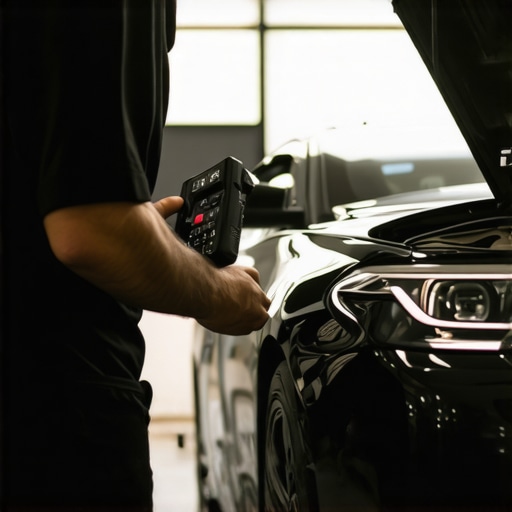
Vehicle Diagnostics: Fast Auto’s Top Tips for Rapid Auto Repairs
In the competitive landscape of auto repair, leveraging sophisticated vehicle diagnostics is not merely a technical necessity but a strategic advantage. For professionals seeking rapid auto repairs, understanding the nuanced application of diagnostic tools can significantly reduce downtime and enhance service quality. This article explores expert insights into optimizing diagnostic processes, integrating cutting-edge technology, and ensuring reliability in fast auto repairs.
At the core of accelerated auto repairs lies the ability to accurately interpret diagnostic trouble codes (DTCs) and sensor data. Advanced diagnostic systems, such as OBD-II scanners, provide a wealth of information, but discerning the root cause requires a deep understanding of vehicle systems and failure modes. For instance, correlating sensor anomalies with mechanical wear patterns allows technicians to prioritize repairs efficiently. Referencing scholarly articles like those from the SAE International can enhance this interpretative skill, ensuring diagnostics translate into swift, effective fixes.
Automation in vehicle diagnostics, including the use of AI-driven analysis and real-time data logging, can revolutionize auto repair workflows. Modern diagnostic platforms equipped with machine learning algorithms can predict potential failures before they manifest visibly, reducing diagnostic cycles. Implementing such systems requires investment but yields long-term gains in speed and accuracy. For example, integrating vehicle health monitoring systems with diagnostic software enables preemptive maintenance, thus minimizing repair times and vehicle downtime. For detailed strategies, consult reliableautocares.com.
Data-driven troubleshooting empowers technicians to make evidence-based decisions, cutting through guesswork. By harnessing historical repair data, diagnostic histories, and real-time sensor feedback, experts can formulate faster solutions. This approach also facilitates the continuous improvement of diagnostic protocols, ensuring that auto repair shops stay ahead of emerging vehicle technologies. Embracing analytics tools and maintaining a comprehensive knowledge base are essential steps toward mastery in rapid auto repairs.
What Are the Limitations of Current Vehicle Diagnostic Technologies in Speeding Up Repairs?
This question reflects ongoing debates among auto repair professionals. Despite technological advances, limitations such as incomplete sensor data, software bugs, or proprietary diagnostic protocols can hinder speed. Recognizing these constraints allows technicians to develop contingency plans, such as manual inspections or cross-referencing multiple diagnostic sources, ensuring that repairs remain swift and reliable. Staying informed through industry forums and continuous training is vital for overcoming these hurdles.
For those committed to refining their diagnostic expertise, exploring additional resources like reliableautocares.com can provide valuable insights. Sharing experiences and techniques with peers fosters a community of excellence dedicated to rapid, accurate auto repairs.
In conclusion, mastering vehicle diagnostics to expedite auto repairs involves a blend of precise data interpretation, automation integration, and data-driven troubleshooting. These strategies not only improve turnaround times but also build trust with clients through consistent, reliable service.
To push auto repair speed beyond current limits, technicians must leverage the latest in continuous diagnostic monitoring. This approach involves integrating sensors and telematics that provide real-time updates on vehicle health, allowing for proactive maintenance rather than reactive fixes. Such systems can alert technicians to issues before they escalate, significantly reducing repair times. For instance, advanced telematics data can identify subtle anomalies in engine performance or transmission behavior, prompting targeted diagnostics that cut through guesswork. This method aligns with industry insights from SAE International, emphasizing the importance of predictive maintenance and intelligent diagnostics in modern auto repair workflows.
In the highly competitive auto repair industry, staying ahead means adopting innovative diagnostic techniques that can drastically cut down repair times. Modern diagnostic tools, powered by artificial intelligence and machine learning, are transforming traditional troubleshooting into a swift, data-driven process. By integrating these technologies, repair shops can not only diagnose issues faster but also predict potential failures, enabling preemptive action that saves both time and costs.
At the heart of rapid auto repairs lies the skillful interpretation of intricate diagnostic data. Advanced OBD-II scanners now aggregate vast amounts of sensor information, but making sense of this data requires deep vehicle system knowledge. For example, correlating fuel system sensor anomalies with ignition system performance can pinpoint root causes more precisely. According to SAE International’s technical papers, sophisticated data analysis techniques enhance the accuracy of diagnostics, reducing guesswork and unnecessary repairs.
Automation is revolutionizing the diagnostic landscape by enabling real-time analysis and predictive maintenance. AI-driven systems analyze vehicle data streams continuously, identifying patterns that precede mechanical failures. Implementing such systems demands upfront investment but pays dividends through faster turnaround times. For instance, telematics integration allows for remote monitoring, alerting technicians to potential issues before they manifest physically, thus minimizing repair durations. Explore detailed strategies at reliableautocares.com.
Harnessing historical repair data and real-time sensor feedback empowers technicians to make swift, evidence-based decisions. This approach reduces diagnostic cycles and enhances accuracy, especially with complex modern vehicles that feature integrated electronic systems. Continuous learning from analytics fosters innovation in diagnostic protocols, ensuring technicians stay ahead of emerging vehicle technologies. Maintaining comprehensive knowledge bases and analytics tools is vital for delivering rapid, reliable service.
What Are the Limitations of Current Vehicle Diagnostic Technologies in Speeding Up Repairs?
This question underscores the ongoing challenges faced by auto repair professionals. Despite technological advancements, issues like incomplete sensor data, proprietary software restrictions, and software bugs can impede diagnostic speed. Recognizing these limitations allows technicians to develop effective contingency plans, such as manual inspections or cross-referencing multiple diagnostic sources. Staying engaged with industry forums and ongoing training ensures that repair specialists can adapt and overcome these obstacles efficiently.
For those eager to deepen their diagnostic expertise, resources like reliableautocares.com offer valuable insights and community-driven knowledge sharing. Embracing continuous learning and peer collaboration fosters a culture of excellence focused on speed, accuracy, and customer satisfaction.
As the auto repair industry strides toward smarter diagnostics, integrating continuous monitoring systems becomes essential. These systems employ sensors, telematics, and cloud analytics to provide ongoing vehicle health assessments, enabling preemptive repairs that drastically cut downtime. Industry leaders emphasize that predictive maintenance, powered by advanced diagnostics, not only accelerates repairs but also prolongs vehicle lifespan and enhances safety.
Hybrid diagnostic platforms that merge traditional hardware with cloud-based analytics are transforming auto repair workflows. These systems leverage vast datasets and machine learning algorithms to identify faults more swiftly than conventional methods. By integrating real-time vehicle telemetry with centralized databases, technicians gain immediate insights, drastically reducing diagnostic times. Industry reports from SAE International emphasize that such integration is pivotal in achieving faster, more accurate repairs, especially as vehicle complexity escalates.
In the quest for speed, meticulous sensor calibration becomes a critical factor. Faulty or misaligned sensors can lead to erroneous diagnostic trouble codes, creating delays. Advanced calibration techniques, including automated alignment tools and dynamic testing procedures, ensure sensor accuracy within seconds. This precision allows technicians to bypass extensive troubleshooting and directly address root causes. For expert calibration protocols, consult specialized automotive engineering journals that detail state-of-the-art methodologies.
Expert-level diagnostic algorithms utilize pattern recognition and anomaly detection to uncover hidden or intermittent failures that elude standard tests. These sophisticated models analyze sensor data streams, historical repair records, and vehicle usage patterns to predict failures before they manifest. Integrating AI-driven diagnostics enables proactive maintenance, minimizing downtime. For an in-depth understanding, see recent studies published by SAE International, which explore predictive analytics in vehicle diagnostics.

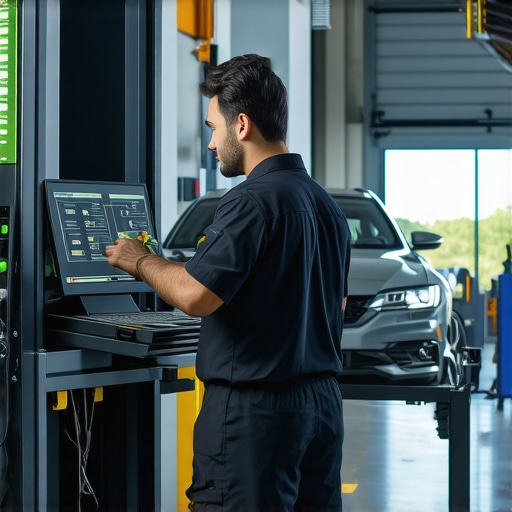
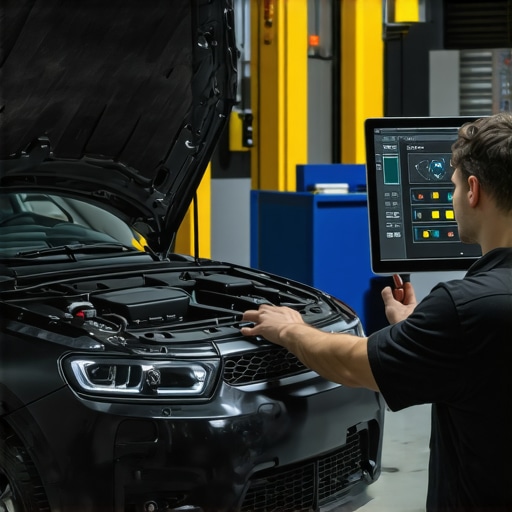
Visualize an advanced diagnostic workstation with integrated AI analysis tools, highlighting real-time data streams and predictive failure detection interfaces.
To keep pace with rapidly evolving diagnostic technologies, comprehensive training modules utilizing virtual reality (VR) and augmented reality (AR) are gaining prominence. These immersive tools allow technicians to practice complex diagnostics in simulated environments, enhancing their proficiency and reducing error rates. Continuous education through VR/AR ensures mastery of cutting-edge systems, translating into faster and more reliable repairs in real-world scenarios. Industry pioneers recommend integrating these tools into regular training schedules for sustained expertise.
As diagnostic systems become more interconnected, safeguarding sensitive vehicle data and repair protocols is paramount. Implementing robust cybersecurity measures, including encryption and access controls, prevents malicious breaches that could compromise vehicle integrity or customer privacy. Experts advocate for adopting industry standards like ISO/SAE 21434, which outline best practices for automotive cybersecurity. Ensuring data security not only protects customer trust but also maintains the integrity of rapid diagnostic processes.
Can Advanced Diagnostics Surpass Human Intuition in Speed and Accuracy?
This question probes the core of expert debates: While human expertise remains invaluable, AI-powered diagnostics are increasingly capable of surpassing manual methods in speed and precision, especially with complex modern vehicles. Machine learning models analyze vast data sets beyond human capacity, identifying subtle failure patterns rapidly. However, expert oversight remains essential to interpret nuanced insights and make final decisions. For a comprehensive perspective, review the latest publications from SAE International on AI in vehicle diagnostics.
Engage with these advanced diagnostic strategies to stay at the forefront of auto repair innovation and ensure your workshop leads in speed, accuracy, and customer satisfaction.
Harness Cutting-Edge Diagnostic Tools for Faster Repairs
Advanced diagnostic tools such as AI-enabled scanners and real-time data loggers serve as game-changers in auto repair shops. Experts recommend investing in systems that integrate machine learning algorithms to predict failures before they occur, significantly reducing diagnostic time and improving service quality. These technologies enable technicians to tackle complex problems swiftly, ensuring customer satisfaction and operational efficiency.
Leverage Data Analytics for Precise Troubleshooting
Utilizing comprehensive analytics—combining historical repair data with sensor outputs—empowers technicians to identify root causes more accurately. This approach minimizes guesswork and streamlines repair workflows, especially with vehicles featuring sophisticated electronic systems. Continuous refinement of diagnostic protocols based on analytical insights enhances speed and reliability in auto repairs.
Implement Continuous Monitoring to Stay Ahead
Real-time vehicle health monitoring through telematics allows for preemptive maintenance, alerting technicians to potential issues before breakdowns occur. This proactive stance drastically cuts repair times and prevents costly repairs down the line. Industry leaders emphasize that predictive diagnostics are essential for maintaining competitive advantage in a fast-paced auto repair environment.
Curated Expert Resources for Deepening Your Diagnostic Expertise
- SAE International Technical Papers: A treasure trove of research on vehicle failure patterns and diagnostic innovations, providing technical depth for experts.
- ReliableAutoCares Blog: Offers practical strategies and case studies on integrating AI and machine learning into diagnostic workflows.
- Automotive Engineering Journals: Specialized publications that explore sensor calibration, algorithm development, and emerging diagnostic technologies.
Final Reflection: Embracing Diagnostic Innovation for Superior Auto Repair
In the realm of auto repair, mastering vehicle diagnostics through expert insights and cutting-edge resources is paramount for delivering rapid, reliable service. With the industry evolving towards predictive maintenance and intelligent systems, staying informed and adaptable is your best strategy. Dive deeper into these advanced diagnostic practices, share your insights, and position your workshop as a leader in fast, precise auto repairs. The future belongs to those who leverage technology wisely—are you ready to lead the charge?
![5 Cheap Tools for DIY 2026 Vehicle Diagnostics [Tested]](https://reliableautocares.com/wp-content/uploads/2026/04/5-Cheap-Tools-for-DIY-2026-Vehicle-Diagnostics-Tested.jpeg)
This article really highlights the importance of integrating advanced diagnostics into everyday auto repair practices. I’ve personally noticed that using AI-driven tools has significantly reduced diagnostic times in my shop, especially when dealing with complex electronic issues. The challenge, however, often lies in ensuring that our team stays updated with the latest technologies and maintains proper calibration routines to avoid inaccuracies, especially with sensors. I wonder, what strategies have others found effective for ongoing training in rapid diagnostics, given the rapid evolution of automotive electronics? Implementing VR/AR training modules could be a game-changer for skill retention and speed. Also, safeguarding vehicle data with robust cybersecurity measures seems crucial as we adopt more connected diagnostic systems. Have you experienced any particular challenges with data security, and how have you addressed them? Overall, embracing these innovations seems vital for maintaining a competitive edge and building customer trust.