Car Service & Vehicle Diagnostics: Fast Auto’s Top Repair Tips
Transform Your Auto Repair Approach with Expert Vehicle Diagnostics
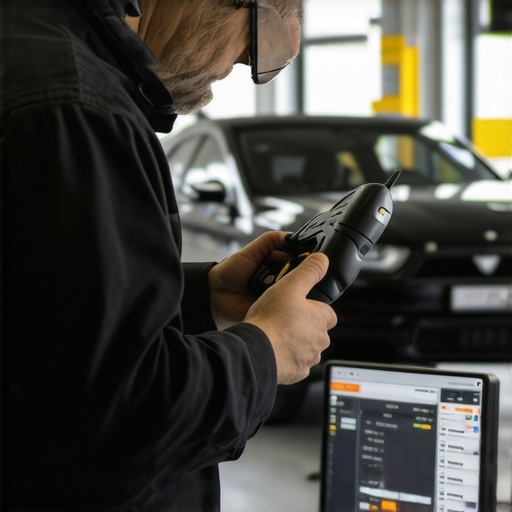
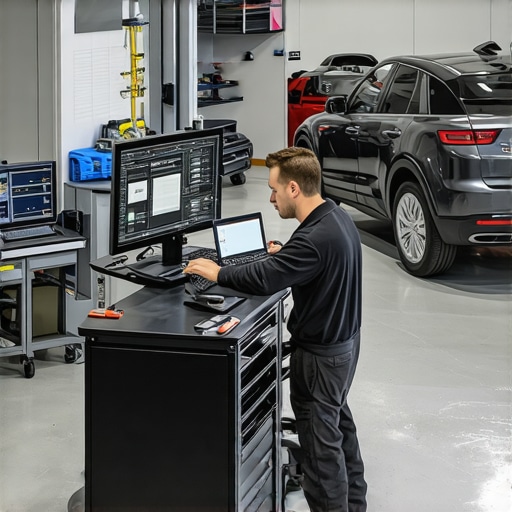
In today’s competitive automotive landscape, efficient car service and precise vehicle diagnostics are not just conveniences but necessities for maintaining peak performance. Fast Auto’s top repair tips emphasize the importance of leveraging advanced diagnostic tools to identify issues early, minimize downtime, and ensure reliable vehicle operation. As an industry expert, I can attest that integrating cutting-edge diagnostic techniques into your routine can significantly enhance repair accuracy and customer satisfaction.
Deciphering Complex Engine Symptoms Through Deep Diagnostics
Modern engines are intricate systems, with multiple subsystems interacting seamlessly. When issues arise—such as unexpected stalling, sluggish acceleration, or fluctuating fuel efficiency—it’s vital to conduct comprehensive diagnostics rather than superficial fixes. Utilizing sophisticated scanner tools enables technicians to interpret error codes, sensor data, and system responses, leading to targeted repairs that save time and resources. For instance, diagnosing a malfunctioning mass airflow sensor requires understanding its impact on air-fuel mixture and combustion efficiency, a task best performed with expert-grade diagnostic equipment.
Prioritizing Preventive Maintenance to Avoid Costly Repairs
Preventive strategies rooted in thorough diagnostics can preempt major failures. Regularly scheduled vehicle health checks, including transmission diagnostics and emission system evaluations, help identify potential issues before they escalate. This approach aligns with the insights from the Auto Repair Journal, highlighting the economic and safety benefits of proactive maintenance. By adopting diagnostic-driven preventive care, auto repair professionals can enhance service quality and foster long-term client trust.
How Can Advanced Diagnostics Revolutionize Your Auto Repair Business
What are the latest innovations in vehicle diagnostics that can streamline repair workflows?
Emerging technologies such as AI-powered diagnostic systems, cloud-based data management, and real-time sensor analytics are transforming how auto repair shops operate. These innovations enable instant problem identification, predictive maintenance, and seamless integration with vehicle history databases, reducing guesswork and increasing repair precision. Embracing these tools positions repair facilities at the forefront of the industry, offering faster turnaround times and superior service quality.
For further insights into optimizing vehicle diagnostics, explore expert transmission repair strategies and their role in achieving reliable vehicle performance.
In conclusion, mastering vehicle diagnostics and adopting a strategic approach to car service elevate your auto repair capabilities. By staying informed about technological advancements and integrating them into your workflow, you can ensure faster, more accurate repairs that meet the high standards expected by today’s discerning vehicle owners. Now is the time to harness expert insights for superior auto maintenance outcomes.
Revolutionizing Auto Diagnostics with Cutting-Edge Technology
As vehicle complexity continues to grow, traditional diagnostic methods often fall short in providing rapid, accurate insights. The integration of AI-driven diagnostic tools and cloud-based systems is transforming the auto repair landscape. These innovations enable technicians to analyze vast amounts of data in real time, predict potential failures before they occur, and optimize repair processes for faster turnaround times. For example, AI algorithms can interpret sensor data more accurately than manual methods, leading to precise repairs that restore vehicle performance efficiently. To explore how these advancements are reshaping the industry, consider reviewing expert transmission repair strategies for reliable vehicle diagnostics.
Challenging Assumptions: Are Manual Checks Becoming Obsolete?
Many auto professionals still rely heavily on manual inspection techniques, believing they are sufficient for most diagnostic scenarios. However, data from industry experts suggest that blending manual methods with advanced diagnostic tools yields the best results. Relying solely on traditional checks can result in missed issues or misdiagnoses, especially in complex systems like hybrid drivetrains or electronic control units. Embracing a diagnostic framework that combines expert knowledge with AI-supported analysis ensures comprehensive coverage, reducing repair time and increasing accuracy. Want to learn more about integrating effective diagnostic workflows? Visit auto repair confidence tips to enhance your diagnostic approach.
How Can Advanced Diagnostics Give Your Auto Repair Business a Competitive Edge?
Adopting the latest diagnostic innovations doesn’t just improve repair accuracy; it elevates your reputation for efficiency and reliability. Faster diagnostics mean quicker service, which appeals to busy customers looking for dependable auto care. Moreover, predictive maintenance capabilities can help you stay ahead of failures, reducing costly callbacks and enhancing customer trust. Industry reports highlight that repair shops leveraging AI and cloud diagnostics experience increased customer satisfaction and higher profit margins. For practical strategies on implementing these tools, check out expert transmission repair strategies for insights into modern diagnostic workflows.
Share your thoughts—what emerging diagnostic technology do you believe will be most impactful in the next five years? Your insights could inspire fellow professionals to adopt innovative solutions and stay ahead in this competitive market!
Embracing the Future: How AI and Cloud Computing Elevate Vehicle Diagnostics
In the realm of automotive diagnostics, staying at the forefront of technological innovation is crucial for maintaining competitive advantage. Artificial Intelligence (AI) and cloud-based systems are not just buzzwords; they are transformative tools that redefine the diagnostic landscape. By leveraging these advanced technologies, auto repair shops can achieve unprecedented accuracy, speed, and predictive capabilities that were once thought impossible.
AI algorithms, trained on vast datasets of vehicle behaviors and failure patterns, enable technicians to interpret sensor data with remarkable precision. For example, machine learning models can identify subtle anomalies in engine performance that human inspectors might overlook, leading to early detection of potential failures. Moreover, these systems continuously learn from new data, refining their diagnostic accuracy over time, which ensures that repairs are based on the most current and comprehensive insights available.
Complementing AI, cloud computing facilitates seamless data sharing and real-time analysis across multiple locations. Imagine a diagnostic system that instantly accesses a vehicle’s entire maintenance history, software updates, and known fault codes stored securely in the cloud. This interconnected approach accelerates diagnosis, reduces redundant testing, and fosters collaboration among specialists worldwide. As noted in the SAE International publication on AI in automotive tech, integrating cloud infrastructure with AI-driven diagnostics enhances predictive maintenance, ultimately minimizing downtime and repair costs.

How Do These Technologies Address Complex Diagnostic Challenges?
Automotive systems are becoming increasingly complex, incorporating hybrid powertrains, autonomous driving features, and sophisticated electronic control units. Traditional diagnostic methods often struggle to keep pace with this complexity. AI-powered diagnostics, however, excel at analyzing multi-layered data streams and correlating disparate fault indicators, providing a holistic view of vehicle health. For instance, an AI system can correlate data from engine control modules, transmission sensors, and battery management systems to pinpoint root causes more accurately than manual techniques.
Furthermore, cloud-based diagnostics enable remote troubleshooting. Technicians can upload vehicle data to the cloud and receive expert analysis without the need for physical presence. This approach is especially advantageous in remote or high-volume repair facilities, where quick turnaround is essential for customer satisfaction. As emphasized in recent studies by the IEEE Transactions on Intelligent Vehicles, these innovations significantly reduce diagnostic time and improve repair precision, setting new industry standards.
For repair professionals eager to adopt these technologies, the key lies in integrating AI and cloud solutions into existing workflows seamlessly. Training staff to interpret AI-generated insights and maintaining robust cybersecurity measures are vital steps toward maximizing benefits. As you consider upgrading your diagnostic arsenal, ask yourself: how can these tools help you not just solve problems faster but also predict and prevent them before they impact your customers?
If you’re interested in exploring practical implementation strategies and case studies, I invite you to delve into specialized resources such as the expert transmission repair strategies that incorporate AI and cloud diagnostics. Embracing these cutting-edge solutions will position your auto repair operation at the industry’s technological forefront, delivering superior service and operational excellence.
Harnessing the Power of Multimodal Diagnostic Integration
Modern automotive repair demands a sophisticated approach that combines various diagnostic modalities to achieve unparalleled accuracy. Integrating OBD-II data with advanced sensor analytics, thermal imaging, and ultrasonic testing creates a comprehensive diagnostic ecosystem. This multimodal strategy enables technicians to pinpoint elusive faults, such as subtle electrical anomalies or internal component wear, which traditional tools might overlook. For example, coupling thermal imaging with engine control module (ECU) diagnostics can reveal hidden overheating issues tied to electrical resistance or lubrication failures, elevating repair precision.
Leveraging Predictive Analytics to Foresee Future Failures
Predictive analytics, powered by machine learning algorithms trained on extensive vehicle maintenance histories, are revolutionizing preventive maintenance. By analyzing real-time sensor data and historical trends, these systems can forecast imminent failures, allowing for preemptive repairs before breakdowns occur. This proactive approach not only reduces downtime but also optimizes resource allocation and inventory management. Industry reports from the Journal of Automotive Engineering underscore the economic and safety benefits of predictive diagnostics, urging repair shops to adopt these innovations.
How Do Real-Time Data Streams Enhance Diagnostic Accuracy?
Real-time data integration from multiple vehicle subsystems allows for dynamic troubleshooting that adapts to evolving conditions. Techniques such as live sensor monitoring, coupled with augmented reality (AR) overlays, enable technicians to visualize system responses instantaneously. For instance, during a drive cycle, live data can reveal transient issues like intermittent sensor disconnections or fluctuating fuel pressure, which static tests might miss. Implementing such real-time diagnostics necessitates sophisticated software solutions that can process high-velocity data streams seamlessly, transforming reactive repairs into predictive and preemptive actions.
Empowering Your Workshop with AI-Enhanced Diagnostic Tools
Artificial Intelligence (AI) is no longer just a concept but a practical asset in vehicle diagnostics. AI-powered systems can interpret complex error code patterns, correlate multi-parameter sensor data, and suggest targeted repair strategies with minimal human intervention. For example, AI algorithms can recognize subtle signatures of hybrid battery degradation or autonomous driving system malfunctions, providing actionable insights that surpass conventional diagnostics. This technological leap requires investment in training and infrastructure but promises substantial gains in repair speed and accuracy. For detailed implementation strategies, explore IEEE’s latest research on AI in automotive diagnostics.

What are the most promising emerging diagnostic tools that can redefine repair workflows?
Emerging tools such as augmented reality-assisted diagnostic interfaces, blockchain-secured vehicle data sharing, and nanotechnology-based sensor probes are poised to transform repair paradigms. AR interfaces overlay diagnostic insights onto physical components, guiding technicians through complex procedures with unprecedented clarity. Blockchain ensures tamper-proof maintenance records and diagnostic data integrity, fostering trust and transparency. Nanotechnology probes can detect microscopic wear and corrosion invisible to standard sensors, enabling early intervention. Embracing these innovations requires a forward-thinking mindset and strategic investment, but the payoff includes streamlined workflows, enhanced accuracy, and elevated customer trust.
Stay ahead of the curve by continuously exploring technological advancements and integrating them into your diagnostic toolkit. The future of auto repair will belong to those who leverage cutting-edge solutions to deliver faster, more reliable service—making your workshop a benchmark of excellence in automotive diagnostics.
Innovate with Diagnostic Integration
In the competitive auto repair industry, integrating multimodal diagnostic tools—such as combining OBD-II data with thermal imaging and ultrasonic testing—can significantly enhance fault detection accuracy. This synergy allows technicians to pinpoint elusive issues like electrical resistance anomalies and internal component wear, elevating repair precision beyond traditional methods.
Leverage Predictive Maintenance for Future-Proof Service
Implementing predictive analytics powered by machine learning enables repair shops to forecast imminent failures. By analyzing real-time sensor data alongside historical maintenance records, technicians can perform preemptive repairs, reducing vehicle downtime and fostering customer trust through proactive service.
Utilize Real-Time Data for Dynamic Troubleshooting
Real-time data streams from multiple vehicle subsystems, processed through augmented reality overlays, facilitate instant visualization of system responses. This approach allows for immediate identification of transient issues, transforming reactive repairs into predictive interventions.
Embrace AI for Diagnostic Precision
AI-driven diagnostic tools interpret complex error code patterns and sensor data correlations, offering targeted repair strategies with minimal human oversight. This technological advantage accelerates problem resolution and enhances repair accuracy, especially in complex hybrid or autonomous systems.
Stay Ahead with Cutting-Edge Diagnostic Technologies
Emerging innovations like augmented reality-assisted interfaces, blockchain-secured data sharing, and nanotechnology-based sensors are revolutionizing auto diagnostics. Adopting these advancements streamlines workflows, improves fault detection, and builds greater customer confidence in your service quality.
Curated Resources for Diagnostic Mastery
- SAE International Automotive Technology Publications: Offers in-depth insights into AI and cloud-based diagnostics, essential for staying current with technological trends.
- IEEE Transactions on Intelligent Vehicles: Provides research on machine learning applications in vehicle diagnostics, fostering innovation.
- Automotive Service Excellence (ASE) Resources: Delivers industry standards and best practices for advanced diagnostics and repair techniques.
- Industry-leading OEM Technical Service Bulletins: Supply manufacturer-specific diagnostic procedures and updates for complex systems.
Final Reflection and Call to Engage
Integrating advanced diagnostic strategies into your auto repair workflow not only enhances repair accuracy but also positions your workshop at the forefront of industry innovation. Embracing these cutting-edge solutions, supported by authoritative resources, ensures your team remains competitive and trusted. I invite industry professionals to share their experiences, explore further training, and stay committed to mastery in vehicle diagnostics—because excellence in auto repair is an ongoing pursuit.