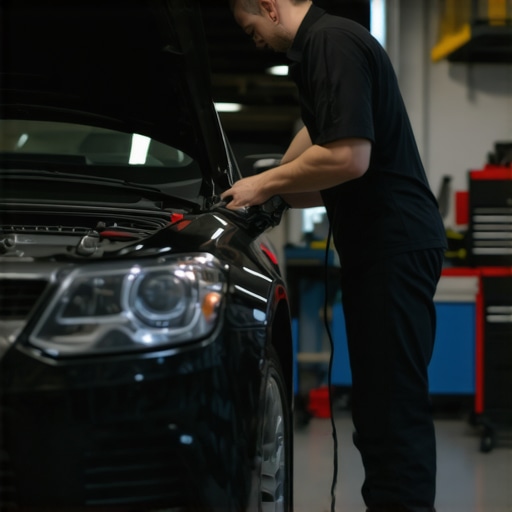
Auto Repair & Vehicle Diagnostics: Ultimate Tips for Fast Results
Unlocking the Complexity of Modern Vehicle Diagnostics: A Deep Dive for Auto Repair Experts
In today’s automotive landscape, the convergence of sophisticated electronic systems and traditional mechanical components necessitates a nuanced understanding of vehicle diagnostics. As an industry authority, leveraging cutting-edge diagnostic tools and methods can significantly expedite auto repair processes, ensuring optimal vehicle performance and customer satisfaction. This article explores advanced diagnostic techniques, the integration of AI-driven analytics, and strategic insights for automotive professionals seeking rapid, reliable results.
The Evolution of Diagnostic Protocols: From OBD-II to AI-Enhanced Systems
Historically, onboard diagnostics (OBD-II) revolutionized auto repair by providing standardized fault codes. However, contemporary vehicles incorporate complex modules such as adaptive cruise control, autonomous braking, and integrated telematics, demanding more than generic error codes. Modern diagnostic protocols now involve multi-layered data analysis, real-time sensor monitoring, and predictive maintenance algorithms. For instance, harnessing AI-powered diagnostic software can interpret vast datasets, identify subtle anomalies, and suggest precise repair interventions, greatly reducing diagnostic time and increasing accuracy.
Integrating Advanced Diagnostic Tools for Swift Results
High-end diagnostic scanners that support manufacturer-specific protocols are indispensable for expert auto technicians. These devices enable deep system scans, component-specific troubleshooting, and firmware updates. Equally important is the use of vehicle-specific diagnostic adapters, which facilitate access to proprietary data streams. Combining these tools with diagnostic software that employs machine learning algorithms enhances the ability to detect intermittent faults, often missed by traditional methods, thus accelerating repair timelines.
Expert Insights into Vehicle Data Interpretation
Understanding the nuances of vehicle data streams—such as CAN bus signals and sensor feedback—is crucial. Experienced technicians interpret this data contextually, correlating fault codes with physical inspection findings. For example, a misfire code combined with live data revealing irregular fuel pressure can pinpoint issues like fuel pump degradation. This layered analysis reduces diagnostic guesswork, streamlines repair workflows, and ensures faster resolution of complex problems.
Addressing the Question: How Can Diagnostics Be Optimized for Rapid Auto Repairs?
What are the best practices for integrating real-time data analytics and traditional diagnostic methods to ensure faster auto repair outcomes?
Optimizing diagnostics involves a hybrid approach—leveraging real-time data analytics alongside hands-on inspection. This strategy includes maintaining up-to-date diagnostic software, continuous training on emerging vehicle systems, and fostering a data-driven culture within repair shops. Establishing protocols for systematic fault isolation, such as starting with high-probability issues identified through analytics, can significantly reduce diagnostic cycles. Additionally, collaboration with OEMs and access to technical service bulletins (TSBs) enhances diagnostic precision.
For further insights on leveraging vehicle diagnostics for faster repairs, explore this comprehensive guide on vehicle diagnostics.
As the industry continues to evolve, embracing AI, machine learning, and integrated diagnostic platforms will be pivotal for automotive professionals committed to delivering rapid, high-quality auto repair services.
Harnessing the Power of Predictive Analytics in Modern Auto Diagnostics
One of the most promising frontiers in automotive diagnostics is the integration of predictive analytics, which leverages historical data and machine learning algorithms to forecast potential failures before they manifest. By analyzing patterns from a vehicle’s past performance, technicians can identify subtle warning signs, such as slight changes in sensor readings or system behavior, that precede breakdowns. This proactive approach not only minimizes repair time but also enhances vehicle reliability and customer satisfaction. For instance, OEMs increasingly utilize predictive models that analyze data streams from telematics systems to schedule maintenance proactively, reducing unexpected downtimes.
Can Diagnostic Strategies Be Fully Automated Without Losing Precision?
While automation in diagnostics offers speed and repeatability, experts caution against relying solely on automated systems. The key lies in hybrid diagnostics—where automated tools handle initial data collection and preliminary analysis, and experienced technicians apply contextual judgment to interpret results. Advanced diagnostic platforms now incorporate AI to suggest probable root causes based on complex data patterns, but human oversight remains vital for nuanced decision-making. This balance ensures diagnostics are both fast and accurate, aligning with industry standards outlined by trusted sources like the Society of Automotive Engineers (SAE).
Strategies for Continuous Skill Enhancement in Diagnostic Technologies
As vehicle systems become increasingly sophisticated, ongoing training is essential for automotive professionals. Regular participation in OEM training programs, certification courses, and industry seminars ensures technicians stay abreast of the latest diagnostic tools and protocols. Additionally, fostering a culture of continuous learning—such as sharing insights from complex repair cases—can amplify diagnostic accuracy. For example, utilizing advanced diagnostic software that supports manufacturer-specific protocols, as explained in top diagnostic tips, encourages skill development and keeps technicians at the forefront of industry standards.
How Can Cross-Disciplinary Knowledge Improve Diagnostic Efficiency?
Integrating knowledge from fields like data science, electrical engineering, and software development can significantly enhance diagnostic precision. For instance, understanding how sensors interact with vehicle networks allows technicians to better interpret data anomalies, reducing diagnostic guesswork. Collaborations between automotive engineers and data analysts can lead to the development of smarter diagnostic algorithms that adapt to new vehicle models swiftly. This multidisciplinary approach not only streamlines repair processes but also fosters innovative solutions, ensuring auto repair shops remain competitive in an evolving industry.
If you’re eager to deepen your diagnostic expertise, consider exploring comprehensive resources such as trusted vehicle diagnostics tips to stay ahead of the curve.
Harnessing the Synergy of Multidimensional Data for Next-Level Diagnostics
Modern vehicle diagnostics extend beyond simple fault codes, embracing a multi-layered data ecosystem that includes CAN bus signals, sensor feedback, and telematics data. Integrating these diverse data streams requires sophisticated analytical frameworks, often rooted in advanced data science techniques. For example, employing machine learning algorithms allows technicians to identify patterns indicative of impending failures, even when individual sensor anomalies are subtle or ambiguous. This holistic approach transforms diagnostic processes from reactive troubleshooting to proactive maintenance planning, dramatically reducing downtime and repair costs.
Developing a Predictive Maintenance Framework Using AI and IoT Technologies
Predictive maintenance is revolutionizing auto repair by utilizing IoT-connected sensors and AI-driven analytics to forecast component failures before they occur. Vehicles equipped with telematics systems transmit continuous data streams to cloud-based platforms, where algorithms analyze historical and real-time information to generate maintenance alerts. This method enables repair shops to schedule interventions during planned downtime, optimizing resource allocation and enhancing customer satisfaction. As OEMs increasingly embed IoT capabilities within vehicle architectures, the integration of predictive analytics becomes an essential skill for automotive professionals seeking to stay ahead in a competitive landscape.
What Are the Challenges in Implementing Fully Automated Diagnostic Systems Without Sacrificing Accuracy?
While automation offers speed and consistency, maintaining diagnostic precision remains a challenge. Automated systems can sometimes misinterpret complex data, especially in cases involving intermittent faults or novel vehicle architectures. To mitigate this, hybrid diagnostic models are essential—combining AI-powered preliminary analysis with expert oversight. Moreover, continuous model training with diverse datasets enhances system robustness. According to a 2022 study published in the SAE International Journal of Commercial Vehicles, integrating human-in-the-loop verification significantly improves accuracy, ensuring that automation complements rather than replaces expert judgment.
Elevating Diagnostic Skills Through Cross-Disciplinary Knowledge
Bridging automotive engineering, software development, and data science creates a powerful knowledge synergy that enhances diagnostic capabilities. For instance, understanding sensor electronics and signal processing enables technicians to better interpret anomalies, while familiarity with software algorithms helps optimize diagnostic tool configurations. Collaborative efforts, such as joint workshops between engineers and data analysts, promote innovation—like developing adaptive diagnostic algorithms that evolve with vehicle technology. This interdisciplinary approach not only improves diagnostic accuracy but also accelerates the integration of emerging technologies into everyday repair practices.
To explore these concepts further, automotive professionals are encouraged to engage with specialized training programs and industry forums dedicated to the latest diagnostic innovations, ensuring they remain at the forefront of this rapidly evolving field.
Decoding the Next Generation of Automotive Diagnostic Protocols
As vehicle architectures evolve, diagnostic protocols have transitioned from traditional OBD-II standards to sophisticated, multi-layered data analysis systems. Integrating vehicle-specific communication interfaces, such as CAN FD and FlexRay, allows technicians to access high-bandwidth data streams essential for real-time fault detection. Leveraging manufacturer-specific diagnostic software enables deep system interrogation, revealing subtle anomalies that generic tools might overlook. This paradigm shift demands that auto repair professionals adopt a comprehensive understanding of digital communication protocols and embedded system architectures to ensure diagnostic precision.
Harnessing Cutting-Edge Diagnostic Hardware for Multidimensional Data Acquisition
Modern diagnostic tools are no longer limited to basic fault code reading; they encompass multi-channel oscilloscopes, high-resolution scanners supporting OEM protocols, and IoT-enabled sensors. These devices collect diverse data types—voltage waveforms, sensor feedback, and network traffic—facilitating holistic analysis. For example, integrating an advanced oscilloscope with diagnostic software allows for detailed waveform analysis of ignition systems, expediting fault identification. Such hardware integration ensures a comprehensive diagnostic approach, enabling faster, more accurate repairs.
Expert-Level Data Interpretation: Beyond Fault Codes to Predictive Insights
Raw data streams from vehicle networks require contextual interpretation. Skilled technicians analyze CAN bus messages, sensor trends, and live telemetry to construct a diagnostic picture. For instance, correlating slight deviations in throttle position sensor data with intermittent engine misfires can reveal underlying mechanical wear or electronic faults. Applying statistical analysis and machine learning algorithms to these datasets uncovers predictive indicators, transforming reactive repairs into proactive maintenance strategies. This level of analysis demands familiarity with vehicle electronics, signal processing, and data analytics.
How Can Automotive Professionals Integrate Advanced Analytics for Faster Results?
What are the most effective methods for combining traditional inspection techniques with AI-driven data analytics to accelerate diagnostics?
Integrating traditional hands-on inspection with AI-powered analytics involves establishing a layered diagnostic workflow. Maintaining up-to-date software, utilizing machine learning models trained on extensive vehicle data, and fostering continuous technician training are critical. Implementing systematic fault prioritization based on predictive analytics—such as focusing first on components exhibiting early warning signs—reduces diagnostic cycles. Engaging with OEMs for access to proprietary diagnostic data and technical bulletins further refines accuracy. This hybrid approach maximizes diagnostic efficiency without sacrificing precision, aligning with industry best practices outlined by SAE International.
For those seeking to elevate their diagnostic capabilities, exploring resources like this comprehensive guide on vehicle diagnostics is highly recommended.
Why Is Cross-Disciplinary Knowledge Critical for Diagnostic Innovation?
Bridging automotive engineering with data science and software development fosters innovative diagnostic solutions. Understanding sensor electronics, embedded firmware, and network protocols empowers technicians to interpret complex data patterns accurately. Collaborations between automotive engineers and data analysts lead to the development of adaptive diagnostic algorithms capable of evolving with emerging vehicle technologies. This multidisciplinary synergy not only shortens repair times but also facilitates the creation of smarter diagnostic tools that anticipate failures before symptoms manifest, thus revolutionizing the repair landscape.
Advanced Data Ecosystems: Integrating Multi-Source Information for Proactive Maintenance
Next-generation diagnostics leverage multi-source data, including telematics, sensor arrays, and vehicle history logs. Employing advanced analytics and machine learning models enables the identification of subtle failure precursors, transforming maintenance from reactive to predictive. For example, analyzing telematics data to detect early signs of battery degradation allows for scheduled interventions, preventing roadside failures. Developing such integrated data ecosystems requires expertise in cloud computing, cybersecurity, and system integration, positioning automotive professionals at the forefront of diagnostic innovation.
What Are the Challenges and Solutions for Fully Automated, Yet Precise, Diagnostic Systems?
Automation promises speed but presents challenges in maintaining diagnostic accuracy, especially with complex, evolving vehicle architectures. A hybrid model—combining AI-driven initial analysis with expert validation—ensures reliability. Continuous refinement of diagnostic algorithms through extensive datasets, including edge cases, enhances robustness. Human oversight remains vital for interpreting ambiguous data and making nuanced decisions. As highlighted by SAE standards, balancing automation with expert judgment ensures diagnostics are both rapid and trustworthy, safeguarding industry integrity.
Expanding Diagnostic Skills Through Interdisciplinary Expert Collaboration
Integrating insights from electrical engineering, computer science, and automotive design enhances diagnostic precision. For example, electrical engineers can optimize sensor placement and signal integrity, while data scientists develop models that detect failure patterns. Cross-disciplinary workshops and joint research initiatives foster innovation, leading to smarter diagnostic tools and protocols. Encouraging such collaborations ensures technicians are equipped with a diverse skill set, enabling them to navigate complex vehicle systems efficiently and effectively.
To deepen your expertise in this domain, consider engaging with specialized training programs, industry seminars, and collaborative forums focused on the latest diagnostic advancements and interdisciplinary approaches.
Expert Insights & Advanced Considerations
1. Embrace Multidisciplinary Knowledge
Integrating electrical engineering, data science, and automotive design enhances diagnostic accuracy. Understanding sensor electronics and signal processing allows technicians to interpret anomalies precisely, leading to faster resolutions.
2. Leverage Predictive Analytics
Utilize AI-driven models and telematics data to forecast failures proactively. This approach minimizes repair time and maximizes vehicle reliability, providing a competitive edge in auto repair services.
3. Adopt Hybrid Diagnostic Models
Combine automation with expert judgment. Automated systems handle data collection and initial analysis, while skilled technicians interpret complex patterns, ensuring high diagnostic precision.
4. Continuous Skill Development
Engage in OEM training, certification courses, and industry seminars to stay current with emerging vehicle systems and diagnostic tools. Cultivate a culture of ongoing learning within the repair shop.
5. Implement Multi-Source Data Integration
Use advanced analytics to synthesize CAN bus signals, sensor feedback, and telematics data. This holistic view enables predictive maintenance and reduces unexpected breakdowns.
Curated Expert Resources
- SAE International: Offers standards and publications on automotive diagnostics and automation best practices.
- OEM Technical Service Bulletins: Critical for understanding manufacturer-specific diagnostic procedures and updates.
- Industry Seminars and Certification Programs: Providers like ASE and OEM-specific training centers keep technicians ahead of technological advancements.
- Research Journals in Automotive Engineering: Journals such as SAE International Journal of Commercial Vehicles provide insights into cutting-edge diagnostic innovations.
Final Expert Perspective
In the realm of vehicle diagnostics, a comprehensive, multidisciplinary approach that incorporates predictive analytics, hybrid models, and continuous learning is essential for delivering rapid, reliable auto repairs. Leveraging authoritative resources and embracing technological innovation positions automotive professionals at the forefront of industry excellence. Engage with these advanced strategies and resources to elevate your diagnostic expertise, ensuring your repair processes are both efficient and future-proof. For ongoing professional development, explore this authoritative guide on vehicle diagnostics and stay ahead in a rapidly evolving industry.
This article really highlights how much the diagnostic landscape has evolved over recent years. I’ve personally seen how integrating AI tools within our shop has cut down diagnostic times considerably, especially on complex modern vehicles. One challenge we face, however, is ensuring the data we get from these advanced systems is interpreted correctly, as sometimes the algorithms can suggest root causes that seem plausible but aren’t the actual problem. It’s a delicate balance between trusting automated insights and applying seasoned judgment. I also find that continuous training on the latest diagnostic software and vehicle architectures plays a crucial role in maintaining accuracy. I’m curious, how do other technicians here keep up with the rapid pace of technological change without feeling overwhelmed? Are there specific resources or methods you’ve found particularly effective for ongoing learning and skill enhancement? I think fostering a culture of collaboration between data analysts, electrical engineers, and techs could really push our diagnostic capabilities even further.
This article really underscores the importance of integrating both advanced diagnostic tools and solid mechanical knowledge in today’s repair shops. I’ve personally seen how utilizing AI-enabled scanners combined with thorough physical inspections leads to much faster and accurate fault localization, especially in vehicles with multiple complex systems. One thing I’ve noticed is that the technology continues to advance so rapidly that continuous education is no longer just beneficial but essential. I’m curious about others’ experiences—what are some of the most effective ways you’ve found to stay current without feeling overwhelmed by the constant influx of new systems and diagnostic protocols? Do you prefer formal OEM training, online courses, or peer-to-peer knowledge sharing? Also, I believe fostering strong communication between software developers and technicians would help tailor these diagnostic tools more effectively for real-world applications. What strategies have you implemented in your shop for ongoing skill development to keep pace with industry advancements?
This article really resonates with my experience in modern auto diagnostics. The shift toward integrating AI and predictive analytics is transforming how we approach vehicle repair, especially with the complex systems now embedded in newer models. I’ve found that keeping pace with these advancements requires more than just skill; it demands a mindset of continual learning and adaptability. In my shop, we’ve started leveraging online OEM training modules and participating in industry webinars, which have been incredibly helpful. Additionally, fostering collaboration between the electrical team and data analysts has proven essential — these interdisciplinary efforts often lead to more accurate diagnoses. Regarding ongoing education, do others find that formal certifications are enough, or is hands-on experience with new tools more impactful? I’d love to hear how different shops balance continuous training with daily operations. Also, what are some innovative ways you’ve seen shops implement cross-disciplinary collaboration to improve diagnostic efficiency? It seems that embracing these innovations not only shortens repair times but also improves overall customer satisfaction.
This deep dive into vehicle diagnostics really highlights how integral modern tools are becoming in our industry. Personally, I’ve been experimenting with AI-driven analysis software for a few months now, and the reduction in diagnostic cycles is noticeable, especially on complex modules like telematics and adaptive systems. However, I agree that the human element remains crucial — interpreting data correctly and knowing when to probe physically can’t be automated entirely. I’ve found that regular workshops with OEM specialists and attending industry conferences helps me stay updated on emerging protocols. What strategies do others use to balance hands-on diagnostics with knowledge of new software systems? Also, has anyone experienced challenges integrating these advanced diagnostics into budgeting and workflow planning? I’m curious how different shops allocate resources to keep up with technological advancements while maintaining profitability.
This article hits home as I’ve been integrating AI diagnostic tools in my shop for the past year. The reduction in troubleshooting time, especially on complex modules, has been remarkable. Yet, I agree with the need for seasoned judgment—AI provides valuable data, but the technician’s experience guides the right interpretation. One thing I’ve found helpful is creating a continual training program focused on both software updates and hardware diagnostics, which keeps the team sharp and adaptable. I’m particularly interested in how others are balancing investment in new technology with maintaining profitable workflows. Do you think that fully automated diagnostics might risk overlooking subtle mechanical issues, or does blending human oversight with AI actually enhance accuracy? I’d love to hear insights on how shops are managing this balance while staying efficient and cost-effective.