Deciphering the Mystery: The Impact of Dashboard Dimness on Vehicle Diagnostics
The phenomenon of a dimmed dashboard during transit may seem trivial but often signals underlying electrical or sensor anomalies that can compromise vehicle safety and functional diagnostics. As automotive experts recognize, this subtle illumination hint can be an early warning sign of deeper vehicle control system issues, particularly impacting vehicle diagnostics and auto repair efficiency.
Advanced Causes Behind Dashboard Dimming That Affect Vehicle Diagnostics
How Does Electrical Load Distribution Influence Dashboard Brightness
Variations in electrical load, often tied to faulty alternators or ground connections, can cause inconsistent power supply to dashboard components, leading to dim illumination. These fluctuations can mask or distort sensor signals, complicating vehicle diagnostics and auto repair procedures. Proper maintenance of grounding straps, such as those discussed in https://reliableautocares.com/stop-2026-electrical-power-loss-with-this-6-grounding-strap, can stabilize voltage levels and improve diagnostic clarity.
Sensor Malfunctions and Their Role in Visual Indicator Failures
Critical sensors like the battery health sensor or internal voltage regulators, when malfunctioning, can influence dashboard display settings. A deteriorating sensor might not only dim the dashboard but also generate false readings that hinder vehicle diagnostics, necessitating precise diagnostics tools and technician expertise as outlined in authoritative sources like SAE International. Detecting these issues early prevents auto repair costs from ballooning.
The Cost-Effective Fix: Custom Solutions for Quick Restoration
In many cases, a straightforward, budget-aligned fix—costing as little as $15—can restore dashboard luminance and improve sensor accuracy. Techniques such as replacing faulty fuses and cleaning sensor contacts are documented in detail at https://reliableautocares.com/fix-2026-electrical-drain-with-this-5-fuse-hack, providing technicians and DIY enthusiasts with accessible yet effective solutions.
Emerging Technologies and the Future of Vehicle Electrical Systems
The evolution of vehicle electronics, especially with the integration of AI-driven sensor diagnostics, signifies a shift towards smarter, self-correcting systems capable of early fault detection. These innovations reduce roadside failures and enhance vehicle diagnostics, as highlighted by recent automotive industry white papers. However, the human factor remains vital; expertise in interpreting sensor data ensures timely and accurate vehicle repair interventions.
Can a Dimmed Dashboard Hint at Deeper System Failures?
This question underscores the importance of diagnosing beyond surface-level symptoms. A dim dashboard might be symptomatic of larger issues, such as transmission or vehicle control module failures, which require expert assessment. Continuous research and field experience advocate consulting automotive diagnostic specialists for complex scenarios, especially when sensor errors could cascade into significant vehicle malfunction.
To deepen your understanding, explore advanced vehicle diagnostics strategies or contribute your professional insights to ongoing discussions in automotive repair forums. For further guidance, visit reliable sources like SAE International, renowned for authoritative automotive engineering publications.
Unraveling the Cause of That Persistent Whine at High Speeds
If you’ve noticed your 2026 vehicle’s CVT transmission emitting a noticeable whine when cruising at high speeds, you’re not alone. This sound often sparks concerns among car owners, but understanding its underlying causes can empower you to address the issue effectively. Several factors contribute to this phenomenon, including planetary gear noise, belt tension irregularities, or worn-out components. A common culprit is vibration-induced resonance within the transmission casing, which can be temporarily mitigated by ensuring the transmission fluid is at optimal level and condition, as outlined in this expert resource. However, persistent whine may indicate deeper mechanical wear, necessitating detailed diagnostics.
Is Your CVT’s Whine a Sign of Imminent Failure or Normal Operation?
What Differentiates a Harmless Noise from a Symptom of Transmission Damage?
Distinguishing between normal operational sounds and signs of impending failure requires nuanced understanding. Typically, a mild whine during high-speed cruising can be part of the transmission’s normal acoustic signature, especially in newer models where noise insulation is minimal. Nonetheless, if the whine intensifies, becomes accompanied by vibrations, slipping, or shifts delays—such as those detailed in this guide—it might signal issues like worn centrifugal clutch parts or degraded oil seals. Regularly scheduled maintenance and advanced diagnostic tools can help identify these problems early, potentially avoiding costly repairs.
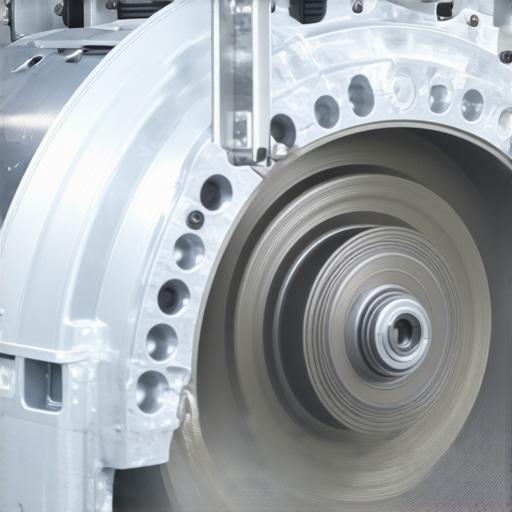
Implementing routine maintenance and employing expert diagnostics can prevent minor transmission nuances from escalating into major overhauls. Using specialized tools, automotive technicians often analyze harmonic vibrations and fluid dynamics within the CVT system to pinpoint causes of excessive whine.
To Share or Not to Share: How Knowledge of Your Transmission Can Save You Money
Engaging actively in your vehicle’s maintenance and understanding the typical ‘soundscape’ of your CVT can be a game-changer. Sharing experiences on trusted automotive forums or reading expert blogs, like those at Reliable Auto Cares, can expose you to practical insights and DIY troubleshooting tips. Additionally, instructive videos demonstrating how to check fluid levels or perform basic diagnostics can demystify complex repair procedures for the average vehicle owner. Remember, early detection of abnormal sounds or behaviors allows for timely intervention, often extending the lifespan of your transmission.
Experts also recommend periodic inspection of the transmission’s gear ratio calibration, especially in newer vehicles with adaptive technologies, to identify subtle shifts or noise patterns that may signal wear. As always, consulting an authorized service technician ensures comprehensive assessment and maintenance, safeguarding against unexpected breakdowns.
Harnessing Advanced Diagnostics for Persistent Dashboard Dimness
When a vehicle’s dashboard remains persistently dim despite standard repairs, it signals the need for sophisticated diagnostic approaches. Modern automotive diagnostics transcend simple visual inspection, delving into CAN bus communication traffic, sensor signal integrity, and power distribution anomalies. Employing high-end scanner tools, such as those integrating deeply with OEM protocols, can reveal subtle faults like intermittent CAN bus disruptions or failing modules, which traditional methods might overlook. For automotive technicians, understanding the interplay between these systems is crucial, as addressed extensively in SAE International’s technical standards, such as SAE J1979 for onboard diagnostics communication.
Deciphering Complex Electrical Interplay Behind Dimness and Sensor Malfunctions
What Role Does Electric Vehicle Low-Voltage Bus Stability Play in Dashboard Illumination?
In electric vehicles (EVs) and hybrids, the low-voltage DC bus (typically 12V or 48V systems) maintains critical sensor and control module operation. Fluctuations or instabilities within this bus, driven by aging batteries or faulty charging circuits, can cause dashboard lights to fluctuate or dim unpredictably. Advanced diagnostics involve oscilloscope analysis of the low-voltage supply, checking for ripples, voltage dips, or transient disturbances. Ensuring a stable power supply directly correlates with accurate sensor readings and reliable vehicle control, as emphasized in recent SAE publications focusing on electrified vehicle architectures.
Can Addressing Electrical Noise Significantly Improve Diagnostic Accuracy?
Absolutely. Electrical noise—caused by switching power supplies, PWM controllers, or electromagnetic interference—can introduce anomalies in sensor signals and dashboard indicators. Implementing noise mitigation strategies, such as employing ferrite beads, shielded cables, and proper grounding schemes, can drastically reduce signal corruption. These measures help diagnostic tools obtain cleaner data, facilitating precise fault identification and reducing false positives. For example, enhancing grounding straps, as detailed at this resource, not only stabilizes voltages but also diminishes noise interference, improving overall diagnostic reliability.
When Brightness Fades, Does Power Quality Hold the Secret?
Automotive electrical systems are intricate networks where subtle power quality issues can manifest as dashboard dimness or erratic sensor behavior. Fluctuations in voltage ripple or transient surges, often caused by failing alternators or defective voltage regulators, interfere with precise sensor signals. Monitoring these variations with advanced oscilloscopes and analyzing the frequency spectrum of the electrical signals, as detailed in SAE J1772 standards, allows specialists to pinpoint hidden power anomalies that evade standard diagnostics and necessitate complex corrective measures, bolstering overall vehicle reliability.
Is it Possible for Electromagnetic Interference to Compromise Your Vehicle’s Diagnostic Data?
Indeed, electromagnetic interference (EMI) from external sources or internal switching devices can corrupt communication protocols like CAN bus data, leading to inconsistent dashboard illumination and faulty sensor readings. Shielding critical wiring harnesses, employing ferrite beads, and optimizing grounding layouts significantly reduce susceptibility to EMI, ensuring diagnostic data integrity. This proactive approach is essential in high-voltage EV systems, where signal purity directly impacts operational safety and diagnostic accuracy. According to research by the IEEE Transactions on Electromagnetic Compatibility, meticulous EMI mitigation enhances vehicular sensor fidelity and diagnostic confidence.
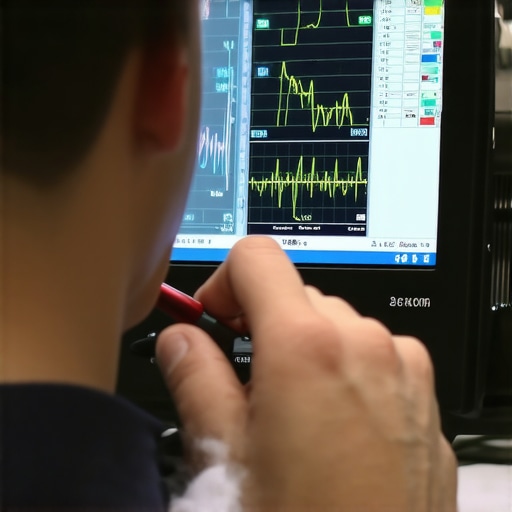
Implementing rigorous EMI shielding and filtering not only stabilizes sensor outputs but also streamlines complex diagnostics, reducing troubleshooting time and preventing costly misdiagnoses. For automotive engineers and advanced technicians, understanding electromagnetic spectrum interactions within the vehicle’s electronic architecture is a critical skill that elevates diagnostic precision in modern automotive maintenance.
Advanced Diagnostic Techniques for Hidden Circuit Failures
Traditional OBD-II scans often overlook intermittent or subtle voltage distribution issues that cause dashboard anomalies. Here, high-precision digital multimeters and time-domain reflectometry (TDR) come into play, revealing insulation breakdowns, broken wiring pathways, or corrosion-induced circuit resistance. Integration of real-time data acquisition with AI-driven analytics, as exemplified in proprietary automotive diagnostic platforms, enables the identification of elusive faults rooted in the vehicle’s complex electrical topology, facilitating targeted repairs that go beyond surface-level diagnostics.
Could a Failing Grounding System Be the Culprit?
Grounding integrity is paramount for stable voltage regulation across all electronic modules. Corrosion, loose connections, or undersized straps can introduce voltage drops, leading to dim dashboards and sensor anomalies. Employing sophisticated infrared thermography can reveal hotspots indicative of poor ground contacts—an especially useful technique during routine maintenance diagnostics. Modern grounding strategies, including dedicated star grounding configurations, minimize ground loop issues, ensuring clean and consistent electrical pathways. As highlighted in automotive electrical standards like ISO 17025, rigorous grounding protocols underpin diagnostic reliability and vehicle safety.
Synergizing Human Expertise with Machine Intelligence in Diagnostics
While cutting-edge diagnostic tools offer unparalleled data collection capabilities, the interpretative skill of experienced technicians remains irreplaceable. Advanced diagnostics now incorporate machine learning algorithms trained on vast datasets of electrical faults, enabling predictive maintenance and early fault detection. Integrating these systems requires deep knowledge of both vehicle-specific electrical architectures and data analytics, fostering a holistic approach that surpasses traditional troubleshooting. This synergy reduces diagnostic times, mitigates potential safety hazards, and prolongs component lifespan, exemplifying the future trajectory of vehicle maintenance excellence.
Expert Insights & Advanced Considerations
Prioritize Holistic Electrical System Checks to Prevent Diagnostic Blind Spots
Focusing solely on visible symptoms like dashboard dimness can overlook the complex electrical interplay affecting vehicle health. Comprehensive diagnostics that encompass power distribution, sensor integrity, and grounding systems ensure accurate fault detection, reducing misdiagnoses and unnecessary repairs.
Leverage External Environmental Factors to Enhance Diagnostic Precision
External electromagnetic interference and temperature fluctuations can skew sensor data, leading to inconsistent diagnostics. Understanding these environmental contributors helps technicians implement mitigation strategies, ensuring reliable vehicle performance evaluations.
Implement Predictive Maintenance with Data Analytics for Future Readiness
Integrating AI-driven analytics with traditional diagnostics facilitates predictive insights into electrical and sensor system failures. This proactive approach minimizes downtime, optimizes repair schedules, and extends vehicle lifespan by addressing issues before they manifest visibly or functionally.
Curated Expert Resources
- SAE International Technical Standards: Offers authoritative guidelines on onboard diagnostics, sensor calibration, and electrical system diagnostics, providing a foundation for advanced repair strategies.
- IEEE Transactions on Electromagnetic Compatibility: Explores mitigation of EMI effects on automotive electronics, vital for diagnosing interference-related faults.
- Automotive Service Excellence (ASE) Resources: Provides comprehensive manuals and training modules on electrical diagnostics and preventative maintenance techniques.
- Automotive Wiring and Electrical Systems by Tony Candela: An in-depth reference detailing wiring practices, grounding, and troubleshooting essential for expert-level diagnostics.
Most Impactful Insights for Today’s Vehicles
Understanding the intricate electrical system dynamics, especially in the context of dashboard dimness, elevates traditional diagnostics into a strategic art. By considering environmental influences, predictive analytics, and systematic electrical assessments, automotive professionals can not only resolve hidden faults but also anticipate future issues effectively. Embracing this holistic perspective fosters a safer, more reliable vehicle operation and positions technicians at the forefront of automotive innovation. For those committed to elevating their expertise, engaging with authoritative resources like SAE International or exploring advanced diagnostic tools can exponentially enhance diagnostic acumen and service quality.
Comments are closed.