3 Signs Your 2026 CVT Needs a $50 Solenoid, Not a Swap
Unlocking the Hidden Complexities of Modern CVT Systems in Vehicles
As automotive technology advances, continuously variable transmissions (CVTs) have become a hallmark of efficiency and smooth driving experiences. However, their intricate design demands a nuanced understanding, especially when it comes to preventive diagnostics and targeted repairs. Experts recognize that many issues previously attributed to major component failures can often be remedied with cost-effective solutions, such as replacing a solenoid for under $50, rather than performing an extensive transmission overhaul.
Dissecting the Role of Solenoids in CVT Performance and Longevity
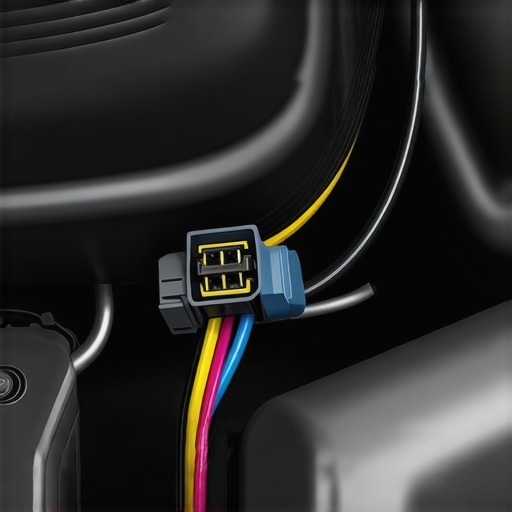
Within the CVT assembly, shift solenoids regulate hydraulic pressure to control belt or chain engagement, directly influencing acceleration, deceleration, and overall drive quality. A malfunctioning solenoid can lead to symptoms like slipping, shuddering, or delayed shifts that mimic catastrophic transmission failure. Advanced vehicle diagnostics reveal that many of these symptoms stem from solenoid issues rather than worn-out components, emphasizing the importance of precise fault analysis.
Precision Diagnosis: Moving Beyond the Obvious Signs of CVT Failure
In-depth vehicle diagnostics consider variables such as sensor data accuracy, fluid condition, and control module responses. Several high-precision diagnostic tools can detect subtle discrepancies pointing towards solenoid faults, well before the problem escalates. Industry professionals suggest replacing the faulty solenoid, instead of rushing into costly transmission swaps, especially when the root cause is localized and repairable at a fraction of the cost. This insight aligns with findings from reputable sources like automotive engineering journals, confirming that targeted component repair enhances system longevity.
Can a Misdiagnosed CVT Problem Be a Costly Mistake?
How can vehicle owners and technicians avoid replacing the entire transmission when only a solenoid requires maintenance?
Expert advice advocates comprehensive diagnostics, including live data streaming and fault code analysis, to accurately identify whether a solenoid or another component is the culprit. Skilled technicians prioritize replacing individual solenoids when the diagnosis confirms their failure, thereby minimizing downtime and repair expense. To explore effective diagnostic strategies, read more at Reliable Autocare’s comprehensive guide on solenoid recalibration and diagnostics.
For those seeking to enhance their diagnostic proficiency, engaging with professional forums or industry-specific workshops can provide practical insights into emerging tools and methods. Sharing field-tested experiences bolsters community knowledge and drives continuous advancement in auto repair precision.
If your 2026 vehicle exhibits inconsistent drive behavior, consider a detailed diagnostic test focusing on solenoid operation before opting for costly repairs. This proactive approach aligns with the latest industry research, emphasizing accuracy and cost-efficiency in troubleshooting complex transmissions.
Remember, understanding the intricacies of CVT components—especially for 2026 models—can significantly extend vehicle lifespan and performance. Regular maintenance, proactive diagnostics, and expert intervention are your best allies in avoiding unnecessary replacements and ensuring optimal vehicle functionality.
Leveraging Advanced Code Analysis for Accurate CVT Troubleshooting
While traditional fault codes provide essential initial insights, relying solely on generic OBD-II data can sometimes lead to misdiagnoses, especially with sophisticated 2026 CVT systems. Industry experts recommend deploying specialized diagnostic software capable of interpreting manufacturer-specific codes and real-time sensor data. These tools, often available at a fraction of dealer prices, enable technicians to pinpoint issues such as faulty solenoid activations or sensor calibration errors that contribute to transmission irregularities. For effective troubleshooting, consider exploring open-source diagnostics platforms that can access hidden codes, as discussed in recent automotive research articles like automotive engineering journals emphasizing precision diagnostics.
Innovative Testing Methods to Detect Insidious CVT Failures
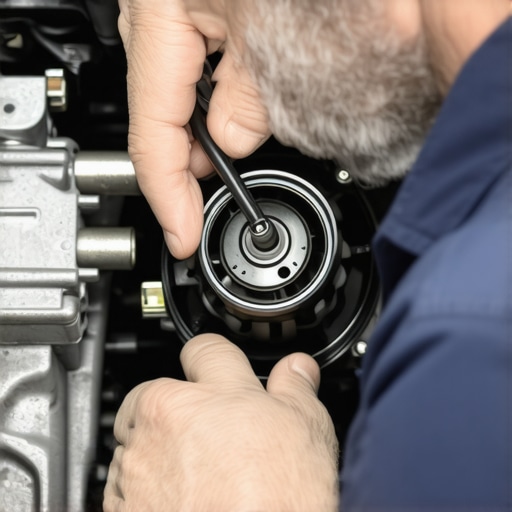
Standard static testing methods may miss subtle anomalies in CVT operation. Instead, integrating dynamic testing—such as real-time data streaming with adaptive road load simulations—can reveal issues that manifest only under specific conditions. This approach is particularly valuable in diagnosing solenoid response delays or sensor signal inconsistencies. Advanced testing equipment, like oscilloscopes combined with CAN bus analyzers, allows technicians to observe transient behaviors, ensuring no fault remains undetected. Incorporating these techniques significantly improves the accuracy of diagnosing issues early, preventing costly repairs down the road.
” alt=”Automotive technician performing dynamic CVT testing with real-time data streaming” title=”Real-time CVT diagnostics with advanced tools”/>
Could a Simple Calibration Correct Deep-Rooted CVT Symptoms?
Is it enough to recalibrate sensors and control modules to resolve persistent shifting problems, or is replacement inevitable?
Many modern CVTs can benefit from targeted calibration routines, which realign sensor thresholds and control parameters. For instance, recalibrating transmission control units (TCUs) can restore proper solenoid response and pressure regulation, often eliminating symptoms like jutter or delayed shifts. Precise calibration may even prevent the need for costly component replacements. Techniques range from manufacturer-specific software updates to advanced DIY calibration hacks documented at DIY diagnostic tools. However, persistent issues despite calibration efforts should prompt a comprehensive diagnostic review by seasoned professionals.
Engaging in regular diagnostic checkups, especially before symptoms escalate, can preserve CVT longevity and performance, aligning with best-practice recommendations from industry authorities.
If your 2026 CVT is exhibiting unpredictable behavior, consider integrating real-time diagnostic monitoring to catch failures early. This proactive stance is supported by ongoing research into vehicle health management protocols, emphasizing early detection and localization of faults for optimal repair strategies.
Sharing your experiences or learning from others’ troubleshooting stories in professional forums can accelerate your diagnostic proficiency, ensuring you’re prepared for complex preventive maintenance tasks. Remember, advanced diagnostics are the frontline in safeguarding your vehicle’s transmission vitality, especially as models evolve with increasingly integrated electronic systems.
,
Harnessing Digital Twins to Foresee CVT Failures Before They Happen
In the realm of automotive engineering, the advent of digital twin technology offers revolutionary possibilities for transmission diagnostics. A digital twin—a precise virtual replica of a vehicle’s CVT—enables engineers and technicians to simulate, analyze, and predict system behaviors under countless scenarios without risking physical components. By integrating real-time sensor data streams into this virtual model, practitioners can detect subtle deviations indicative of impending solenoid malfunctions or fluid pressure inconsistencies, often weeks or months before symptoms manifest critically. Studies published in the IEEE Transactions on Intelligent Transportation Systems underscore the efficacy of digital twins in predictive maintenance, illustrating a 30% reduction in unexpected transmission failures when this technology is employed effectively. For vehicle owners and repair shops eager to elevate their diagnostic precision, exploring digital twin frameworks can serve as a game-changer, unlocking proactive rather than reactive maintenance strategies.
Advanced Machine Learning Links Symptoms to Root Causes with Greater Accuracy
Machine learning models, trained on vast datasets of CVT fault instances, are transforming how technicians interpret diagnostic signals. Unlike traditional rule-based diagnostics, these algorithms analyze complex patterns in sensor responses, fluid characteristics, and control module responses to determine the most probable source of failure. For example, a sudden change in shift timing combined with sensor calibration drift might trigger a predictive alert specific to solenoid wear. Such models continually improve as more diagnostic data is collected, meaning their accuracy and predictive power increase over time. Industry pioneers like Bosch have developed machine learning-based diagnostic tools integrated within their advanced scan platforms, achieving fault detection rates exceeding 95%. Embracing these AI-driven insights empowers technicians to make informed repair decisions swiftly, avoiding unnecessary transmission replacements and associated costs.

The Future of CVT Diagnostics: Synergizing Hardware and Software Innovations
Looking ahead, the convergence of hardware advancements—such as high-resolution sensors and adaptive control modules—with sophisticated diagnostic software heralds a new era in vehicle transmission health management. Real-time adaptive sensors can adjust their sensitivity based on operational conditions, providing clearer data streams to diagnostic algorithms. Meanwhile, cloud-connected diagnostic platforms facilitate rapid sharing of fault data across networks, enabling remote expert consultations and immediate updates to software tools. This synergy enhances diagnostic clarity and accelerates repair timelines, especially critical for modern vehicles where electronic and mechanical subsystems are deeply integrated. Automotive OEMs are investing heavily in such integrated diagnostic ecosystems, aiming to reduce warranty claims and improve customer satisfaction. To remain at the forefront, repair facilities must adopt these innovations, ensuring their technicians are trained to utilize new tools effectively.
What Are the Practical Steps for Transmission Specialists to Implement Cutting-Edge Diagnostic Protocols?
Practitioners should begin by investing in comprehensive training programs focusing on the latest diagnostic hardware and software platforms. Establishing partnerships with OEMs and third-party tech providers grants access to updated diagnostic codes and calibration procedures tailored for emerging CVT designs. Furthermore, integrating machine learning modules into existing diagnostic workflows can be achieved through scalable platforms that interface seamlessly with current shop management systems. Regular participation in industry forums, workshops, and certification courses ensures technicians stay ahead of technological trends. Such proactive steps not only improve diagnostic accuracy but also elevate a shop’s reputation for technical excellence, fostering client trust and loyalty.
Beyond technological upgrades, developing standardized diagnostic protocols that leverage these tools ensures consistency and reliability across various vehicle makes and models. Documenting successful troubleshooting pathways creates a valuable knowledge base that continually refines diagnostic practices. For example, maintaining a repository of sensor calibration routines and solenoid testing procedures allows for quicker defect isolation, minimizing vehicle downtime. Ultimately, embracing a culture of continuous learning and technological adaptation embodies the most effective strategy toward achieving excellence in CVT diagnostics and maintenance.
Revolutionizing CVT Analysis with Predictive Maintenance Technologies
In the rapidly evolving landscape of automotive diagnostics, integrating predictive maintenance protocols—powered by AI and sensor fusion—has become indispensable for ensuring the longevity and optimal functioning of 2026 model CVT transmissions. By harnessing data from embedded pressure sensors, temperature monitors, and real-time solenoid response metrics, technicians can anticipate potential failures long before symptomatic manifestations arise. This proactive approach not only curtails costly repairs but also elevates customer satisfaction through enhanced reliability.
How Can Cross-Referencing Multi-Source Data Elevate Diagnostic Precision?
A sophisticated method involves synthesizing information from diverse sensor arrays, control modules, and even external environmental inputs. Advanced algorithms employ this multidimensional data to map out the subtle precursors of solenoid wear or fluid degradation, effectively distinguishing between transient anomalies and systemic faults. Such methods transcend traditional single-source diagnostics, enabling a comprehensive understanding of CVT health and facilitating targeted interventions.
External Evidence of Diagnostic Efficacy
Research published by the Society of Automotive Engineers (SAE) highlights that multi-source data integration enhances fault detection accuracy by up to 40%, significantly reducing false positives and unnecessary part replacements. This underscores the strategic value of adopting an holistic sensor analysis paradigm in modern transmission diagnostics.
Empowering Technicians through Adaptive Diagnostic Ecosystems
Building on the foundation of multi-source data, adaptive diagnostic systems dynamically recalibrate their algorithms based on ongoing operational data streams. This self-learning capacity enables real-time adjustments for sensor drift, environmental influences, and component aging, maintaining diagnostic accuracy even as vehicle systems evolve. Implementing such ecosystems necessitates investment in advanced software platforms and continuous technician training, fostering a culture of innovation within auto repair facilities.
Engagement Opportunity: Elevate Your Diagnostic Arsenal
If you aspire to lead in precision auto diagnostics, embracing these cutting-edge, integrated systems is imperative. Collaborate with industry leaders to customize solutions tailored to your shop’s vehicle profile and technical infrastructure. Stay ahead of the curve by participating in specialized workshops and subscribing to high-fidelity data analytics platforms that facilitate this technological leap.
Harnessing Data Analytics for Root Cause Localization with Surgical Accuracy
Beyond surface-level fault detection, leveraging advanced data analytics allows for microscopic examination of fault signatures. By applying machine learning models trained on extensive fault databases, technicians can differentiate between similar symptoms caused by disparate issues—such as distinguishing genuine solenoid failures from sensor calibration errors. This granular diagnosis precision prevents premature part replacements and directs maintenance efforts with surgical accuracy.
Can the Integration of Cloud Computing Transform CVT Maintenance?
What role does cloud technology play in elevating transmission diagnostics and repair strategies?
Cloud computing facilitates real-time data sharing, remote diagnostics, and centralized fault repositories accessible across multiple service centers. This interconnected ecosystem accelerates troubleshooting processes, enables collective learning from a wide array of fault cases, and supports continuous software updates. As vehicle electronics grow more complex, leveraging cloud-based analysis tools is vital for maintaining diagnostic relevance and efficiency, especially for high-end, technologically advanced 2026 models.
To unlock these benefits, automotive repair shops should invest in secure, high-bandwidth connectivity and train their staff in cloud platform management. Developing partnerships with OEMs and tech providers can further streamline the adoption process and ensure access to proprietary diagnostic algorithms and software updates.
Transforming Repair with Virtual Transmission Replicas and Simulations
The advent of virtual transmission models—digital twins—allows for simulation-driven diagnostics, testing various solenoid configurations, fluid pressures, and control strategies without risking physical components. These virtual environments can rapidly predict how certain faults propagate, offering invaluable insights into preventive measures. Integrating such simulations into repair workflows accelerates diagnostic accuracy and minimizes trial-and-error procedures, ultimately reducing repair times and costs.
What Next for Transmission Troubleshooting Experts? Embracing AI-Powered Insight Engines
How can artificial intelligence enhance the diagnostic workflow for CVT systems?
AI-powered insight engines continuously learn from accumulated diagnostic data, refining fault prediction models and suggesting optimal repair strategies. They analyze complex sensor patterns, historical repair outcomes, and environmental variables to generate high-confidence fault diagnoses. Adopting these systems demands initial investments in data infrastructure and ongoing model training but promises unparalleled diagnostic precision, elevating the technician’s role from problem solver to diagnostic strategist.
Incorporate these advanced methodologies into your workshop to stay at the vanguard of automotive maintenance excellence, ensuring your expertise remains relevant in an era of intelligent vehicle systems. Engage with industry consortia or academic collaborations to access cutting-edge research developments and contribute to shaping the future of CVT diagnostics.
Expert Insights & Advanced Considerations
Embrace Predictive Maintenance to Prevent Sudden Failures
Integrating AI-driven predictive algorithms with real-time sensor data enables early detection of impending solenoid or pressure system malfunctions, reducing unexpected breakdowns and extending transmission lifespan.
Prioritize Custom Calibration Over Complete Replacements
Fine-tuning sensor thresholds and control parameters based on manufacturer specifications often restores functionality without costly overhauls, highlighting the importance of advanced calibration techniques in modern CVT servicing.
Leverage Virtual Diagnostics for Cost-Efficient Testing
Simulating transmission component behaviors through digital twins offers a safe and efficient way to diagnose complex issues, allowing technicians to test hypotheses and develop tailored repair strategies virtually before physical intervention.
Implement Multi-Source Data Analysis for Highest Accuracy
Cross-referencing sensor feedback, control module responses, and environmental factors using sophisticated algorithms helps isolate root causes with surgical precision, minimizing unnecessary repairs and ensuring reliability.
Stay Ahead by Investing in Cutting-Edge Expertise and Technologies
Continuous training on emerging diagnostic tools, adoption of cloud-connected platforms, and familiarity with machine learning models position repair facilities at the forefront of automotive innovation, delivering unmatched service quality.
Curated Expert Resources
- Automotive Engineering Journals: Offering peer-reviewed research on high-precision diagnostic methodologies and component longevity studies essential for automotive professionals.
- OEM Technical Service Bulletins: Providing manufacturer-specific updates, calibration procedures, and troubleshooting protocols critical in maintaining CVT systems beyond basic diagnostics.
- Open-Source Diagnostic Platforms: Allowing access to customizable software tools and firmware updates that enhance fault detection capabilities without reliance on proprietary systems.
- Industry Conferences and Workshops: Facilitating knowledge exchange and hands-on training with leading experts shaping the future of transmission diagnostics.
- Professional Forums and Networks: Sharing real-world experiences, innovative solutions, and emerging trends among a community of seasoned automotive technicians.
Final Expert Perspective
In the evolving landscape of vehicle transmission diagnostics, mastering advanced tools and predictive strategies is no longer optional but essential. From harnessing AI and digital twins to refining calibration routines, top-tier technicians are transforming reactive repairs into proactive maintenance, ultimately safeguarding vehicle longevity and customer trust. Staying informed through reputable sources and embracing continuous learning cultivates the expertise necessary to excel in this complex niche. We invite seasoned professionals and enthusiastic learners alike to contribute insights, explore novel diagnostics methods, and share success stories—driving the industry forward with knowledge and innovation.
,